

[For Seniors] Fun and Informative Trivia Quiz Collection

There may be older adults who are spending monotonous days.
So this time, we’ll introduce some useful trivia quizzes that will make you think, “I see!”
You can use them as brain training by asking the questions, and they’re also fun to bring up in casual conversations with seniors.
Because they spark interest easily, they’re likely to be a hit as a recreational activity, too!
With trivia quizzes, you can hear the answers and gain new knowledge.
People often feel like sharing the trivia they’ve learned with others, which can naturally encourage communication.
- [For Seniors] Fun and Informative! Health Trivia Quiz
- [For Seniors] Laugh-Out-Loud, Crowd-Pleasing! Fun Quiz
- [For Seniors] Fun and Informative! Trivia and Quizzes Introduced
- [For Seniors] Trivia Multiple-Choice Quiz
- [For Seniors] Boost Your Knowledge! Fun Trivia Quiz
- [For Seniors] Today’s recommended quiz. Daily brain-training quiz!
- [For Seniors] Brain Training! Recall Quiz Collection!
- [For Seniors] Fun! Let’s Get Excited with Japan’s Number One Quiz
- [For Seniors] January Trivia Quiz & Fun Facts. Brain training with quizzes about New Year and winter.
- [For Seniors] Liven Things Up! 3-Choice Ranking Quiz
- [Brain Training] Lively Word Quiz for Seniors
- [For Seniors] Surprising Facts! Multiple-Choice Trivia Quiz (4 Options)
- [For Seniors] Fun and Educational True-or-False Quiz
[For Seniors] Interesting and Educational Trivia Quiz Collection (71–80)
When you can’t stop coughing, drinking a syrup made by soaking a certain vegetable in honey can calm it. What is that vegetable?
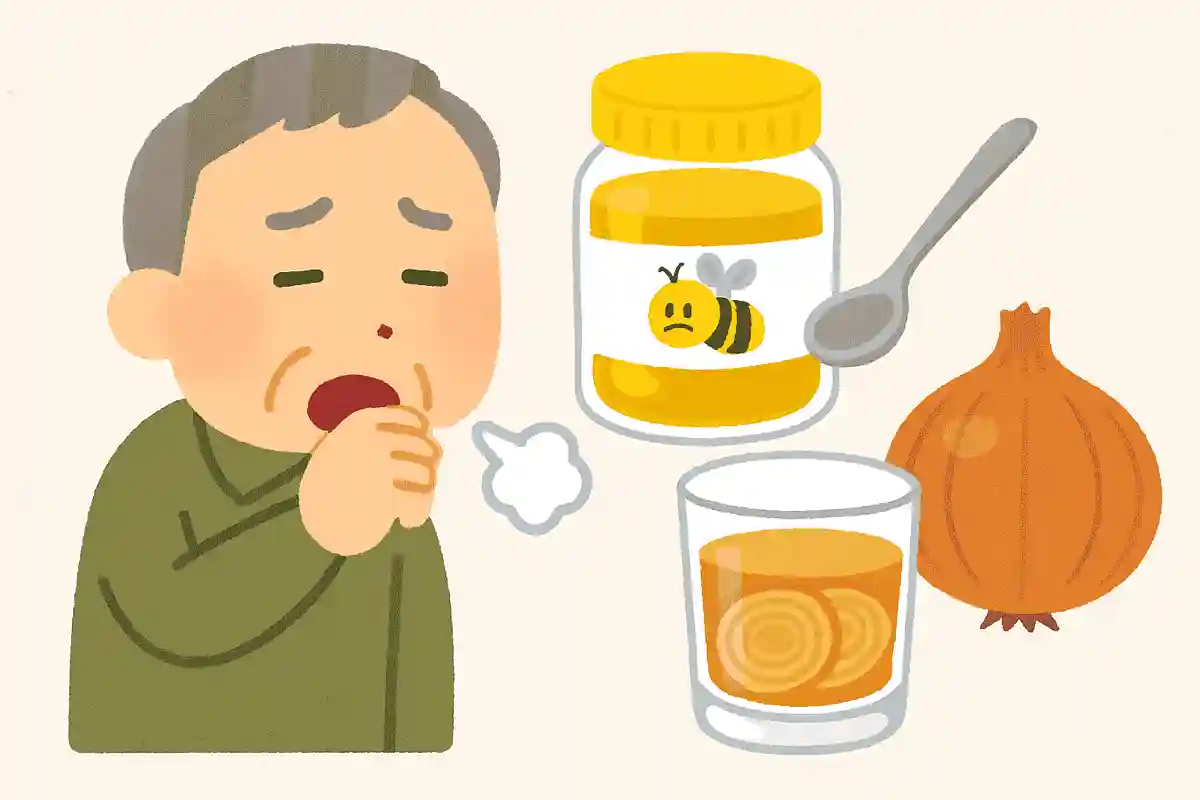
The correct answer is “daikon radish.” A compound found in daikon called isothiocyanate has anti-inflammatory effects, and honey contains an enzyme called glucose oxidase.
This enzyme reacts with oxygen in the air to produce hydrogen peroxide.
Hydrogen peroxide, also known as “oxydol,” has disinfectant properties—the same “oxydol” used to disinfect wounds.
Based on this, “honey daikon” appears to help soothe coughs by disinfecting the throat and reducing inflammation.
Osechi dishes, each ingredient and material carrying auspicious meanings—Which foods are eaten to pray for good financial fortune?
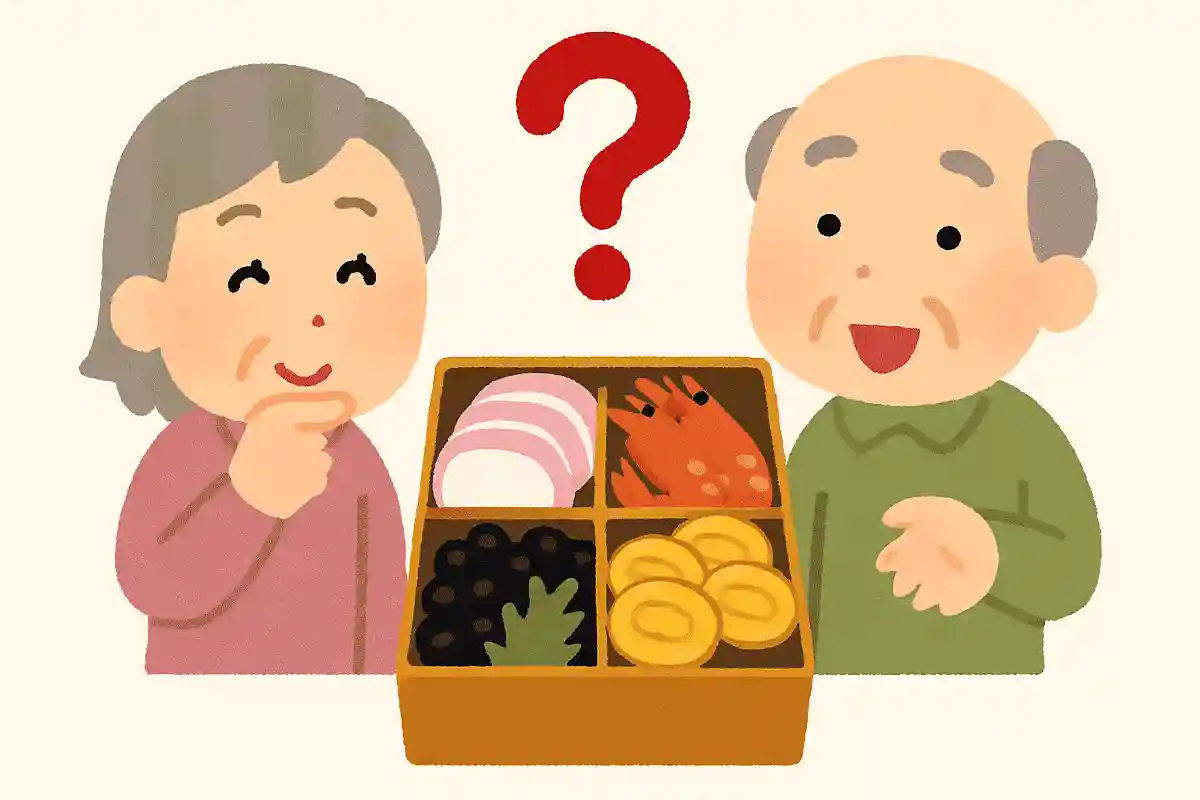
Many older adults might say that the colorful Osechi dishes are one of the joys of New Year’s.
Among these traditional dishes, there’s a certain food said to symbolize good fortune with money—but which one is it? Here’s a hint: it’s sweet and popular with children.
A big hint: it’s made with chestnuts.
The answer is kuri-kinton! The word kinton can mean “golden bedding” or “golden dumplings,” which is why it’s associated with financial luck.

Among the many foods, there is only one that does not spoil. What is it?
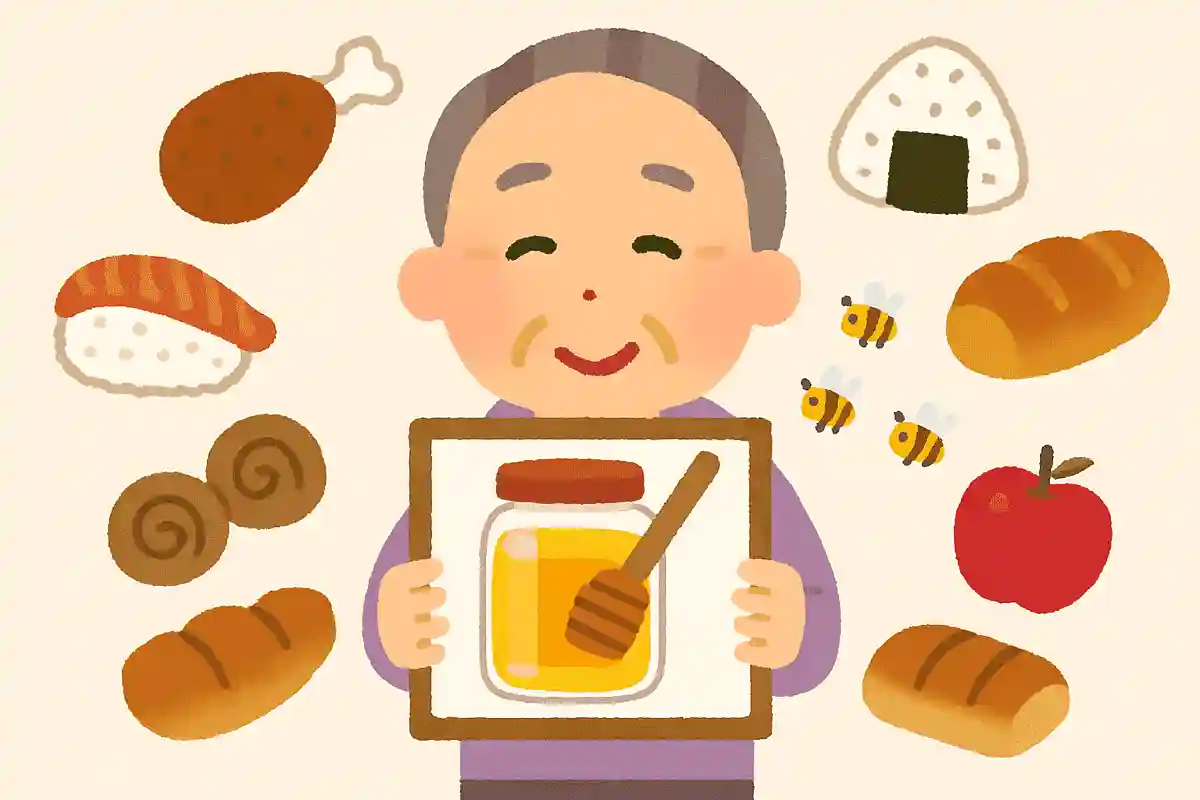
Speaking of food, we often worry about best-before and use-by dates.
But if a food doesn’t spoil, there’s no need to throw it away, which is very eco-friendly.
What do you think this wonderful food is? Here’s a hint: you eat it drizzled over things like bread, pancakes, and yogurt.
It’s diligently gathered by a certain insect, and it’s very sweet.
The answer is—honey! Honey is said not to spoil because it’s high in sugar and low in water content, conditions in which bacteria can’t survive.
[For Seniors] Fun and Informative Trivia Quiz Collection (81–90)
What is the purpose of the groove on the end of a toothpick where you hold it?
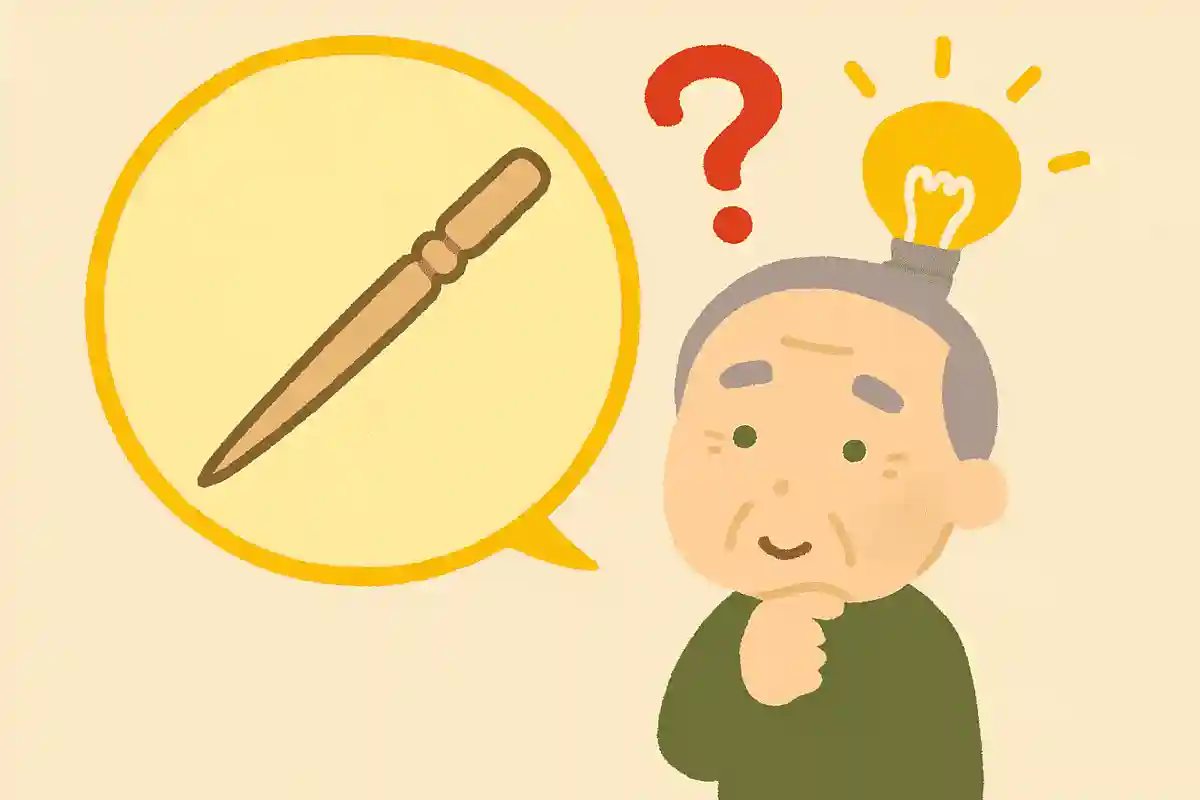
Toothpicks are commonly used in everyday life.
What’s the purpose of the grooves on the end you hold? Are they for grip, or is there some other use? The answer is: they don’t really have any special meaning.
According to toothpick manufacturers, when they sharpen the tip, the toothpicks are set in a machine and shaved at high speed.
The wood on the opposite end would get scorched and turn black, making it look bad, so they started adding grooves there as a workaround.
In the near future, if machines advance to the point where the wood no longer gets scorched, those grooves might disappear.

The calves are also called the “second heart.” Using a part of the body, what is it called as the “second” what?
The calf, located on the back of the lower leg, has a nickname that uses the name of a body organ: “the second ___.” What is it? The hints are that it’s an internal organ and an indispensable organ not only for humans but also for animals.
The answer is the second “heart”! Blood tends to pool in the legs, but by actively moving the calves, blood circulates better and can be sent back to the heart more effectively.
That’s why they’re called the “second heart.”
On a bunch of grapes, going along the stem in order of “top,” “middle,” and “bottom,” which part is the sweetest?
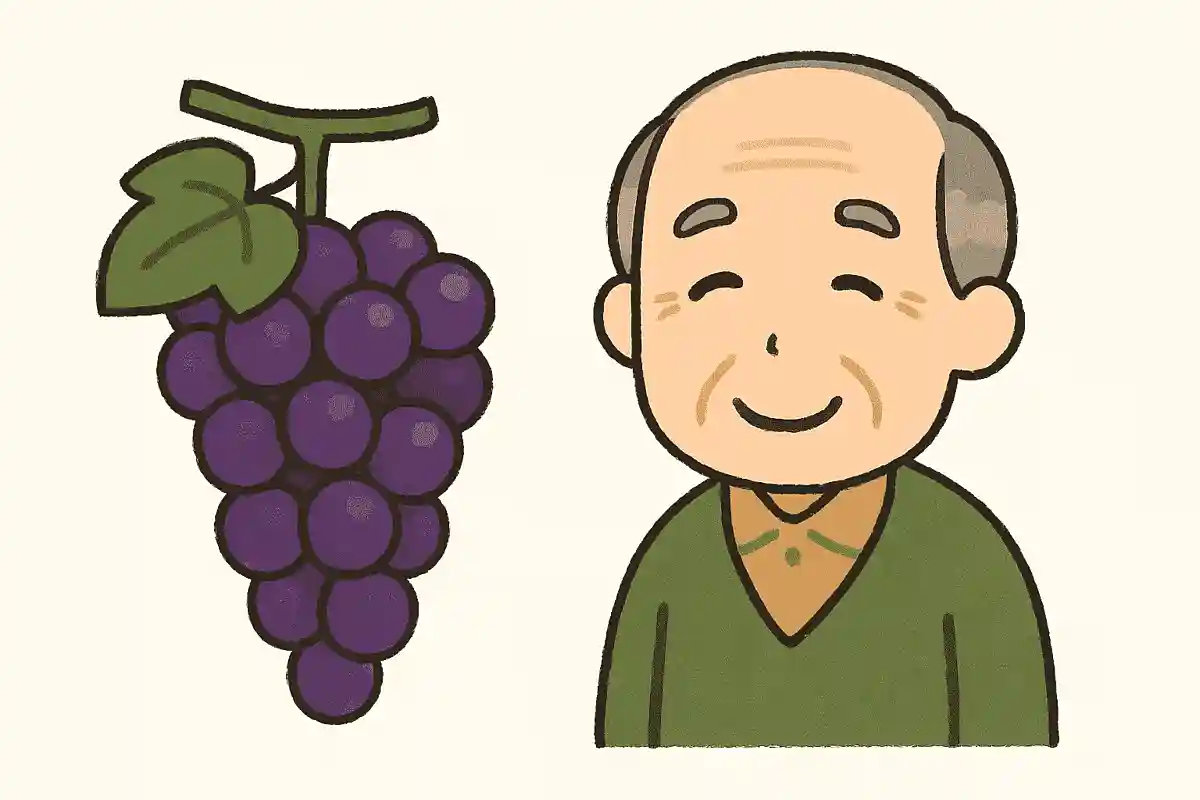
One of autumn’s seasonal flavors is grapes.
Many people love them, right? Here’s a quiz: “Which part of a bunch of grapes is the sweetest?” If you picture how grapes grow, you might guess it.
The correct answer is “the upper part near the stem.” Grapes start to ripen from the part closest to the stem, so the upper area becomes sweeter.
So when you eat them, if you start from the less sweet lower grapes and work your way up, you’ll likely enjoy them to the very last bite.
It could be a fun question to ask before serving grapes, too.

Among the pyramids in Egypt, approximately how many meters tall is the largest one, the Pyramid of Khufu?
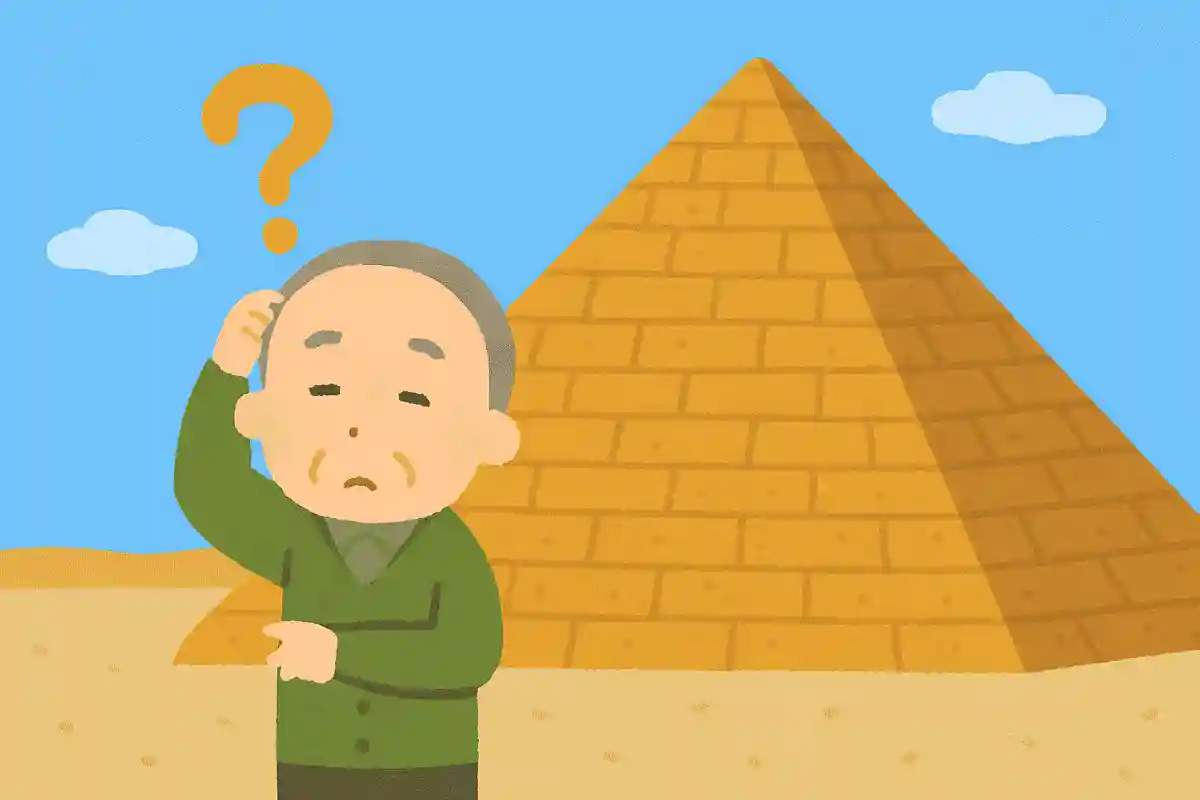
- 60m
- 140m
See the answer
140m
Even if you haven’t actually been there, you often see it on TV and such, right? You can tell it’s very big, but it’s hard to grasp just how big it is. Even at 60 meters you’d think it’s large, but 140 meters… that’s a size that’s hard to imagine!
