

[For Seniors] Fun and Informative Trivia Quiz Collection

There may be older adults who are spending monotonous days.
So this time, we’ll introduce some useful trivia quizzes that will make you think, “I see!”
You can use them as brain training by asking the questions, and they’re also fun to bring up in casual conversations with seniors.
Because they spark interest easily, they’re likely to be a hit as a recreational activity, too!
With trivia quizzes, you can hear the answers and gain new knowledge.
People often feel like sharing the trivia they’ve learned with others, which can naturally encourage communication.
- [For Seniors] Fun and Informative! Health Trivia Quiz
- [For Seniors] Laugh-Out-Loud, Crowd-Pleasing! Fun Quiz
- [For Seniors] Fun and Informative! Trivia and Quizzes Introduced
- [For Seniors] Trivia Multiple-Choice Quiz
- [For Seniors] Boost Your Knowledge! Fun Trivia Quiz
- [For Seniors] Today’s recommended quiz. Daily brain-training quiz!
- [For Seniors] Brain Training! Recall Quiz Collection!
- [For Seniors] Fun! Let’s Get Excited with Japan’s Number One Quiz
- [For Seniors] January Trivia Quiz & Fun Facts. Brain training with quizzes about New Year and winter.
- [For Seniors] Liven Things Up! 3-Choice Ranking Quiz
- [Brain Training] Lively Word Quiz for Seniors
- [For Seniors] Surprising Facts! Multiple-Choice Trivia Quiz (4 Options)
- [For Seniors] Fun and Educational True-or-False Quiz
[For Seniors] Fun and Educational Trivia Quiz Collection (91–100)
Ohagi and botamochi are the same food, but which one is made in autumn?
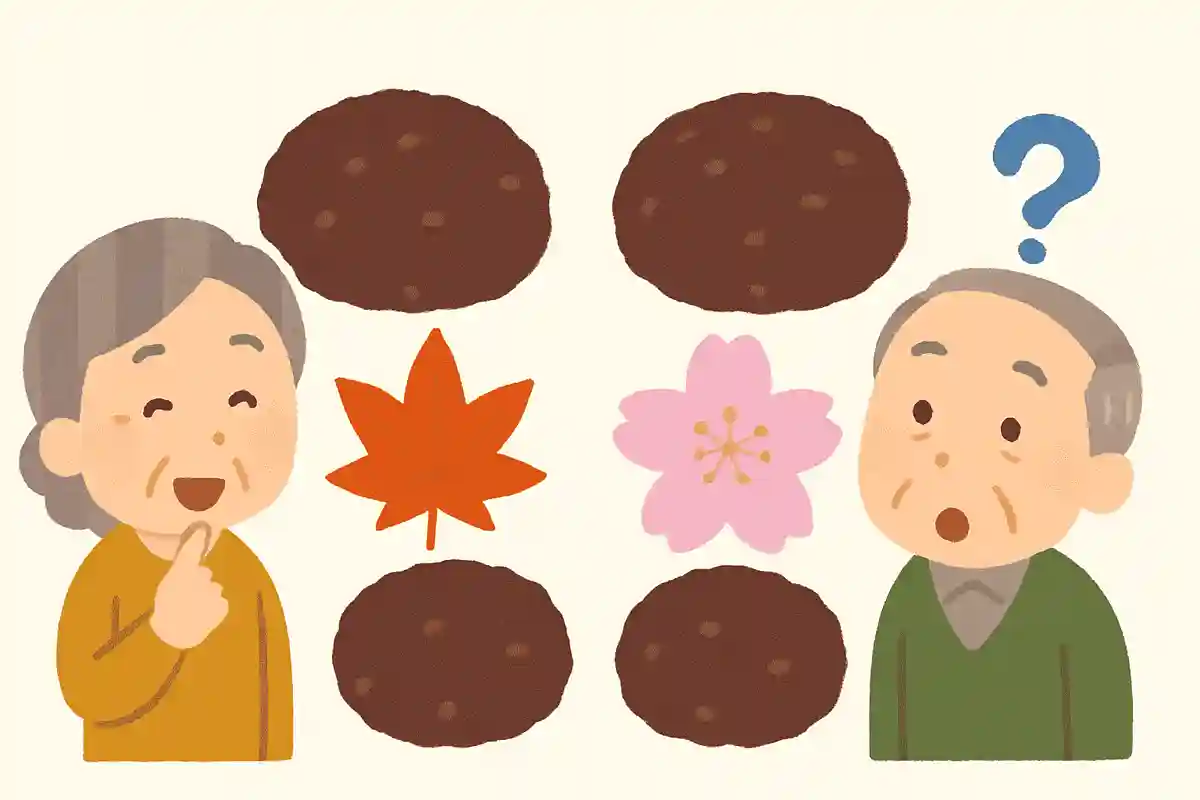
Botamochi and ohagi are traditional Japanese sweets made by lightly pounding a mix of glutinous and non-glutinous rice into balls and wrapping them in sweet red bean paste.
The contents are the same, but which one is eaten in autumn? The answer is ohagi.
There are various theories, but the common one is that the names come from flowers that bloom in each season: the one eaten during the autumn equinoctial week (Higan) is called ohagi, after the autumn flower hagi (bush clover), and the one eaten during the spring Higan is called botamochi, after the spring flower botan (peony).
Incidentally, there are also seasonal names: “yofune” for summer and “kitamado” for winter.

What is the name of the event, mainly held in Nagasaki and Saga prefectures, in which the spirits of ancestors and Obon offerings are placed on a boat and floated down a river?

One interesting aspect of the traditional Japanese custom of Obon is that the events vary by region.
Among these Obon events, what is the name of the ceremony, practiced mainly in Nagasaki and Saga Prefectures, in which ancestors’ spirits and Obon offerings are placed on boats and sometimes actually set adrift down a river? The answer is “Shōrō-nagashi” (Spirit Boat Procession).
Because of Masashi Sada’s hit song, it is often associated with a fleeting, melancholy image, but in reality it’s a lively event.
The boats are gorgeously decorated with family crests and lanterns, and the finale echoes with the loud crackle of firecrackers—an event that truly stirs the emotions.

Like humans, do dogs also lose their baby teeth and grow permanent teeth?
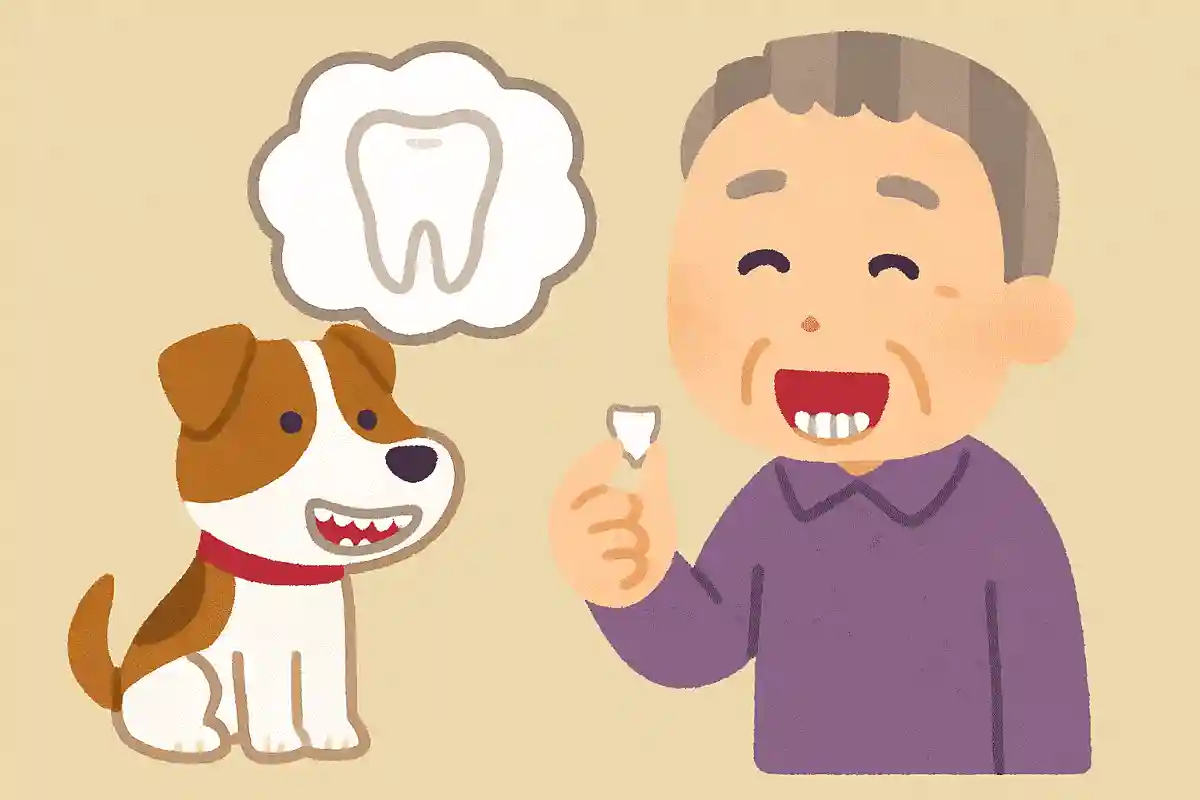
- They are born with permanent teeth from the start, so they don't go through tooth replacement.
- A baby tooth falls out and a permanent tooth grows in.
See the answer
A baby tooth falls out and a permanent tooth grows in.
Just like humans, dogs lose their baby teeth, which are then replaced by permanent teeth. Dogs have a total of 42 permanent teeth. Their baby teeth begin to emerge at around three weeks of age and are usually fully in by about three months, after which the baby teeth start to fall out over the following month or so. Cats also transition from baby teeth to permanent teeth in the same way.

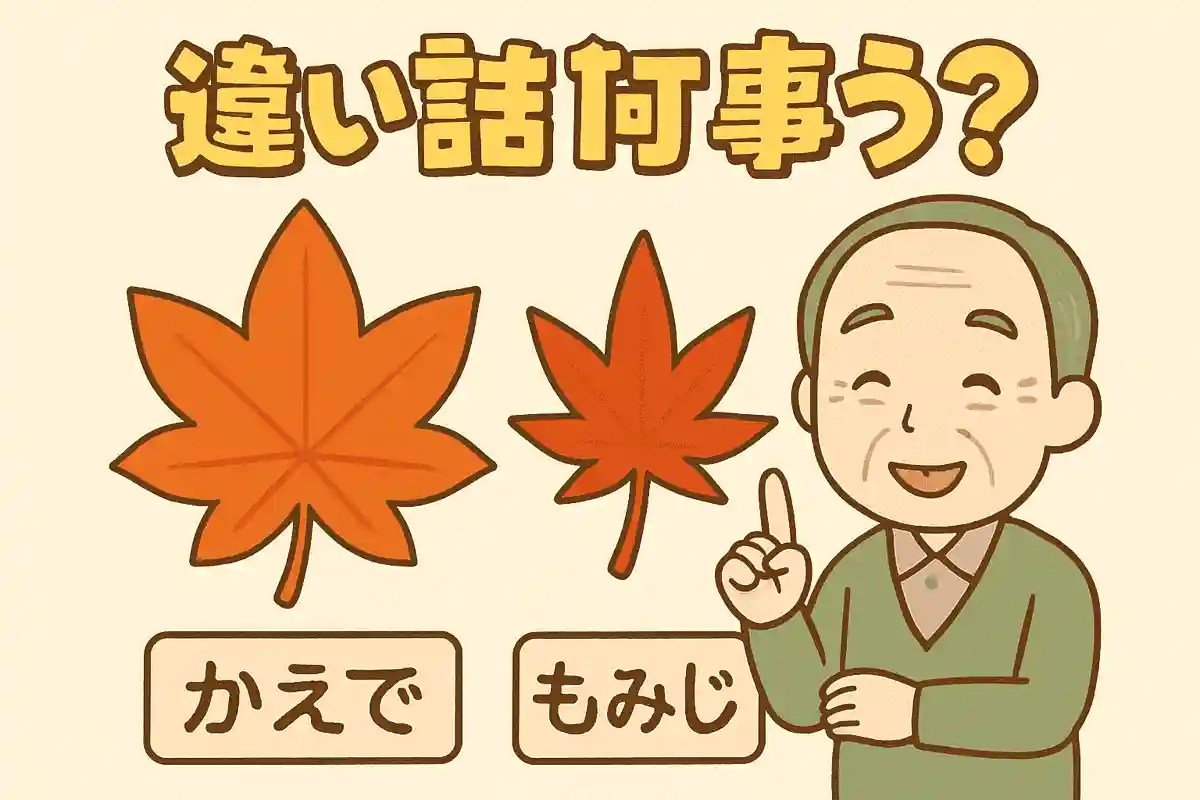
Though both ‘momiji’ and ‘kaede’ color the autumn in similar ways, what is the difference between them?
Many people enjoy viewing the autumn foliage.
In particular, the Japanese maple (momiji) and maple (kaede) delight us with their beautiful red colors.
Here’s a question: what’s the difference between momiji and kaede? You might figure it out by imagining their shapes.
The correct answer is the number of lobes (leaf divisions).
Momiji typically has 5 to 6 lobes, while kaede has as many as 9 to 11.
Incidentally, in formal botanical classification, both are considered “kaede” (maples).
This little bit of trivia can be a fun tidbit to share when you go to see the autumn leaves.

Scissors that have become dull can be revived by cutting something found in a household kitchen. What is that “something?”
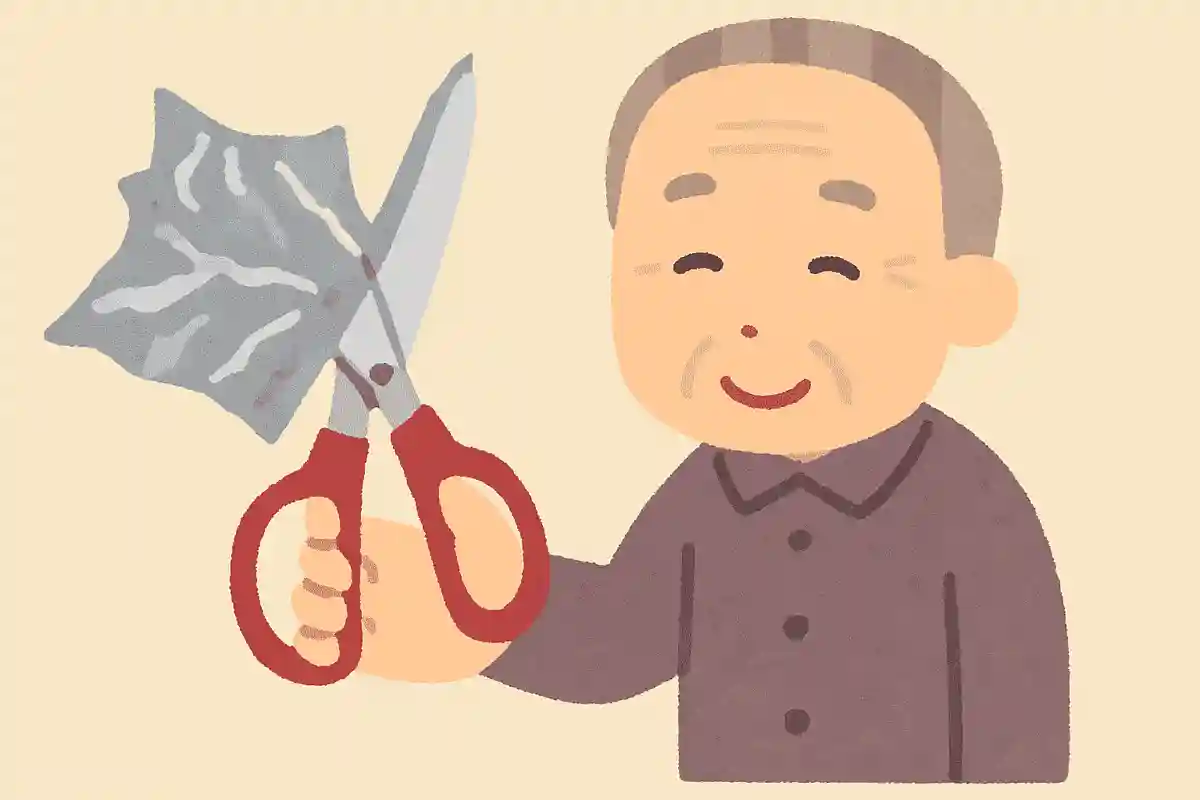
Scissors are stationery that everyone uses daily, but their sharpness inevitably dulls over time.
However, even dulled scissors can be easily revived just by cutting a common household item.
The hint is something from the kitchen: it’s made of metal, yet it can be cut with scissors—this should make it clear.
The answer is aluminum foil.
It’s said that a phenomenon occurs where the aluminum compensates for the worn parts of the scissors.
Since the effect is only temporary, it’s good to remember that properly sharpening them with tools is a more reliable solution.
In which prefecture is the Gujo Odori, a Bon dance also known as the “All-Night Dance,” held?
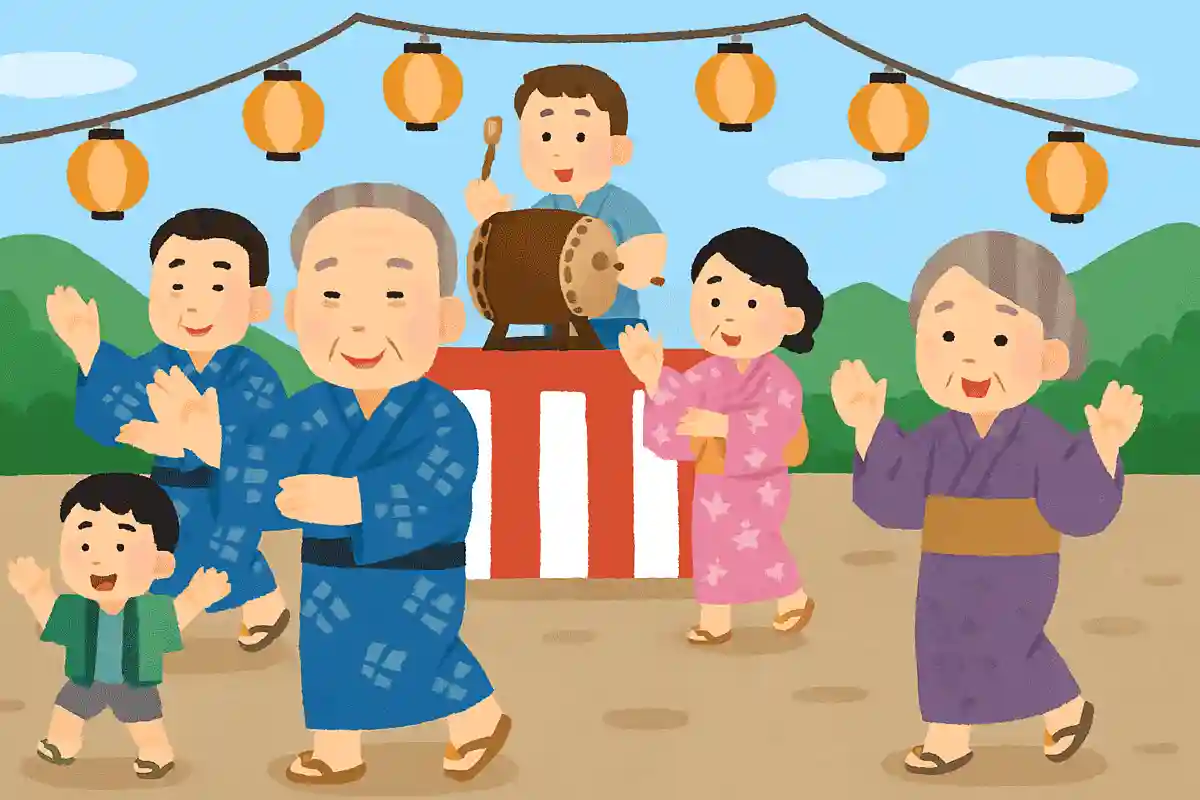
During Obon, when we welcome our ancestors, festivals are sometimes held, and in many cases Bon Odori dances are performed.
Among these dances, there is a special one called Gujo Odori, also known as the All-Night Dance (Tetsuya Odori).
In which prefecture is it held? The answer is Gifu Prefecture.
It is a traditional Bon dance that is also inscribed on UNESCO’s Intangible Cultural Heritage list.
A major feature is that people continue dancing from night until the following morning, and it is said to combine both memorial rites for ancestors and elements of entertainment.
In prehistoric times, very few people got cavities. Why was that?
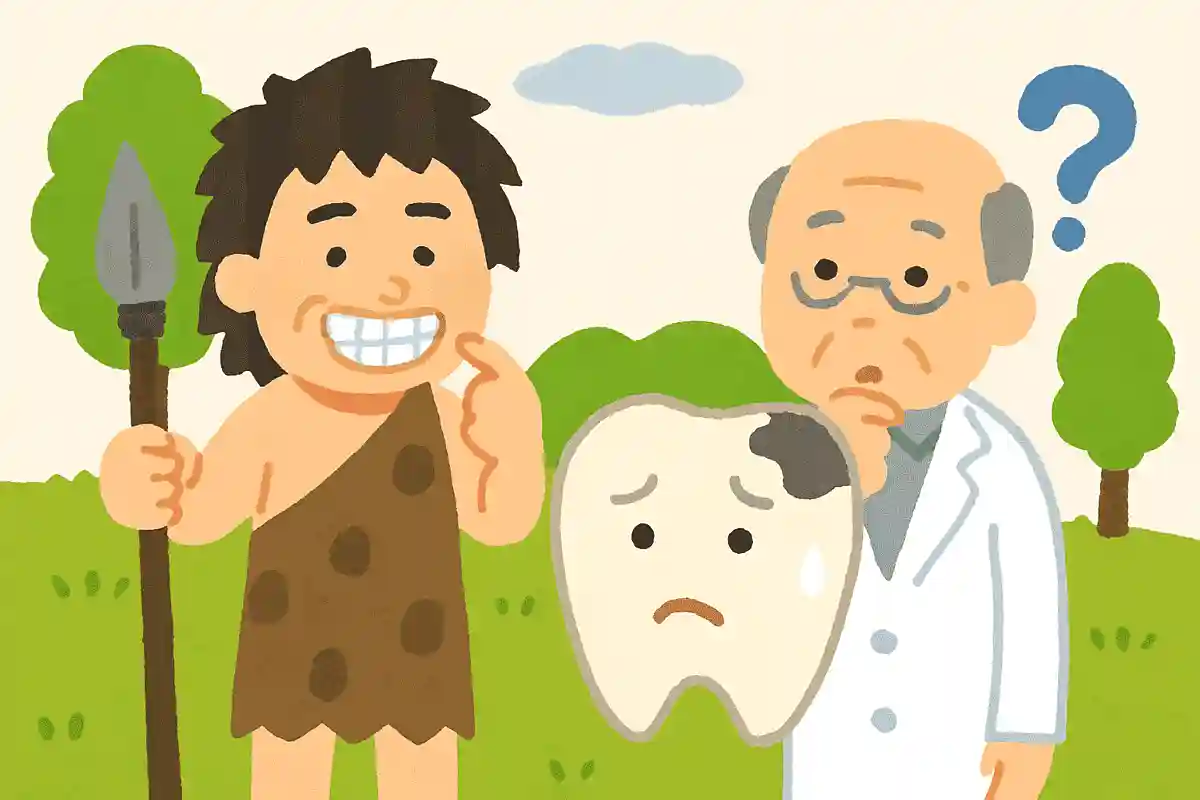
It’s surprising to think that our human ancestors, primitive people, didn’t have cavities, isn’t it? How could that be in a time without toothbrushes or toothpaste? The hint lies in the foods they ate back then.
The answer is that they only had hard foods.
Hard foods naturally increase the number of times you chew, which stimulates plenty of saliva, helping wash away bacteria and the like.
In contrast, in modern times, the increase in soft foods makes it easier for food to get stuck between teeth, and because we chew far fewer times, saliva production has greatly decreased, making us much more prone to cavities.
