

[For Seniors] Fun and Informative Trivia Quiz Collection

There may be older adults who are spending monotonous days.
So this time, we’ll introduce some useful trivia quizzes that will make you think, “I see!”
You can use them as brain training by asking the questions, and they’re also fun to bring up in casual conversations with seniors.
Because they spark interest easily, they’re likely to be a hit as a recreational activity, too!
With trivia quizzes, you can hear the answers and gain new knowledge.
People often feel like sharing the trivia they’ve learned with others, which can naturally encourage communication.
- [For Seniors] Fun and Informative! Health Trivia Quiz
- [For Seniors] Laugh-Out-Loud, Crowd-Pleasing! Fun Quiz
- [For Seniors] Fun and Informative! Trivia and Quizzes Introduced
- [For Seniors] Trivia Multiple-Choice Quiz
- [For Seniors] Boost Your Knowledge! Fun Trivia Quiz
- [For Seniors] Today’s recommended quiz. Daily brain-training quiz!
- [For Seniors] Brain Training! Recall Quiz Collection!
- [For Seniors] Fun! Let’s Get Excited with Japan’s Number One Quiz
- [For Seniors] January Trivia Quiz & Fun Facts. Brain training with quizzes about New Year and winter.
- [For Seniors] Liven Things Up! 3-Choice Ranking Quiz
- [Brain Training] Lively Word Quiz for Seniors
- [For Seniors] Surprising Facts! Multiple-Choice Trivia Quiz (4 Options)
- [For Seniors] Fun and Educational True-or-False Quiz
[For Seniors] Fun and Educational Trivia Quiz Collection (101–110)
What is the food offering that symbolizes a rope for tying up the belongings that the returned ancestors will take back with them?
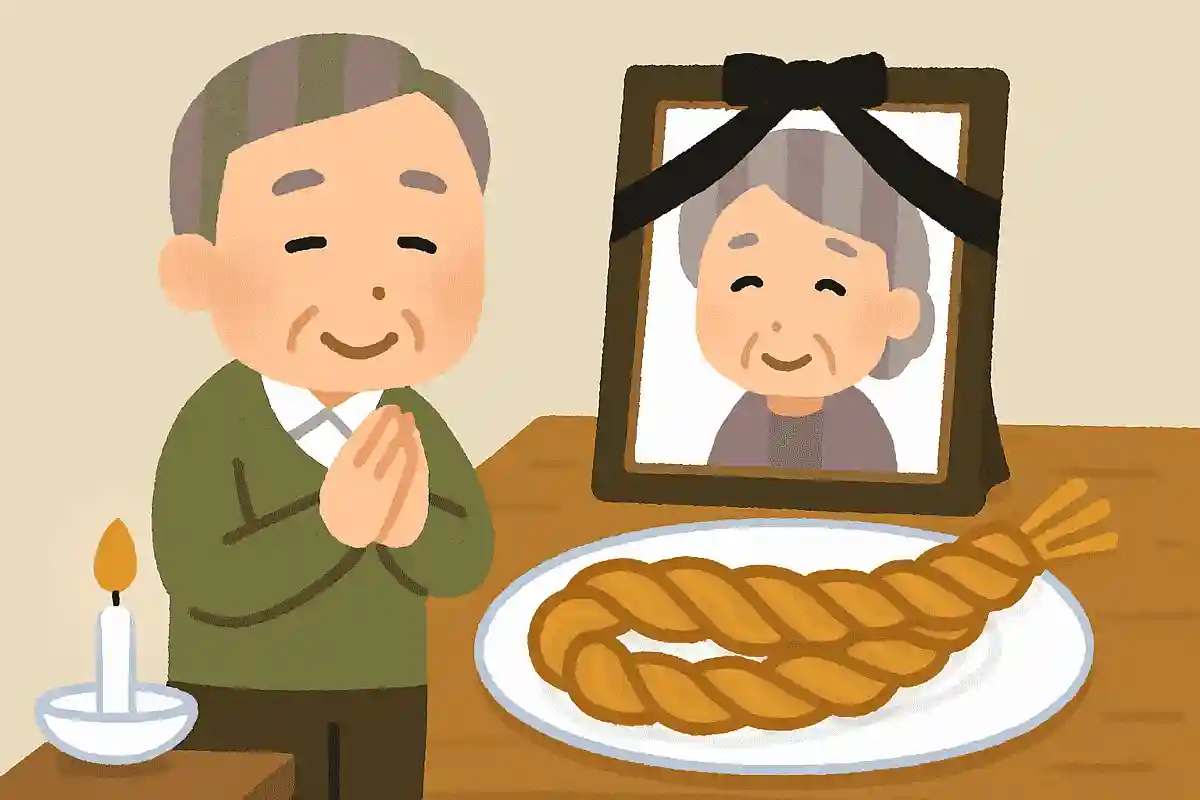
Somen noodles, which we often enjoy in the peak of summer, are connected to an Obon-related custom.
Let’s liven things up with an Obon quiz featuring somen! Please ask: “What food is offered as a symbol of a cord for tying up the luggage that returning ancestors will take back with them?” The surprising answer is somen.
During Obon, ancestors who return to this world receive many offerings.
There’s a legend that somen is used as the cord to bundle those offerings.
With this bit of Obon trivia, you’ll have something to proudly share with your family!

November 11, 1999 was designated as the anniversary of a certain famous snack. What is that snack?
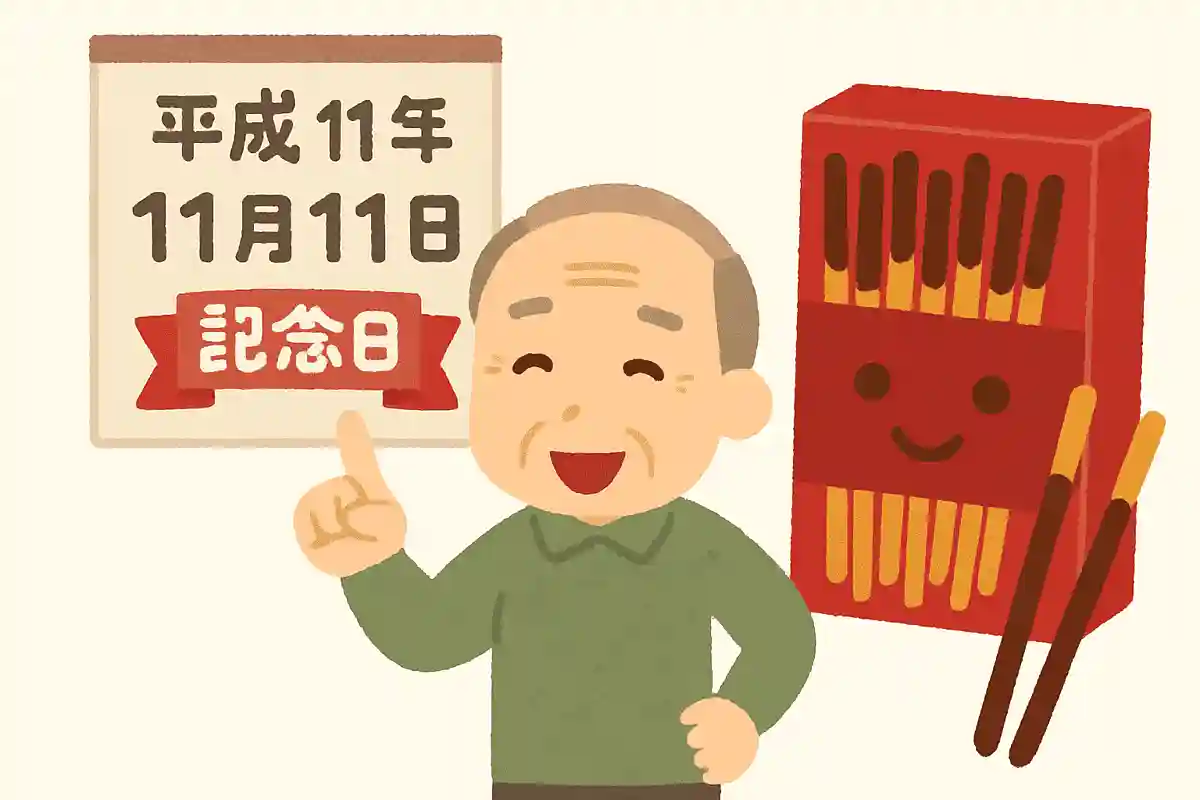
Since November 11 features repeating digits, it is said to be the day with the most commemorative observances after October 10.
There are dozens of observances such as Noodle Day and Salmon Day, but the most famous is surely Pocky Day.
Pocky is one of the flagship products of the confectionery maker Ezaki Glico, and because the shape of Pocky resembles the number 1, the celebration started on the auspicious date when six 1s line up: November 11, 1999 (Heisei 11/11/11).
Incidentally, Pocky was born in 1966, debuting as the world’s first stick-shaped chocolate snack.
In what language is the word “pom-pom,” which is used for cheering?
What language is the origin of the word “pom-pom,” used as a cheering item at events like sports days? The answer is French; it is said to derive from “pompon,” meaning a tuft with a rounded end.
Invented as a cheering accessory in the 1930s, pom-poms were made of paper at the time and couldn’t be used in bad weather—details that convey the history they’ve accumulated.
By learning that history properly, we may grow more attached to the everyday items used at events.

How much was 1 US dollar in Japan between 1949 (Showa 24) and 1971 (Showa 46) after the war?

Do you know how much one US dollar was in Japan from 1949 to 1971 in the postwar Showa era? The answer is 360 yen to the dollar! This rate was set by the U.S.
GHQ with the goal of stabilizing and enabling Japan’s postwar self-reliance.
Later, Japan moved to a floating exchange rate system in February 1973, and by 2023 (Reiwa 5), one dollar was about 145 yen.
Some older adults may be very knowledgeable about economics.
Experiencing Japan’s changes through quizzes could spark memories of areas they were once well-versed in.

What color are the lanterns used during the first Obon (shinbon)?
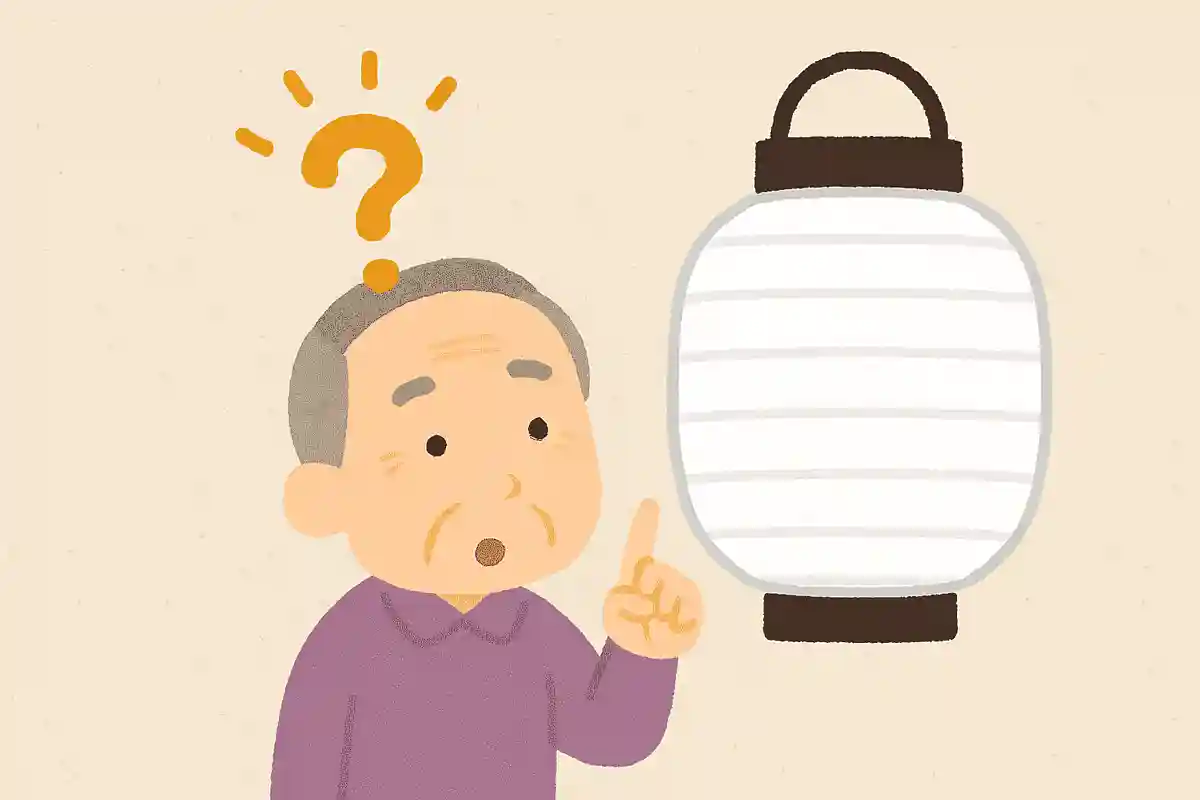
Shinbon (the first Bon) refers to the first Obon observed after a person has passed away.
More precisely, it is the first Obon that comes after the forty-ninth day memorial period has ended, and the name varies by region—such as “shinbon” or “arabon.” During the first Obon only, a white lantern called “hakumonten” is displayed.
The reason is to serve as a marker so that the spirit of the deceased, returning for the first time, does not lose its way.
Some older adults may already know this, but since it’s very informative, why not turn it into a quiz to help people feel the season?
[For Seniors] Fun and Educational Trivia Quiz Collection (111–120)
A certain Japanese custom began because it originates from Obon. What is the custom?
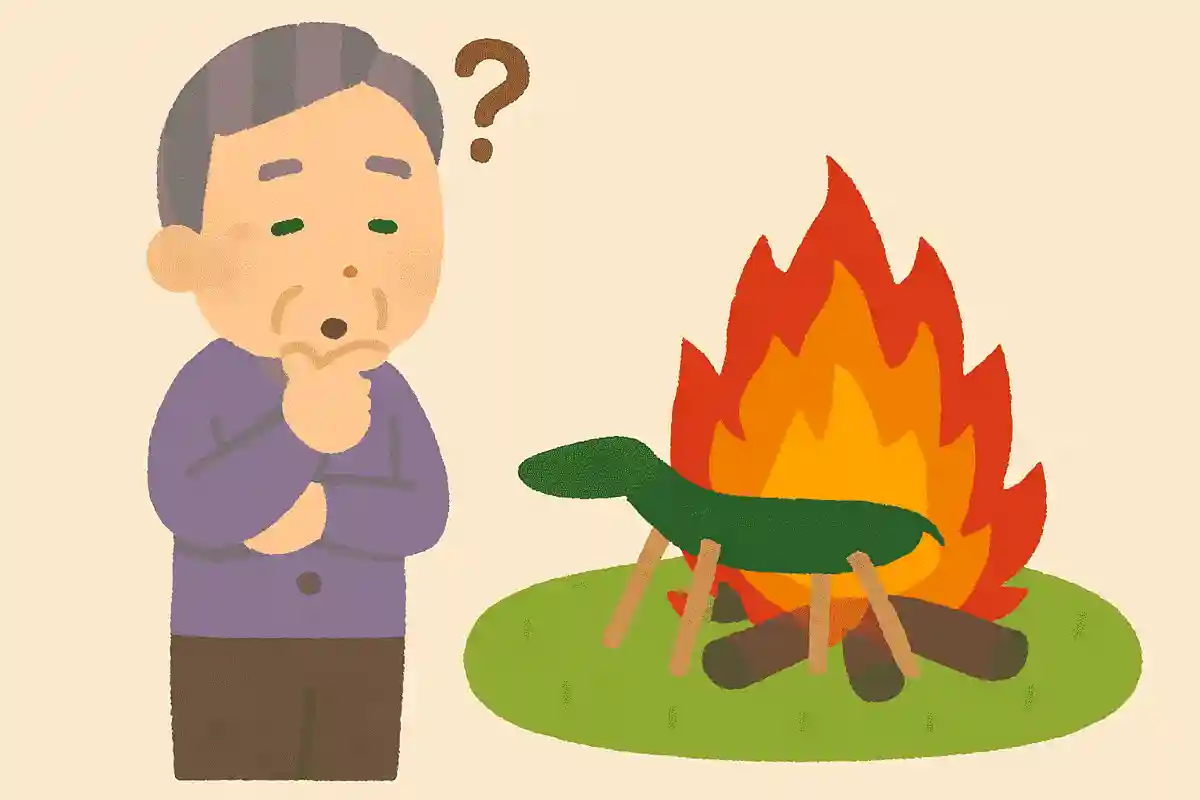
There is a Japanese custom that originates from Obon.
What is this event? The answer is “Ochūgen,” a summer tradition alongside the winter “Oseibo,” in which people send gifts to those who have helped them.
Because Obon carries the meaning of honoring and giving thanks to one’s ancestors, the practice of expressing gratitude to those who have supported you during this season spread as Ochūgen.
It’s a custom that heightens a sense of joy, including the fun of thinking about what kind of gift will best convey your appreciation.
Where are Japanese coins made?
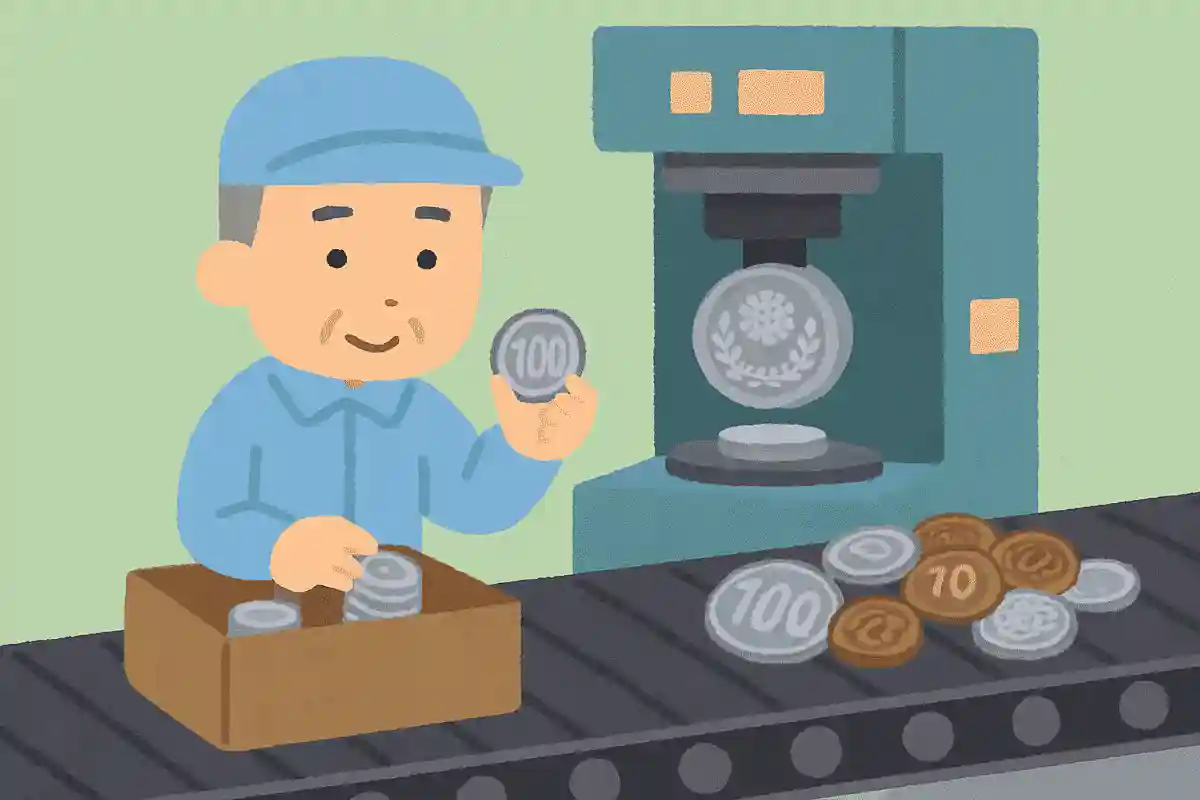
- Bank of Japan
- Mint (Japanese Mint / Mint Bureau)
See the answer
Mint (Japanese Mint / Mint Bureau)
Isn't this also a question that's a bit easy to get wrong? When it comes to money, people tend to think of the Bank of Japan, right? Banknotes are issued by the Bank of Japan, but the “coins” in question are made by the Japan Mint. Was that a bit of a trick question?
