

[For Seniors] Fun and Informative Trivia Quiz Collection

There may be older adults who are spending monotonous days.
So this time, we’ll introduce some useful trivia quizzes that will make you think, “I see!”
You can use them as brain training by asking the questions, and they’re also fun to bring up in casual conversations with seniors.
Because they spark interest easily, they’re likely to be a hit as a recreational activity, too!
With trivia quizzes, you can hear the answers and gain new knowledge.
People often feel like sharing the trivia they’ve learned with others, which can naturally encourage communication.
- [For Seniors] Fun and Informative! Health Trivia Quiz
- [For Seniors] Laugh-Out-Loud, Crowd-Pleasing! Fun Quiz
- [For Seniors] Fun and Informative! Trivia and Quizzes Introduced
- [For Seniors] Trivia Multiple-Choice Quiz
- [For Seniors] Boost Your Knowledge! Fun Trivia Quiz
- [For Seniors] Today’s recommended quiz. Daily brain-training quiz!
- [For Seniors] Brain Training! Recall Quiz Collection!
- [For Seniors] Fun! Let’s Get Excited with Japan’s Number One Quiz
- [For Seniors] January Trivia Quiz & Fun Facts. Brain training with quizzes about New Year and winter.
- [For Seniors] Liven Things Up! 3-Choice Ranking Quiz
- [Brain Training] Lively Word Quiz for Seniors
- [For Seniors] Surprising Facts! Multiple-Choice Trivia Quiz (4 Options)
- [For Seniors] Fun and Educational True-or-False Quiz
[For Seniors] Fun and Educational Trivia Quiz Collection (111–120)
In Japan’s first curry, meat from a certain animal was used. What kind of meat was it?
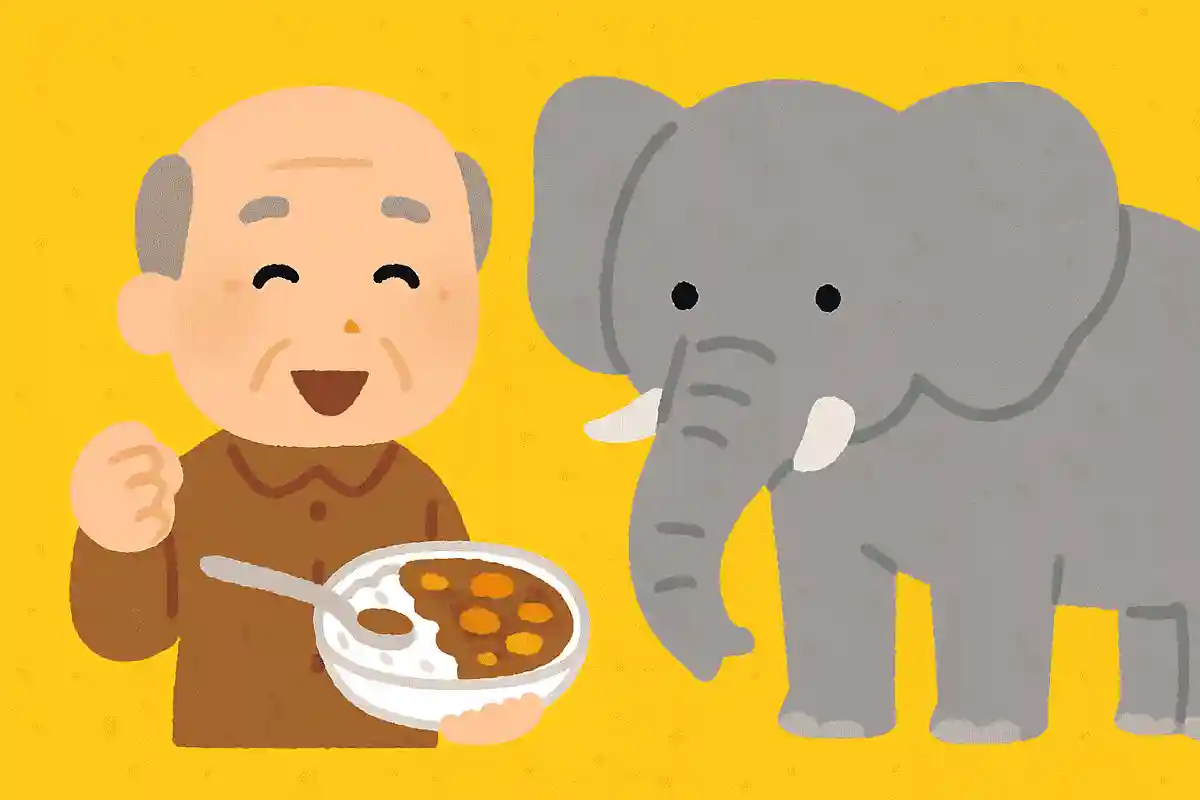
Speaking of curry, beef, chicken, and pork are the major choices, but what exactly are the other kinds of meat? Here are some hints: it’s something that would be unthinkable nowadays—some people might feel disgusted when they hear the answer; it’s a creature whose calls you often hear during the rainy season; and it looks completely different as a child than it does as an adult.
The answer is: frog! In fact, from a global perspective, frogs are eaten in many regions as food, and their taste is said to be similar to chicken.

Around 1955 (Showa 30), what were the cafes in Japanese urban areas—where everyone sang together—called?
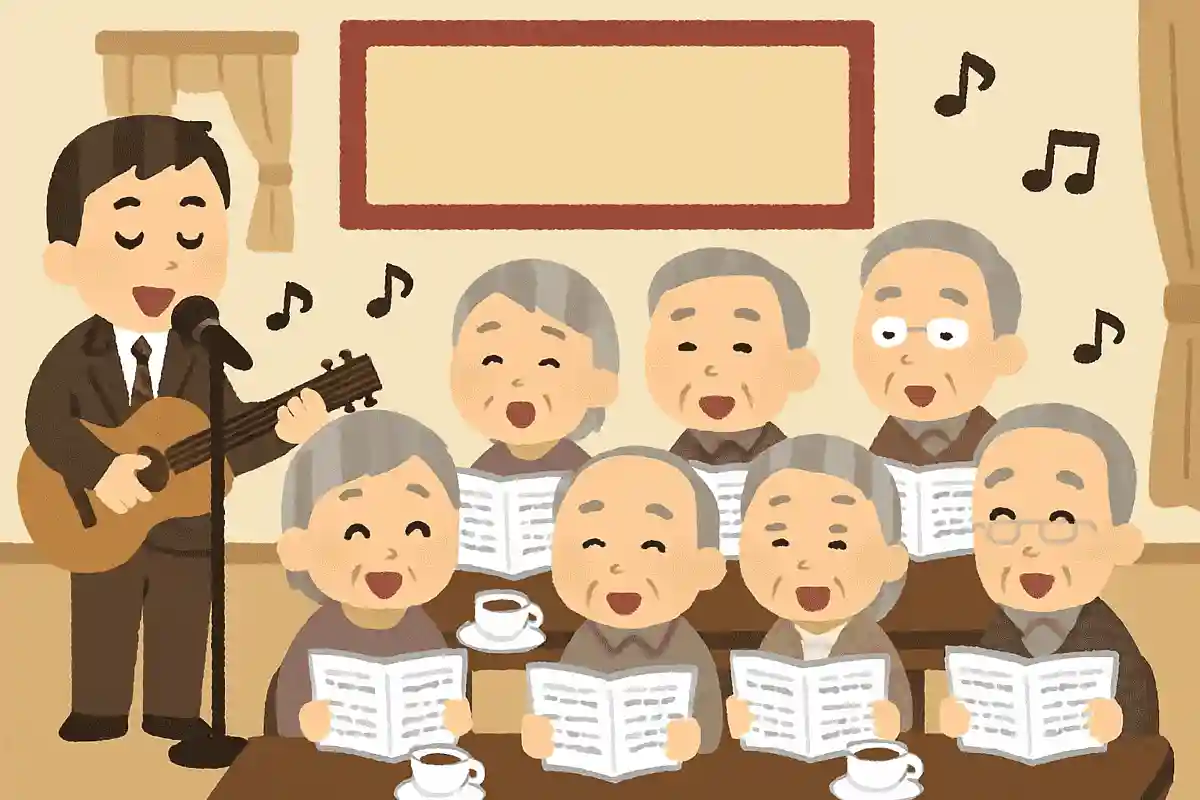
Songs that have always been close to people’s hearts are loved in various ways depending on the era.
Before karaoke boxes appeared, what were the cafes called—popular around the mid-1950s and spreading mainly in Japanese cities—where everyone would sing together? The name clearly evokes the scene of people layering their voices along with various instruments.
The answer is “utagoe kissa” (singing voice cafes).
It is said that as people layered their voices, a sense of solidarity grew, which had a significant impact on student and labor movements.

In 1960 (Showa 35), a revolution occurred in household televisions. What happened to the TV screen?
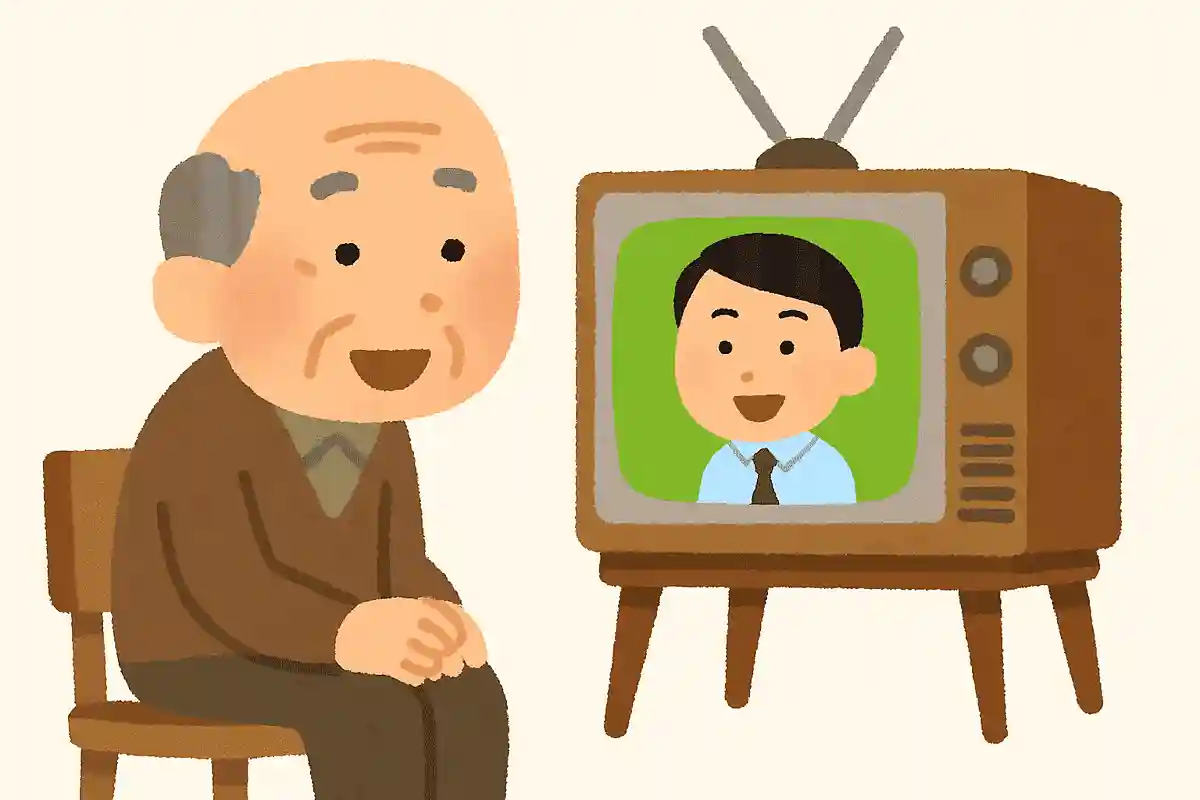
The revolutionary event that happened to home TVs in 1960 (Showa 35) was the start of color broadcasting! NHK began broadcasting on February 1, 1953 (Showa 28), and commercial stations followed on August 28 of the same year.
After the introduction of remote-control TVs and the downsizing of cathode-ray tubes, color broadcasts finally began in 1960.
At the time, color TVs cost dozens of times a new university graduate’s starting salary—well beyond the reach of ordinary people—but as technology advanced, prices became more affordable.
Looking at photos of old televisions or footage of programs from that era might bring back memories of your younger days.

At the Tokyo Olympics held in 1964, a rakugo storyteller ran as a torchbearer. Who was that rakugo performer?
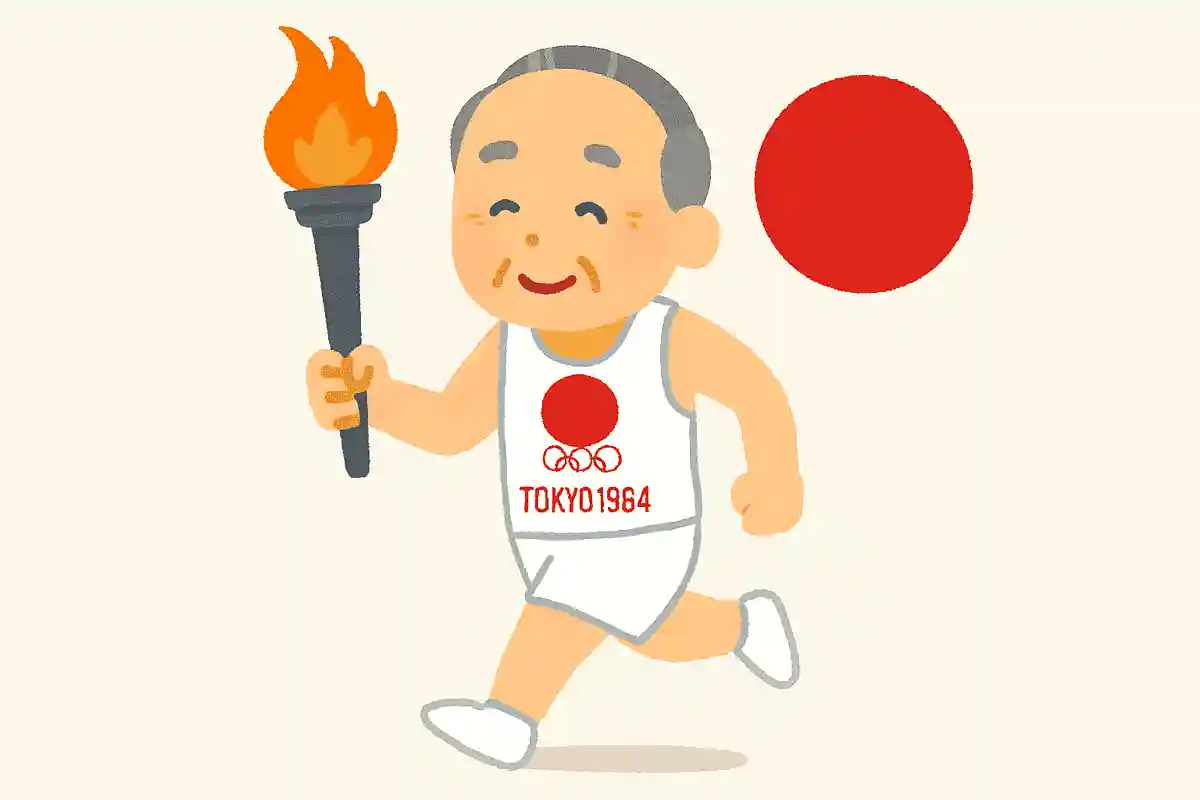
One highlight of the Olympic torch relay is that a wide variety of people run, including athletes and celebrities.
At the Tokyo Olympics held in 1964 (Showa 39), a certain rakugo storyteller ran as a torchbearer.
Who was it? Here’s a hint: a long-beloved rakugo performer you often see on TV—someone who might not fit the strict image of representing the nation.
The answer is “Sanyutei Koyuza.” At the time, he didn’t run as a rakugo performer; he was selected as a torchbearer as a high school table tennis player.
In 1977 (Showa 52), Japan successfully launched its first meteorological satellite. What was the name of this weather satellite?
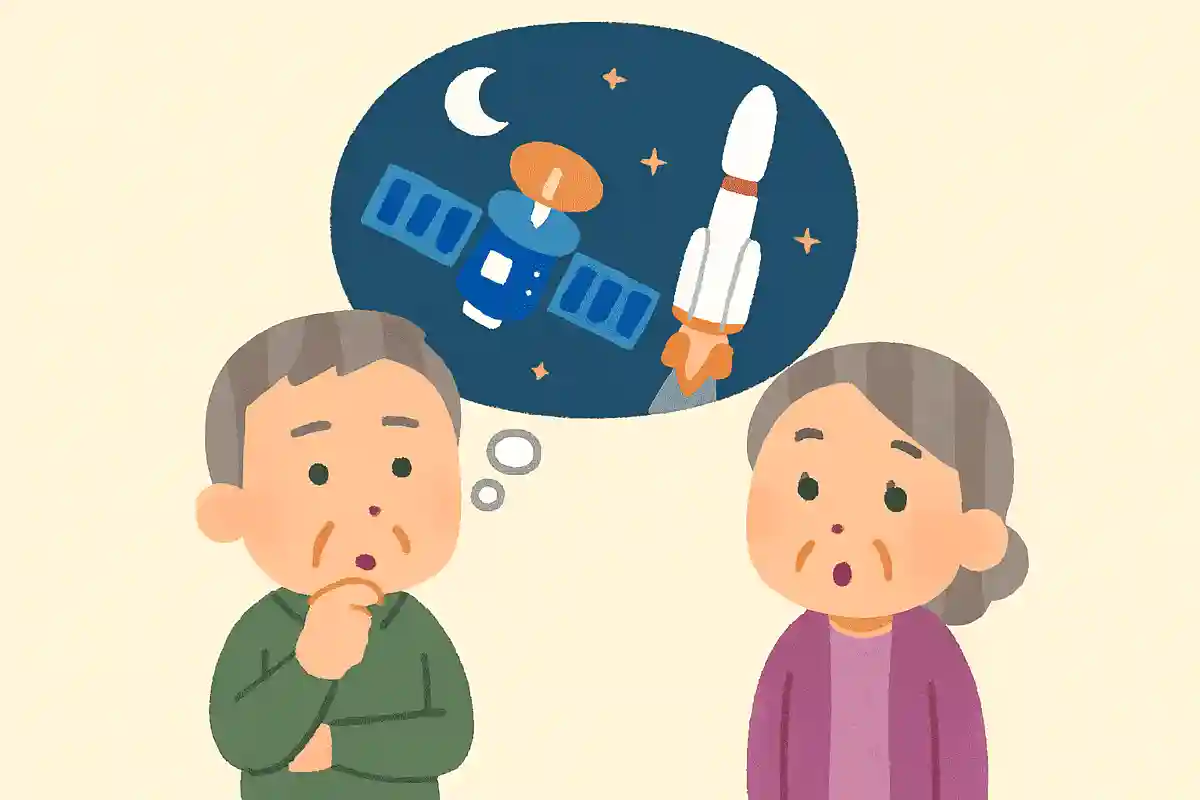
A weather satellite is a satellite that observes various weather-related data from space.
These satellites, which are useful for weather and disaster forecasting, are also launched from Japan.
So, what is the name of the satellite that Japan first successfully launched in 1977 (Showa 52)? It might be easier if you think of a flower that symbolizes summer in Japan.
The answer is “Himawari” (sunflower).
Named after the flower that turns its face toward the sun, Himawari is Japan’s representative series of weather satellites, with multiple generations launched since the first.
In 1984 (Showa 59), a certain animal came from Australia. What is this animal that remains popular today?
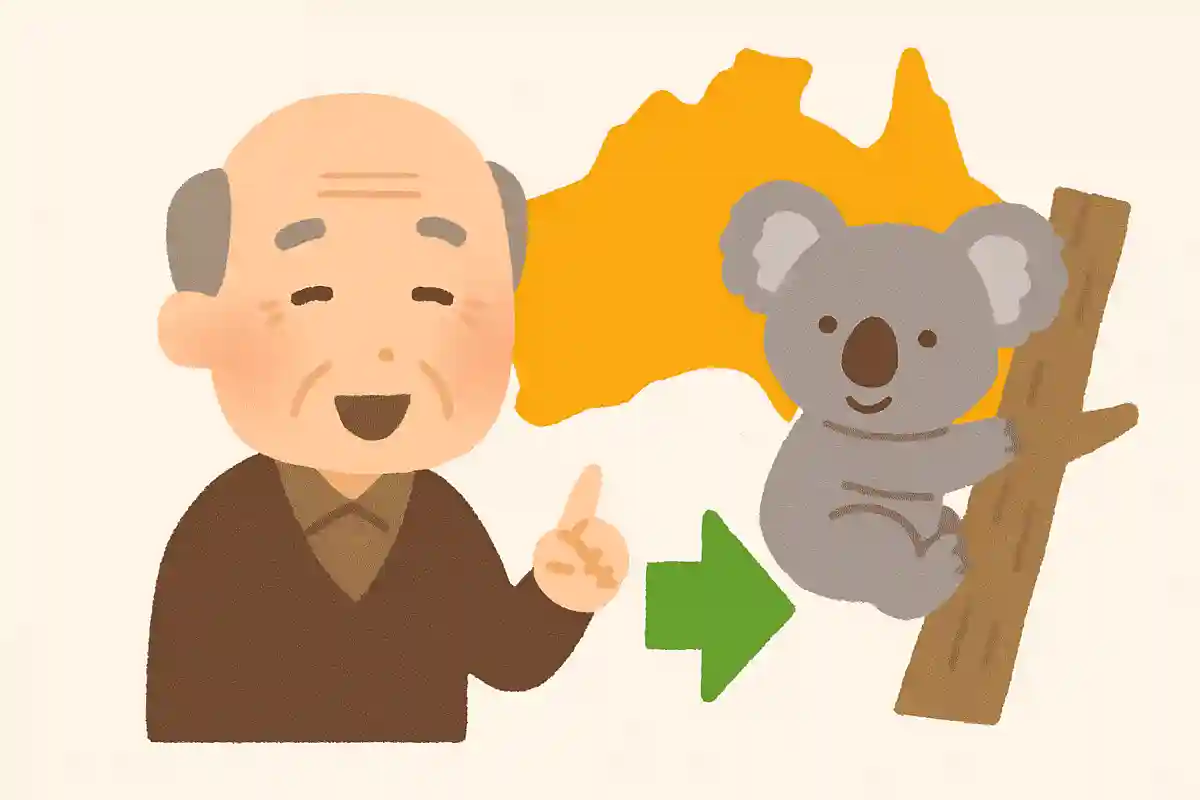
One of the charms of zoos is that you can see creatures that don’t live in Japan or that you’d never encounter in the wild.
Animals coming to Japan for the first time are often featured in the news, and in 1984 (Showa 59) a particular animal drew a lot of attention.
What was the animal that arrived from Australia as a goodwill ambassador? The fact that it came from Australia is a big hint.
The answer is “koala.” Six koalas were exhibited at Tama Zoological Park in Tokyo, Higashiyama Zoo in Nagoya, and Hirakawa Zoological Park in Kagoshima.
On the tables of cafés and eateries in the Showa era, there were small roulette-style vending machines. What kind of vending machines were they?
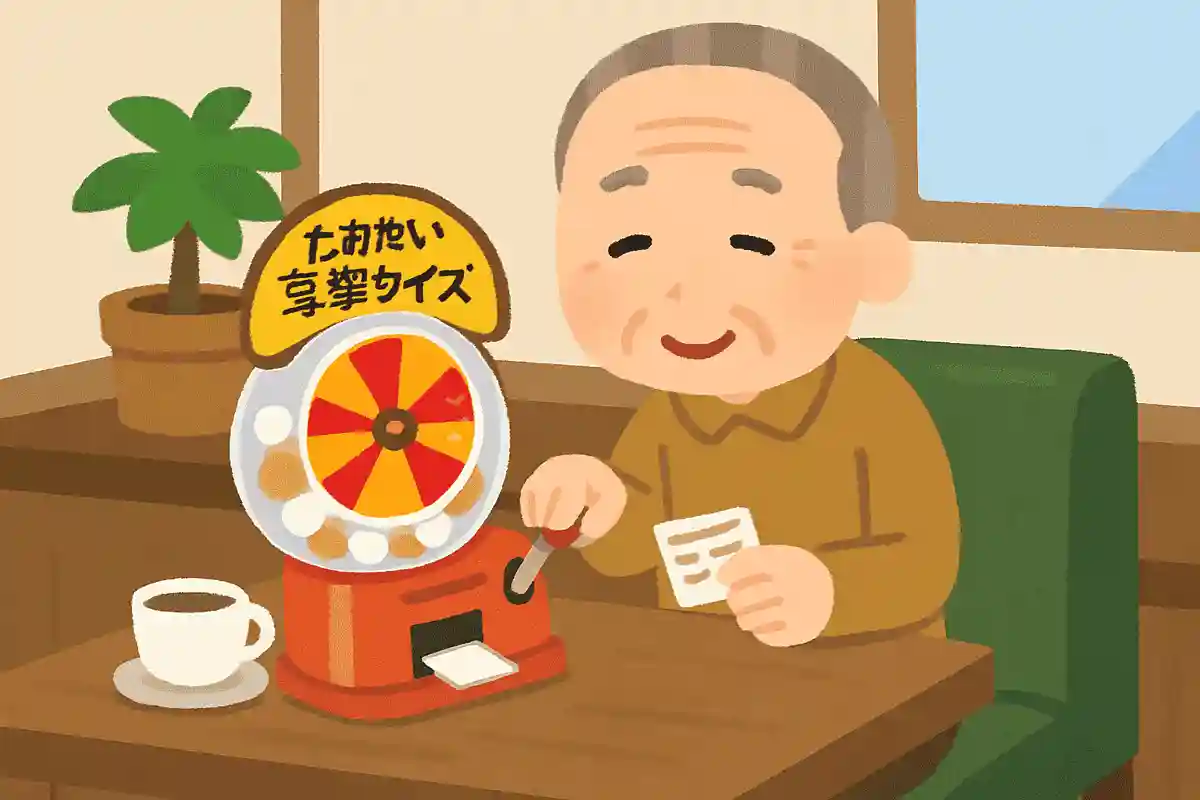
Back in the Showa era, many coffee shops and eateries had small roulette-style vending machines on their tables.
And what did they dispense? Fortune-telling results! You’d insert a coin and pull the lever, the roulette inside would spin, and a rolled-up slip of paper would come out.
In the late Showa 50s (the late 1970s to early 1980s), thanks to the combined boom of horoscopes and coffee shops, annual production of these mini machines reportedly exceeded 200,000 units.
I even remember seeing them in old Chinese restaurants after the Heisei era began, but nowadays they’ve become a rare sight.