

[For Seniors] Fun and Informative Trivia Quiz Collection

There may be older adults who are spending monotonous days.
So this time, we’ll introduce some useful trivia quizzes that will make you think, “I see!”
You can use them as brain training by asking the questions, and they’re also fun to bring up in casual conversations with seniors.
Because they spark interest easily, they’re likely to be a hit as a recreational activity, too!
With trivia quizzes, you can hear the answers and gain new knowledge.
People often feel like sharing the trivia they’ve learned with others, which can naturally encourage communication.
- [For Seniors] Fun and Informative! Health Trivia Quiz
- [For Seniors] Laugh-Out-Loud, Crowd-Pleasing! Fun Quiz
- [For Seniors] Fun and Informative! Trivia and Quizzes Introduced
- [For Seniors] Trivia Multiple-Choice Quiz
- [For Seniors] Boost Your Knowledge! Fun Trivia Quiz
- [For Seniors] Today’s recommended quiz. Daily brain-training quiz!
- [For Seniors] Brain Training! Recall Quiz Collection!
- [For Seniors] Fun! Let’s Get Excited with Japan’s Number One Quiz
- [For Seniors] January Trivia Quiz & Fun Facts. Brain training with quizzes about New Year and winter.
- [For Seniors] Liven Things Up! 3-Choice Ranking Quiz
- [Brain Training] Lively Word Quiz for Seniors
- [For Seniors] Surprising Facts! Multiple-Choice Trivia Quiz (4 Options)
- [For Seniors] Fun and Educational True-or-False Quiz
[For Seniors] Fun and Educational Trivia Quiz Collection (111–120)
Around the early Showa period, someone went around on a bicycle selling a certain creature. What was the creature?
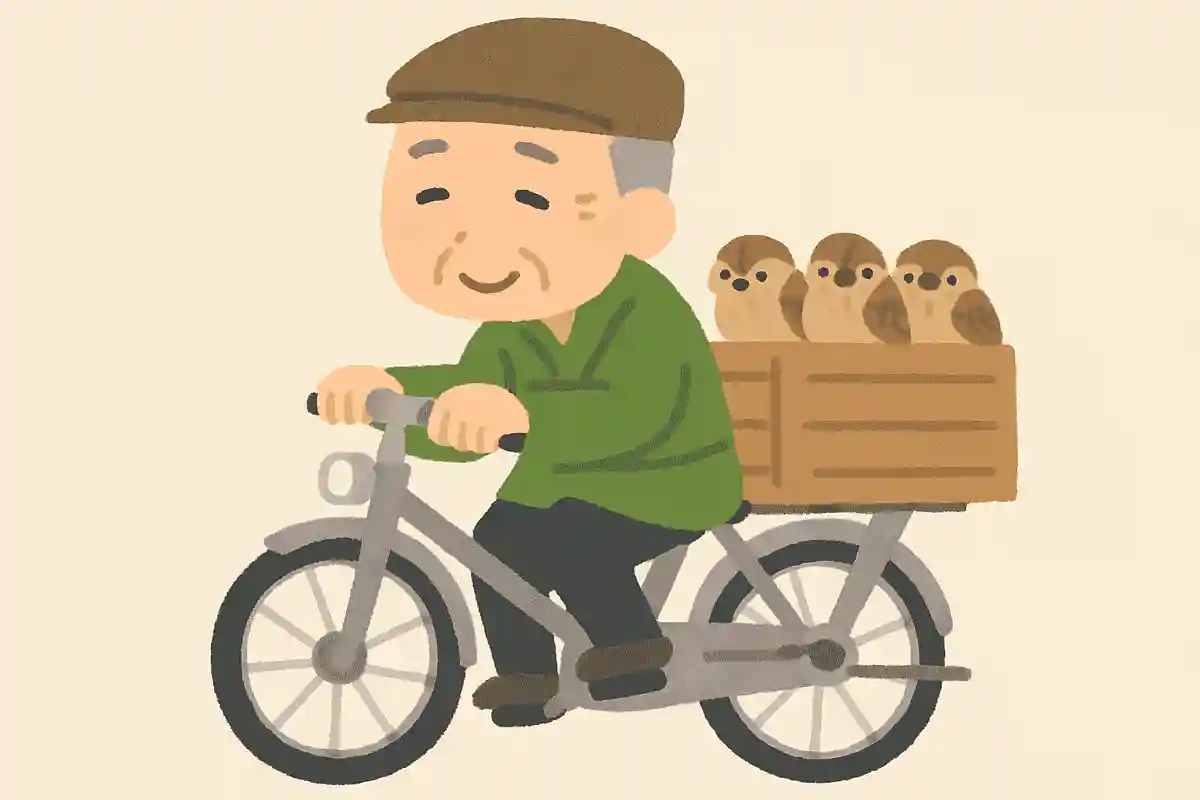
When it comes to keeping animals, I think the modern image is strongly associated with getting them from a pet shop.
What kinds of creatures, once sold by bicycle—a sight that has faded with the times—were there? The hint is that they’re small enough to carry by bike, and you might also see them at festivals.
The answer is goldfish.
They were reportedly sold along with glass bowls for keeping them, accompanied by vendors’ distinctive, drawn-out calls.

[For Seniors] Fun and Useful Trivia Quiz Collection (121–130)
This event, held in Kyoto every year on August 16th, involves lighting fires on the mountains in the sequence of “Daimonji,” “Myoho,” “Funagata,” “Hidari Daimonji,” and “Toriigata.” What is this event called?
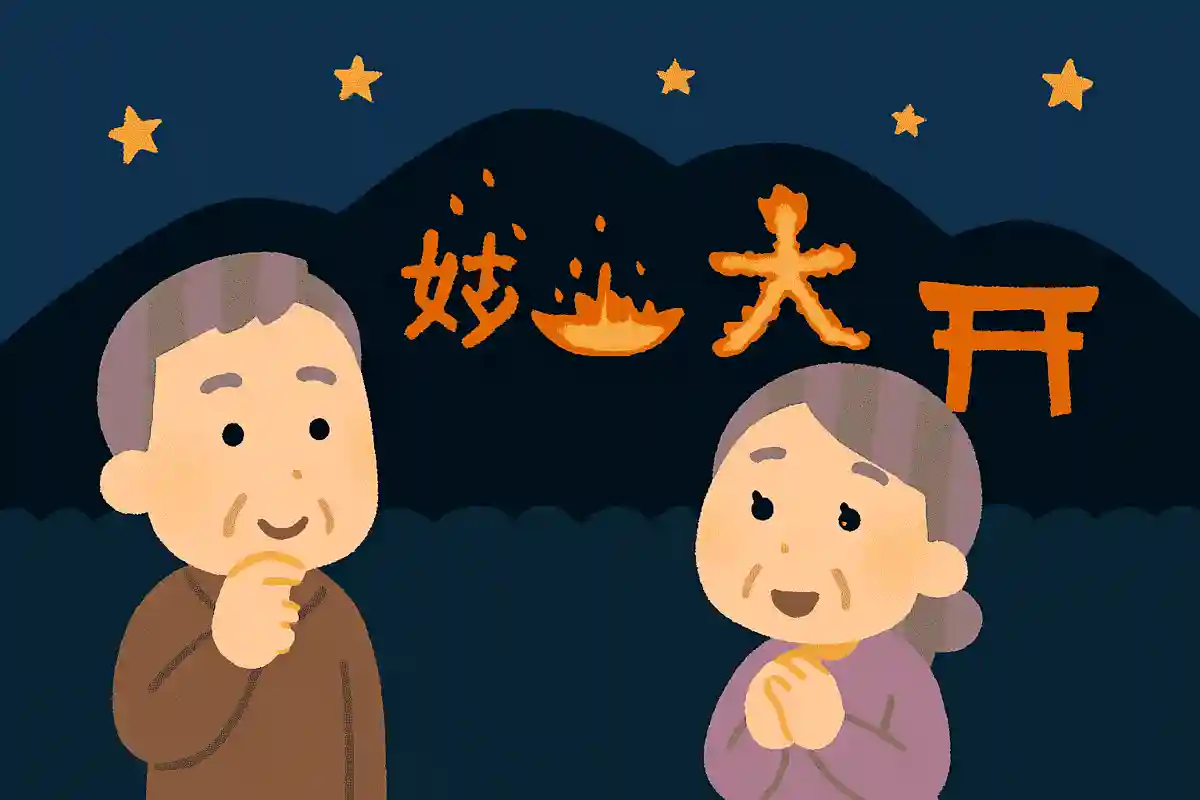
What is the name of the event in which fires are lit on the mountains in Kyoto every year on August 16, in the order of “Daimonji,” “Myōhō,” “Funagata,” “Hidari Daimonji,” and “Toriigata”? The answer is “Gozan no Okuribi.” It is a famous traditional summer event in Kyoto, held to send off the spirits of Obon.
Every year, many people visit Kyoto as tourists to see this event.
It is often broadcast on television, and the characters of fire flickering in the darkness are beautiful and feel very powerful.
It’s an Obon event that many would want to see at least once.

What is the reason your head gets an intense, sharp pain when you eat cold things like ice or ice cream?
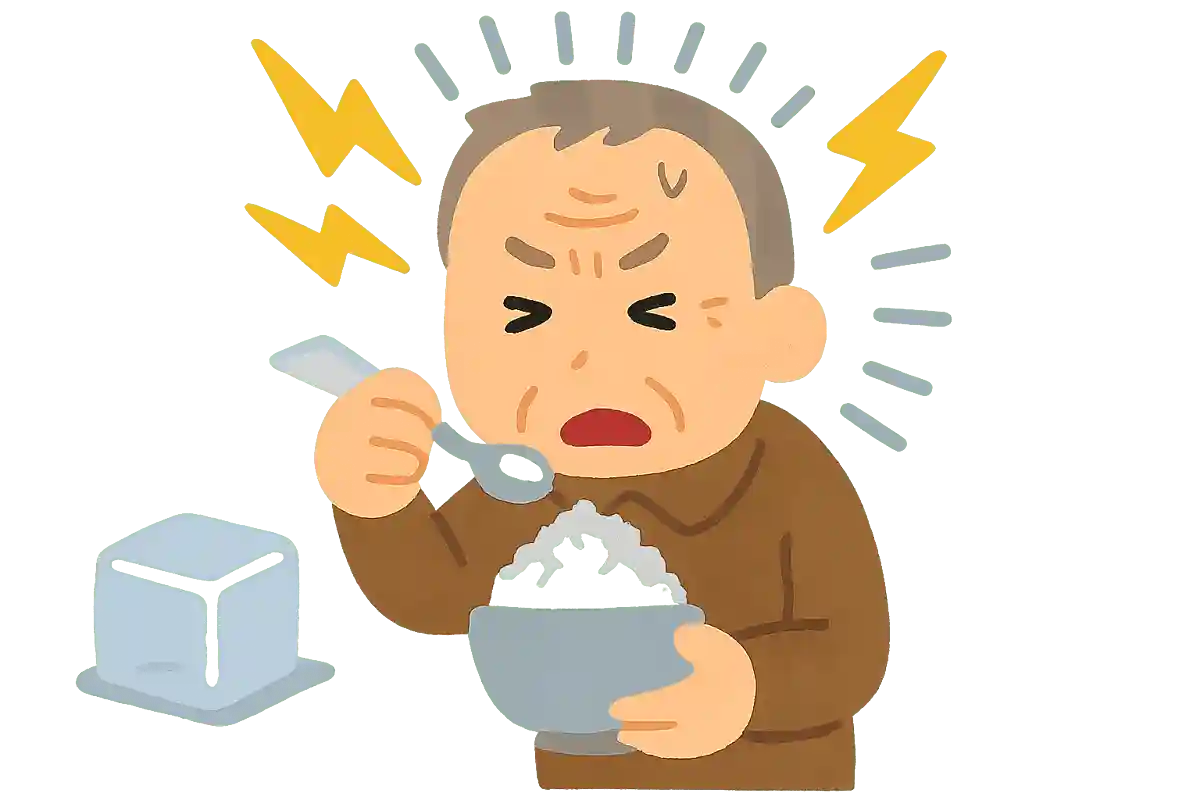
Many older adults have probably experienced that sharp, piercing headache after eating shaved ice or ice cream on a hot summer day.
But why does that happen? It’s puzzling, isn’t it? The short answer is: it’s your brain being fooled! When something cold passes through your throat, the brain mistakes the cold sensation for pain.
This phenomenon even has a name: “ice cream headache.” On hot days you might want to gobble things down to feel the chill quickly, but eating slowly and calmly can help prevent it!

What happens if you heat ice in a microwave?
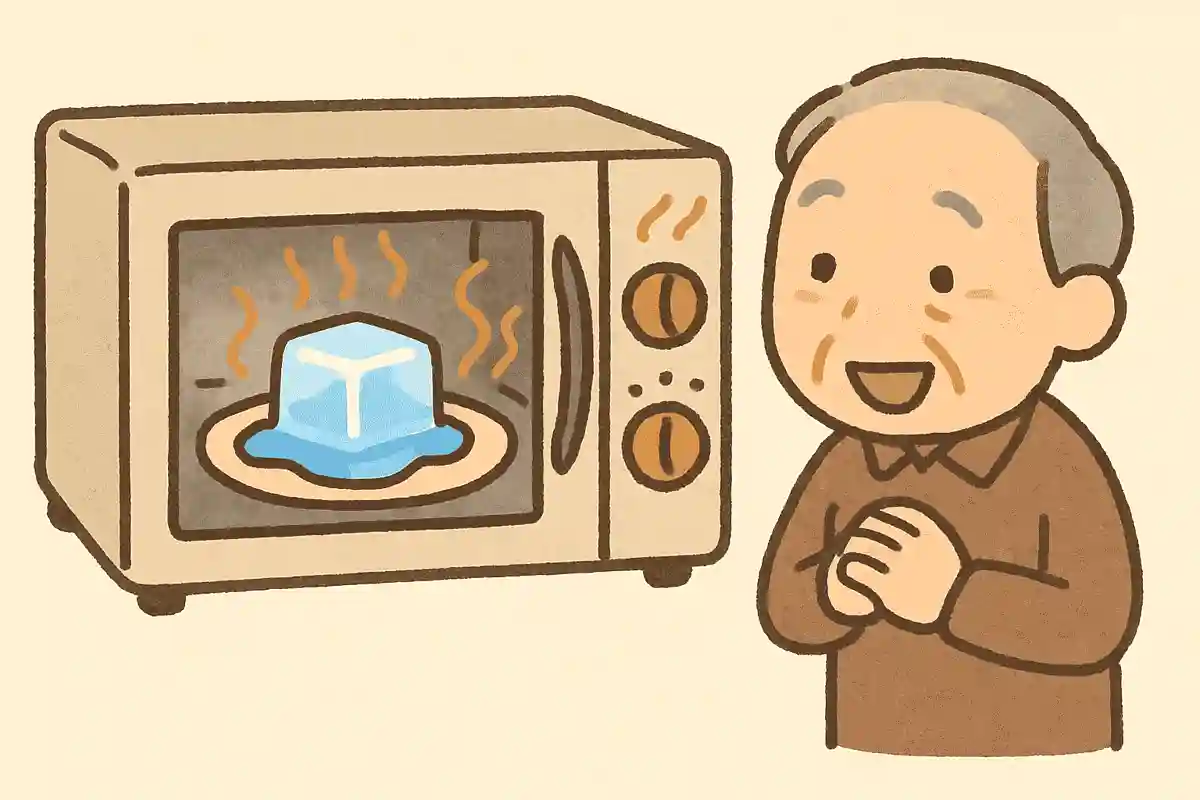
What happens when you microwave rock-hard ice? You might imagine it melting into water or shattering into pieces.
In fact, the answer is: it doesn’t change.
A microwave oven emits microwaves at a frequency of 2,450 megahertz from a device called a magnetron.
In liquid water, when microwaves hit, the water molecules quickly become agitated, collide with each other, and generate heat.
But in ice, the water molecules are arranged in a very rigid structure, so even when microwaves strike them, they don’t easily start moving around.
As a result, ice doesn’t heat up much in a microwave.

In the Edo period, what was bush warbler droppings used for?
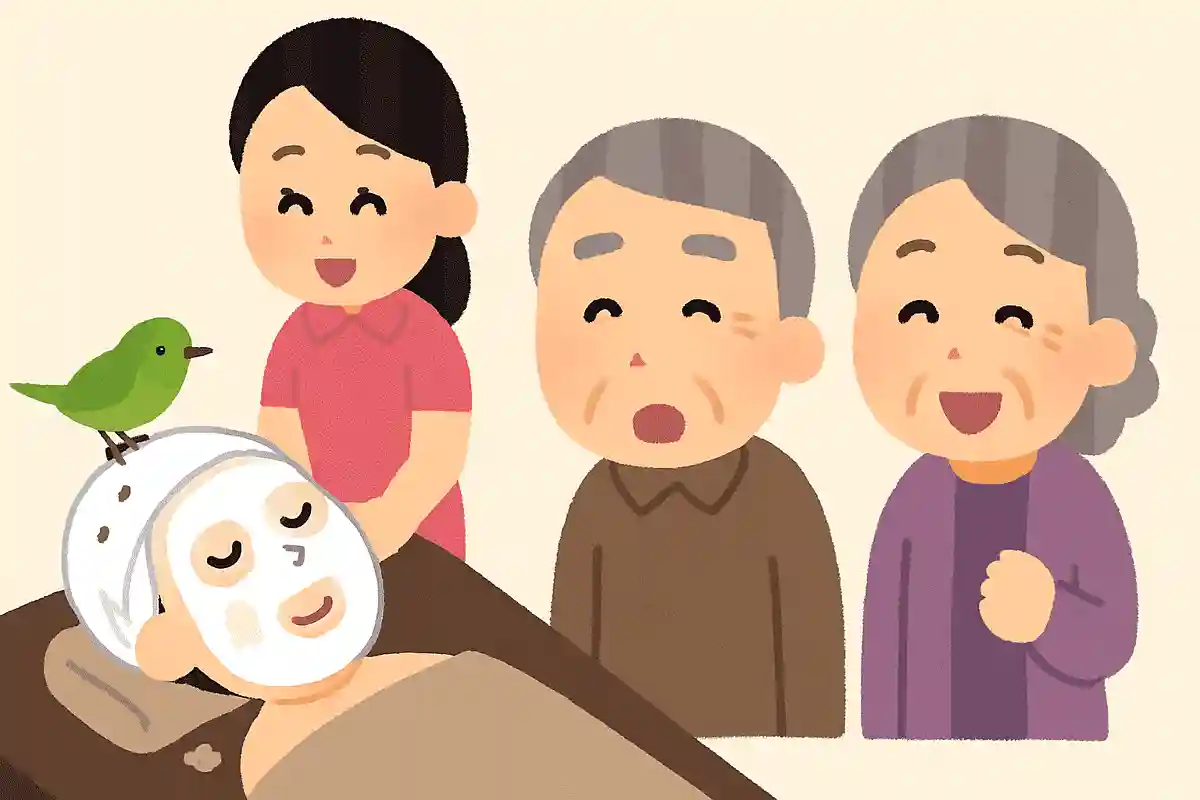
The bush warbler, which sings beautifully with a “hoo-hokekyo,” had its droppings used for something in the Edo period.
The answer is cosmetics.
In Japan, they had long been used to remove stains from silk fabrics, but by the Edo period they were also used for beauty.
Dried and powdered bush warbler droppings were said to reduce fine wrinkles, refine skin texture, and contain skin-brightening enzymes—and are apparently still used today.
What is the source of tears?
When we’re sad, happy, or deeply moved.
Older adults who have lived long lives have shed all kinds of tears, haven’t they? So what exactly are tears to begin with? Because they look like clear water, we tend to assume they’re just the body’s fluids, but that’s not actually the case.
Here’s a hint: it’s something even older adults have definitely seen before, and it isn’t transparent.
The answer is blood! Tears are said to flow after components like hemoglobin—the red parts—are removed from the blood, which is why they don’t appear red but come out clear.
Nails are part of a certain part of the body. Where on the body are they?
You might think a nail is just a nail, but in fact it’s simply a part of another part of the body.
So, what exactly is it? Rather than overthinking it, it might help to go with the first body part that comes to mind.
The straight answer: skin! Nails are formed when the skin hardens and changes, becoming something harder and different from soft skin.
By the way, if you lose your nails, you may have trouble gripping objects properly, protecting your fingertips, and—in the case of toenails—keeping your body stable.
So take good care of them.