

[For Seniors] Haiku for March: Enjoying a Spring Moment with Famous Verses


As March arrives, the days gradually grow warmer, and there are more moments when we can feel the coming of spring.
Haiku that capture these seasonal changes in the 5-7-5 form are perfect for recreational activities for older adults.
Famous verses that depict March’s unique scenes—such as the Doll’s Festival, fields of rapeseed blossoms, and the song of the bush warbler—carry a comforting warmth that soothes the heart just by reading them.
This time, we will introduce March haiku, focusing on approachable poets like Kobayashi Issa and Masaoka Shiki.
Why not savor a spring moment while recalling nostalgic landscapes?
- [For Seniors] Spring Haiku. Spring Activity
- [For seniors] April haiku. Exciting
- Spring Event Quiz for Seniors to Enjoy in March
- [For Seniors] Summer Haiku: Ideas to Feel the Season
- [For Seniors] Making a March Calendar: Introducing Spring-Themed Motifs and Arrangements
- [March Health Topic] Introducing Recreational Activities for Seniors!
- [For Seniors] Interesting spring haiku: introducing verses with striking kigo and unique expressions
- [For Seniors] Haiku for February: A Collection of Famous Verses Depicting the Transition from Winter to Spring
- [For seniors] Classic spring kigo: beautiful words that evoke the season
- [Elderly] Feel the Arrival of Spring with Snack Activities! Recommended Menus for March
- [For Seniors] Songs to Hum in March: Heartwarming Moments with Nostalgic Classics that Evoke Spring
- [For Seniors] Famous Haiku About January: Learn New Year Season Words and Tips for Composing
- [For Seniors] Haiku Introductions for May: A Fun Recreation Activity
[For Seniors] Haiku for March: Enjoying a Spring Moment with Famous Verses (1–10)
A shadow of a person, having reflected, passes— the water grows warmKyoshi Takahama
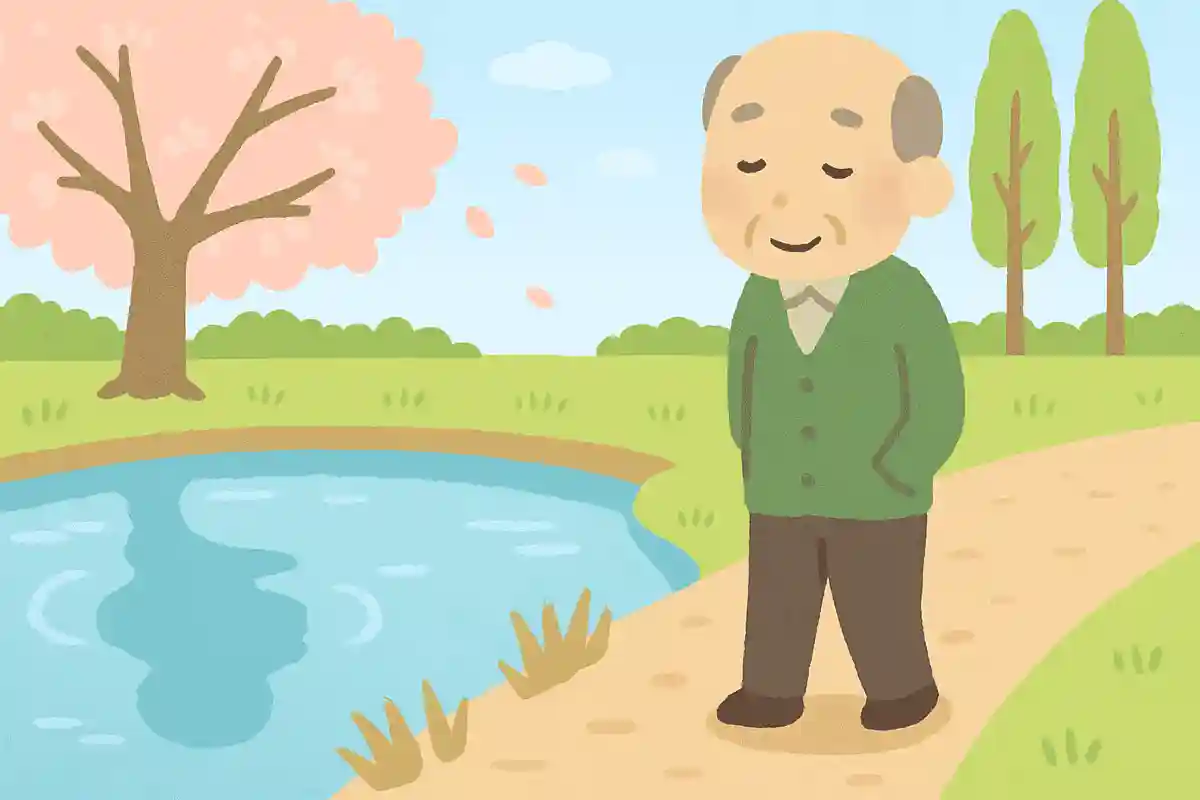
When spring comes, the cold eases, the ice on rivers and ponds melts, and it becomes a season when warmth can be felt even from the water.
Perhaps Takahama Kyoshi, who composed this haiku, also sensed the arrival of spring from small changes outdoors.
Nowadays, the year is sometimes described as having not four seasons but two, yet it’s still lovely to try composing verses about the changing seasons.
When you go for a walk with older adults, try looking for signs of spring—like new leaves budding on the trees or the song of the bush warbler.
Noticing these seasonal changes can help recall past memories and spark broader conversation.

In the spring breeze, embracing my fighting spirit, I stand upon the hill.Kyoshi Takahama
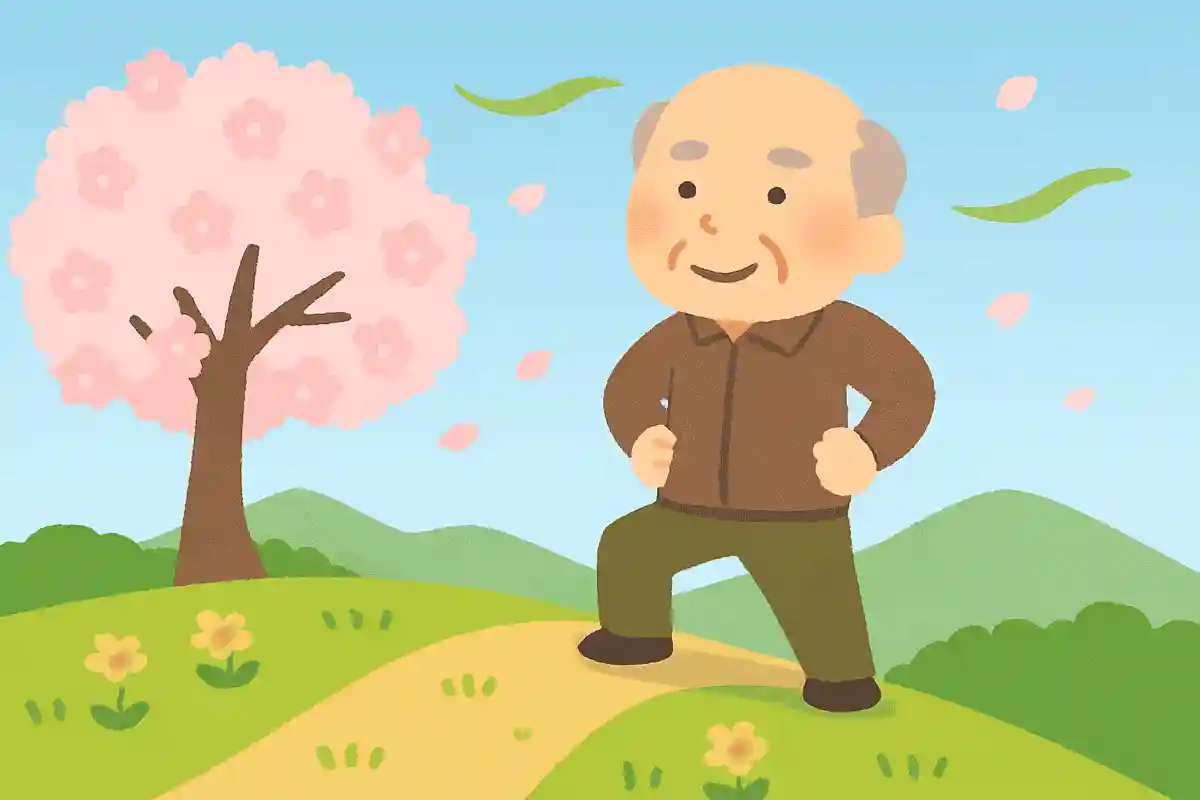
When we think of the spring breeze, it gives a warm and gentle impression, doesn’t it? It’s also the time of year when we graduate from familiar places and dive into new environments.
With that in mind, it starts to feel like a wind that carries many different emotions.
This haiku was written by Takahama Kyoshi.
It’s said that around the time he composed this haiku, he made a certain resolve and took on a new challenge as well.
March marks the period when the new fiscal and school year is about to begin.
Perhaps even older adults are setting goals and dreams.
It might be enjoyable to express those feelings in verse, weaving in seasonal words.
Rainy as it is—already mid-March, huh.Mantarō Kubota
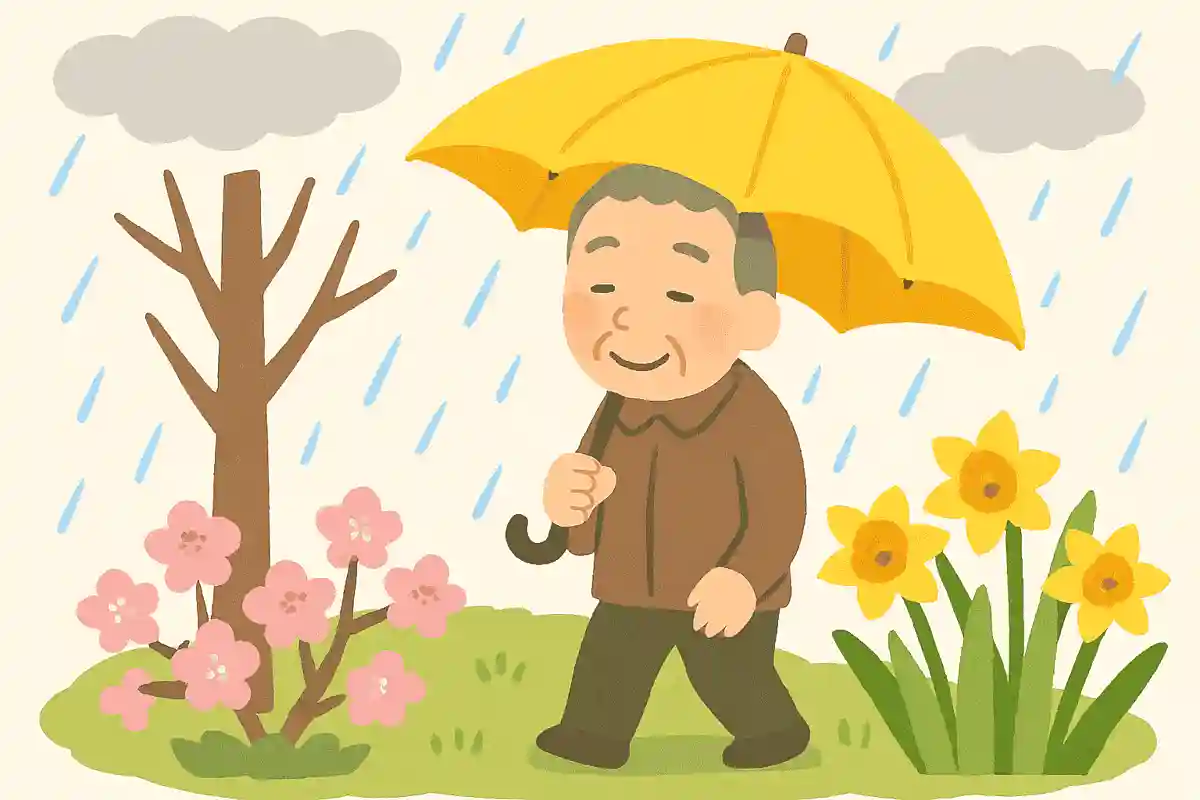
This haiku expresses a sense of loneliness as the busy season of spring moves along, while watching the rain start and stop.
Even though spring is advancing, what’s depicted here is March, so the rain conjured is cold, which heightens the feeling of melancholy.
The phrase noting that it’s already mid-March is also key; it conveys the speed of time, which slips by quickly if you let your guard down.
Because the poem portrays loneliness throughout, it also seems to carry a message about cherishing time.

[For Seniors] March Haiku: Enjoy a Spring Moment with Famous Verses (11–20)
Evening swallow—there is no plan for me for tomorrow.Kobayashi Issa
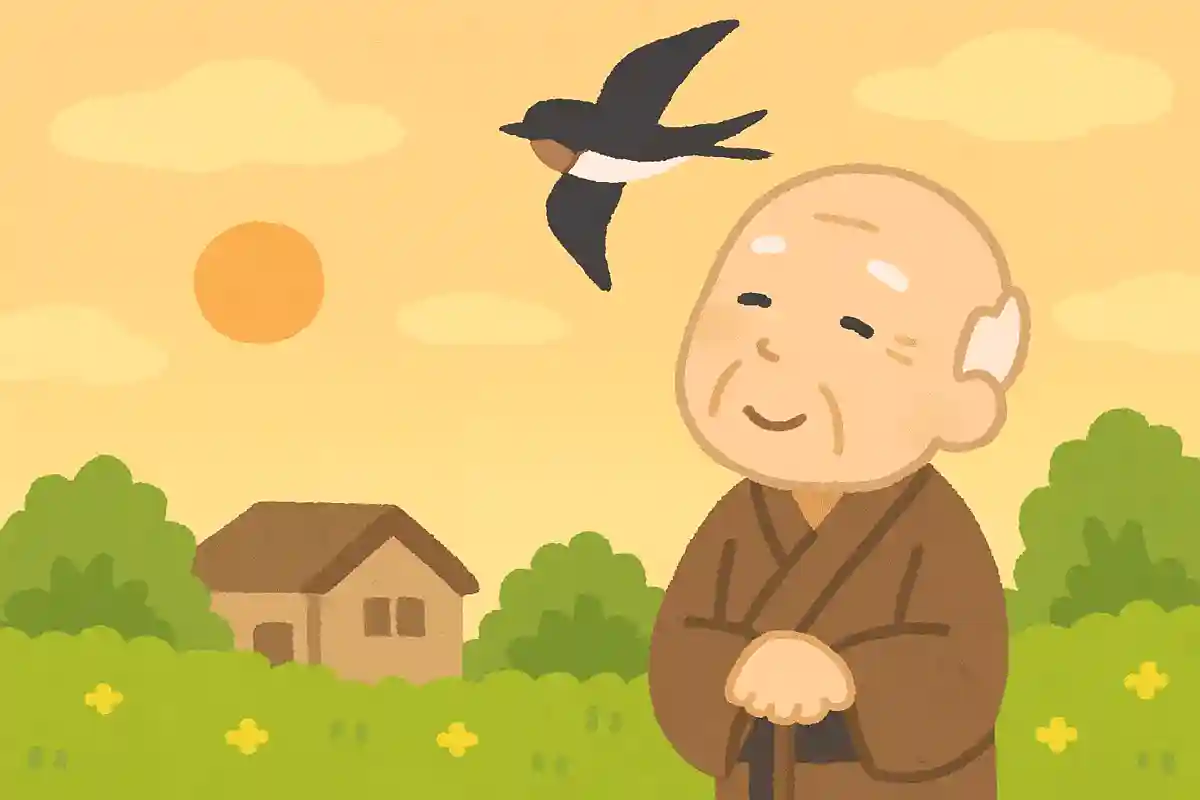
Yūtsubame refers to swallows that fly at dusk.
While swallows have nests to return to, Kobayashi Issa likely had no place to stay that night.
Perhaps he is quietly speaking to the swallows, sharing his loneliness and anxiety.
Issa lost his birth mother at the age of three, and although he gained a new mother at eight, he could not adapt and was sent out to work as a servant.
Maybe such feelings lie deep within him as well.
It’s a piece perfectly suited to March, the graduation season.

Though unlike my face, let a verse burst forth—first cherry blossomsMatsuo Bashō
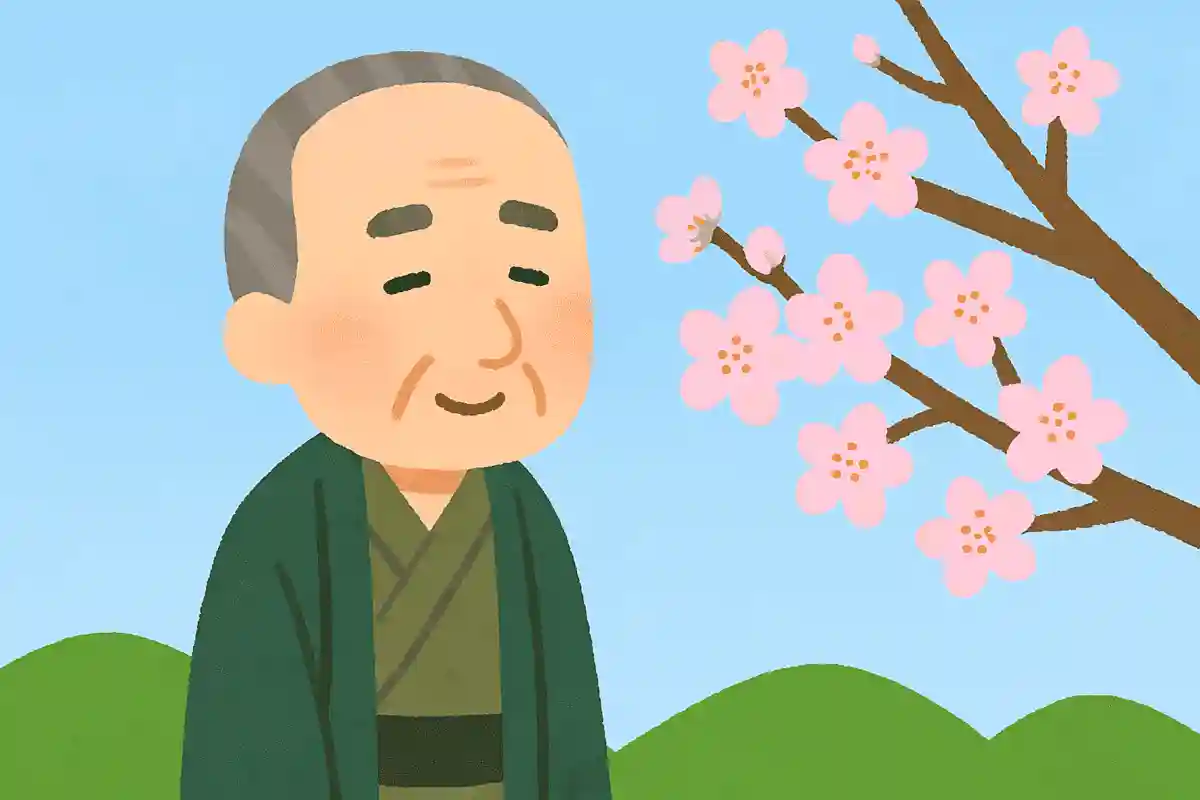
This haiku depicts how I and my disciples have grown older, while also conveying the beauty of cherry blossoms that transcends age.
It suggests that when expressing the beauty of the season’s first blossoms, words may leap out that seem unfitting for a face marked by years.
It also feels like guidance to the disciples: that youthful language is better suited to describing the first cherry blossoms.
The piece seems to carry a technique for handling the sense of age embedded in words—how to control it and shape its effect.
First thunder— startle at everything, just out of illnessMasaoka Shiki
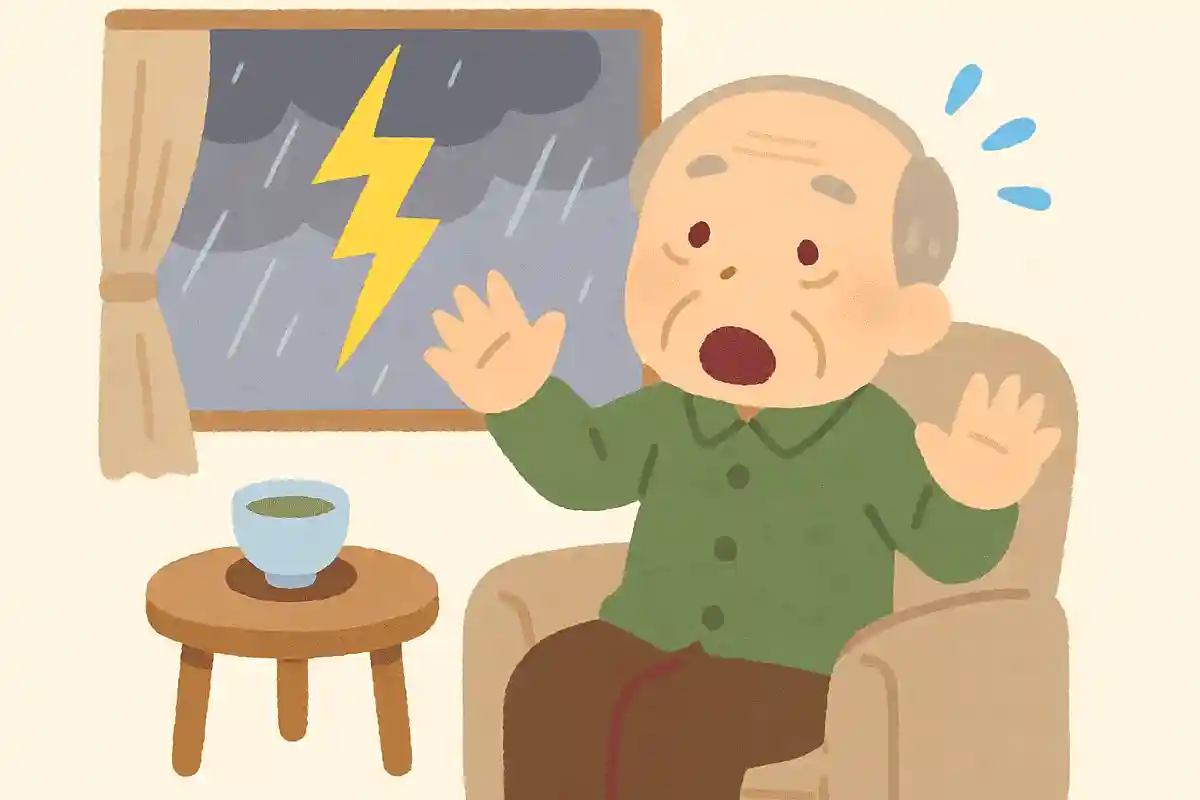
The first thunder that occurs after the start of spring (Risshun) is called hatsu-rai, “the first thunder.” Because insects, startled by this thunder, are said to come out of their holes, it’s also known as “insect-summoning thunder.” In this haiku, could it be Masaoka Shiki—just recovering from illness—who is startled out by that first thunder? March often brings health troubles due to temperature swings and changes in our environment.
Reading this haiku makes us more mindful of our health, while also letting us feel that the signs of spring are just around the corner.
Do try reading it in March to savor the season.
A snake leaves its hole—spring water on the stone wallKawahigashi Hekigoto
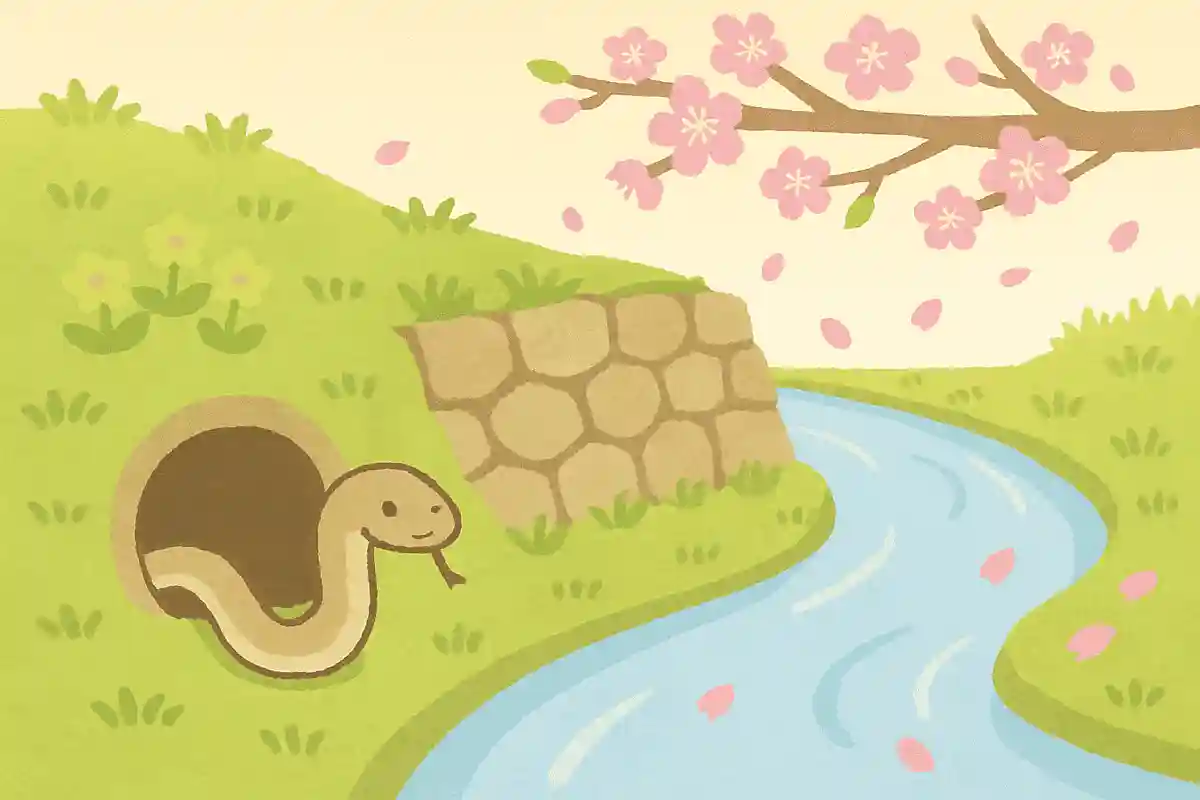
This haiku expresses the arrival of spring through the image of a snake awakening from hibernation and crawling out of a hole in a stone wall.
The fact that it emerges from a sunlit stone wall is also key, and by overlapping the snake’s movement with that setting, the warmth is conveyed.
The “spring water” that appears at the end also suggests melting snow, clearly expressing the shift from winter to spring.
Because the scenery is depicted so plainly, the warmth embedded within it can be felt directly.