

[For Seniors] Haiku for March: Enjoying a Spring Moment with Famous Verses


As March arrives, the days gradually grow warmer, and there are more moments when we can feel the coming of spring.
Haiku that capture these seasonal changes in the 5-7-5 form are perfect for recreational activities for older adults.
Famous verses that depict March’s unique scenes—such as the Doll’s Festival, fields of rapeseed blossoms, and the song of the bush warbler—carry a comforting warmth that soothes the heart just by reading them.
This time, we will introduce March haiku, focusing on approachable poets like Kobayashi Issa and Masaoka Shiki.
Why not savor a spring moment while recalling nostalgic landscapes?
- [For Seniors] Spring Haiku. Spring Activity
- [For seniors] April haiku. Exciting
- Spring Event Quiz for Seniors to Enjoy in March
- [For Seniors] Summer Haiku: Ideas to Feel the Season
- [For Seniors] Making a March Calendar: Introducing Spring-Themed Motifs and Arrangements
- [March Health Topic] Introducing Recreational Activities for Seniors!
- [For Seniors] Interesting spring haiku: introducing verses with striking kigo and unique expressions
- [For Seniors] Haiku for February: A Collection of Famous Verses Depicting the Transition from Winter to Spring
- [For seniors] Classic spring kigo: beautiful words that evoke the season
- [Elderly] Feel the Arrival of Spring with Snack Activities! Recommended Menus for March
- [For Seniors] Songs to Hum in March: Heartwarming Moments with Nostalgic Classics that Evoke Spring
- [For Seniors] Famous Haiku About January: Learn New Year Season Words and Tips for Composing
- [For Seniors] Haiku Introductions for May: A Fun Recreation Activity
[For Seniors] Haiku for March: Enjoying a Spring Moment with Famous Verses (21–30)
Pale-reddened, the faces line up—peach wine.Masaoka Shiki

Masaoka Shiki left behind striking haiku that depict nature and events just as they are seen.
In “Pale-reddened faces lined in a row—peach wine,” you can sense people sharing drinks during the March Peach Festival.
Because they have been drinking, everyone’s cheeks seem to have turned red.
You can also picture a family celebrating the festival with a seven-tiered display of Hina dolls and a table of delicacies.
The atmosphere of the moment comes through, and calling it “peach wine” further conveys a gentle, harmonious setting.
It’s a haiku that lets you feel both the warmth of the season and the warmth of the heart.

The path I have come—sunlight over a field where pieris (andromeda) blooms.Akiko Mizuhara

Let me introduce the haiku by Mizuhara Shuoshi: “Kishikata ya / ashibi saku no no / hi no hikari.” Ashibi (Japanese andromeda) is a seasonal word that signifies spring.
In spring, ashibi bears small, delicate white blossoms, but the plant is poisonous and even animals don’t eat it.
This haiku was composed when Mizuhara Shuoshi was visiting Nara.
Around Kasuga Taisha in Nara, the deer don’t eat ashibi, so it grows in abundance.
For that reason, ashibi has become a symbol of Nara.
Shuoshi himself felt a strong longing for Nara, so he likely wove ashibi into the path he had walked and embedded it in his haiku.
It’s also lovely to think one can say one’s life is like the light of a spring day.
[For Seniors] Haiku for March: Enjoying Spring Moments with Famous Verses (31–40)
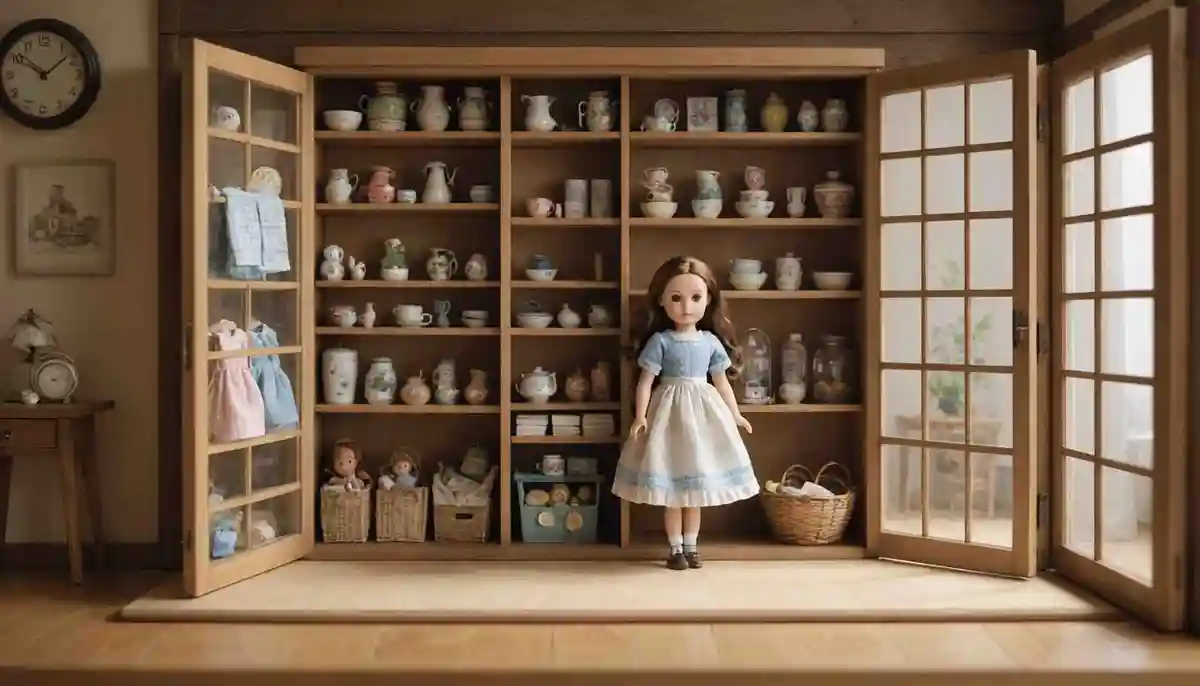
From afar, the tiered platform and the sliding screens have been purified.Akiko Mizuhara
Akitoshi Mizuhara was active from the Taisho era through the late Showa period.
He was both a haiku poet and a physician.
He is said to have captured each person’s unique perspectives and emotions in his haiku.
“On the doll tiers, the sliding doors swept away—from far off” refers to the Hina dolls displayed for the Girls’ Festival.
From the phrase “from far off,” it seems they were not the single-tier displays that are common today.
They may have been splendid three-, five-, or seven-tiered arrangements.
It appears the household removed the fusuma (sliding doors) so the dolls could be seen not only by the family but also from outside.
This haiku evokes a gentle image of the March Hina Matsuri.
March— a hill of thatch glowing crimson with madder-dyed lightRyūnosuke Akutagawa

Ryunosuke Akutagawa, known for works such as Rashomon, was a leading novelist of the Taisho era, and his achievements are honored today through the Akutagawa Prize, which bears his name.
He was also active as a haiku poet, studying under Natsume Soseki and said to have been strongly influenced by Matsuo Basho and Masaoka Shiki.
This haiku describes a scene he observed while staying at a hot spring inn in Yugawara.
Rendered in contemporary language, it means: It’s now March.
Sunlight gleams on a rounded heap of thatch—how beautiful.
It reminds us to cherish the richness of a heart that can feel the touch of spring and find beauty in the ordinary moments of daily life.

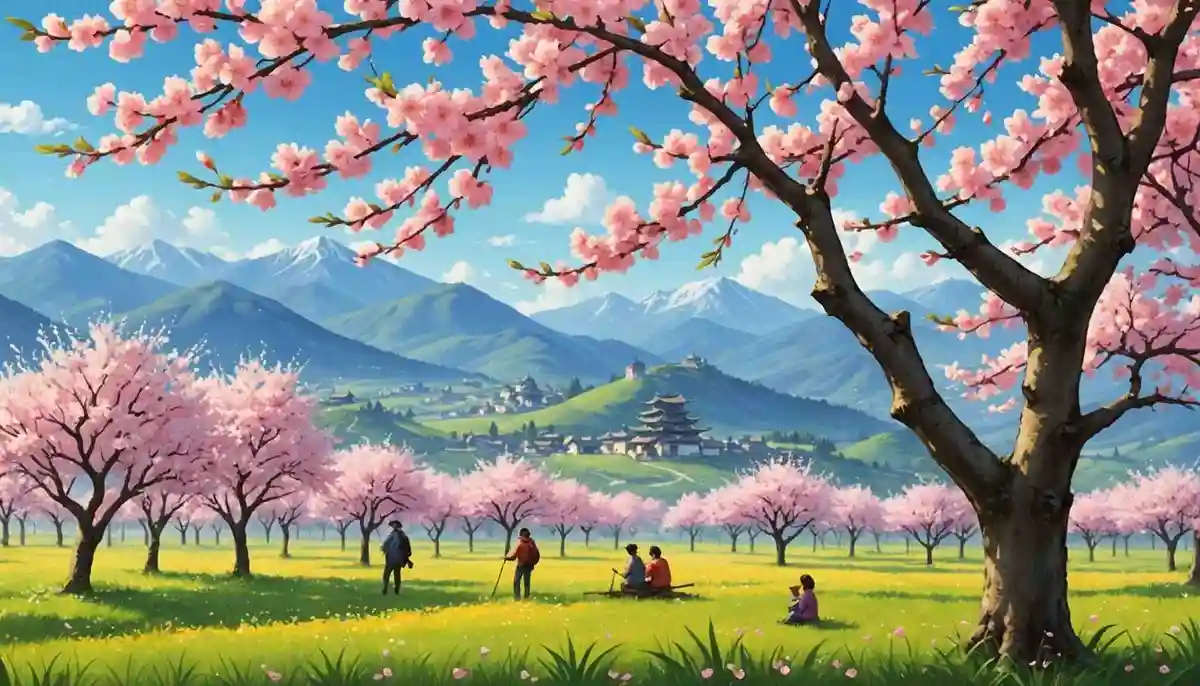
Out in the fields, everyone is kind—peach blossoms.Takano Soju
Soju Takano, who was both a forensic doctor and a haiku poet, was active from the Taisho to the Showa era.
In his haiku “When I go out to the fields, everyone is kind—peach blossoms,” he writes that many people smile gently in the springtime warmth.
Indeed, on warm spring days, our hearts calm and more of us find ourselves smiling.
Yet, when we consider the background in which this haiku was composed, a different nuance emerges.
Takano wrote it while studying alone in Germany.
You can sense how happy he was to connect with people living in the German countryside, even though he knew no one there.
In our world, even the grass around here turns into rice cakes.Kobayashi Issa

Kobayashi Issa is one of the representative haiku poets of the Edo period.
His work is characterized by frequent depictions of everyday events and landscapes.
Put into modern language, this poem conveys that after enduring the cold, harsh winter, warmth returns, even the grasses around become edible, and everything seems to be going well for me.
It evokes the buoyant feeling that comes with spring, a brook flowing with snowmelt, mugwort growing along its banks, and Issa himself picking it.
It’s a scene that readers can easily picture, fostering a sense of familiarity.
In conclusion
The haiku of March hold feelings of joy for the arrival of spring and the warm scenes of the Doll Festival. When enjoyed together with older adults, they can create moments where conversation naturally flows as you sense the changing seasons. Through the breath of spring captured by the haiku poets, may you spend a gentle, heart-enriching time.