

[For Seniors] Haiku for March: Enjoying a Spring Moment with Famous Verses


As March arrives, the days gradually grow warmer, and there are more moments when we can feel the coming of spring.
Haiku that capture these seasonal changes in the 5-7-5 form are perfect for recreational activities for older adults.
Famous verses that depict March’s unique scenes—such as the Doll’s Festival, fields of rapeseed blossoms, and the song of the bush warbler—carry a comforting warmth that soothes the heart just by reading them.
This time, we will introduce March haiku, focusing on approachable poets like Kobayashi Issa and Masaoka Shiki.
Why not savor a spring moment while recalling nostalgic landscapes?
- [For Seniors] Spring Haiku. Spring Activity
- [For seniors] April haiku. Exciting
- Spring Event Quiz for Seniors to Enjoy in March
- [For Seniors] Summer Haiku: Ideas to Feel the Season
- [For Seniors] Making a March Calendar: Introducing Spring-Themed Motifs and Arrangements
- [March Health Topic] Introducing Recreational Activities for Seniors!
- [For Seniors] Interesting spring haiku: introducing verses with striking kigo and unique expressions
- [For Seniors] Haiku for February: A Collection of Famous Verses Depicting the Transition from Winter to Spring
- [For seniors] Classic spring kigo: beautiful words that evoke the season
- [Elderly] Feel the Arrival of Spring with Snack Activities! Recommended Menus for March
- [For Seniors] Songs to Hum in March: Heartwarming Moments with Nostalgic Classics that Evoke Spring
- [For Seniors] Famous Haiku About January: Learn New Year Season Words and Tips for Composing
- [For Seniors] Haiku Introductions for May: A Fun Recreation Activity
[For Seniors] March Haiku: Enjoy a Spring Moment with Famous Verses (11–20)
Rapeseed blossoms, happily yellowingAyako Hosomi
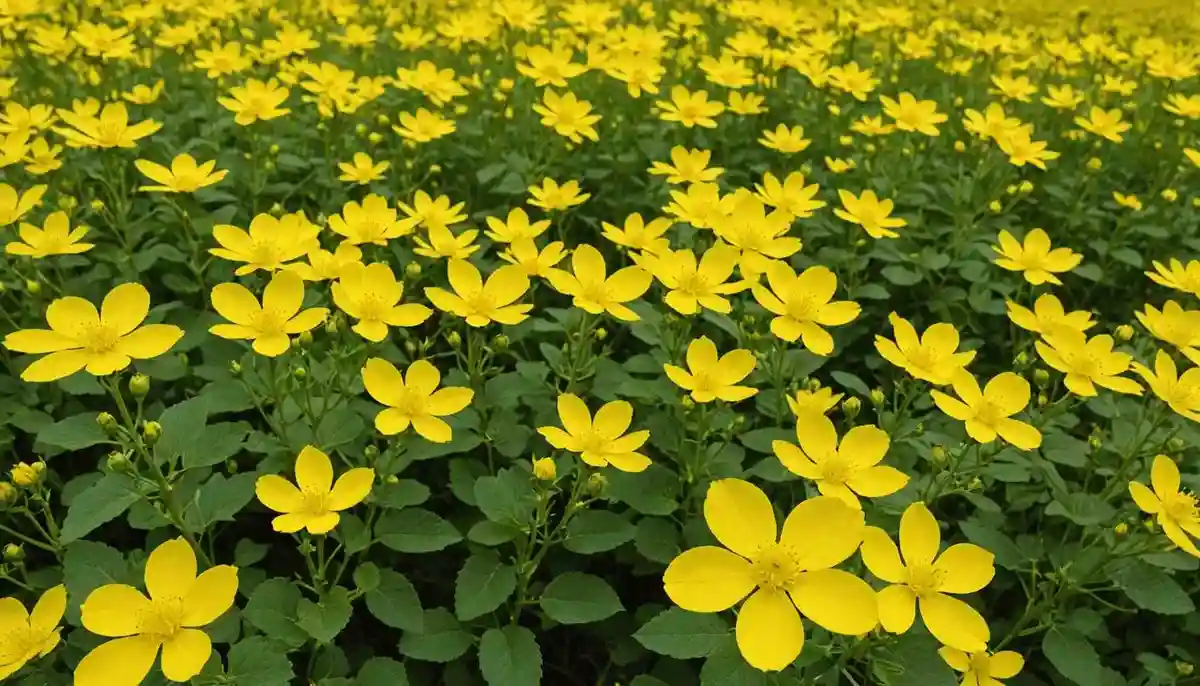
Here is an introduction to Ayako Hosomi’s haiku, many of which are intuitive and centered on individual thoughts, emotions, and perspectives.
In “The rapeseed blossoms seem happy in their yellow,” you can imagine a scene where countless blossoms bloom under warm weather.
Looking at Ayako Hosomi’s life, however, allows for a different interpretation.
By her twenties, she had experienced partings from beloved family members due to illness and other reasons, and she herself spent a long period battling illness.
Unlike herself, the rapeseed flowers are in full bloom and appear happy, making this haiku feel strikingly contrastive.

March’s sweet bean candies— ufufufufuNenten Tsubouchi

Let me introduce a haiku by Toshinori Tsubouchi, renowned as a leading figure in contemporary haiku.
“In March— sweet adzuki beans— ufufufufu” portrays the moment of eating candied beans in March, when spring is in the air.
From the playful “ufufufufu,” you can sense the delighted, involuntary smile that comes from enjoying them.
That instant when you eat a favorite food, joy just wells up, doesn’t it? What’s more, it’s said that Tsubouchi likes sweet adzuki beans so much that he has haiku featuring them for all twelve months of the year.
It might be enjoyable to explore Tsubouchi’s world of haiku together with older adults while sharing some sweet adzuki beans.
In the plum blossom scent, all at once the sun rises on a mountain path.Matsuo Bashō
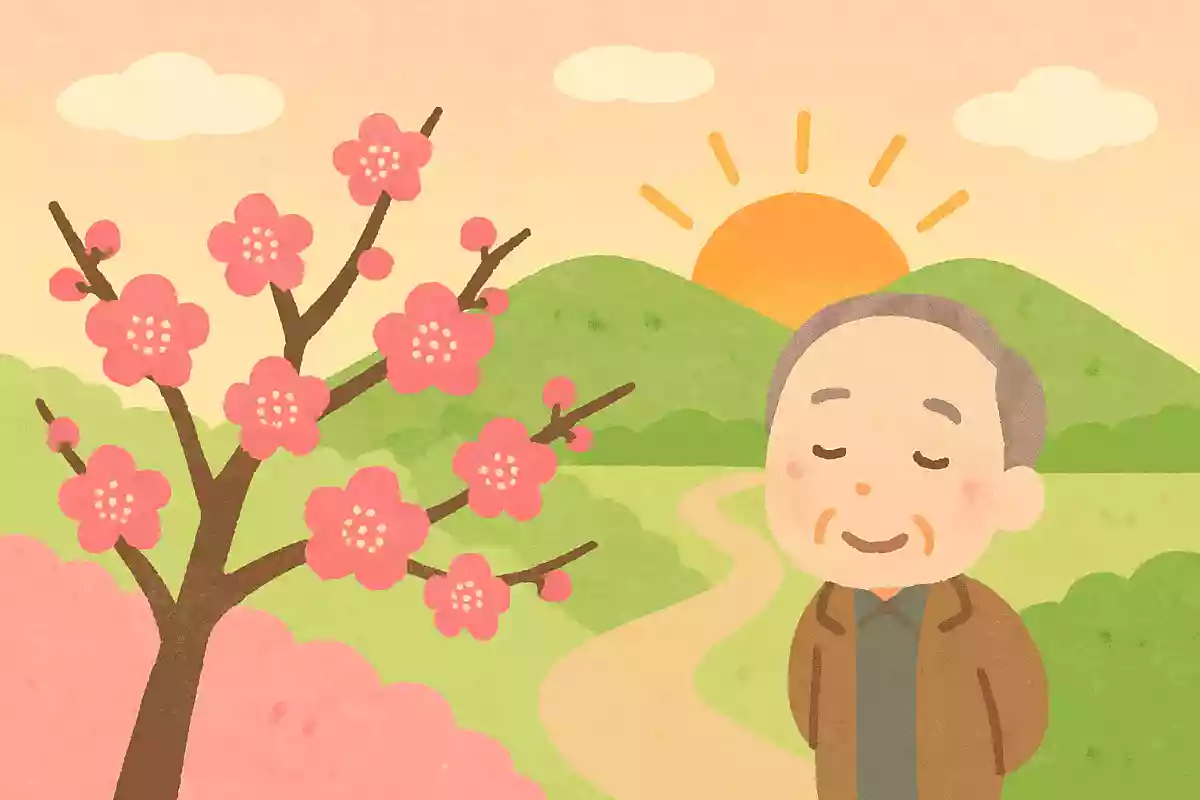
This is a haiku by the famous Matsuo Bashō, a haiku poet who was active in the Edo period.
It is said that he wrote this poem in the year he passed away.
The morning sun seems to peek out, lured by the scent of plum blossoms, and the onomatopoeic word ‘notto’ gives it a unique feel that really shows Bashō’s sensibility.
The contrast in texture with the plum fragrance is very intriguing—an unexpectedly fitting combination.
It’s also interesting how this short poem stimulates both the senses of smell and sight.

O the brightness when March’s voice calls.Fusei Tomiyasu

Here is a haiku by Tomeyasu Fūsei, a poet active from the Taishō to the Shōwa era.
“In March— a voice calls out— how bright it is.” This haiku evokes the gentle, warm signs of spring felt in March.
Until February, the wind can still be cold, and some regions may see snow.
Unlike February, which still carries traces of winter, March brings a feeling that everything around us seems brighter.
It’s curious, isn’t it, that simply turning the calendar to the next month can make such a difference.
Perhaps we feel this way thanks to Japan’s four distinct seasons.
Coming along the mountain path, I feel a curious longing—violets.Matsuo Bashō

Matsuo Bashō was a haiku poet who represents the Edo period and a great figure who elevated haiku to an art form on par with waka.
Bashō led a life of traveling and composing haiku.
It is said that on one occasion, while making his way from Kyoto through Fushimi to Ōtsu, he happened to notice violets blooming by the roadside and composed this verse.
In modern phrasing, it would be: While walking along a mountain path, I saw violets blooming by the roadside.
Somehow, they drew my heart.
Though not a showy flower, seeing it bloom modestly may have soothed the weariness of walking the mountain trail.

Every year, when the equinox begins, it’s cold.Masaoka Shiki

This is a haiku by Masaoka Shiki, a representative poet of the Meiji era.
There’s a saying, “Heat and cold last only until the equinox,” and this poem describes the beginning of the spring equinox period.
In modern terms, it means, “At the start of the equinox, the cold still lingers as it does every year.” It’s said to have been inspired when Shiki remarked to his mother, “It’s the start of the equinox, yet it’s cold,” and she replied, “It’s like this every year.” Thinking that even a great figure of modern literature like Masaoka Shiki had such everyday conversations somehow makes him feel more relatable.
[For Seniors] Haiku for March: Enjoying a Spring Moment with Famous Verses (21–30)
Spring sea— all day long, gently swaying, softly swaying.Yosa Buson

This is a haiku by Yosa Buson, a poet of the Edo period.
The opening words “spring sea” are a seasonal phrase that evokes the image of the calm sea in spring, conveying the season’s warmth and gentle light.
“Hinemosu” means all day long.
And the expression “notari notari” gently describes the slow, peaceful motion of waves lapping in and out.
When you read this verse, a scene comes to mind of the sea’s waves swaying leisurely all day on a balmy spring day.
Seeing this natural motion, Buson must have felt a serenity in which time flows slowly.
He put that feeling directly into words, creating a very gentle, tranquil poem.
