

[For Seniors] Haiku Introductions for May: A Fun Recreation Activity

When we think of May, it’s a season of refreshing new greenery and gentle, pleasant breezes.
This is the perfect time to enjoy haiku, as we can feel the changes in nature!
Haiku that capture the seasons can bring a sense of richness and refreshment to older adults as well.
Still, you might find yourself wondering, “What kind of haiku suit May?” or “How can I express the feeling of the season well?”
In this article, we’ll introduce haiku that are perfect for May!
Shall we enjoy the world of haiku together while feeling the beauty of nature and the seasons?
- [For Seniors] Interesting spring haiku: introducing verses with striking kigo and unique expressions
- [For Seniors] June Haiku Showcase: Ideas to Feel Summer
- [For Seniors] Enjoy May! Recommended Recreational Activities and Games
- [For Seniors] Haiku for March: Enjoying a Spring Moment with Famous Verses
- [For Seniors] Evoking autumn scenes: Introducing beautiful haiku for October
- [For Seniors] Enjoy May: A Collection of Seasonal Craft and Wall Decoration Ideas
- [For Seniors] Spring Haiku. Spring Activity
- [For Seniors] Haiku for September: Introducing Verses Perfect for Autumn
- [For Seniors] Haiku Selections for July: Ideas to Feel the Summer
- [For Seniors] Summer Haiku: Ideas to Feel the Season
- For Seniors: Snacks to Make in May That Capture the Season
- [For Seniors] A Collection of Famous Autumn Haiku: Introducing Beautiful Verses That Evoke Vivid Scenery
- [For seniors] April haiku. Exciting
[For Seniors] Haiku Introductions for May: Enjoyable Recreation (11–20)
Cherry leaves now— a traveler who stays two nights in Nara
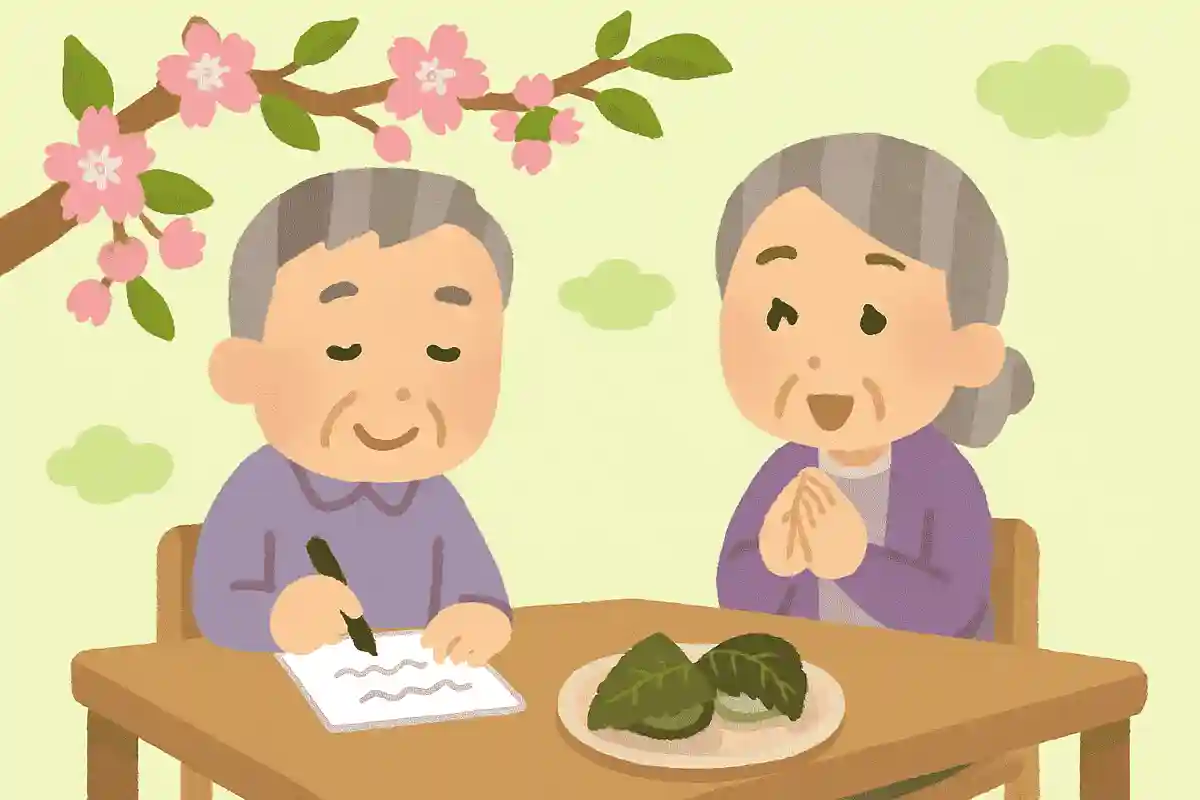
This haiku was composed by Yosa Buson.
He was a haiku poet of the mid-Edo period, and many older people have likely heard his name at least once.
The sight of flowers beginning to fall and fresh green leaves emerging has a beauty different from that of cherry blossoms in full bloom.
From the fresh green of the cherry tree, one can feel both the strong vitality that the leaves will grow even larger and a certain refined charm.
Unlike the peak season for cherry blossoms, the hazakura period—when the trees are leafing out—is not crowded.
That makes it possible to enjoy hazakura at a leisurely pace.
The haiku reminds us that there are beautiful landscapes appropriate to each season.

With early summer’s gentle warmth now come, how beautiful people are when they adorn themselves.
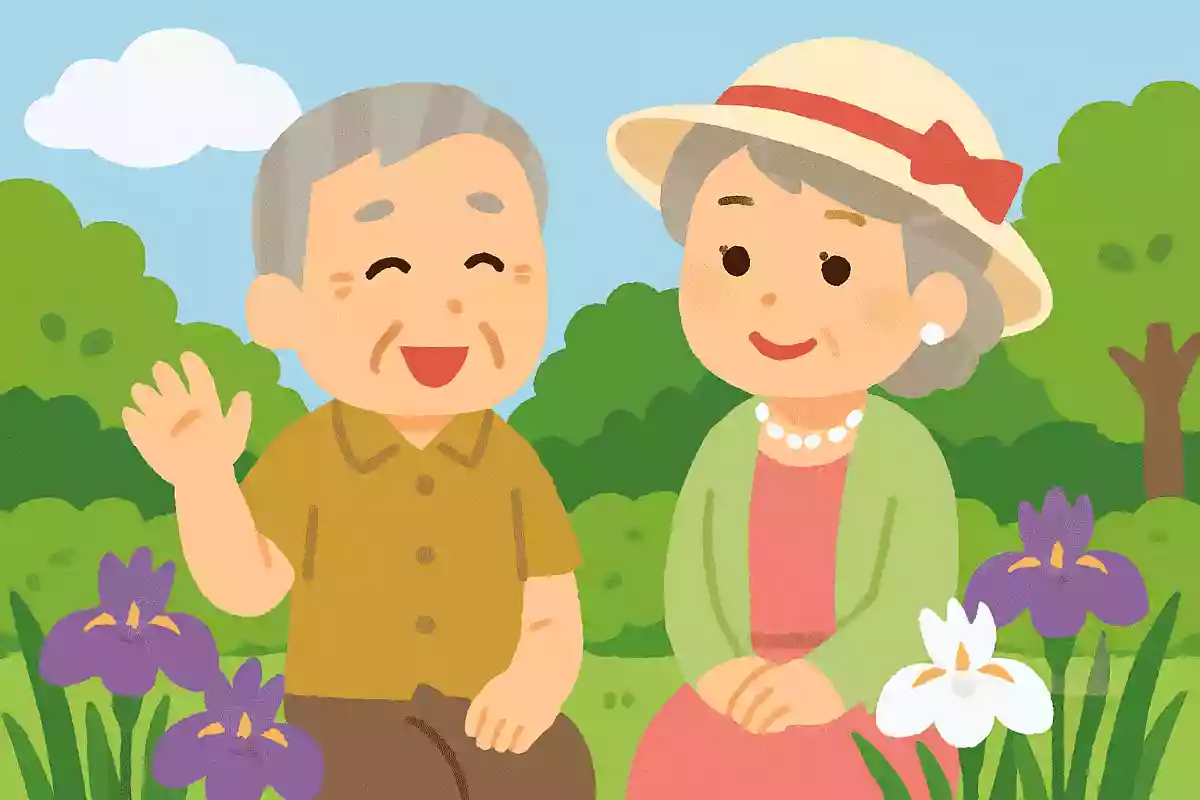
This is a haiku by Ritsuko Hoshino, a leading female haiku poet of the Showa era.
The term “薄暑” (hakusho) refers to the period from early May—after the start of summer on the traditional calendar—until around late May.
It’s the time when the pleasantly warm spring has passed and you begin to feel the heat.
The haiku depicts Hoshino’s visit to Paris, where she was the only person wearing a kimono on the streets.
Her kimono in that season of growing warmth must have conveyed a dignified beauty to those around her.
It’s a haiku that also suggests how striking the kimono looked against the scenery of a foreign land.
In the Kadokawa, floating weeds never cease—oh, May.

When you think of May, what kind of image comes to mind? Some of you may picture the season’s refreshing feel—lush new greenery and gentle weather.
You can also sense the atmosphere of May from Kawahigashi Hekigotō’s haiku: “At the gate river, the floating weeds never cease—ah, May.” Kawahigashi Hekigotō was a haiku poet active from the Meiji to the Showa eras and is celebrated alongside Takahama Kyoshi as one of Masaoka Shiki’s most outstanding disciples.
The haiku evokes a riverscape at a gate, glittering in the May sunlight, with the weeds in the water further enhancing the river’s beauty.
Sparrows too—fly across the sea, like a streaming banner.

This haiku was composed by Hagiwara Ishida (Ishida Hakyo), a haiku poet active in the Showa era.
Because the haiku mentions a windsock, we can imagine the season when carp streamers are swimming across the wide sky.
Ishida Hakyo infused this haiku with hopes for a bright future for his child.
Around the time he wrote it, his first son was born, the Pacific War broke out, and he was drafted.
He may have written the haiku while thinking of a child he might never see again.
Ishida likens sparrows to his child and, through the haiku, sends a cheer that he hopes they will fly over the sea with strength and vitality.
In conclusion
Haiku themed around the nature and seasonal scenery of May add gentle color to the heart. Taking time to feel the seasons in our daily lives is a precious moment that brightens our mood and helps us look forward. Let the haiku introduced here be your prompt to turn your attention to the nearby natural world and everyday scenes, and enjoy composing haiku freely. May we continue to savor the beauty of each season and spend moments that enrich the heart.