

![[For Seniors] Haiku Introductions for May: A Fun Recreation Activity](https://media.ragnet.co.jp/img/1200__png__https://www.studiorag.com/files/2026/02/496dcd6cb9f89eafba5bdf7999e28c09.webp)

When we think of May, it’s a season of refreshing new greenery and gentle, pleasant breezes.
This is the perfect time to enjoy haiku, as we can feel the changes in nature!
Haiku that capture the seasons can bring a sense of richness and refreshment to older adults as well.
Still, you might find yourself wondering, “What kind of haiku suit May?” or “How can I express the feeling of the season well?”
In this article, we’ll introduce haiku that are perfect for May!
Shall we enjoy the world of haiku together while feeling the beauty of nature and the seasons?
- [For Seniors] Interesting spring haiku: introducing verses with striking kigo and unique expressions
- [For Seniors] June Haiku Showcase: Ideas to Feel Summer
- [For Seniors] Enjoy May! Recommended Recreational Activities and Games
- [For Seniors] Haiku for March: Enjoying a Spring Moment with Famous Verses
- [For Seniors] Evoking autumn scenes: Introducing beautiful haiku for October
- [For Seniors] Enjoy May: A Collection of Seasonal Craft and Wall Decoration Ideas
- [For Seniors] Spring Haiku. Spring Activity
- [For Seniors] Haiku for September: Introducing Verses Perfect for Autumn
- [For Seniors] Haiku Selections for July: Ideas to Feel the Summer
- [For Seniors] Summer Haiku: Ideas to Feel the Season
- For Seniors: Snacks to Make in May That Capture the Season
- [For Seniors] A Collection of Famous Autumn Haiku: Introducing Beautiful Verses That Evoke Vivid Scenery
- [For seniors] April haiku. Exciting
[For Seniors] Haiku Selections for May: Fun Recreation (1–10)
Bamboo shoots—where on earth did they come from, tossed by fickle fate?Kobayashi Issa
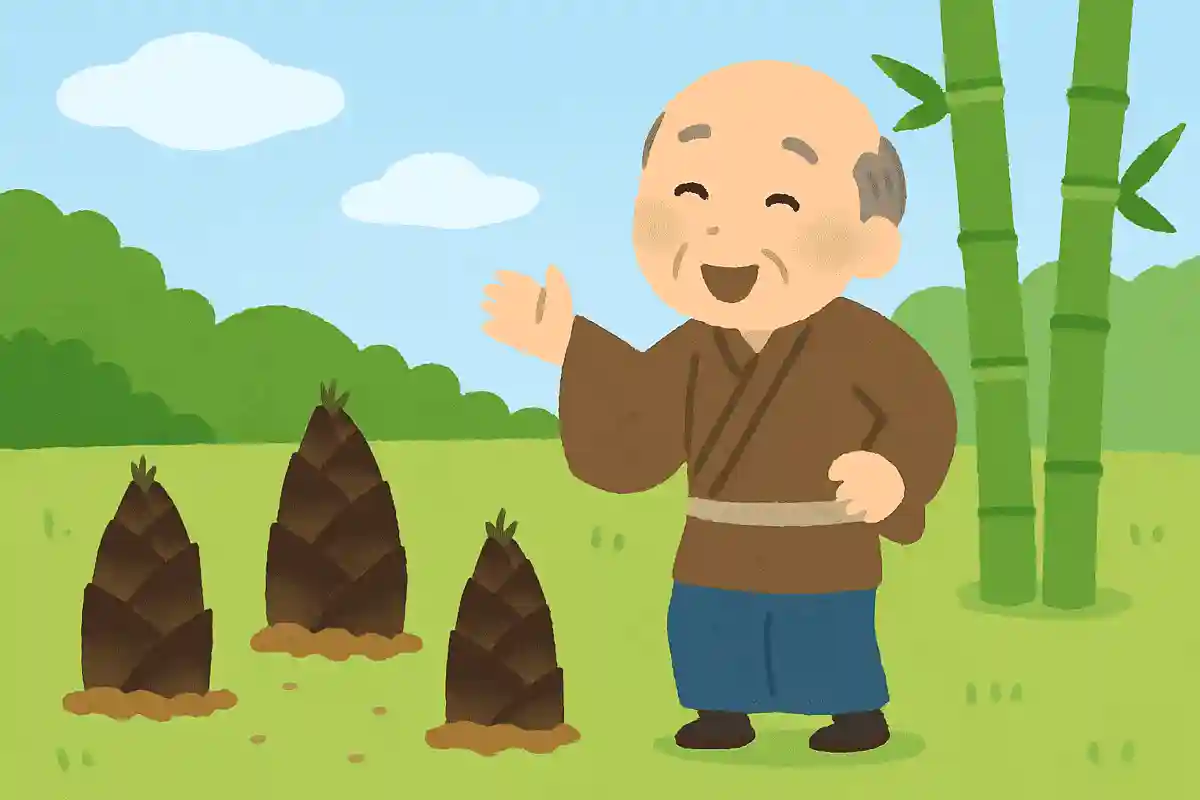
The “unpu tenpu” in this verse, when written in kanji, is 運否天賦.
It means that fortune or misfortune is a matter of fate, to leave one’s luck to heaven.
In other words, this verse is likely saying that the emergence of bamboo shoots—the season word—is decided by heaven.
One might even say that deliberately using the term unpu tenpu is characteristic of Kobayashi Issa.
Around March, many people go out to dig bamboo shoots, a taste of spring.
When you’re about to give up after failing to find any, you may recall this verse.

One paddy field, having planted it, I take my leave—ah, the willow.

Matsuo Basho was a haikai poet active in the early Edo period and is known worldwide as a “Poetic Sage,” one of the greatest haikai masters in Japanese history.
He is especially famous for his travelogue The Narrow Road to the Deep North.
This verse is said to admit multiple interpretations.
For example: “The farmers planted one paddy field and left; all that remained afterward was the willow,” or “While the farmers planted one paddy field, I gazed at the willow; now that the planting is done and the farmers have gone, I too think of leaving—what remains behind is only the willow.” A poem that captures a tiny scene of everyday life and prompts us to ponder its meaning—this is quintessential Basho.

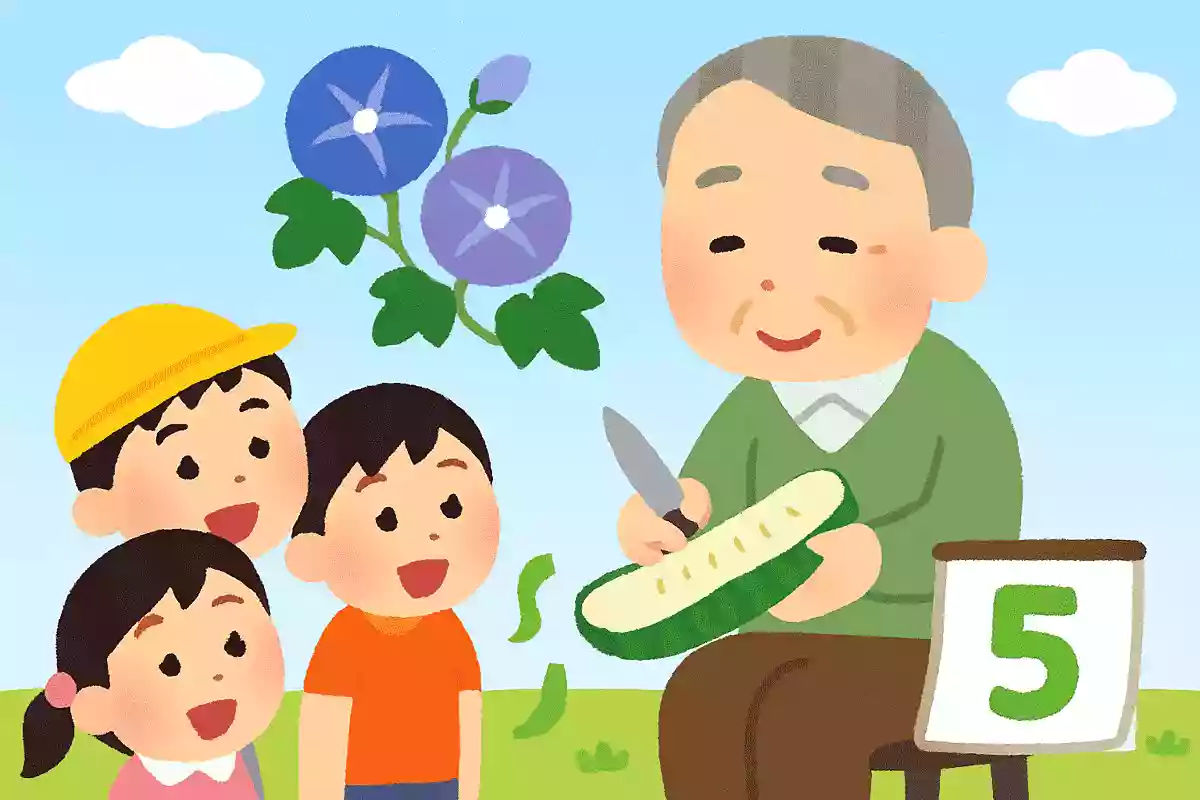
Children, the daylilies have bloomed—let’s peel a melon.
Matsuo Basho is one of the greatest haikai masters in Japanese history and is known worldwide.
From Basho’s haiku, “Children, the bindweed blooms—let’s peel the melons,” we can picture lively children.
It feels as if Basho is calling out to the children who have been eagerly awaiting the time when the daytime bindweed blooms.
From a snapshot of everyday life, we sense the seasons through nature and plants, and Basho’s gentleness comes through.
You can almost imagine the children’s delighted faces as they eat the melons.

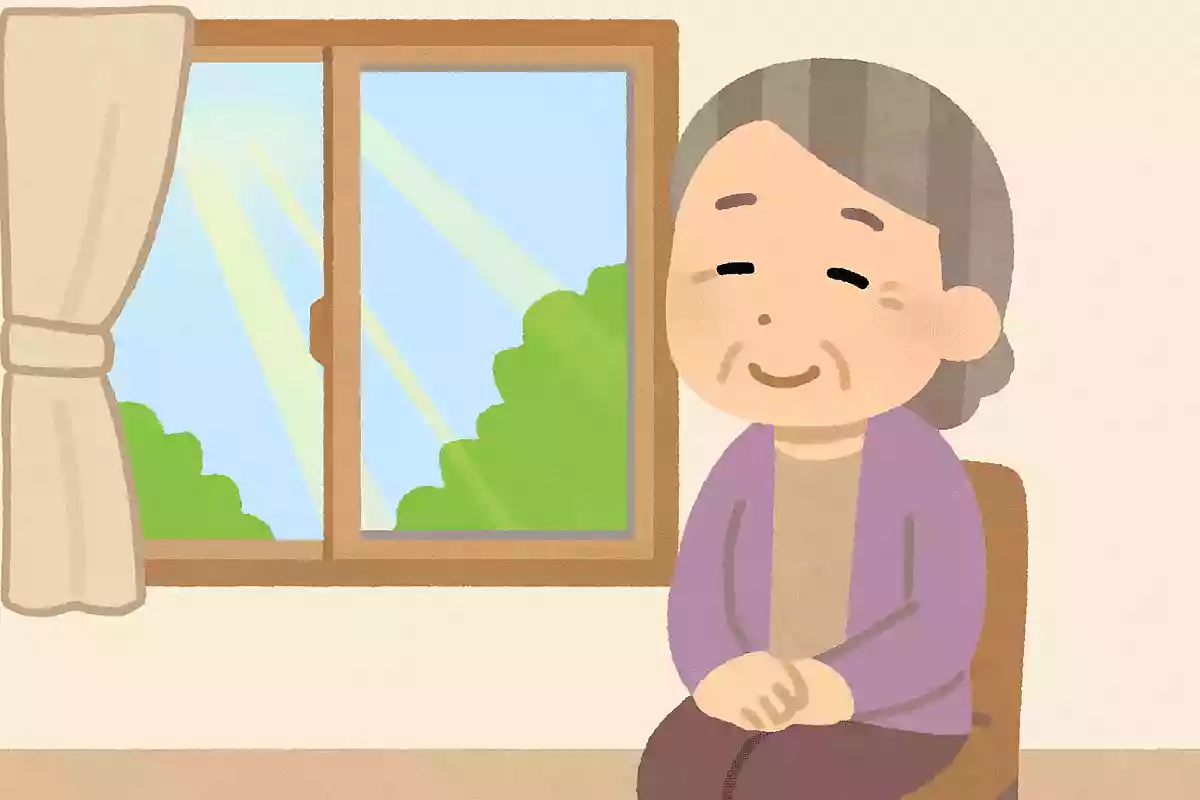
A faint sunlight filters through the window—ah, May.
May is a refreshing, comfortable season, isn’t it? Fresh green leaves begin to sprout from the branches of the trees, and you can feel the strength of life.
Unlike winter or spring, the sunlight also grows stronger in this season.
“Thinly, sunlight falls on the window—May.” Masaoka Shiki, who composed this haiku, is said to have written it with May in mind.
You can almost see the glittering sunlight streaming in through the window.
At the same time, however, the poem also reflects Shiki’s condition as he suffered from illness, in contrast to the vigor one senses in May.
Though May is refreshing, it seems it was a difficult season for Shiki.
Faintly, through the blue of the paper screen—ah, May.

These words evoke the gentle, clear air of early summer.
In this haiku by Seishi Yamaguchi, the faint fresh greenery glimpsed beyond the sliding door conveys the refreshing mood of May.
As a recreational activity for seniors, after appreciating this haiku, it would be perfect to actually go outdoors to enjoy the new green leaves, or to express one’s own May scenery through origami or watercolor painting.
Spending time engaging with nature while expanding the imagination also helps refresh both body and mind.
If you display the created works in a small exhibition, conversations among participants will naturally blossom, and everyone can share a lovely time feeling the changing of the seasons together.

The playful swelling wind and the carp streamers.

Masaoka Shiki was a haiku poet, tanka poet, and linguist from Ehime Prefecture, and one of the leading literary figures of the Meiji era.
In this verse, he depicts carp streamers that seem to be joyfully swimming as they catch the wind under a clear May sky.
One can almost see the breeze that blows there and the children who are likely delighting in the sight of the streamers.
In contemporary Japan, the custom of displaying carp streamers on Boys’ Day to wish for one’s child’s healthy growth has become less common.
In this modern context, the poem feels like a time slip to a bygone, cherished era, evoking memories of those days.
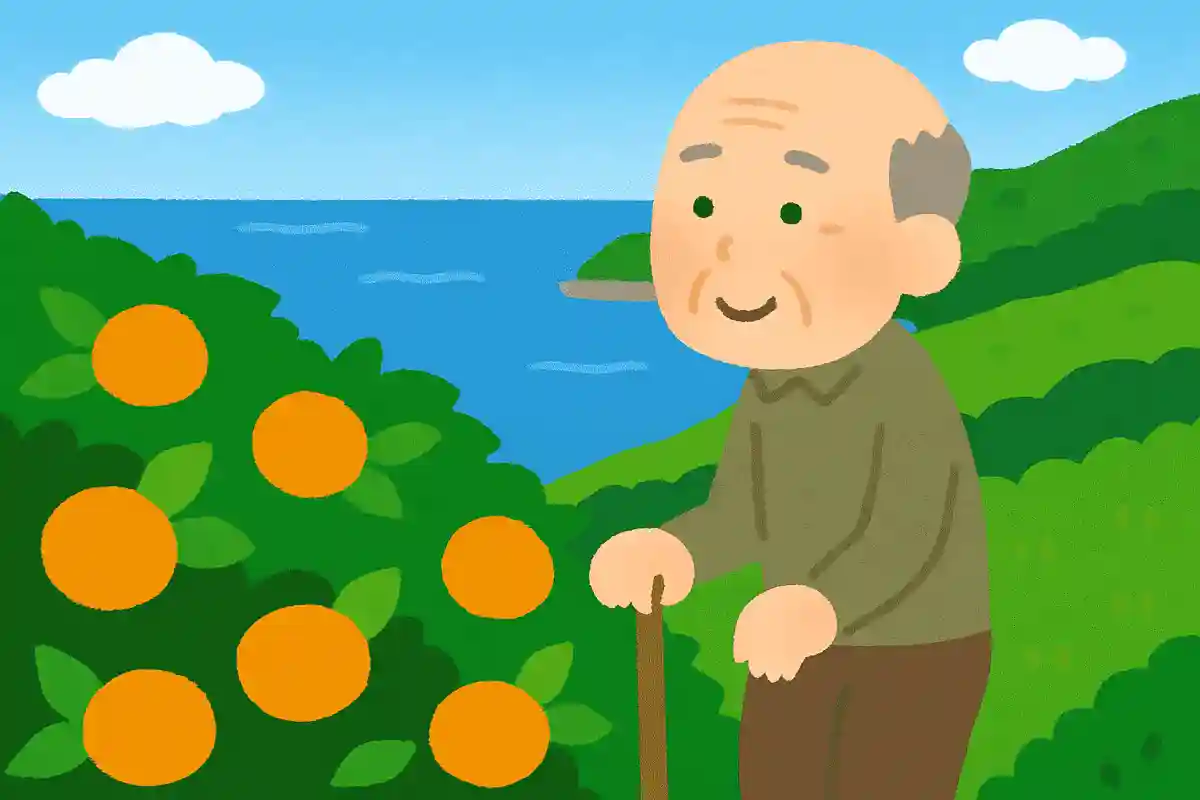
Mikan grove—looking down at the sea—the end of May
This haiku was composed by Ayako Hosomi, a female haiku poet active from the Taisho to the Showa era.
During the Taisho period, the number of women haiku poets increased, and many haiku closely tied to women’s daily lives were written.
Hosomi composed many haiku that emphasize seasonal sensibility.
“Mikan orchard, looking down on the sea — end of May” also seems to depict everyday life in May.
“Gogatsu-jin” means the last day of May.
The mandarin orange groves are lush with fresh greenery, but from tomorrow it will be June, and the damp season will arrive.
The refreshing days give way to the rainy monsoon and then midsummer.
From “end of May,” we can sense a way of living in step with such changes in nature.