

![[For Seniors] Oral Exercises to Keep Eating Deliciously and Enjoyably](https://i.ytimg.com/vi_webp/07H5LF3PYEc/maxresdefault.webp)

Daily meals are important for staying healthy for years to come.
To help older adults enjoy their meals, try actively incorporating oral exercises into your daily routine.
As we age, it becomes harder to swallow food, and the risk of choking and aspiration increases.
To help prevent aspiration, simple oral exercises before eating are recommended.
In this article, we introduce easy pre-meal oral exercises recommended for older adults.
To improve swallowing, it’s important not only to exercise the mouth but also to loosen the muscles around the mouth, as well as the shoulders and neck.
Incorporate these oral exercises and enjoy your meals.
- [For Seniors] Let's try customizing the usual Pa-Ta-Ka-Ra exercises!
- [For Seniors] Spice Up Your Usual Oral Exercises! Patakara Exercises and Tongue Twisters
- [For Seniors] Boost Oral Function with Tongue Twisters! Recommended Picks to Try
- [For Seniors] Stay Healthy Through Your Mouth with the A-I-U-BE Exercises!
- For seniors: Enjoyable exercises done while seated, accessible for wheelchair users.
- Energetic and Lively! Sing-and-Exercise Program for Seniors
- [For Older Adults] Games to Enhance Oral Function: Enjoyable and Easy to Do
- Summary of exercises for seniors: introducing preventative care movements by body part.
- [October Health Topic] Introducing Recreational Activities for Seniors!
- [For Seniors] Today’s Recommended Activity: Fun and Engaging
- [Today's Recommendation] Gentle Health Exercises for Seniors
- [For Seniors] Recommended Muscle Training Gear. Simple and Easy
- [For Seniors] Hand and finger play roundup: Finger exercises that lead to brain training
[For Seniors] Oral Exercises (1–10) for Enjoyable, Delicious Eating—Now and Always
5-minute oral exercisesNEW!

This is a training routine that helps prevent aspiration and choking, which often occur in older adults.
First, rotate your neck to stretch, then to strengthen the area around your mouth and inside the mouth, move your mouth deliberately while pronouncing “aaah” and “eeeh.” Next, puff out your cheeks and move your tongue.
Once you’ve finished everything, move on to the Pa-Ta-Ka-Ra swallowing exercises.
This exercise involves saying the four syllables “pa,” “ta,” “ka,” and “ra” out loud to strengthen the tongue and throat.
Start by saying “pa” five times in a row, then repeat it faster after you finish.
Do the same for the remaining syllables.

At-home throat trainingNEW!

Throat decline doesn’t only make it harder to speak; it can also affect swallowing and lead to choking incidents.
To help reduce the risk even a little, here are some simple exercises you can do daily.
First, inhale for three seconds and exhale.
Next, consciously engage the muscles around your mouth and cheeks and move your mouth widely while saying “u” and “i.” Then continue with sticking out your tongue, varying your pitch, and swallowing a small amount of water.
These simple exercises are suitable for anyone, so please give them a try if you like.
Tongue training at homeNEW!

Let me introduce some training to strengthen your tongue muscles and prevent accidental swallowing.
Start with sticking your tongue in and out, pronouncing “ra,” circling your tongue around the inside of your closed mouth, and pressing against your cheeks.
In the next stage, move on to actions many of us often did as children, like clicking your tongue and rolling your R’s.
As you get older, you may find that rolling your R’s is surprisingly difficult.
But if you practice every day, you’ll be able to do it, so don’t give up.
It’s an area where it’s easy to miss signs of decline, so take this opportunity to learn it well and train consistently.
Chewing Chewing 100-Year-Old GymnasticsNEW!

These are exercises to help you chew well with your own teeth and enjoy meals up to age 100.
Start with deep breathing, then tilt your head forward, back, left, and right.
After that, gently lean your shoulders to each side to stretch.
From here, begin moving your mouth.
First, say “A” and “N,” moving your mouth clearly as you voice the sounds.
Then add “I” and “E.” Next, with your mouth closed, trace the inside of your mouth with your tongue.
Massage in front of your ears and under your jaw to stimulate the salivary glands.
After pronouncing “pa-ta-ka-ra” in sequence, swallow your saliva to train your swallowing ability, and you’re done.

Swallowing muscle trainingNEW!

Some people may choke while eating or wake up at night coughing on saliva.
How about trying swallowing muscle training? This training focuses on the larynx, which serves as a lid for the trachea, to strengthen the muscles used for swallowing.
Lie on your back, bend your ankles to 90 degrees, and slightly lift your head.
Keep looking at your toes and hold that position for 60 seconds.
There’s also a method for abdominal exercises using a towel, so give it a try if you like.
Swallowing Exercises: Cheek Training EditionNEW!
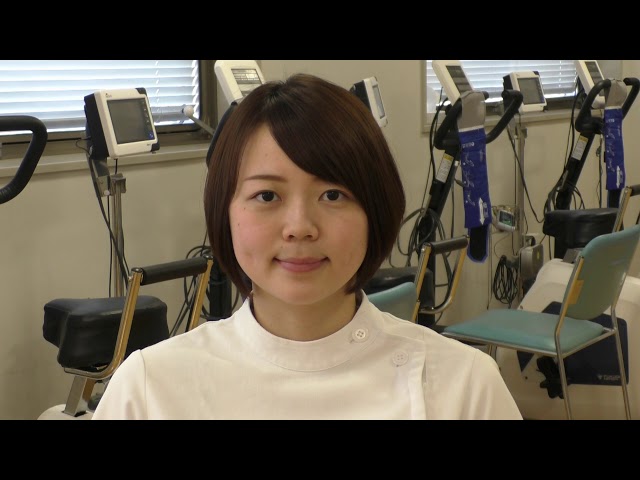
If you have trouble swallowing food, try strengthening your cheeks! First, pucker your cheeks tightly as if sticking the insides of your cheeks to your teeth.
Next, with your mouth closed, pull the corners of your mouth to the sides as if making a smile.
It might help to picture a smiley-face mouth! Finally, puff out your cheeks as if filling your mouth with air and blow them up like “poo.” Try each for about five seconds.
It’s a quick exercise you can do right away, so why not try adding it before meals?
Chin-lifting exercise

The muscles in your throat are important for swallowing food.
This exercise helps strengthen your swallowing while keeping your attention on that area of the throat.
First, make fists with both hands and place them under the tip of your chin, then gently tuck your chin in.
From there, apply upward force with your fists as if lifting your chin, while pressing your chin downward against your fists, and hold that position.
The key point is that having something clear to push against makes it easier to visualize the direction of force.
It’s important to apply firm pressure without straining your neck.
