

[For Seniors] Informative and Fun Obon Quiz

Obon is the time when we welcome our ancestors home and hold memorial services for them.
Carrying lanterns lit at the graves to greet our ancestors is a custom that has existed in Japan since long ago.
Many older adults may consider Obon a very important time.
However, due to conditions like dementia, some people find it difficult to sense the season or the passage of time and may not realize when Obon has arrived.
So this time, we’re introducing a quiz related to Obon.
Through the quiz, let’s look back on past Obon observances and help everyone feel the season.
In fact, older adults may sometimes know more about Obon than the staff giving the quiz.
Please make use of the quiz and enjoy a pleasant time together!
- [Brain Training] Lively Word Quiz for Seniors
- [For Seniors] Summer Festival Trivia Quiz & Fun Facts. Enjoyable Quizzes That Boost Your Knowledge
- [For Seniors] Tanabata Trivia Quiz: Simple and Fun
- Recommended for seniors! Liven up your event with a Respect-for-the-Aged Day quiz!
- [For Seniors] Summer-Themed Quiz: A Collection of Fun Questions to Liven Up Recreational Activities
- [For Seniors] Summer-Themed Trivia Quiz & Fun Facts Collection
- For Seniors: Lively! Trivia and Fun Facts Quiz for August
- August quizzes that seniors can enjoy!
- [For Seniors] Fun and Lively! Recommended Quiz Questions
- [Recreation for Seniors] Introducing Quizzes to Enjoy at Day Service Centers!
- [For Seniors] Take on the Setsubun Quiz! A comprehensive collection of diverse quizzes, including trivia, true-or-false, and spot-the-difference.
- [For Seniors] Boost Your Knowledge! Fun Trivia Quiz
- [Simple and Fun] New Year’s Quizzes Recommended for Seniors
[For Seniors] Informative and Fun Obon Quiz (1–10)
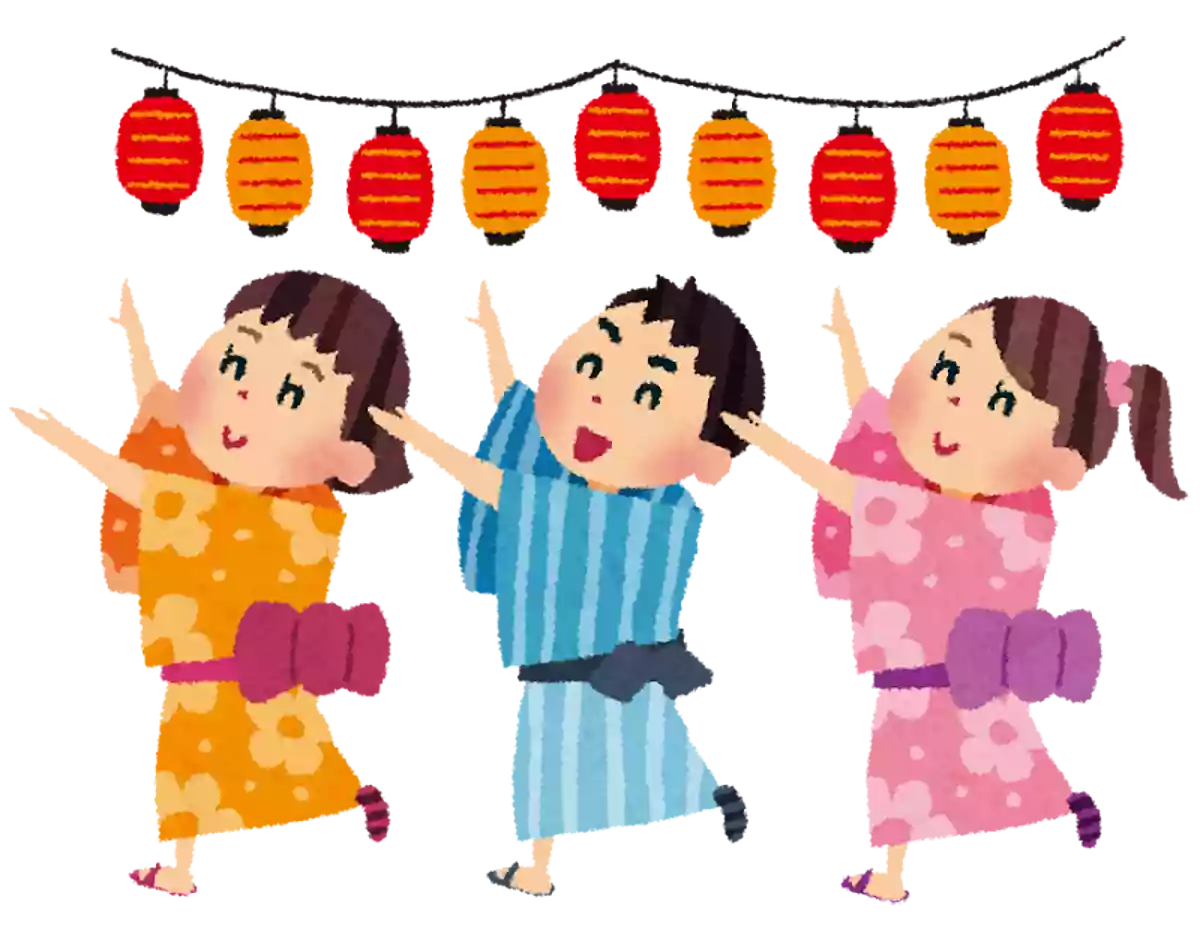
In which prefecture is the Gujo Odori, a Bon dance also known as the “All-Night Dance,” held?
4.bp.blogspot.com
During Obon, when we welcome our ancestors, festivals are sometimes held, and in many cases Bon Odori dances are performed.
Among these dances, there is a special one called Gujo Odori, also known as the All-Night Dance (Tetsuya Odori).
In which prefecture is it held? The answer is Gifu Prefecture.
It is a traditional Bon dance that is also inscribed on UNESCO’s Intangible Cultural Heritage list.
A major feature is that people continue dancing from night until the following morning, and it is said to combine both memorial rites for ancestors and elements of entertainment.

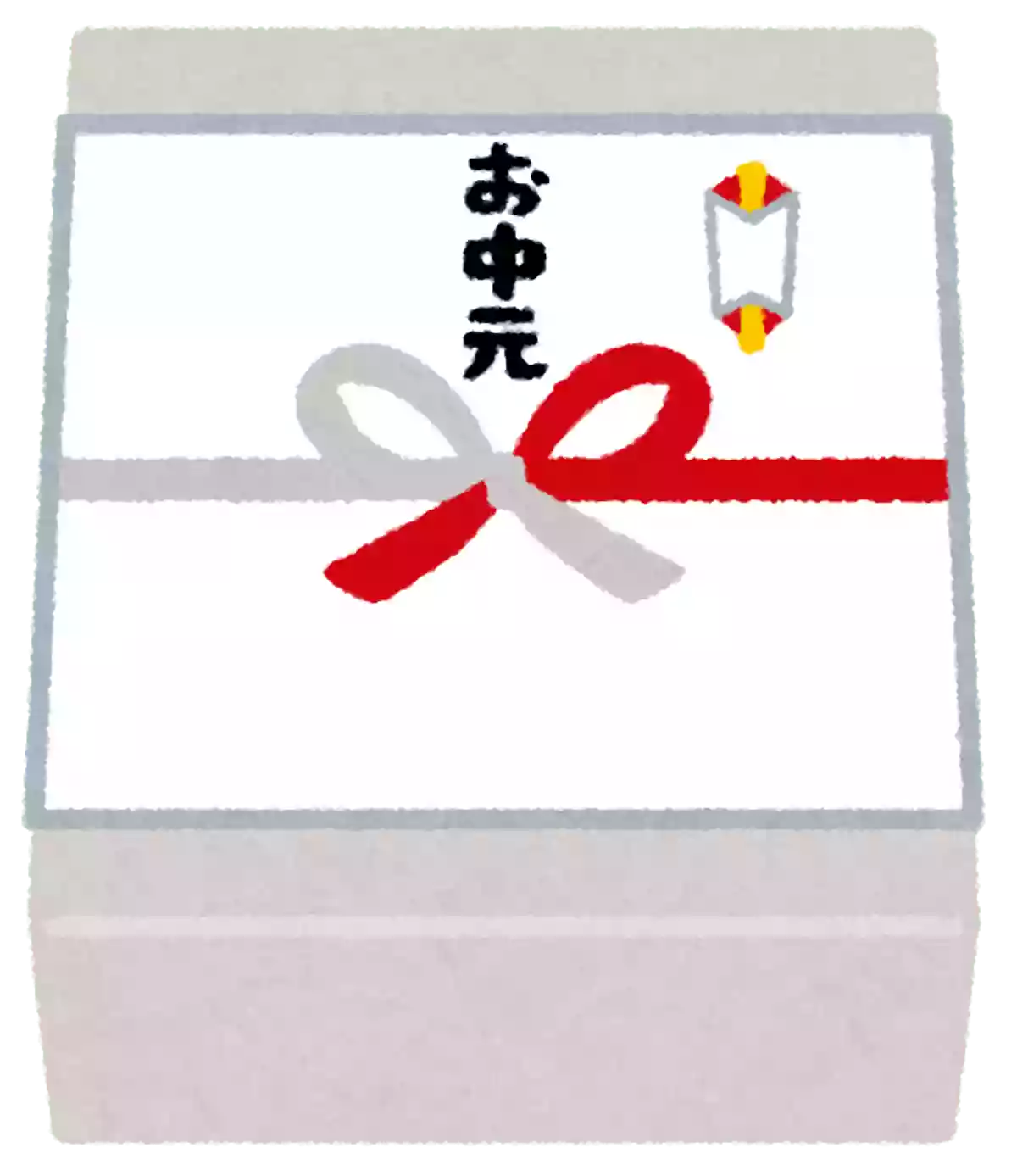
A certain Japanese custom began because it originates from Obon. What is the custom?
2.bp.blogspot.com
There is a Japanese custom that originates from Obon.
What is this event? The answer is “Ochūgen,” a summer tradition alongside the winter “Oseibo,” in which people send gifts to those who have helped them.
Because Obon carries the meaning of honoring and giving thanks to one’s ancestors, the practice of expressing gratitude to those who have supported you during this season spread as Ochūgen.
It’s a custom that heightens a sense of joy, including the fun of thinking about what kind of gift will best convey your appreciation.
What is the food offering that symbolizes a rope for tying up the belongings that the returned ancestors will take back with them?

4.bp.blogspot.com
Somen noodles, which we often enjoy in the peak of summer, are connected to an Obon-related custom.
Let’s liven things up with an Obon quiz featuring somen! Please ask: “What food is offered as a symbol of a cord for tying up the luggage that returning ancestors will take back with them?” The surprising answer is somen.
During Obon, ancestors who return to this world receive many offerings.
There’s a legend that somen is used as the cord to bundle those offerings.
With this bit of Obon trivia, you’ll have something to proudly share with your family!

[For Seniors] Informative and Fun Obon Quiz (11–20)
When did the Obon holiday become established?
1.bp.blogspot.com
Obon is an event for welcoming one’s ancestors, and during the Obon holiday we carry out various observances.
So when did the Obon holiday, which serves both as time off for these events and as a beloved summer vacation for adults, become an established custom? The answer is the Edo period.
It is said to have taken root alongside the Obon observances themselves.
The fact that the holiday period aligns with the series of Obon events conveys the historical weight of these traditions and the sentiments imbued within them.
In general, what is August 13, the start of Obon, called?
1.bp.blogspot.com
While the timing and customs of Obon can vary by region, it generally begins on August 13.
What is August 13, the start of Obon, called? The answer is “Mukae-bon,” which literally means welcoming the ancestors—an easy term to understand if you think of it as a ceremony to receive and honor them.
The idea is to prepare offerings that warmly welcome your ancestors and celebrate their return.
It’s also good to know about the practice of lighting fires to guide them, called “Mukae-bi” (welcoming fires).
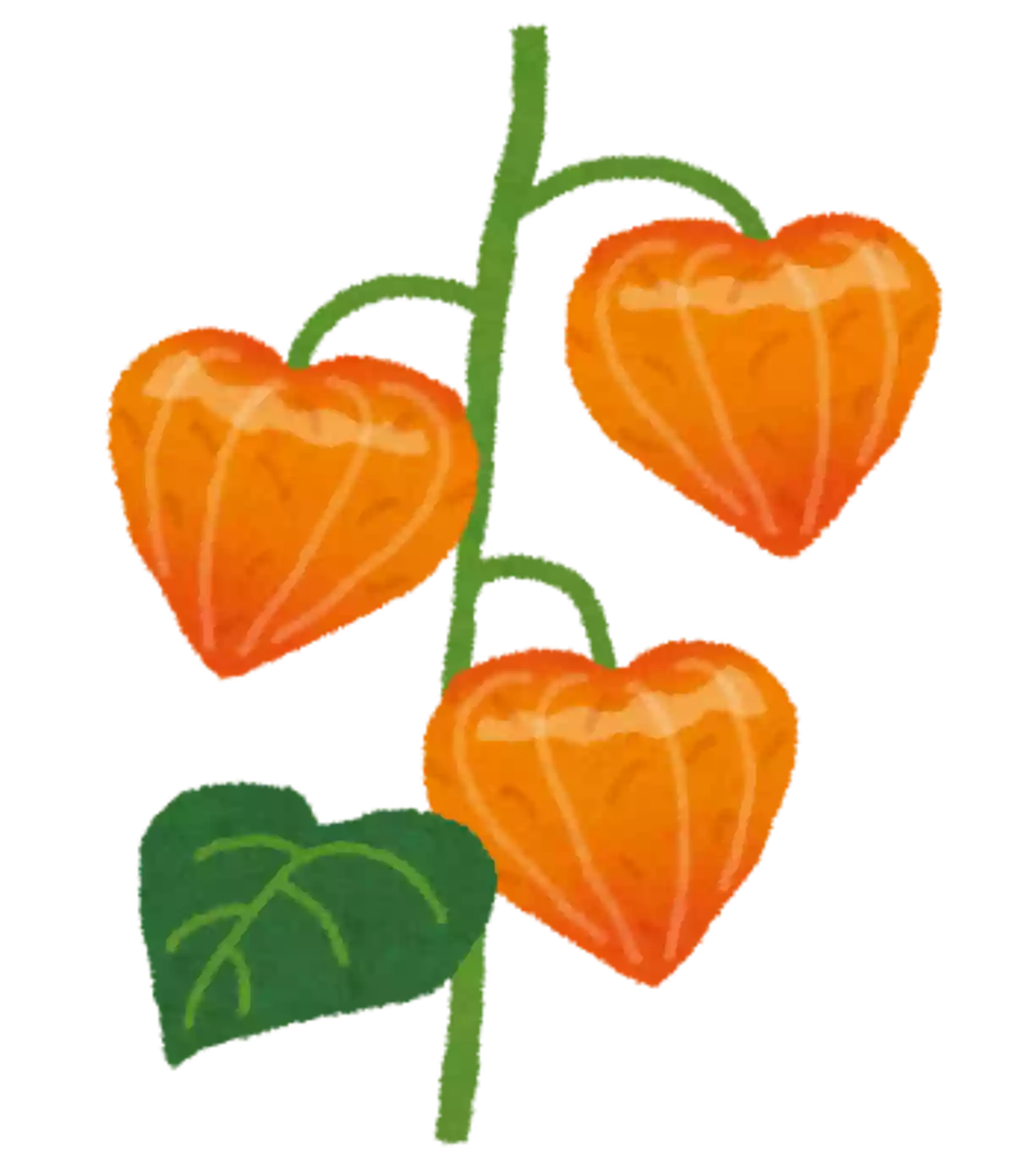
What is the plant that is said to be essential for Obon and whose shape resembles a Bon lantern?
2.bp.blogspot.com
What is the plant said to be inseparable from Obon and whose shape resembles a Bon lantern? The answer is “hōzuki” (Chinese lantern plant).
Its distinctive look—fruit encased in a soft calyx—is quite striking.
The red or orange color of the calyx and fruit also evokes the light of a lantern, and their gentle hues can even feel a bit eerie.
Beyond being a symbol of Obon, it is also associated with traditional medicinal uses, and its unique colors and shape have long imparted a sense of mystery in historical accounts.
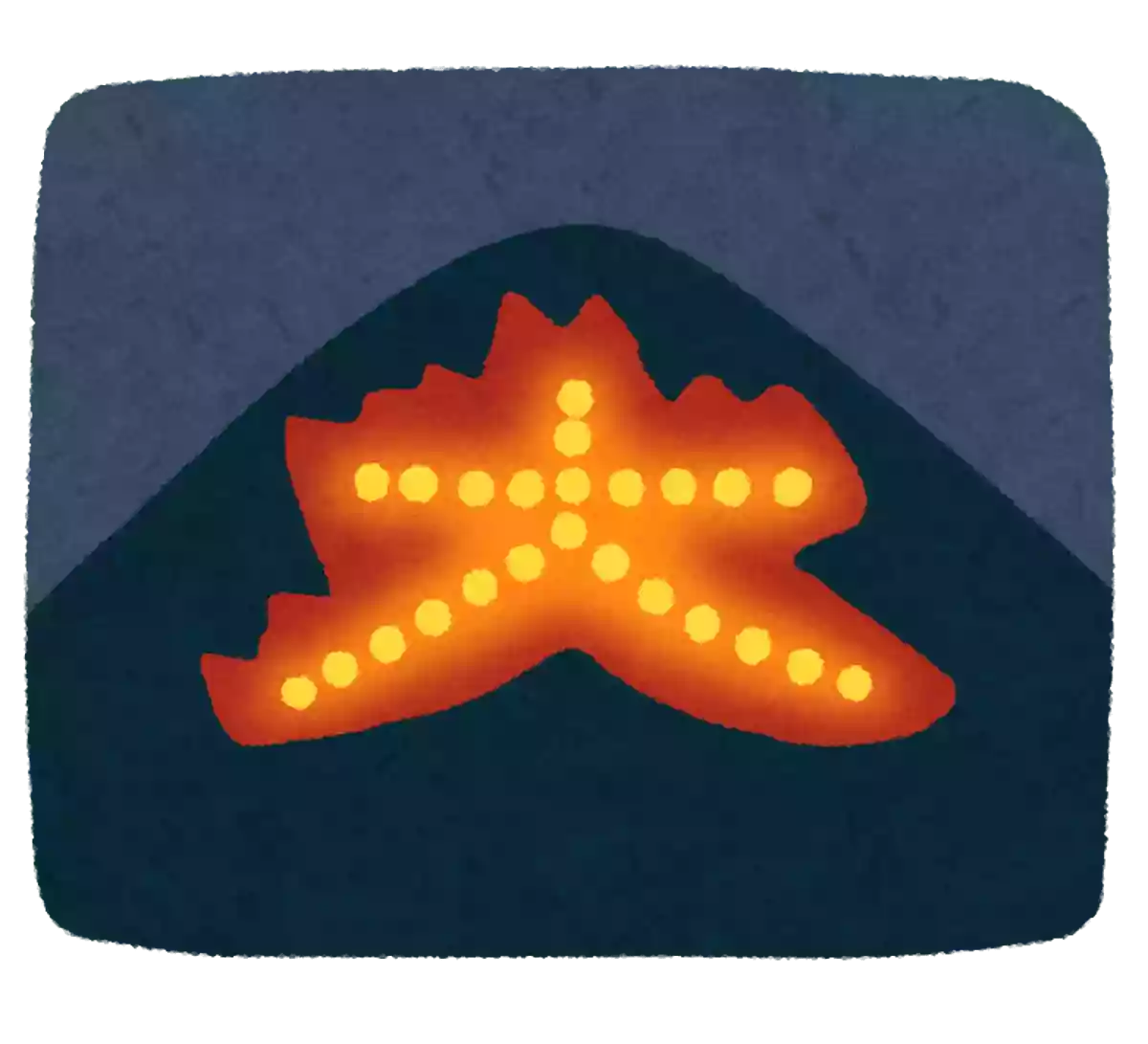
This event, held in Kyoto every year on August 16th, involves lighting fires on the mountains in the sequence of “Daimonji,” “Myoho,” “Funagata,” “Hidari Daimonji,” and “Toriigata.” What is this event called?
3.bp.blogspot.com
What is the name of the event in which fires are lit on the mountains in Kyoto every year on August 16, in the order of “Daimonji,” “Myōhō,” “Funagata,” “Hidari Daimonji,” and “Toriigata”? The answer is “Gozan no Okuribi.” It is a famous traditional summer event in Kyoto, held to send off the spirits of Obon.
Every year, many people visit Kyoto as tourists to see this event.
It is often broadcast on television, and the characters of fire flickering in the darkness are beautiful and feel very powerful.
It’s an Obon event that many would want to see at least once.
