

![[For Seniors] Informative and Fun Obon Quiz](https://media.ragnet.co.jp/img/__png__https://1.bp.blogspot.com/-irqWOWLIXF4/Xy4ecNShhBI/AAAAAAABagE/_6RHEGuf1XQlJcYqEtEs-Iu8efprVjswwCNcBGAsYHQ/s1600/obon_bonchouchin.webp)

Obon is the time when we welcome our ancestors home and hold memorial services for them.
Carrying lanterns lit at the graves to greet our ancestors is a custom that has existed in Japan since long ago.
Many older adults may consider Obon a very important time.
However, due to conditions like dementia, some people find it difficult to sense the season or the passage of time and may not realize when Obon has arrived.
So this time, we’re introducing a quiz related to Obon.
Through the quiz, let’s look back on past Obon observances and help everyone feel the season.
In fact, older adults may sometimes know more about Obon than the staff giving the quiz.
Please make use of the quiz and enjoy a pleasant time together!
- [Brain Training] Lively Word Quiz for Seniors
- [For Seniors] Summer Festival Trivia Quiz & Fun Facts. Enjoyable Quizzes That Boost Your Knowledge
- [For Seniors] Tanabata Trivia Quiz: Simple and Fun
- Recommended for seniors! Liven up your event with a Respect-for-the-Aged Day quiz!
- [For Seniors] Summer-Themed Quiz: A Collection of Fun Questions to Liven Up Recreational Activities
- [For Seniors] Summer-Themed Trivia Quiz & Fun Facts Collection
- For Seniors: Lively! Trivia and Fun Facts Quiz for August
- August quizzes that seniors can enjoy!
- [For Seniors] Fun and Lively! Recommended Quiz Questions
- [Recreation for Seniors] Introducing Quizzes to Enjoy at Day Service Centers!
- [For Seniors] Take on the Setsubun Quiz! A comprehensive collection of diverse quizzes, including trivia, true-or-false, and spot-the-difference.
- [For Seniors] Boost Your Knowledge! Fun Trivia Quiz
- [Simple and Fun] New Year’s Quizzes Recommended for Seniors
[For Seniors] Informative and Fun Obon Quiz (1–10)
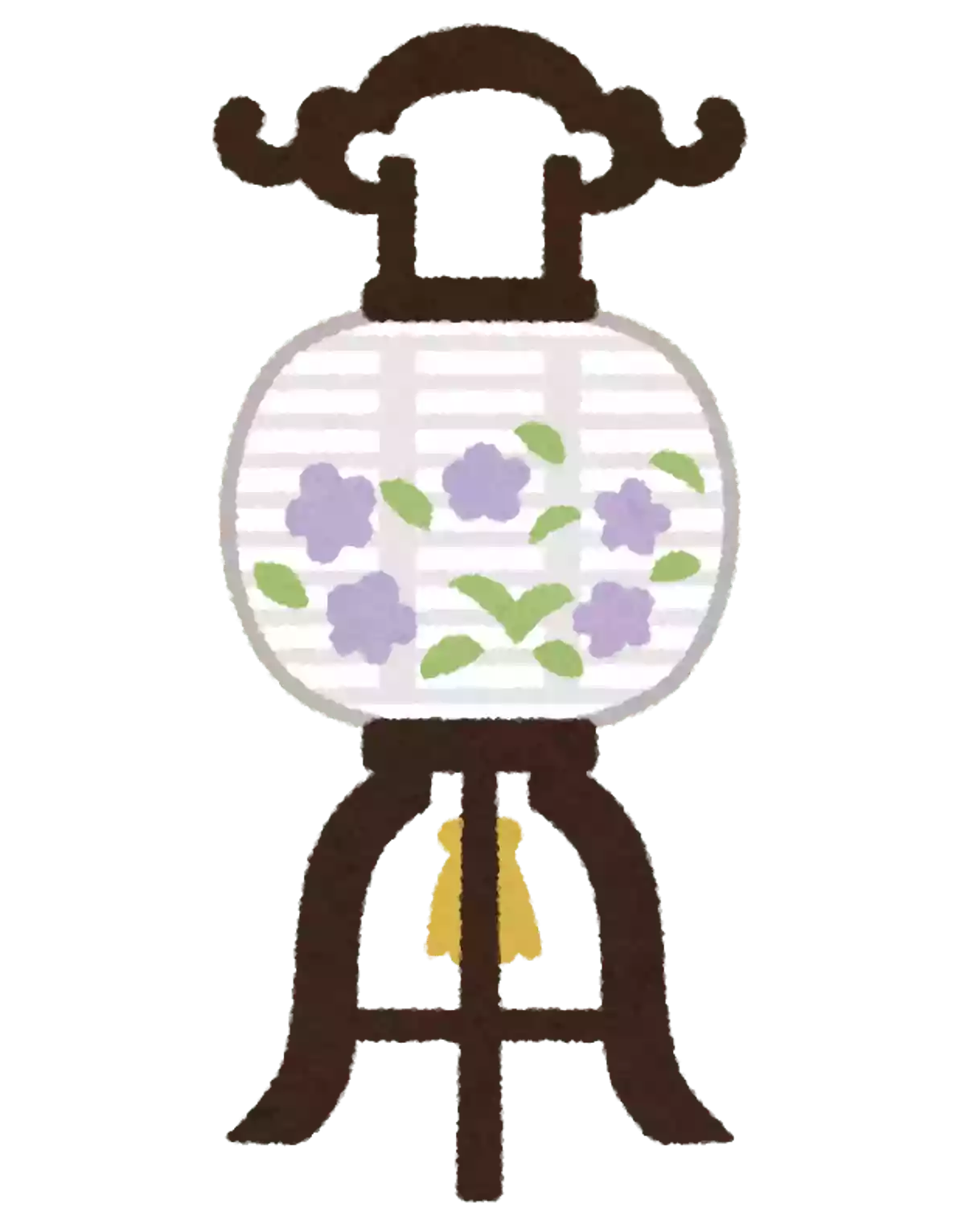
What is the meaning behind the Bon lanterns displayed during Obon?
1.bp.blogspot.com
One of the big events in August is Obon, isn’t it? Many people get together with their families and visit graves during Obon.
Now, here’s a question: what is the meaning behind the Bon lanterns you often see at this time? In fact, Bon lanterns serve as beacons to help ancestors find their way back from the other world without getting lost.
By the way, they are typically displayed from the 13th, when Obon begins, until the 17th, the day after the send-off.
However, this can vary by region, and some families display them from early July until the end of August.

What is the name of the event, mainly held in Nagasaki and Saga prefectures, in which the spirits of ancestors and Obon offerings are placed on a boat and floated down a river?
1.bp.blogspot.com
One interesting aspect of the traditional Japanese custom of Obon is that the events vary by region.
Among these Obon events, what is the name of the ceremony, practiced mainly in Nagasaki and Saga Prefectures, in which ancestors’ spirits and Obon offerings are placed on boats and sometimes actually set adrift down a river? The answer is “Shōrō-nagashi” (Spirit Boat Procession).
Because of Masashi Sada’s hit song, it is often associated with a fleeting, melancholy image, but in reality it’s a lively event.
The boats are gorgeously decorated with family crests and lanterns, and the finale echoes with the loud crackle of firecrackers—an event that truly stirs the emotions.

If Obon arrives before the 49th day (after the passing), when will the first Obon (shinbon) be?
4.bp.blogspot.com
The period from the date of death through the forty-ninth day is called “kicho” (a time of mourning), during which one grieves for the deceased and observes mourning.
If Obon occurs before the forty-ninth day, when this mourning period ends, when is the first Obon (hatsu-bon)? The answer is: during the Obon of the following year after the person’s death.
It is customary not to hold the first-Obon memorial that same year.
If someone brings offerings thinking it is the first Obon, it is generally acceptable to receive the offerings and explain that the first Obon will be held the following year.
This is one of the points of knowledge about Obon, including how to handle such situations.
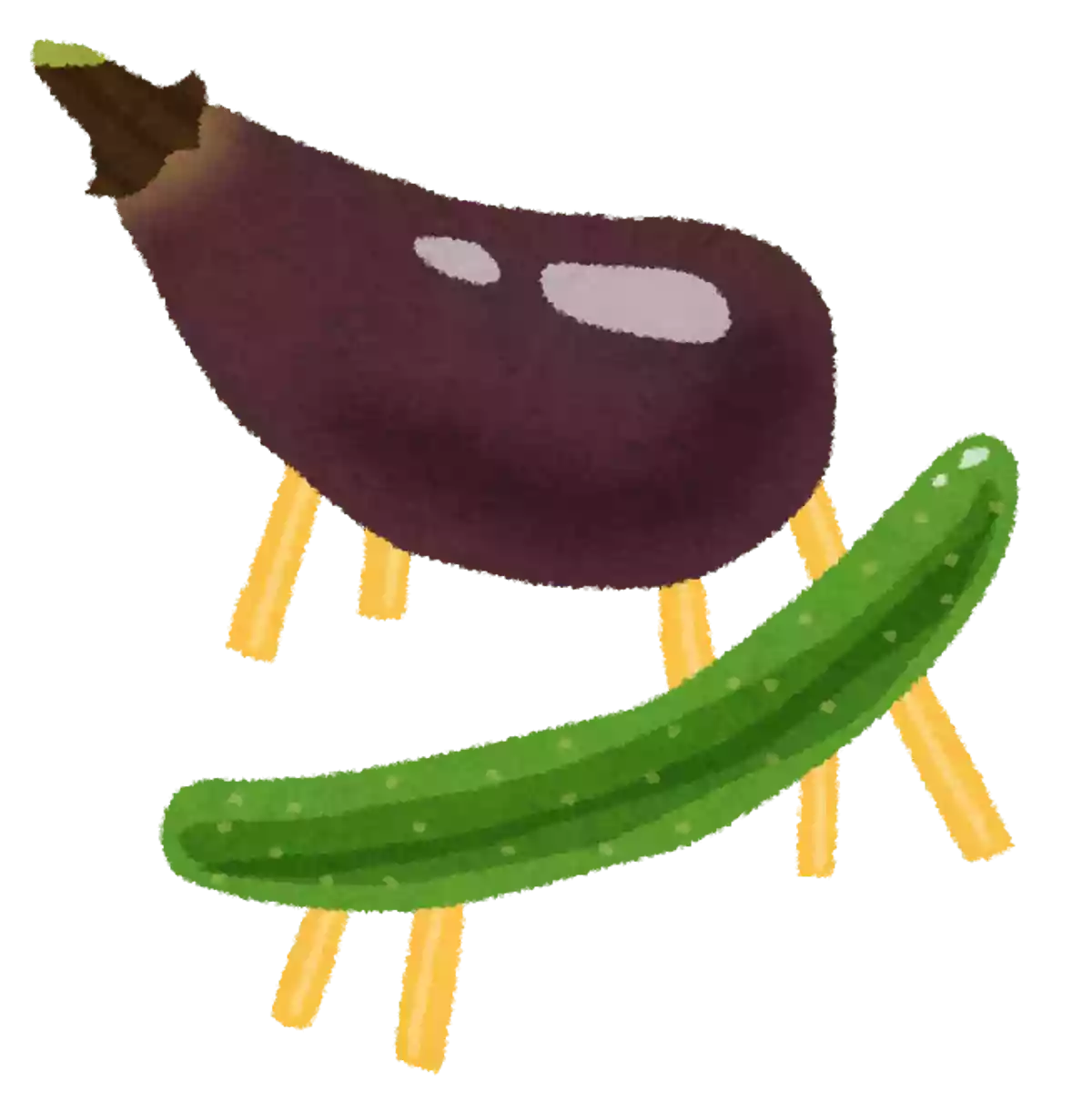
What are the two vegetables used for Obon decorations?
3.bp.blogspot.com
Obon, a summer event for honoring the spirits of our ancestors, often coincides with a holiday period, so many people strongly associate it with adults’ summer vacation.
Let’s learn about the decorations needed for Obon, the sentiments they embody, and their origins.
While there are regional differences, the classic decoration is probably the shōryō-uma.
These are ornaments made to resemble an ox and a horse by attaching legs—often made from chopsticks—to an eggplant and a cucumber.
They express the wish for ancestors to return quickly on a horse and then make a leisurely journey back on an ox.
What is considered the proper way to extinguish candles at graves or on household Buddhist altars?
3.bp.blogspot.com
During Obon, when we welcome our ancestors, it’s common to light candles and incense at graves and household altars.
So how is it considered proper to extinguish those candles offered at graves or altars? The answer is “fan them out with your hand.” It’s considered inappropriate to blow on the sacred flame with one’s breath, which is regarded as impure.
Fanning by hand is the standard for balancing etiquette and convenience, but using a tool is also acceptable.
Since Obon is a time when we more often face graves and household altars, why not take this opportunity to reflect on the manners we should avoid?
What color are the lanterns used during the first Obon (shinbon)?

1.bp.blogspot.com
Shinbon (the first Bon) refers to the first Obon observed after a person has passed away.
More precisely, it is the first Obon that comes after the forty-ninth day memorial period has ended, and the name varies by region—such as “shinbon” or “arabon.” During the first Obon only, a white lantern called “hakumonten” is displayed.
The reason is to serve as a marker so that the spirit of the deceased, returning for the first time, does not lose its way.
Some older adults may already know this, but since it’s very informative, why not turn it into a quiz to help people feel the season?

The shelf used to display ancestral tablets and offerings during Obon is called a “bon-dana.” What is its other name?

3.bp.blogspot.com
Obon is a time when we welcome and honor our ancestors, and one of its distinctive features is the various decorations, beginning with the offerings.
The shelf used to display these indispensable Obon offerings is called a “bon-dana,” but what else is it called? The answer is “shōryō-dana.” Since many Obon-related decorations and events include the word “shōryō” (spirit), this name is easy to picture.
From this, you can also sense that ancestors are referred to as “shōryō,” which may deepen the feeling that they are sacred.