

[For Seniors] Evoking autumn scenes: Introducing beautiful haiku for October

October, when the climate turns mild and the colorful trees stand out, is the perfect season for composing haiku.
We hope older adults, too, will enjoy turning the scenes they see on autumn walks or from their balconies into haiku.
Haiku, which conveys feelings in just a few words, is a recreational activity that effectively stimulates the brain and soothes the heart.
This time, we will introduce beautiful haiku perfectly suited to October.
Autumn’s unique landscapes and seasonal foods—why not try composing haiku about the scenes that come to mind, while sharing them together?
- [For Seniors] A Collection of Famous Autumn Haiku: Introducing Beautiful Verses That Evoke Vivid Scenery
- [For Seniors] Haiku for September: Introducing Verses Perfect for Autumn
- For Seniors: Famous Haiku of November — Introducing Verses Depicting Beautiful Autumn Scenery
- [For seniors] Classic autumn kigo: beautiful words that depict evocative scenesNEW!
- [For Seniors] Winter Haiku: Introducing Beautiful Masterpieces by Famous Haiku Poets
- [For Seniors] Famous Haiku for December: Masterpieces Depicting Winter Scenes and Year-End Moments, Plus Tips on How to Compose Them
- [For Seniors] Haiku Introductions for May: A Fun Recreation Activity
- [For Seniors] Haiku for March: Enjoying a Spring Moment with Famous Verses
- [For Seniors] Fun Brain Training! Quizzes Recommended for October
- [For Seniors] Autumn Origami to Enjoy in October
- [For Seniors] Famous Haiku About January: Learn New Year Season Words and Tips for Composing
- [For Seniors] Let’s have fun with October trivia and fun facts quizzes!
- [For Seniors] Haiku Selections for July: Ideas to Feel the Summer
[For Seniors] Evoking autumn scenes: Introducing beautiful haiku for October (1–10)
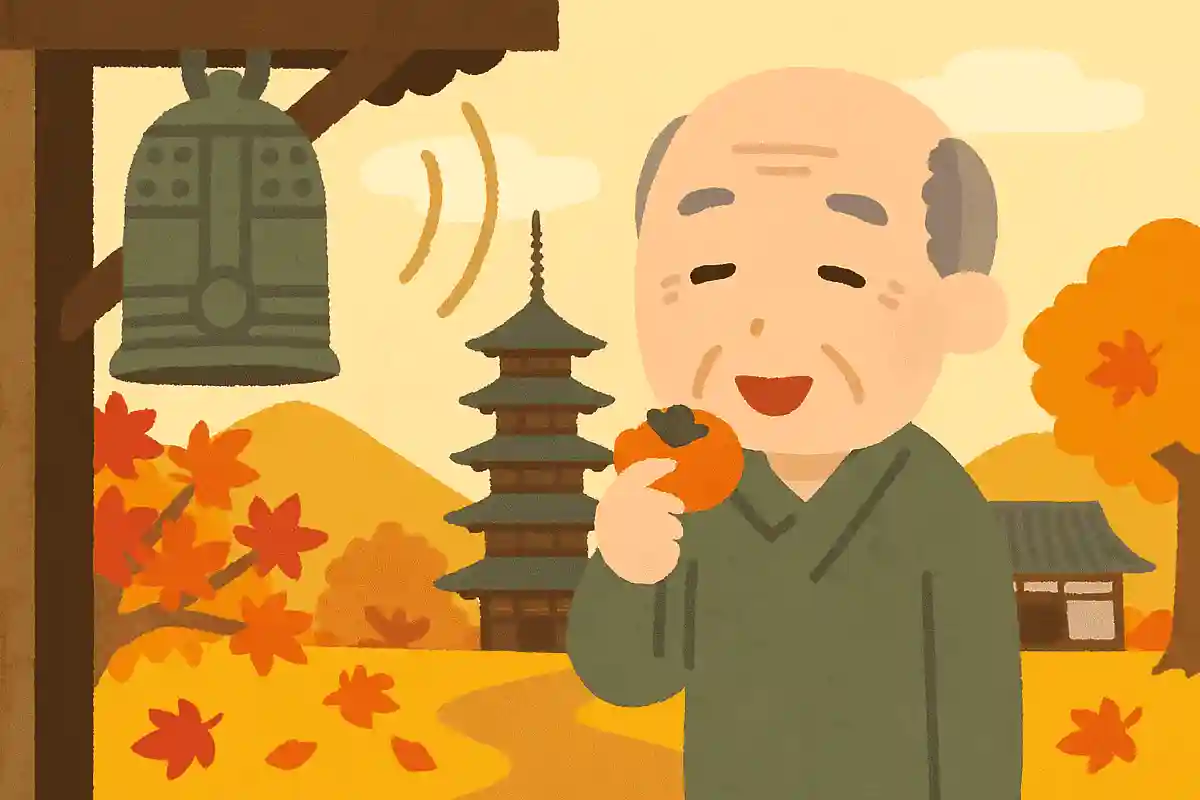
When I bite into a persimmon, a bell resounds—Hōryū-jiMasaoka Shiki
Masaoka Shiki, who also stands as a leading scholar of classical Japanese literature from the Meiji era.
The profile photograph printed in textbooks is quite striking, isn’t it? He was also an avid baseball player, and it’s said that he coined the Japanese terms dasha and sōsha for the English words “batter” and “runner.” This haiku is one of Shiki’s representative verses—likely known even to those not particularly familiar with haiku.
The richness of the bell at Horyu-ji Temple and the abundance of autumn’s harvest resonate together, letting a peaceful time flow around the poet.
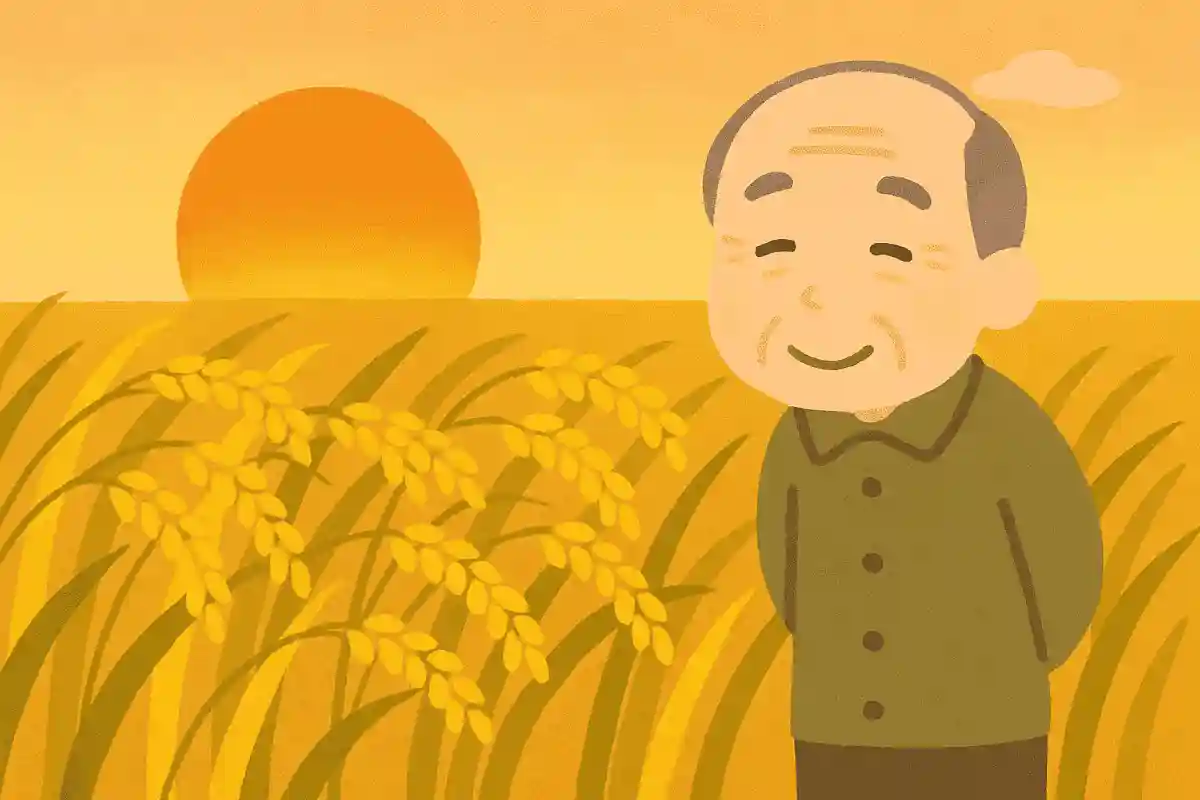
Rice ears bow, layered upon each other—ah, the setting sun.Masaoka Shiki
Who do you think was the writer Masaōka Shiki was closest to? The answer is Natsume Sōseki.
It’s surprising, isn’t it? They even lived together for a time.
No matter how close you are, living together is another matter entirely… Perhaps the sensibilities of great writers are a bit different from ours.
Autumn has deepened, and the heads of rice sway as if heavy with grain.
The overlapping rice ears increasingly herald a bountiful autumn—such a scene at a tasteful dusk.
Those with a hometown may have been reminded of the rice fields there.
Autumn makes people sentimental, doesn’t it?
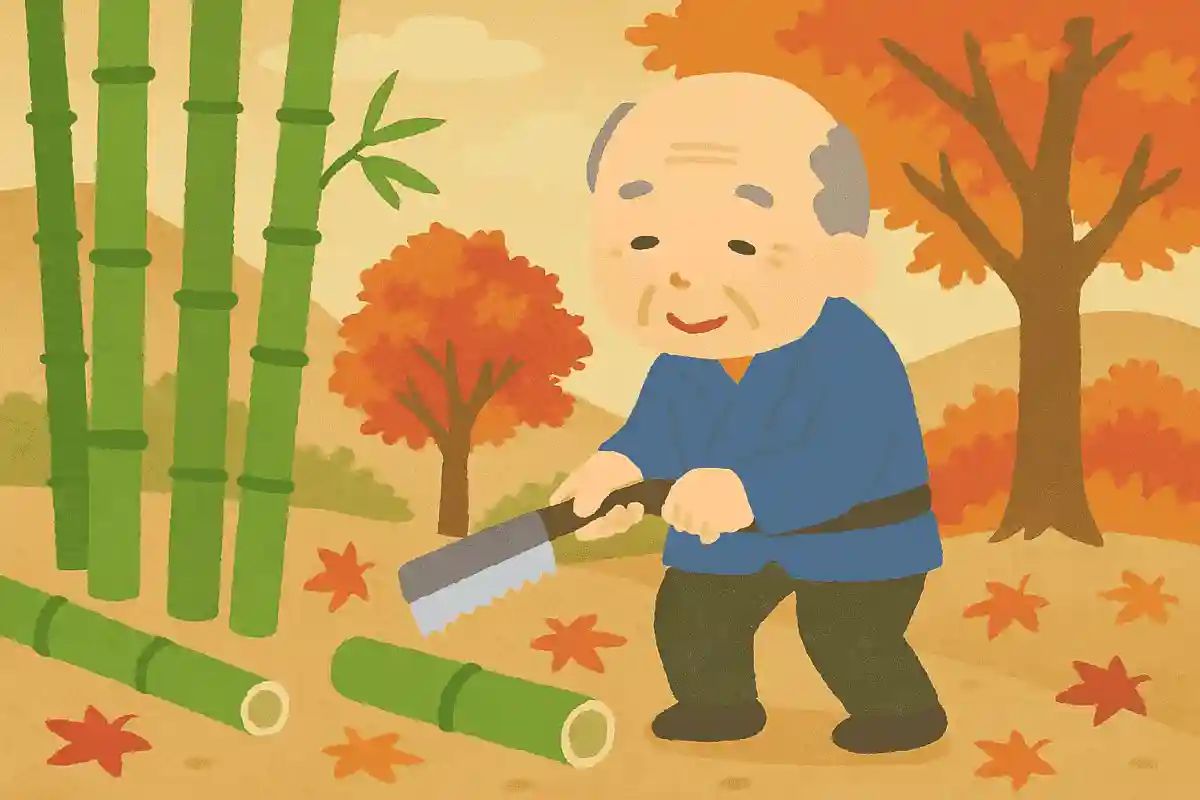
Chilly air— on the mountain where they cut bamboo, pale autumn leavesBonchō Nozawa
A haiku poet of the Edo period who studied under the renowned Matsuo Bashō.
In recent years he has been reappraised as a “late-blooming heavyweight.” In fact, the haikai anthology Sarumino contains more of his verses than Bashō’s.
Those with a bit of haiku experience might look at the poem cited here and think, “Isn’t this kigo overlap?” Kigo overlap refers to having two seasonal words in a single verse, a technique generally considered taboo.
Yet the overlap here settles so naturally that it doesn’t even feel like a breach of convention.
The vivid “green of bamboo” appearing in the middle line is striking as well.
[For Seniors] Evoking Autumn Scenery: Beautiful Haiku for October (11–20)
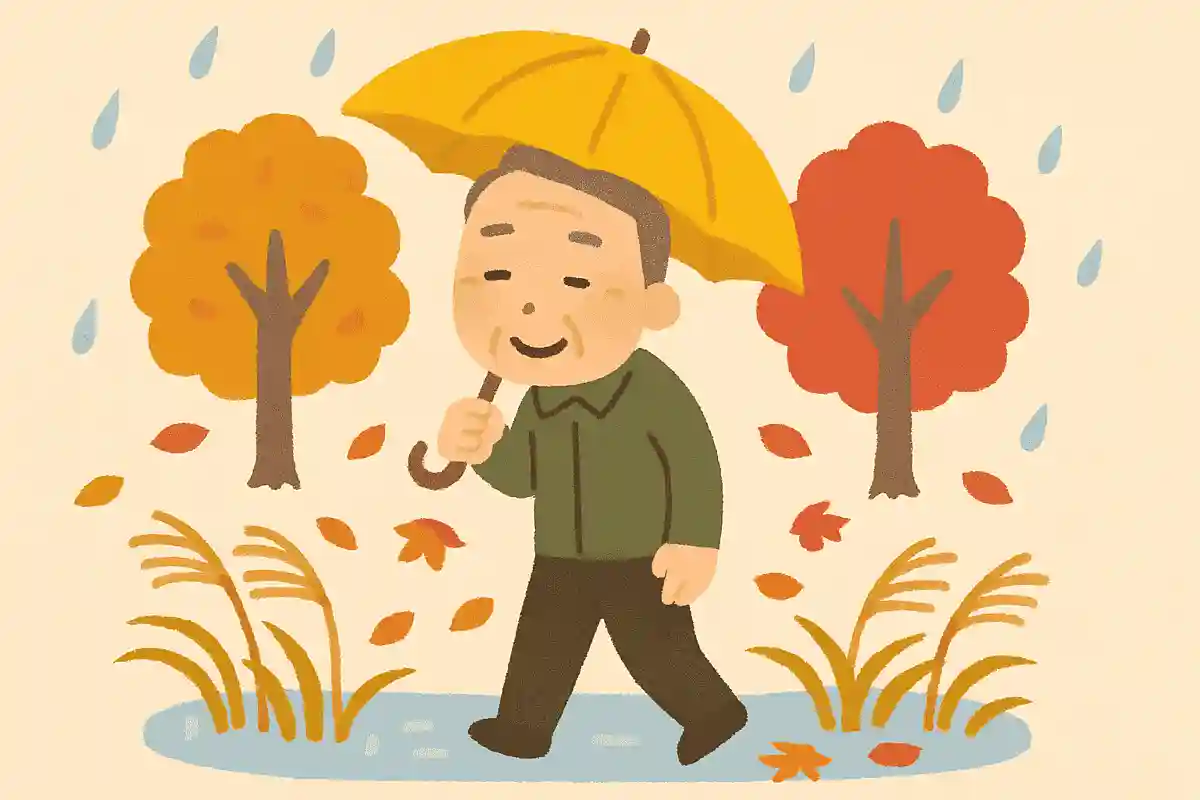
Autumn rain— treading across the grasses on the water’s bottomYosa Buson
From the word “aki-same” (autumn rain), you can sense that the hot summer has passed and autumn has arrived.
From the haiku, you can picture someone trying to wade across a shallow river—so shallow you can see the riverbed—even as the rain keeps falling.
As they walk through the river, the water plants brush against their legs and get stepped on.
Yet, even stepping on the water plants seems to become part of a pleasant moment.
Alternatively, it can also be read as likening the water flowing over the ground in the autumn rain to a river.
Rainy days may make some people feel down, but by slightly shifting your perspective, even a rainy day can become an enjoyable time.

Dusk falls on the road—right and left, all are harvested fields.Hino Sōjō
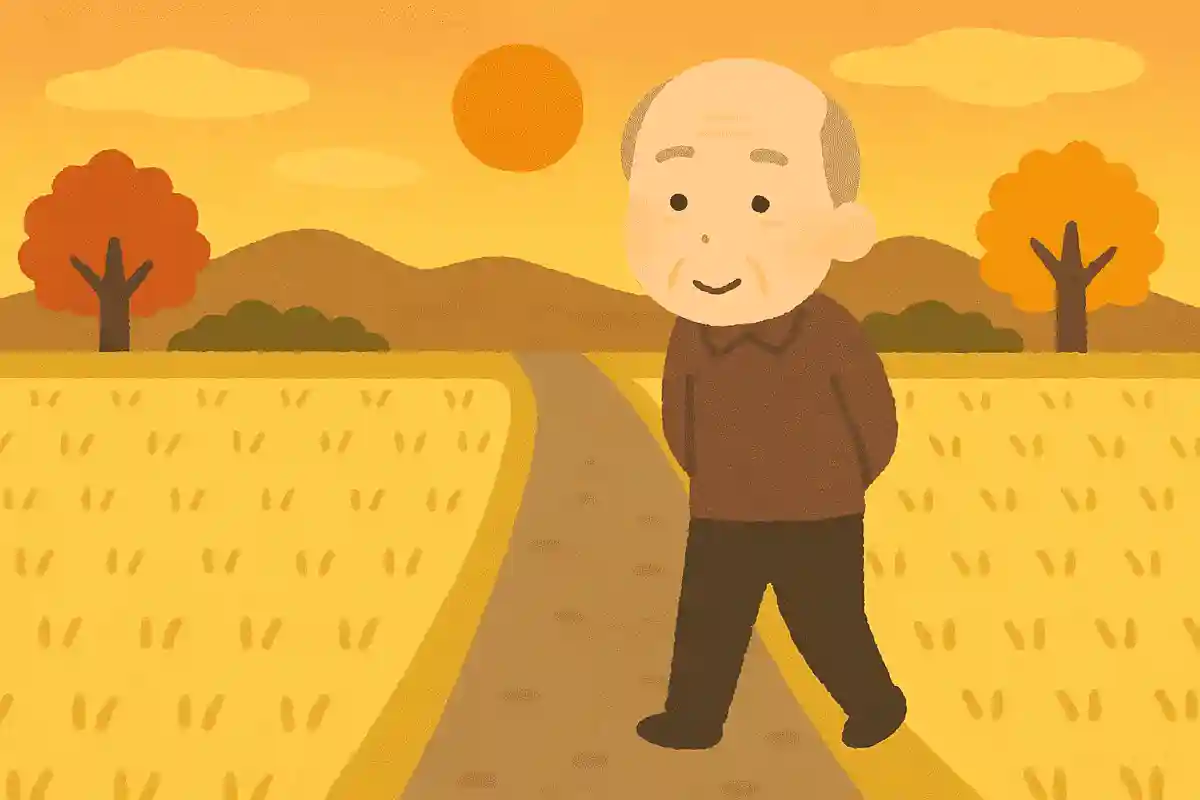
When autumn comes, it’s the season for harvesting rice in the paddies, isn’t it? Until summer, the fields were a lush green, but once the rice bore grain, they turned a golden color all over.
With autumn’s arrival, the sun sets earlier, and when you look out over the paddies, the harvesting is already finished.
Through haiku, we can sense the changing of the seasons reflected in the rice fields.
If older adults compose haiku that capture the seasons, they may also be able to feel the seasons more keenly.
And by creating autumn haiku, it may also prompt them to look back on childhood memories.
On a withered branch, a bird has come to perch — autumn dusk.Matsuo Bashō
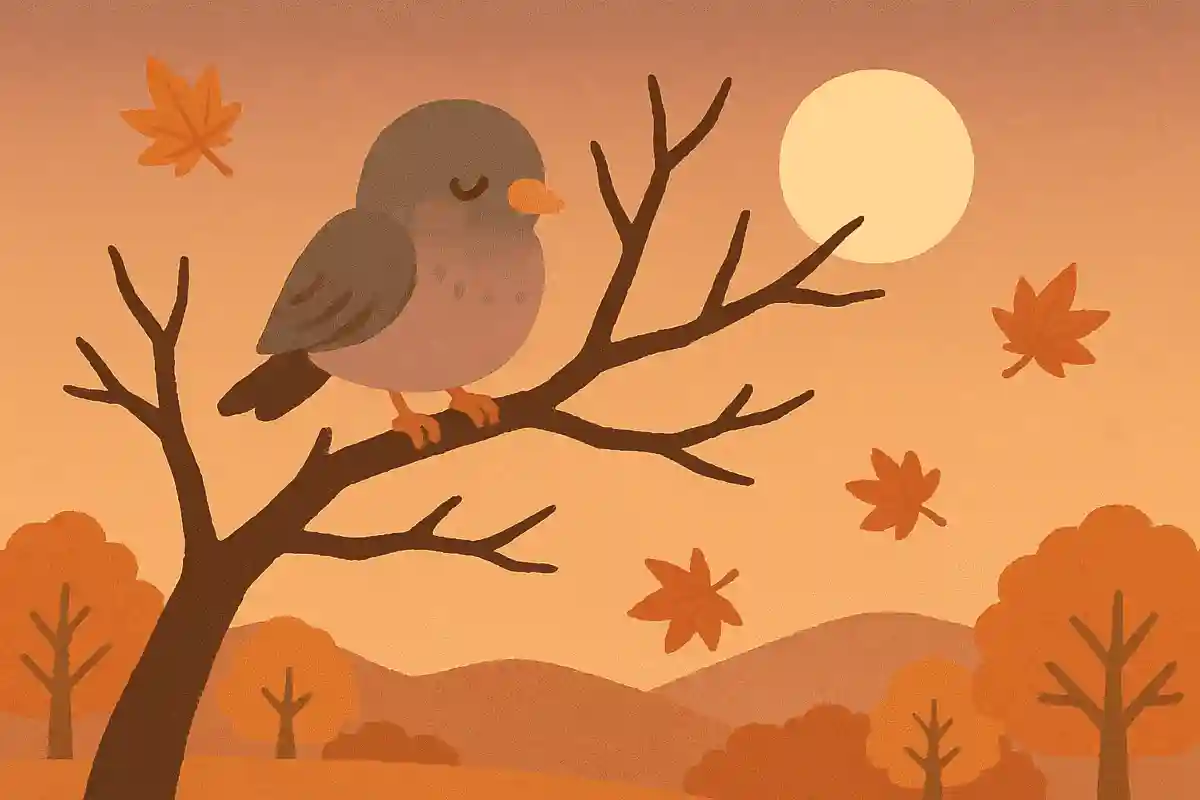
One of Matsuo Bashō’s famous haiku, preserved on many tanzaku and stone monuments.
The character for “branch” sometimes varies, “crow” may appear in hiragana as karasu, and there are multiple ways of writing the ending, such as “aki no kure” or “aki no kure” with different characters.
It’s said to have been inspired by classical Chinese poetry, and once you hear that, you can sense a certain stiffness characteristic of kanshi.
The extra syllable in the middle line was also a trend at the time.
The trees, withered as autumn arrives, have only a crow perched on them, searching for prey.
A single verse that conveys severity within loneliness.
In deep autumn—what is my neighbor doing?Matsuo Bashō
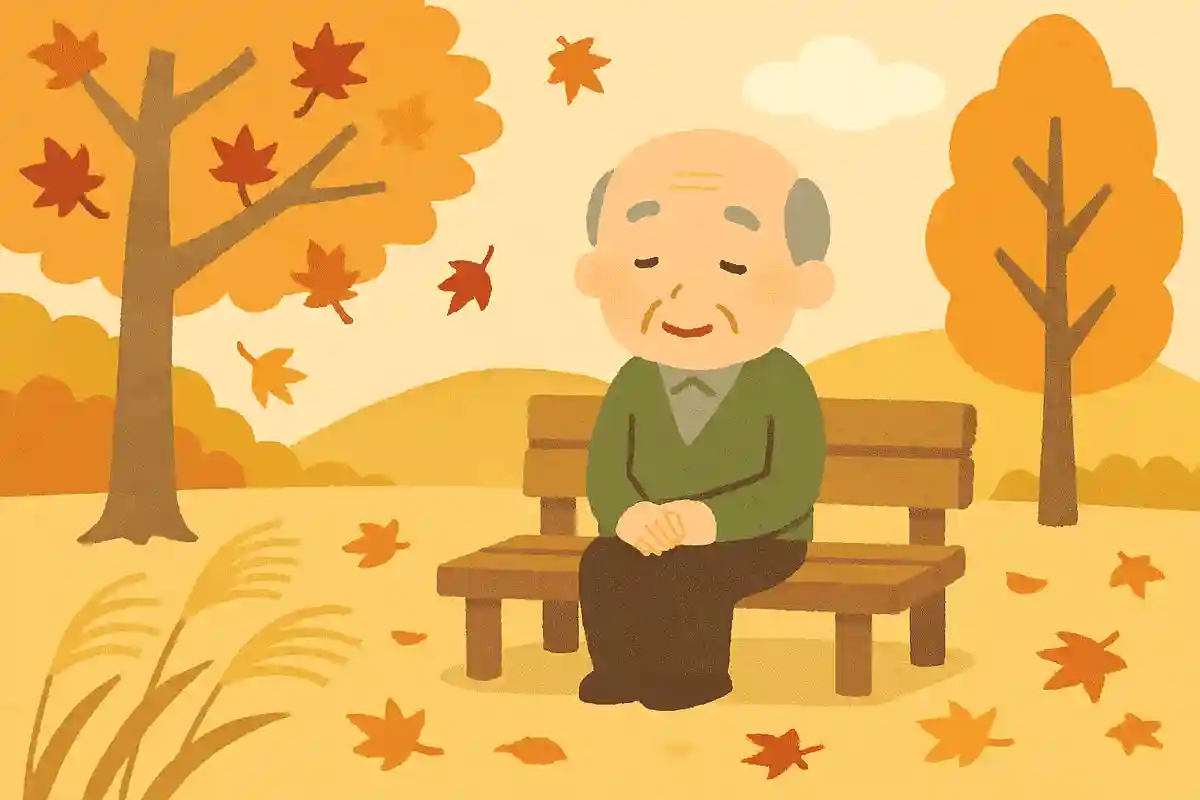
Bashō, who kept composing verses as he traveled all over the country.
There was a time when he fell ill and stayed in Osaka for a while, and this poem is said to have been composed then.
Since his health wasn’t stable, it couldn’t be helped that he couldn’t travel; even so, the seasons moved on, and autumn deepened.
He didn’t have any particular acquaintance with them, but what kind of person was his neighbor, he wondered? When we have a bit of mental space, we too sometimes find ourselves thinking vaguely, “I wonder what our neighbor does?” I suppose it’s the same feeling.
Even Bashō found himself curious about his neighbor.