

![[For Seniors] Evoking autumn scenes: Introducing beautiful haiku for October](https://media.ragnet.co.jp/img/1200__png__https://www.studiorag.com/files/2025/08/71364500eecf8ffc226b216c7542580c.webp)

October, when the climate turns mild and the colorful trees stand out, is the perfect season for composing haiku.
We hope older adults, too, will enjoy turning the scenes they see on autumn walks or from their balconies into haiku.
Haiku, which conveys feelings in just a few words, is a recreational activity that effectively stimulates the brain and soothes the heart.
This time, we will introduce beautiful haiku perfectly suited to October.
Autumn’s unique landscapes and seasonal foods—why not try composing haiku about the scenes that come to mind, while sharing them together?
- [For Seniors] A Collection of Famous Autumn Haiku: Introducing Beautiful Verses That Evoke Vivid Scenery
- [For Seniors] Haiku for September: Introducing Verses Perfect for Autumn
- For Seniors: Famous Haiku of November — Introducing Verses Depicting Beautiful Autumn Scenery
- [For seniors] Classic autumn kigo: beautiful words that depict evocative scenesNEW!
- [For Seniors] Winter Haiku: Introducing Beautiful Masterpieces by Famous Haiku Poets
- [For Seniors] Famous Haiku for December: Masterpieces Depicting Winter Scenes and Year-End Moments, Plus Tips on How to Compose Them
- [For Seniors] Haiku Introductions for May: A Fun Recreation Activity
- [For Seniors] Haiku for March: Enjoying a Spring Moment with Famous Verses
- [For Seniors] Fun Brain Training! Quizzes Recommended for October
- [For Seniors] Autumn Origami to Enjoy in October
- [For Seniors] Famous Haiku About January: Learn New Year Season Words and Tips for Composing
- [For Seniors] Let’s have fun with October trivia and fun facts quizzes!
- [For Seniors] Haiku Selections for July: Ideas to Feel the Summer
[For Seniors] Evoking autumn scenes: Introducing beautiful haiku for October (1–10)
The sound of the wind after the ginkgo has fallenTeijo Nakamura
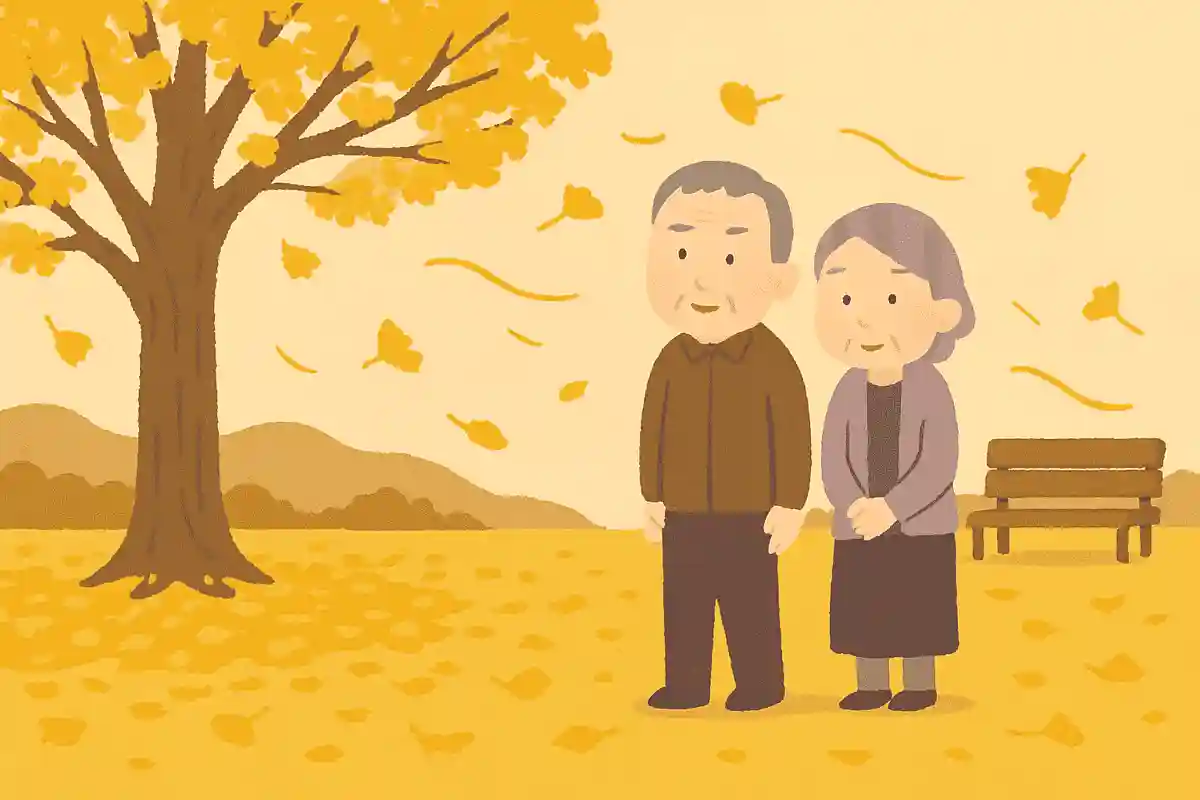
A leading female haiku poet of the Showa era, known along with Tatsuko Hoshino, Takako Hashimoto, and Taka Onna Mihashi as the “Four Ts.” She is also famous for having received devoted guidance from the master, Kyoshi Takahama.
Her accessible, lyrical works drawn from everyday life continue to captivate many fans.
One can interpret the charm of this verse in the quiet wonder of listening, thinking: where did the wind go after shaking loose the ginkgo nuts? In addition to the poems cited here, “In the autumn rain, the gas leaps to the match” is also well known.
In the winter-chill dusk, a mountain crow cries among crimson leaves.Kasha Shirao
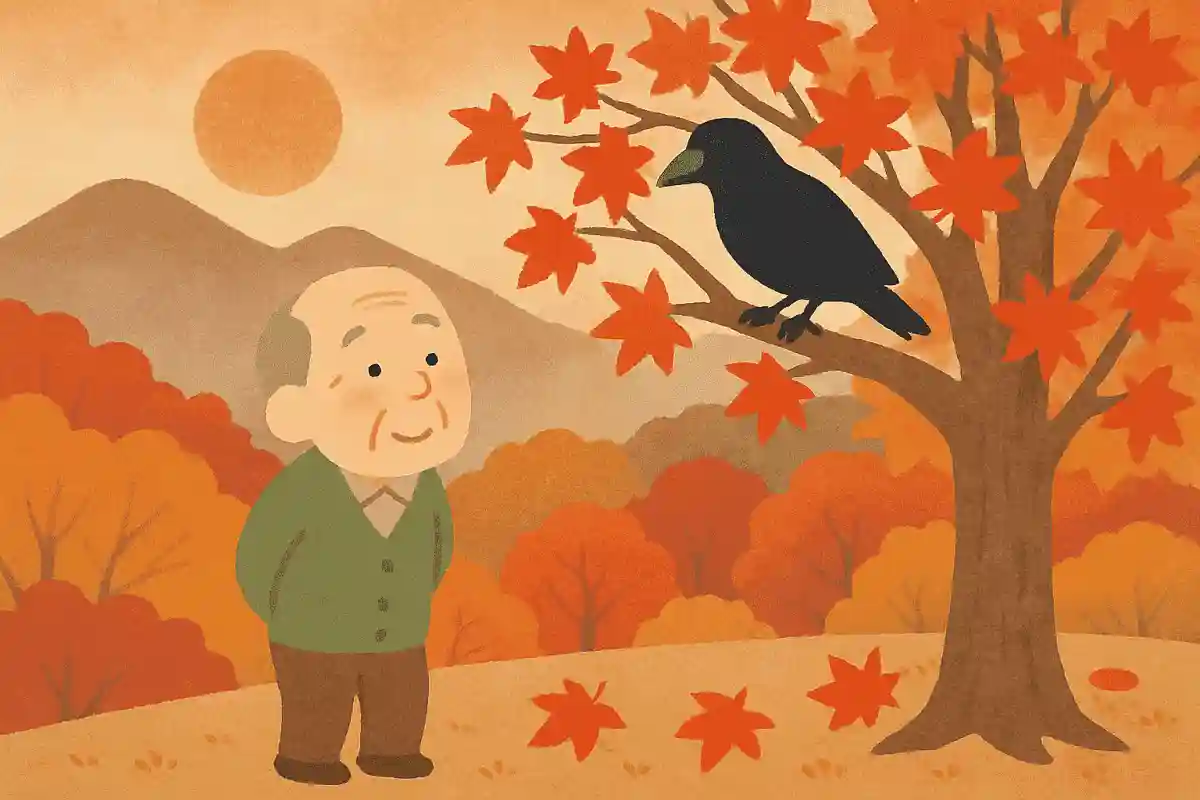
His name, Kayashirao, is read as “Kayashirao.” He was a haiku poet of the Edo period with ties to Shinshu.
There is still a haiku prize named after him, and his delicate poems—marked by what could be called directness and passion—continue to captivate many people.
This verse, which calls to mind the Hyakunin Isshu poem “In the depths of the mountains, as I tread through crimson leaves, the cry of the deer—when I hear it, that is when autumn feels sorrowful,” seems to evoke the quiet melancholy of autumn, even though it features a crow rather than a deer.
The opening phrase, “samuku” (cold), could be considered a kigo overlap, yet even that does not detract from what I believe is a masterful poem.
Grilling saury—into the depths of the scent the sun has setHyūson Katō
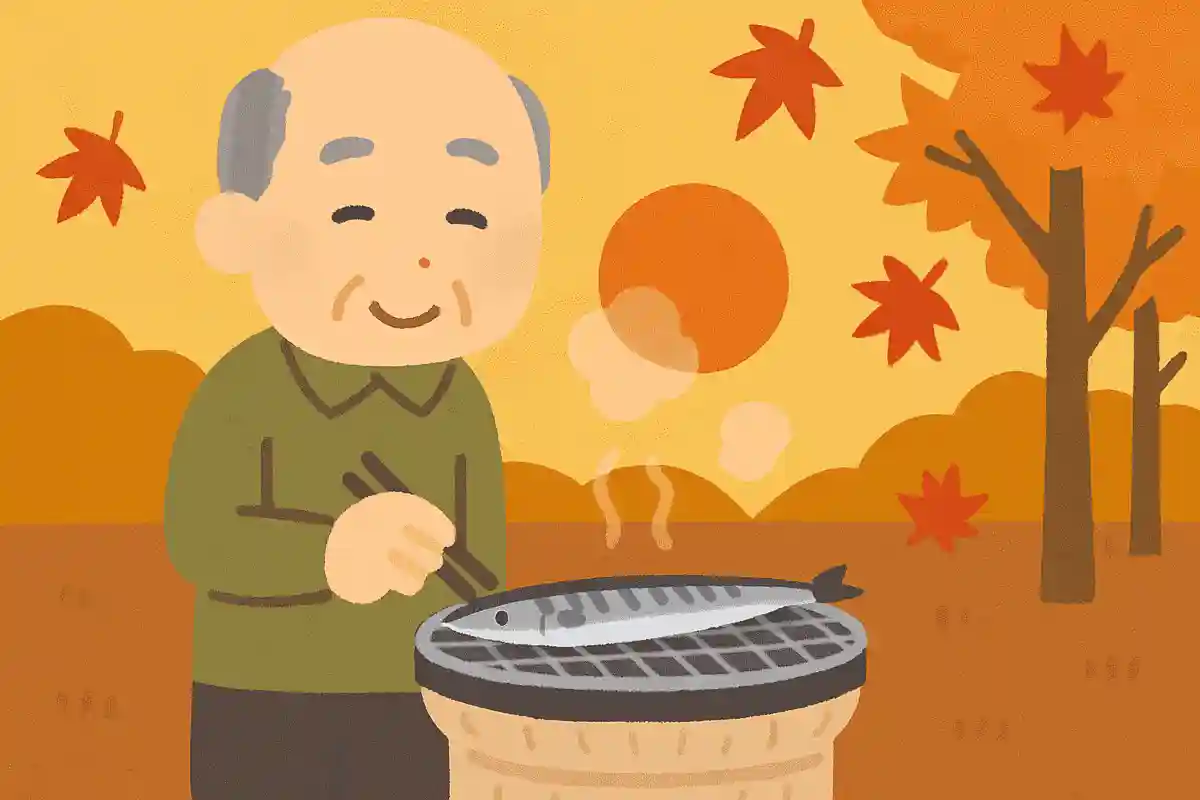
I studied under Akitoshi Mizuhara, but I was not satisfied with composing only kachō-fūei (poetry focused on flowers and birds), and later came to seek a poetic realm deeply rooted in the human interior.
It is well known that, together with Hakyō Ishida and Sōtao Nakamura, I came to be called a member of the “Human Exploration School.” In the past, might pacific saury have symbolized a poor person’s fish? Even in the smell of grilling saury, a seething, inchoate feeling wells up and fades away.
The day has come to an end, but how fully did I live this one day? It’s a single verse that prompts many reflections.
Autumn mountain—quietly the clouds pass by.Soseki Natsume
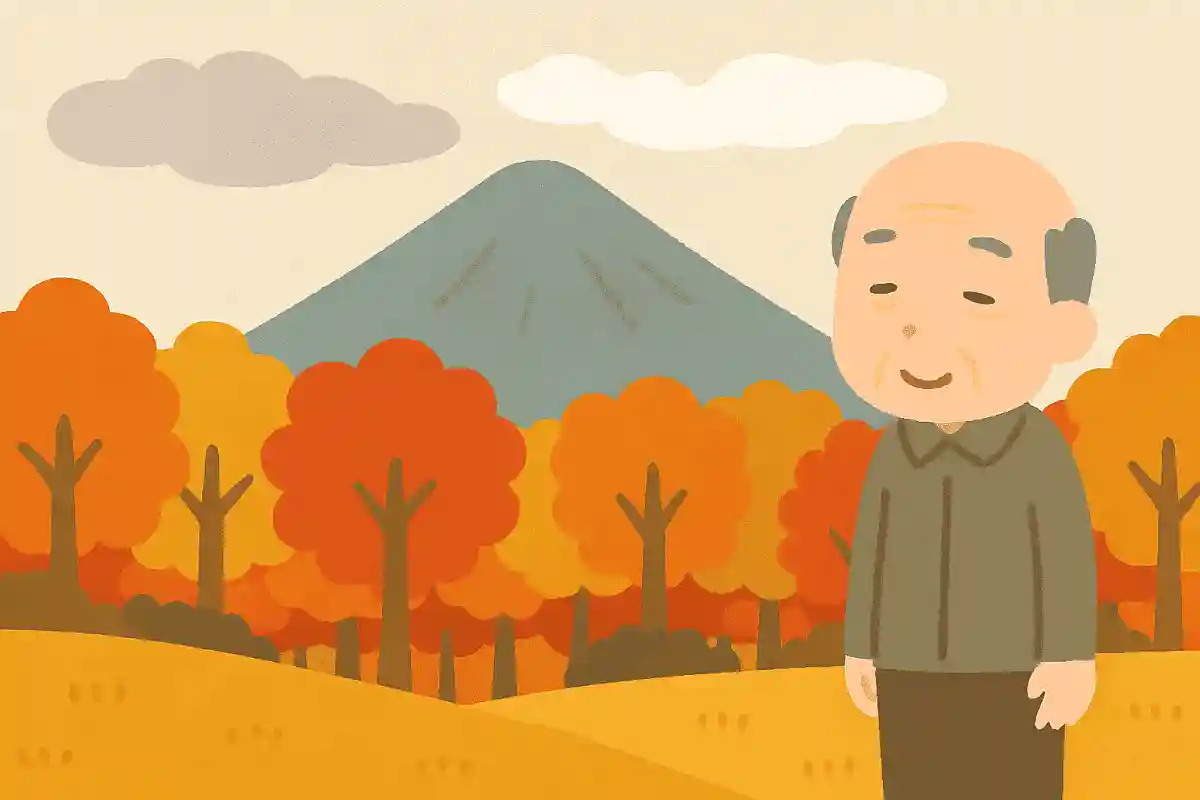
Many of the literary giants known in the world of fiction—such as Koyo Ozaki and Ryunosuke Akutagawa—actually wrote quite a few haiku as well.
When they sensed the changing seasons around them, their creative drive as writers must have inspired many verses.
Natsume Soseki, too, left behind numerous celebrated haiku over his lifetime.
Here is one of them: The summer clouds that hurriedly carried rain have passed, and now high in the sky we see the thin clouds of autumn.
Such clouds skim past the autumn mountains, where the leaves show a touch of crimson.
In this brief stillness, what will you contemplate this autumn?
The bridge comes into view as dusk descends—the autumn sky.Kobayashi Issa

There are also many haiku about children, such as “Snow has melted—children fill the village” and “The child cries, ‘Please fetch the harvest moon for me.’” It is said that Issa composed as many as 21,000 haiku in his lifetime.
Compared to Bashō or Buson, his poems are characterized by a more familiar, gentle feeling.
As the high clouds drift across the autumn sky and evening draws near, by the time we cross the usual bridge, night falls as it always does.
It’s similar to that ennui we feel when we ride the same train to work every day.
How did you interpret it?
In the evening sky, the scent of grilling saury drifts to SaturnKawabata Bosha
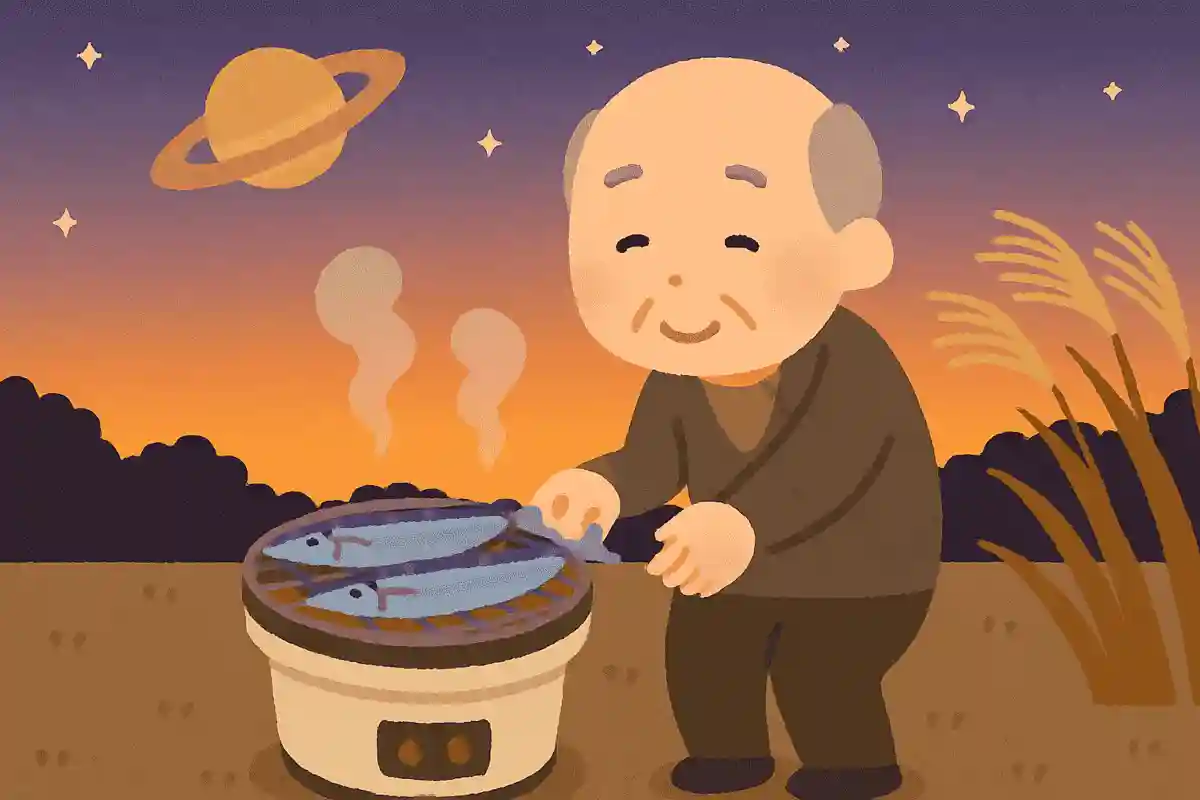
Mr.
Bosha, who gave up the path of a painter due to illness and later turned to haiku, had a career in which he remained a leading figure for a long time as a representative poet of the haiku magazine Hototogisu after the “Four S.” Please study up on the frequently mentioned “Four S” in haiku history on your own! His style, which makes full use of a painter’s eye, is dignified and follows the royal road of haiku.
Even though this poem includes the seemingly outlandish word “Saturn,” its overall bearing as a single verse is truly elegant.
If an amateur tried to write a haiku using “Saturn,” they would almost certainly sink without a trace, wouldn’t they?
On this road, with no one passing by, autumn evening falls.Matsuo Bashō
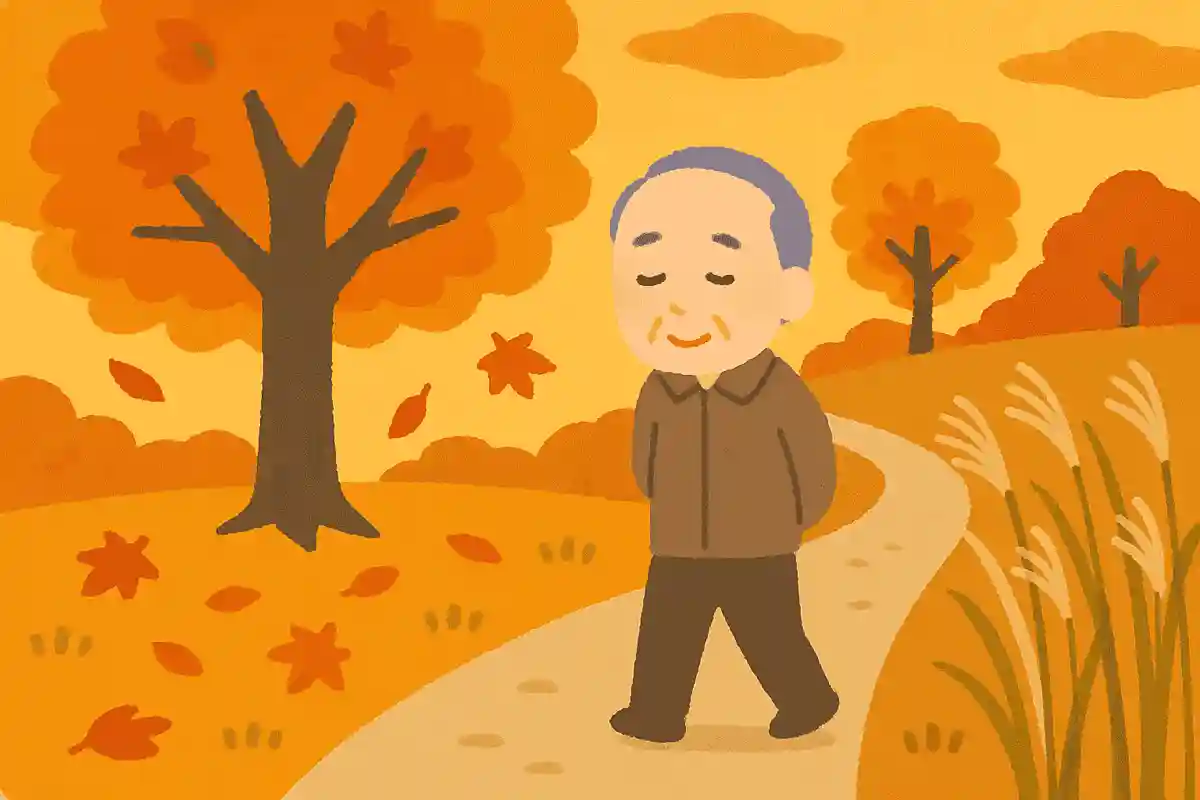
A scene that feels as if it’s been left behind on a deserted street.
With dusk, the air grows colder, and you can almost hear fallen leaves rustling in the wind—an evocative line that gently conveys autumn’s loneliness and quiet.
It’s perfect for haiku appreciation among older adults, naturally drawing out empathy for life’s journey and the changing seasons.
There’s a calm that resonates with the reader’s experiences, and reading it aloud makes it even more flavorful.
Ideal for October, it offers a serene moment to savor the sights of autumn.
