

[For Seniors] Conversation starters that help you chat: engaging questions and topics to spark lively talks


Care workers who interact with older adults every day may often wonder what topics will get a good conversation going.
Sometimes, you might even find yourself at a loss for words.
However, casual conversations with seniors can be valuable opportunities to build communication, so it’s helpful to be able to talk smoothly.
In this article, we’ll introduce questions and topics that can spark lively conversations when talking with older adults.
If you’re struggling with communication with seniors, please use this as a reference.
- [For Seniors] Hilarious! A Collection of Funny Questions
- Fun, engaging topics for conversations with older adults!
- [For Seniors] Fun and Lively! Recommended Quiz Questions
- [For Seniors] Great for Brain Training! Question Card Ideas
- Conversations Made Easy! A Collection of Topics That Elderly People Enjoy
- [For seniors] Dice talk: engaging prompts
- Words useful for conversations with elderly people. Words that were used in the past.
- [For Seniors] Guaranteed to Liven Things Up! A Collection of Brain Training Activities That Will Spark Laughter
- [For Seniors] Perfect Brain Training! Fun Trivia
- [For Seniors] Today’s Recommended Activity: Fun and Engaging
- [For Seniors] Uplifting Words That Comfort the Heart
- Introducing words that will delight elderly people
- [For Seniors] Fun! Let’s Get Excited with Japan’s Number One Quiz
[For Seniors] Conversation starters that help keep the talk flowing: engaging questions and topics (21–30)
Celebrities and actors I liked
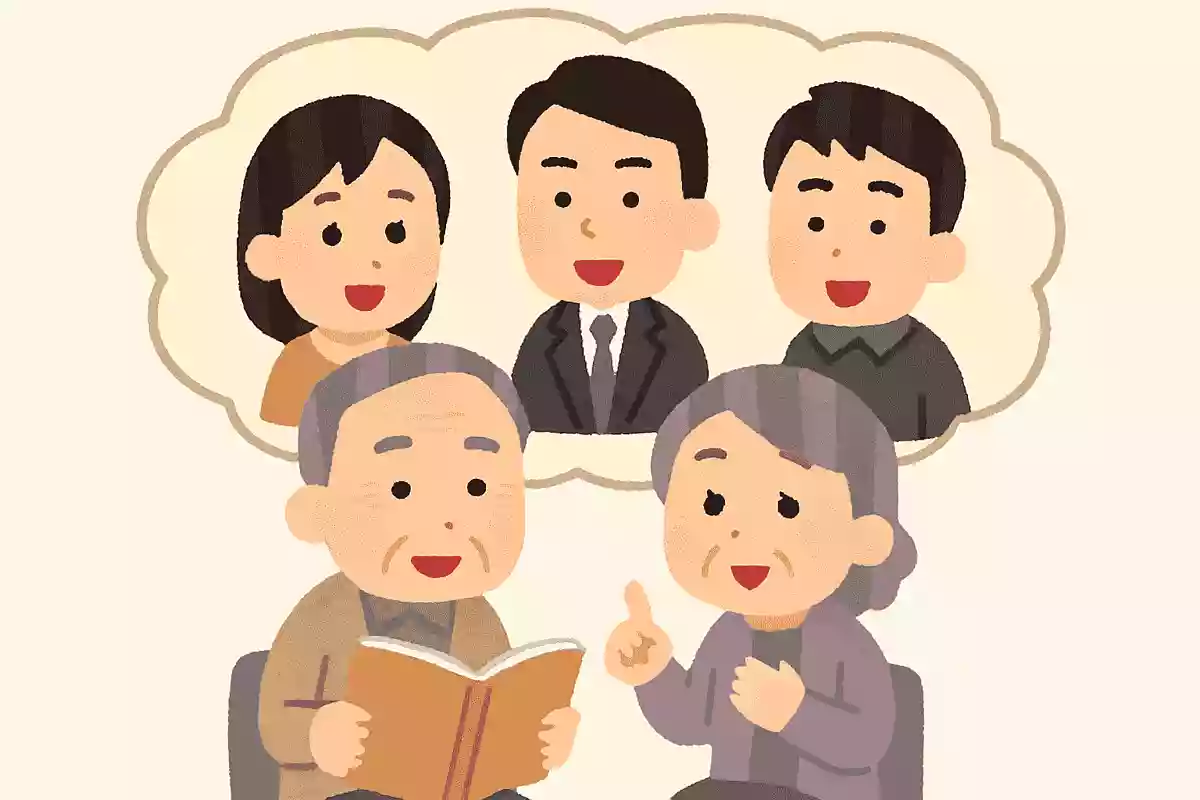
Reminiscence therapy, which has drawn attention for its effectiveness in preventing dementia and slowing its progression, is particularly engaging when themed around “favorite celebrities or actors.” This topic readily captures older adults’ interest and naturally encourages conversation.
Talking about classic movie stars and singers can evoke memories and stimulate brain activity.
It’s also easy to implement in care settings: discussing while looking at photos or videos helps create enjoyable shared moments.
When people find common memories, interaction with other participants becomes more active, which can help reduce feelings of isolation.
It’s a practical and effective dementia-prevention approach that can be incorporated into daily life without strain.

Meeting my spouse
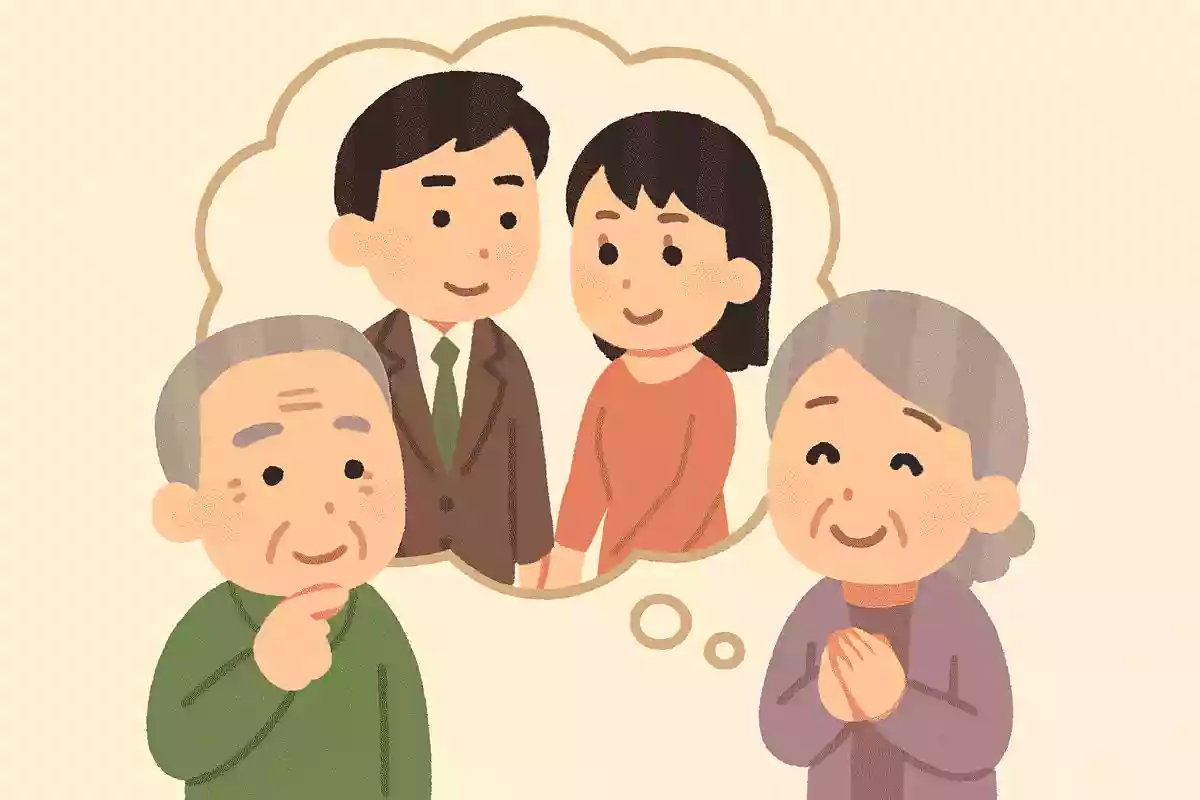
Meeting people is one of life’s precious treasures, and many people may especially cherish how they met their spouse.
How about inviting them to recall and share the story of how they met their partner and how that relationship developed? Since it’s impossible to predict how people will meet and what kind of relationship will grow from it, some might have truly surprising stories.
Noticing how each person’s path has been different could also be a great conversation starter.

[For Seniors] Conversation starters that help you chat: engaging questions and topics (31–40)
A story about a pet I used to have
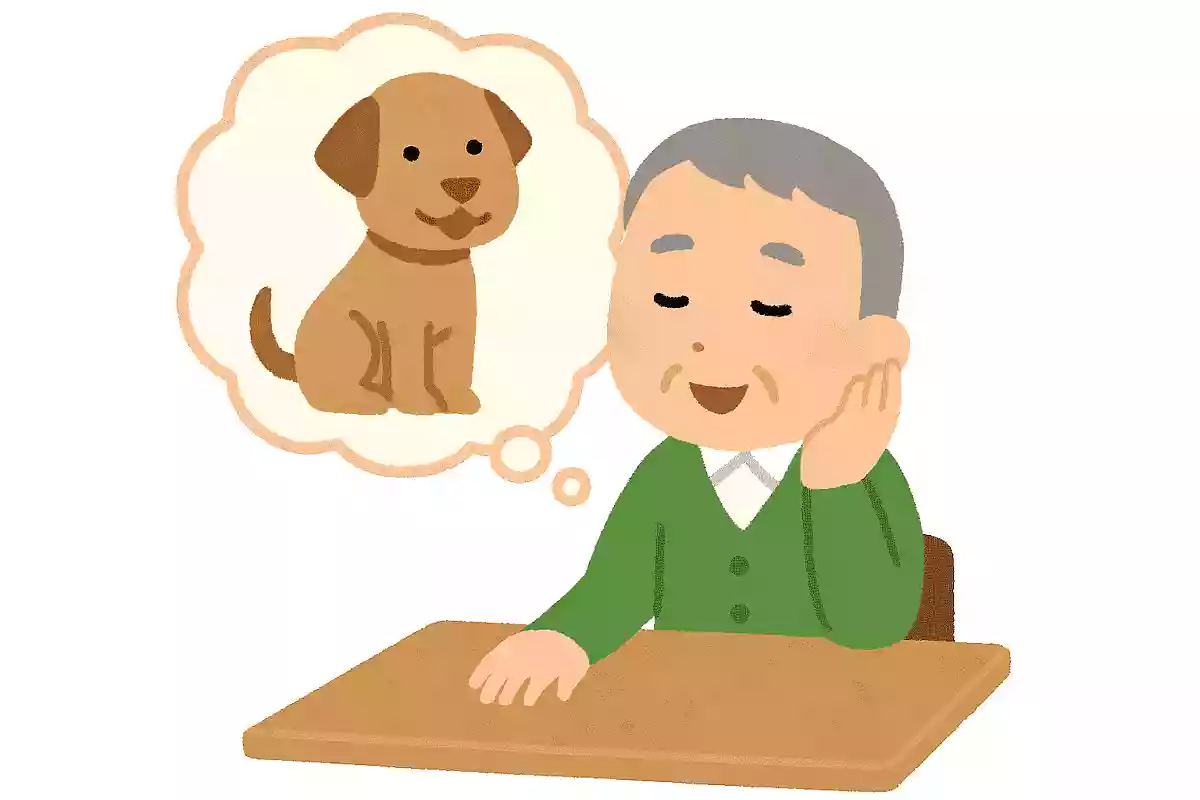
“I used to have a dog.” Reminiscence that begins with a simple line like this is highly effective for preventing dementia.
Among such topics, “stories about pets we used to keep” are especially good at drawing out memories strongly tied to emotions, which helps activate the brain.
Talking about walks with the pet, the origin of its name, or its little quirks naturally brings smiles and encourages conversation.
It’s easy to put into practice in care settings, and it’s even more effective when talking while looking at photos.
Animal-related memories are common to many people, fostering interaction with other participants as well.
Because it’s a familiar, heartwarming theme, it can greatly help slow the progression of dementia.
Story about pets
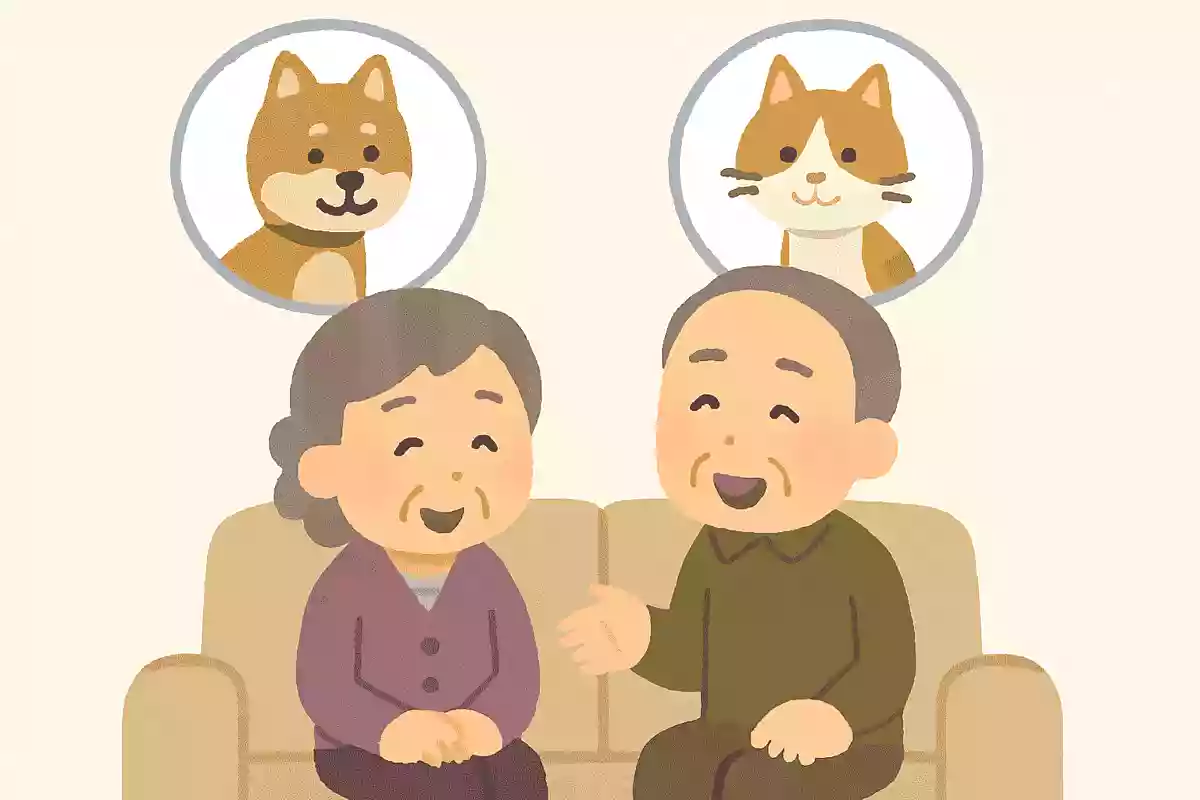
How each of us has interacted with animals varies from person to person, and even the pets we’ve had show their own personalities.
How about looking back on your memories of how you’ve related to animals and the pets you’ve owned? By noticing the differences—such as between people who have kept many kinds of pets and those who really wanted to but never could—you might also see the unique paths each person has taken.
If you can recall what you felt during the time you spent with pets, it may even become a chance to bring a sense of peace to your heart.
Stories about family and grandchildren
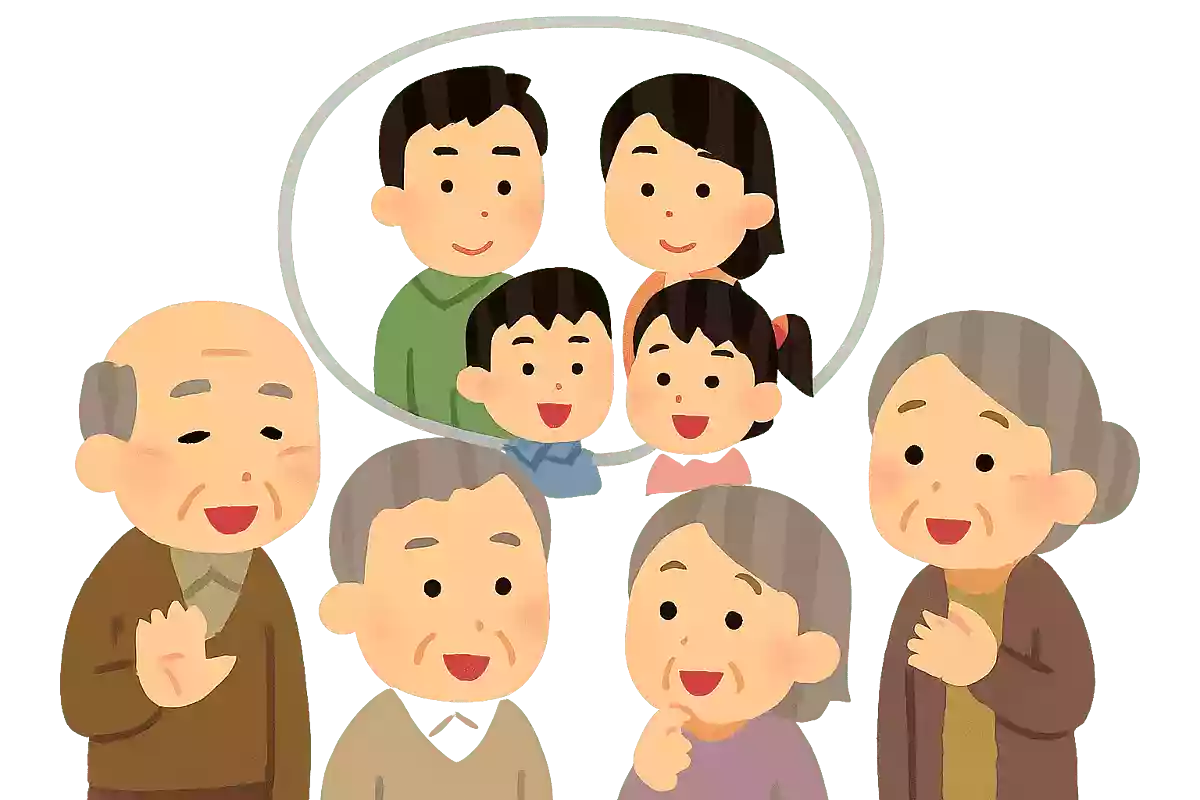
Each of us is influenced by our family in our own lives, and I imagine everyone has their own episodes to share.
How about recalling events related to your family and reflecting on the path you’ve taken so far? The nature of family relationships and how people influence one another differs from person to person, so talking about it might lead to new discoveries.
Even if you don’t have any particularly amusing stories, simply feeling your family’s love could become a source of comfort.
Travel Story
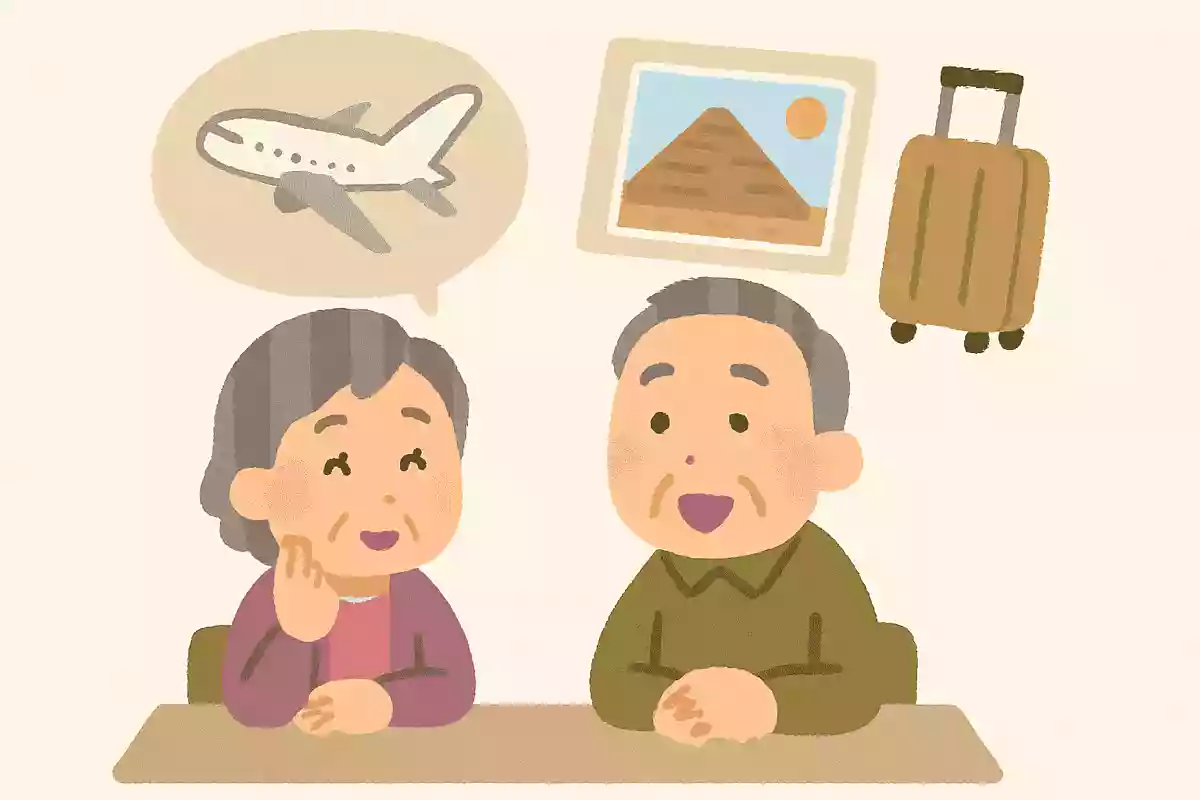
How about travel as a topic that can really engage older adults? Trips taken with friends in their youth, honeymoons, family vacations with children or grandchildren—most people have at least one trip filled with special memories.
Talking about places they’d like to visit next can also spark lively conversation.
By sharing travel memories with other participants and being inspired by each other’s stories, they can enjoy meaningful time together and promote communication.
In addition, retracing old memories can stimulate the brain and may help reduce stress.

How I spent my days off when I was working
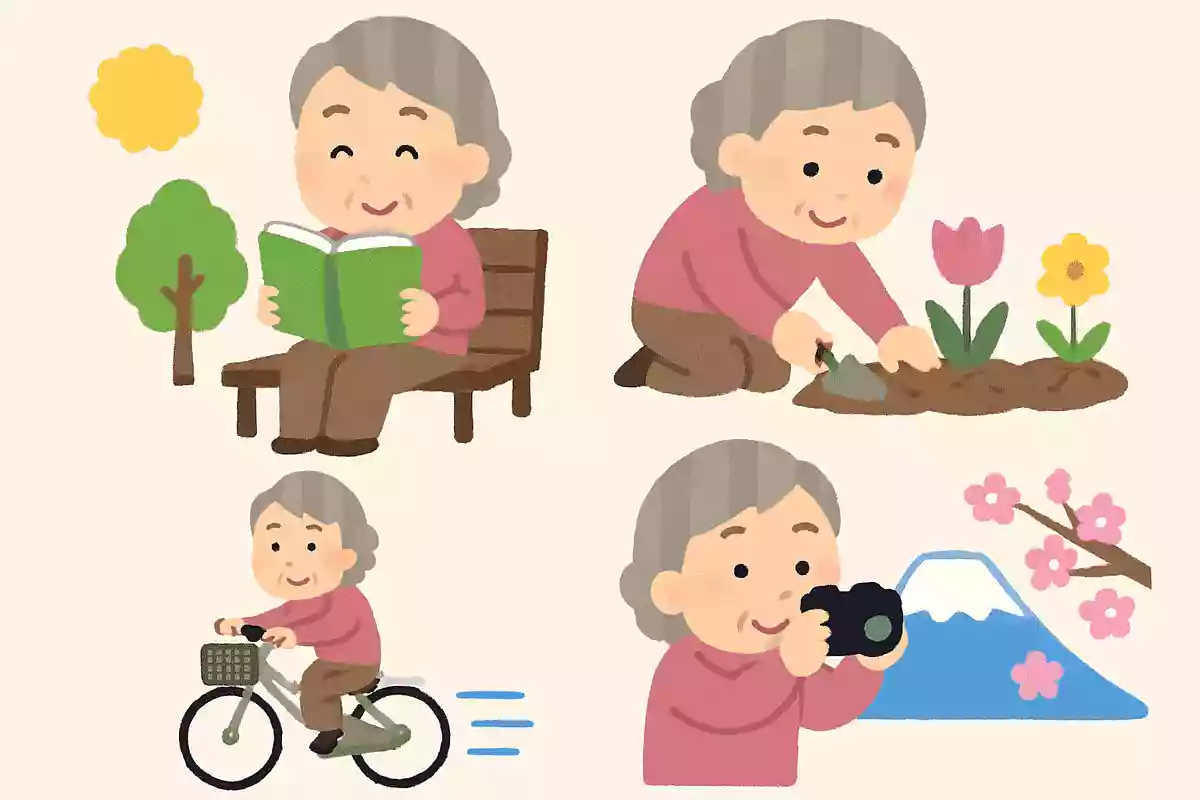
How did you spend your days off back when you were working? Some people went on drives for family time, some immersed themselves in hobbies like fishing or gardening, some worked without taking breaks, and some might have just lazed around taking naps.
Simply talking about those ordinary memories can stimulate the brain and may help prevent dementia.
Nostalgic stories about days off tend to stir emotions and are easy for everyone in senior facilities to relate to.
Just looking back on those happy times can help slow progression, making it a doubly beneficial theme.