

[For Seniors] Conversation starters that help you chat: engaging questions and topics to spark lively talks


Care workers who interact with older adults every day may often wonder what topics will get a good conversation going.
Sometimes, you might even find yourself at a loss for words.
However, casual conversations with seniors can be valuable opportunities to build communication, so it’s helpful to be able to talk smoothly.
In this article, we’ll introduce questions and topics that can spark lively conversations when talking with older adults.
If you’re struggling with communication with seniors, please use this as a reference.
- [For Seniors] Hilarious! A Collection of Funny Questions
- Fun, engaging topics for conversations with older adults!
- [For Seniors] Fun and Lively! Recommended Quiz Questions
- [For Seniors] Great for Brain Training! Question Card Ideas
- Conversations Made Easy! A Collection of Topics That Elderly People Enjoy
- [For seniors] Dice talk: engaging prompts
- Words useful for conversations with elderly people. Words that were used in the past.
- [For Seniors] Guaranteed to Liven Things Up! A Collection of Brain Training Activities That Will Spark Laughter
- [For Seniors] Perfect Brain Training! Fun Trivia
- [For Seniors] Today’s Recommended Activity: Fun and Engaging
- [For Seniors] Uplifting Words That Comfort the Heart
- Introducing words that will delight elderly people
- [For Seniors] Fun! Let’s Get Excited with Japan’s Number One Quiz
[For Seniors] Conversation starters that help you chat: Fun questions and topics to liven things up (41–50)
Gratitude to my family
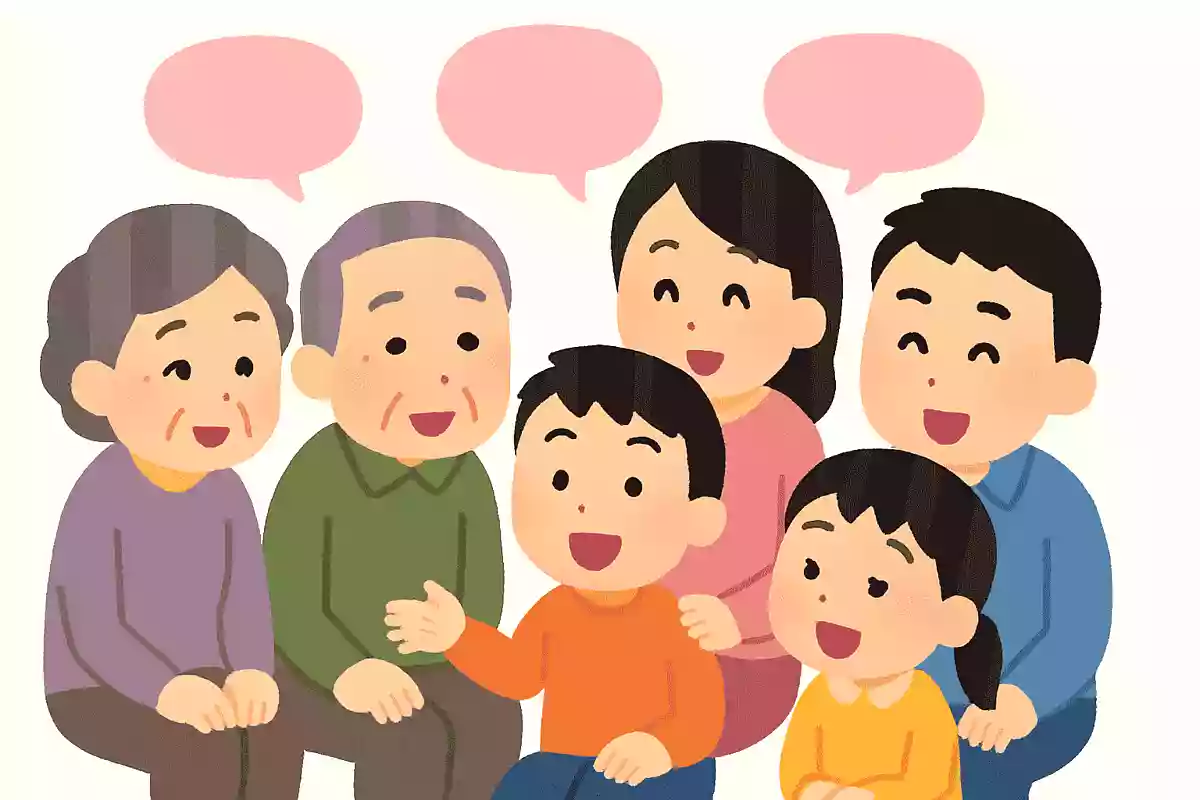
Family is the closest presence in life, sometimes supporting and encouraging one another, and is truly precious.
Precisely because we have spent so many years together, there are moments when we realize how valuable the everyday ordinary really is.
No matter how much time passes, the presence of family remains a source of strength for the heart.
By sharing stories with each other, we can once again feel how important family is.
Conversations come alive when we talk about the warm words and small gestures of thoughtfulness that have supported us and how much strength they have given us.
Feelings of gratitude must be put into words to be conveyed.
As we look back on past memories, it will become a time to once again appreciate their importance.

An embarrassing story
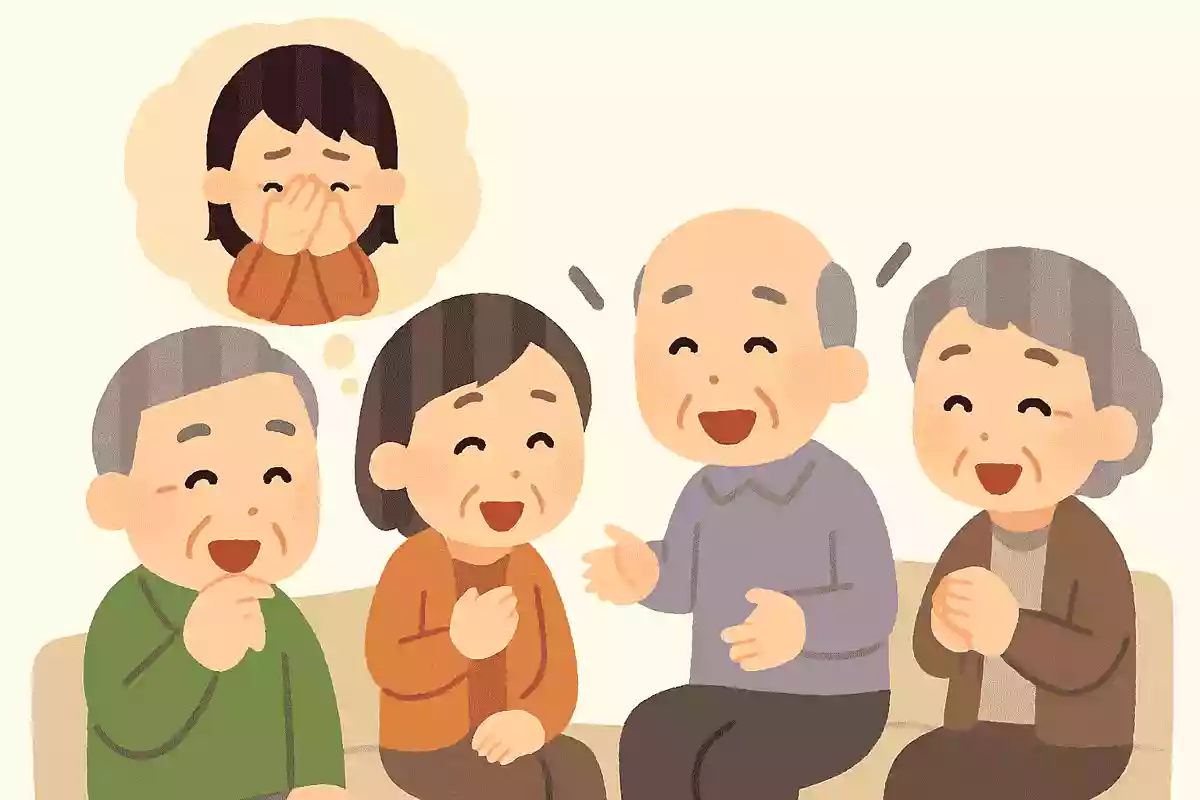
Embarrassing moments that everyone has experienced at least once are one of the best themes for livening up a conversation.
Those times when you couldn’t help but blush, or episodes that seem funny in hindsight, easily draw empathy from listeners and help get the conversation going.
Sharing stories like “It was tough back then, but now it’s a good memory” can create a warm, relaxed atmosphere.
Tales of mishaps or clumsy mistakes are things we can enjoy talking about more as we get older.
By sharing and laughing together about embarrassing experiences, you can build a stronger sense of closeness.
Places I went to recently

A great topic that helps older adults get closer to one another and make new discoveries is places they’ve been recently.
Looking back on places you’ve visited—like a nearby park, a walking path, or a travel destination—naturally expands the conversation.
Sharing what you noticed or experienced there makes it easier for others to take interest.
Asking participants about where they’ve been lately might even give everyone ideas for new outings.
As people recall enjoyable moments or memorable scenery from their trips, the atmosphere warms up and it creates opportunities for the circle to grow.
Things I like about myself
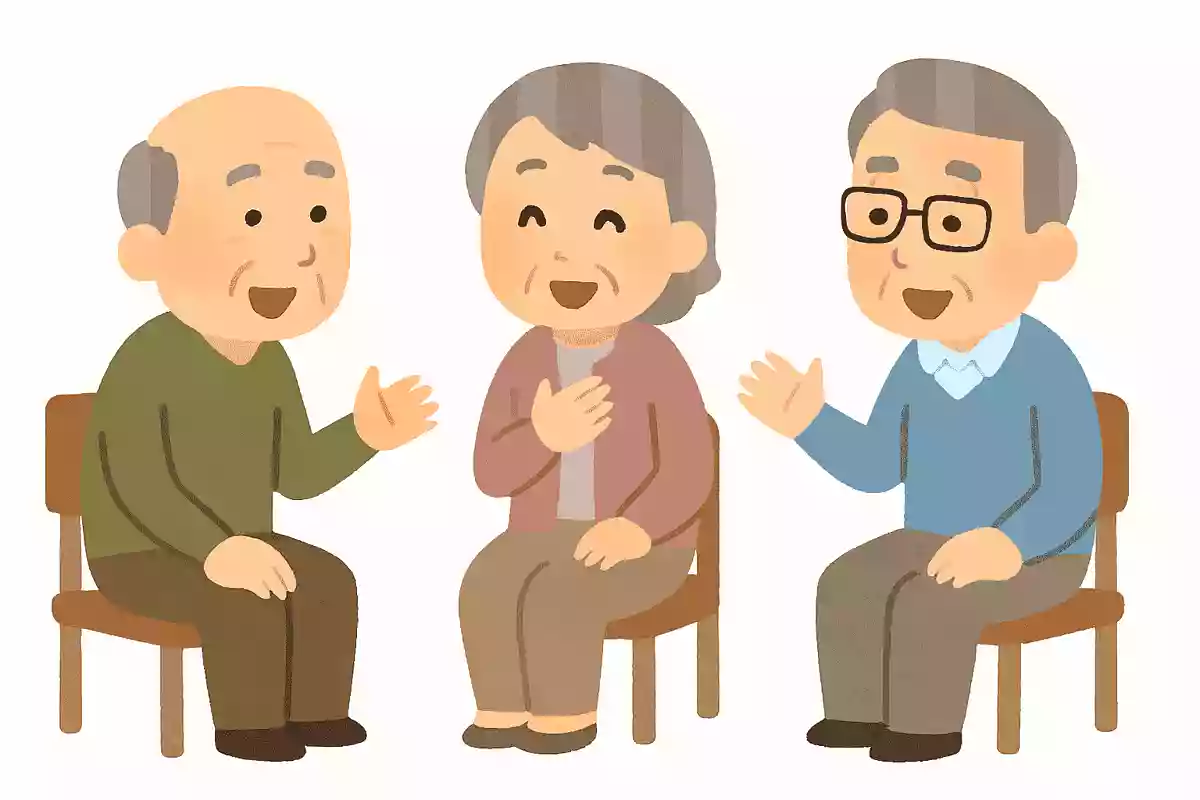
This is a conversation topic that helps everyone feel positive by talking about each person’s strengths.
Bring up skills you’ve developed over the years or qualities people often praise you for.
If you talk about things you’ve always been good at or charms you’ve recently discovered about yourself, others might offer fresh perspectives.
It’s also great to share parts of your personality you like or values you hold dear.
By listening to others, you may realize, “I have good qualities like that too,” and make new discoveries.
Exchanging positive traits creates a fun atmosphere and spreads smiles.
Neighborhood store
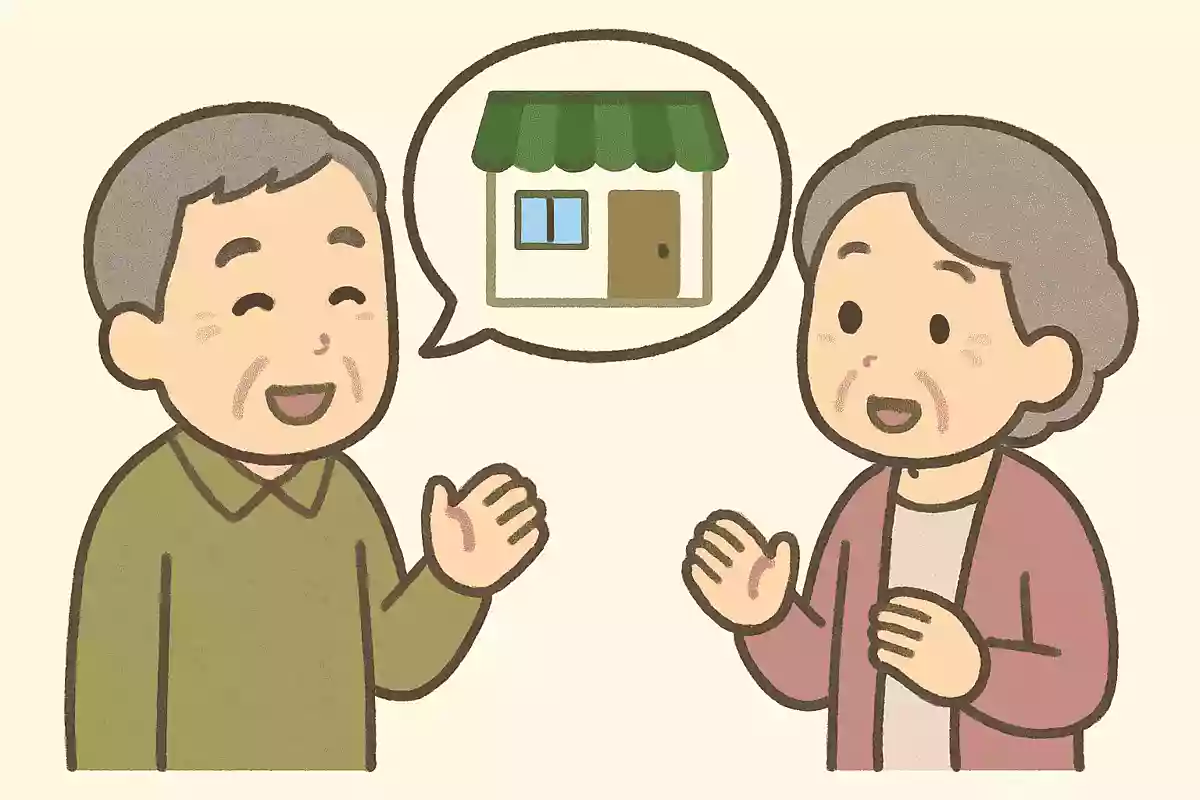
It’s also a good idea to ask older adults about shops near where they used to live or currently live.
These days, supermarkets have increased and people buy less from small, privately owned stores, but asking about the shops they liked in the shopping streets when they were children is recommended.
Ask in detail—what products they liked, what the shop staff were like, and so on.
Getting them to recall various memories is good brain training.
It also provides clues to understanding that person’s daily life.

If you could have one wish granted, what would you ask for?
If you could have just one wish granted, what would you wish for? It’s something everyone has probably heard or thought about at least once.
Things you’re dying to do now, things you really wanted to try back then, things you couldn’t do for a reason—there are as many wishes as there are people.
You might not often say your wishes out loud, but within a recreational setting, it could be easier to talk about them.
It can be widely used as a conversation starter with family or friends, and as a recreation activity in senior care facilities.
Give it a try!

Words that bring out motivation

In many senior care facilities, group exercises are offered to help maintain physical function.
While we want residents to participate within their comfort levels, there are likely some who choose not to join.
In such cases, adding a name or description that seniors find trustworthy can encourage smoother participation.
For example, before the exercise session, try mentioning that “this was featured on an NHK program” or “this routine was developed by a doctor.” Many older adults tend to trust these two sources.
Consider incorporating this approach.
