

[For Seniors] Popular Brain Training and Recreational Quizzes

When it comes to brain-training recreation… quizzes! They’re easy to enjoy, which makes them one of the most popular activities.
This time, we’ve gathered brain-training games that seniors can enjoy.
They’re also recommended for those who feel their memory or confidence in numerical calculations has waned a bit lately.
Thinking with your head activates the brain and helps prevent dementia.
If you’re planning quiz-based recreation for a day service or senior facility, be sure to give it a try.
- [For Seniors] Brain Training! Recall Quiz Collection!
- [For Seniors] Lively Wordplay Game: Fun Recreation for Elderly Care
- [For Seniors] Brain Training Recommended for Dementia Prevention
- [For Seniors] Fun Brain Training! Prefecture Quiz
- [For Seniors] Boost Your Knowledge! Fun Trivia Quiz
- [For Seniors] Perfect Brain Training! Fun Trivia
- [Brain Training] Lively Word Quiz for Seniors
- [For Seniors] Find daily brain training. Today’s recommended brain workout.
- [For Seniors] Fun Riddles That Stimulate the Brain
- [For Seniors] Fun and Lively! Recommended Quiz Questions
- [For Seniors] Have Fun with Wordplay Characters! A Collection of Funny Puzzles
- Hand games that liven things up for seniors—also great brain training
- [For Seniors] Brain-training quizzes for January: Let’s have fun with New Year and winter trivia
[For Seniors] Popular Brain Training and Recreational Quizzes (111–120)
Besides salt, what seasoning, when sprinkled on a slug, would make it shrink?
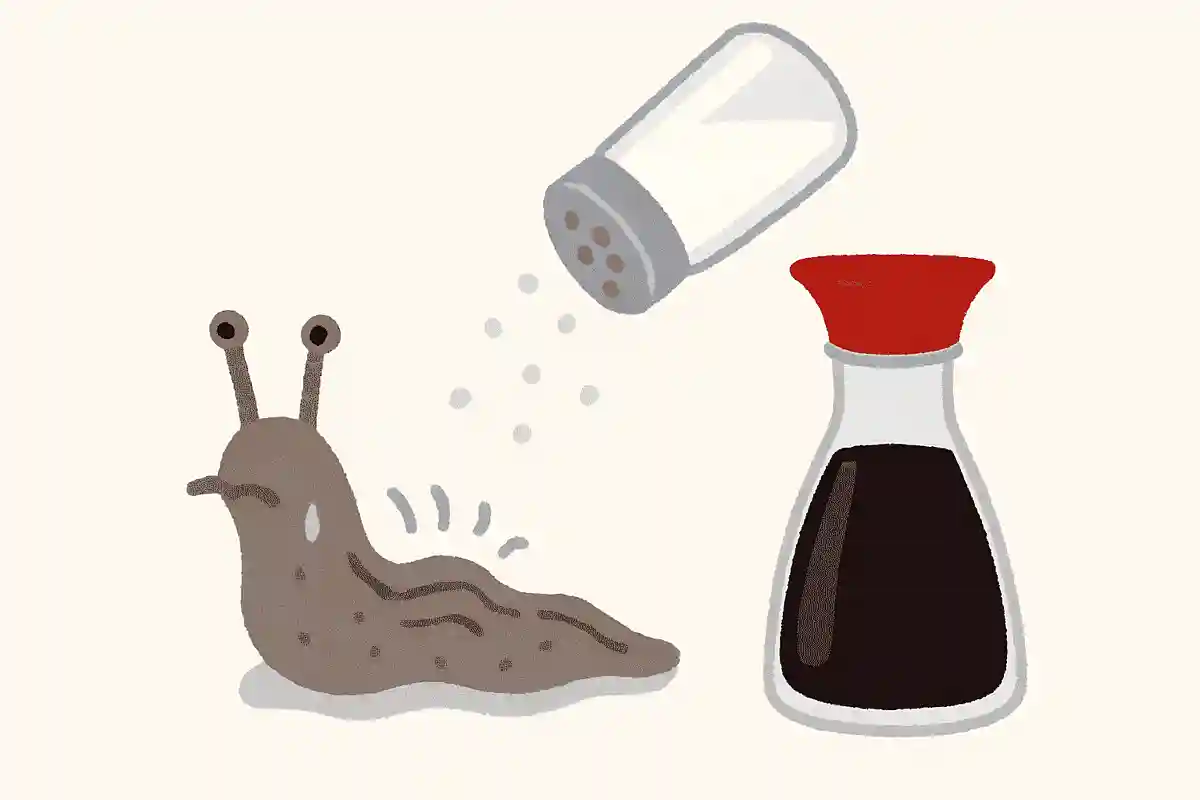
Slugs that appear on rainy days.
Everyone knows they shrivel up when you sprinkle salt on them.
In fact, there’s another seasoning that makes them shrink when sprinkled: sugar.
The mechanism is the same as with salt—water is drawn out of the slug’s body.
However, with sugar it’s said to take about six times longer to fully shrivel than with salt.
If you want to learn more, check out videos of actual experiments.
That said, it does feel a bit sad.

[For Seniors] Popular Brain-Training and Recreation Quizzes (121–130)
Ichiro, a former professional baseball player who also excelled in the Major Leagues. He has two brothers; is he the older or the younger son?
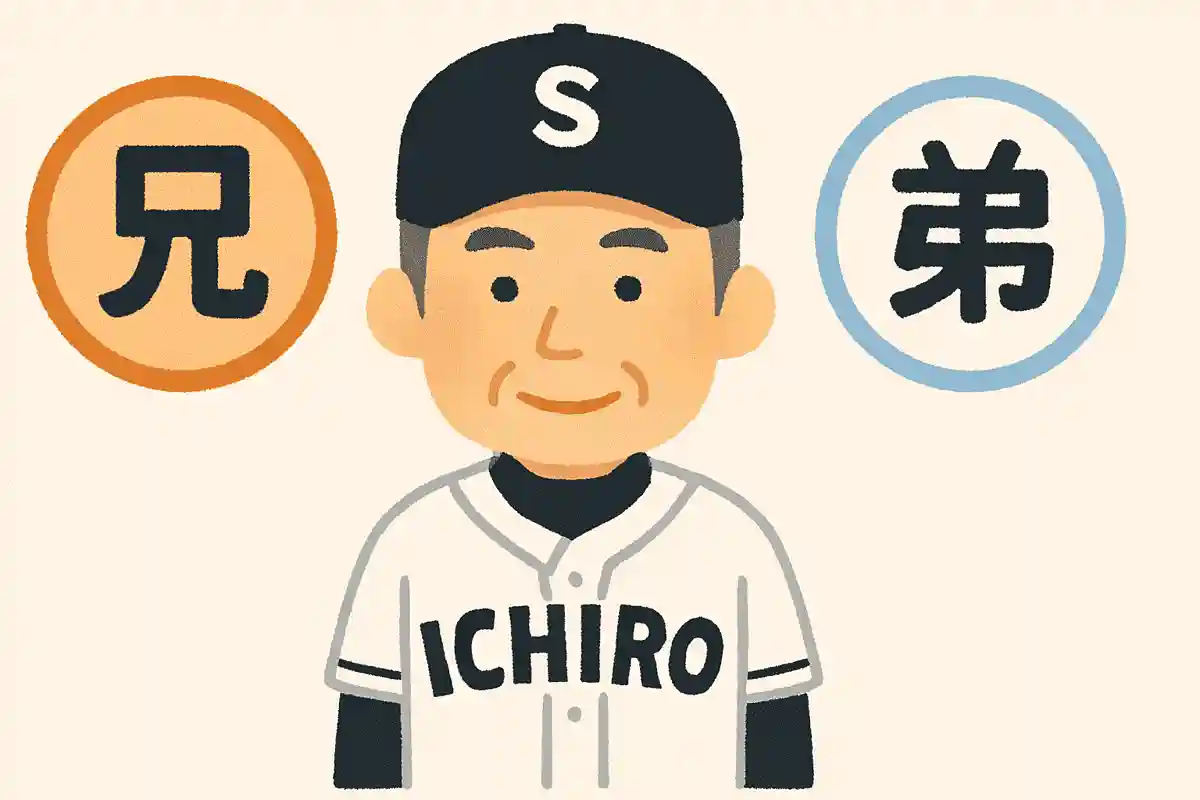
Ichiro Suzuki, known simply as Ichiro, made a tremendous impact not only in Japan but also in Major League Baseball in the United States.
Although he retired in 2019 to much regret, his achievements remain etched in many people’s memories.
Ichiro actually has a sibling, but is he the older or younger brother? From his name, you might think he’s the firstborn, but the answer is that he’s the younger brother! It’s the kind of question many people might get wrong, so it could be fun to pose the same quiz to someone after this.
By the way, his older brother’s name also includes the character for “one” (一).

What are the buttons on the sleeves of school uniforms and suits for?
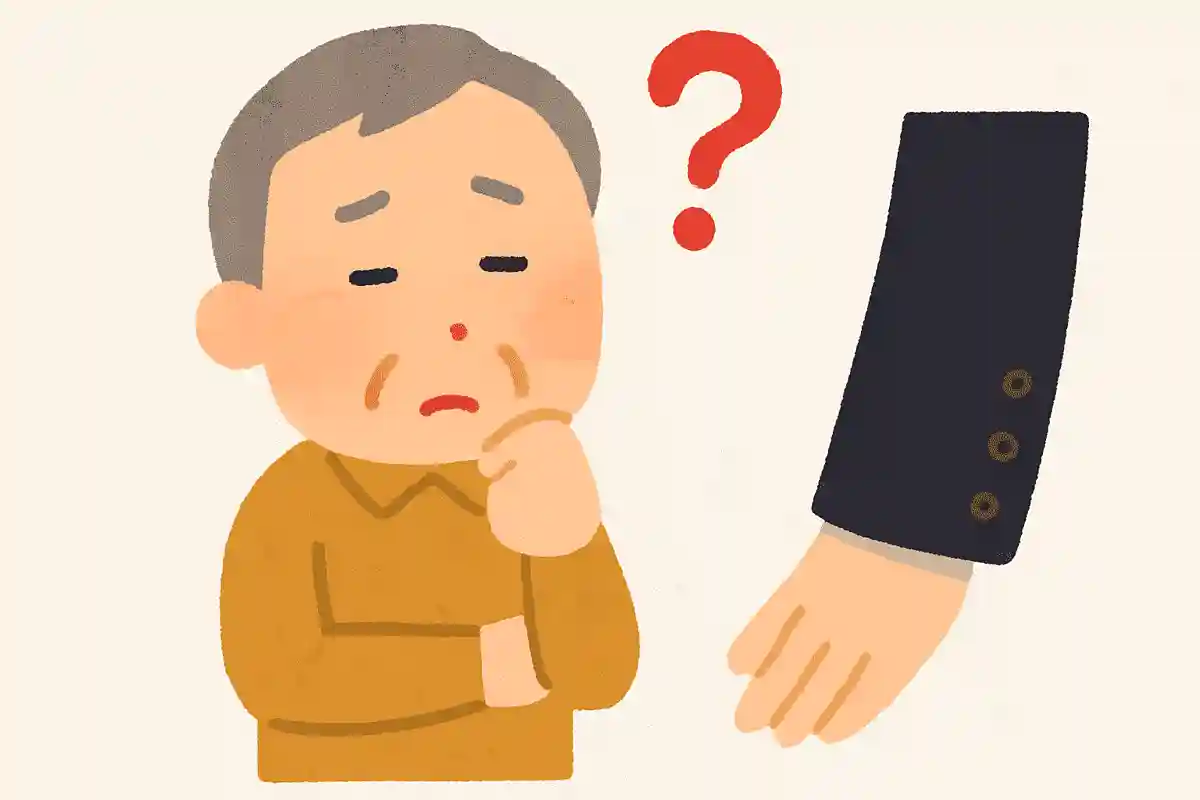
The buttons on the sleeves of jackets, like those on school uniforms and suits, may seem to serve little purpose—but why are they there? The answer is: to keep people from wiping their noses on their sleeves.
One theory says it began during Napoleon’s Russian campaign, when, unable to bear the sight of soldiers shivering in the cold and wiping their noses on their uniform sleeves, buttons were added.
There are also theories that they were meant to make it easier to open the cuffs and roll up the sleeves, or that they serve a purely decorative purpose.
In any case, it’s fun to ponder the history behind them.

If you adjust the way you sleep, it becomes harder for blood clots to form. What position should you sleep in?
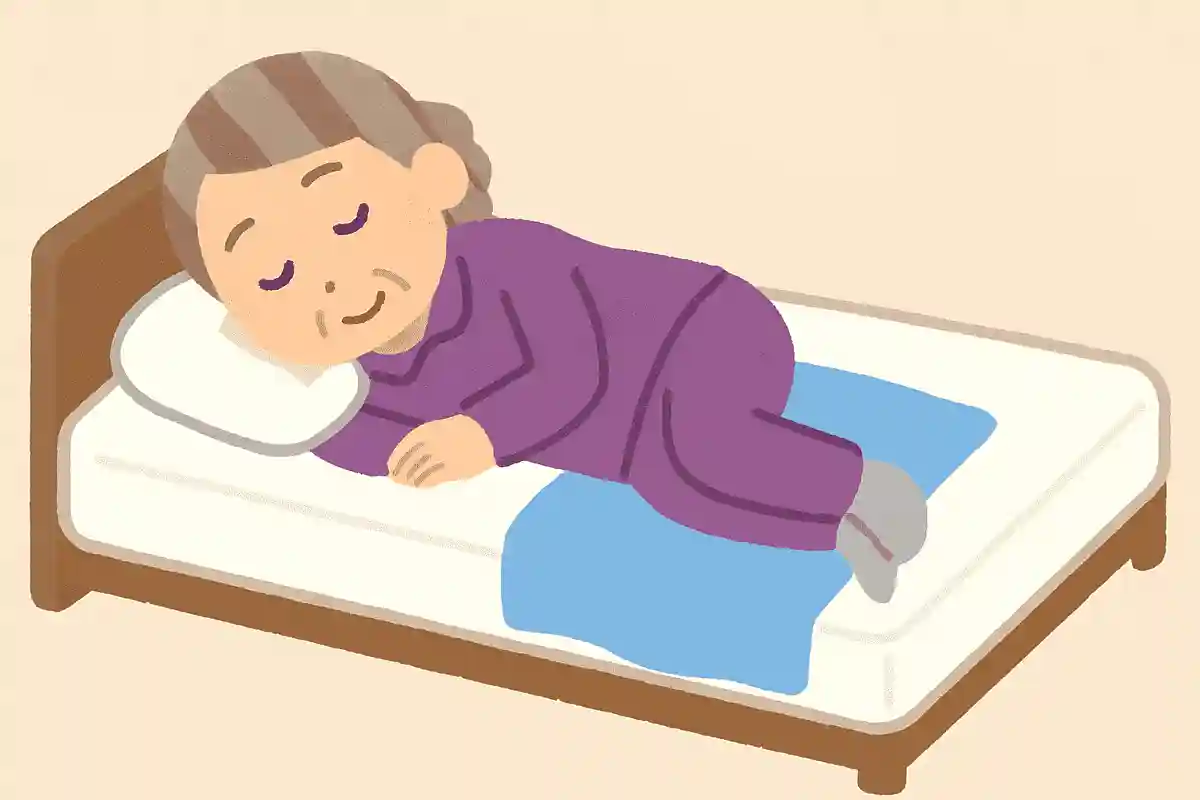
Blood clots that form in the bloodstream can block the vessels that run throughout the body, potentially leading to life-threatening conditions such as heart attacks and strokes.
Older adults tend to have poorer circulation as they age, so they need to be especially careful about blood clots.
If sleeping position can help prevent them even a little, that would be great, right? So, the answer to this quiz is sleeping on your back.
Compared to lying on your side, sleeping flat on your back helps blood circulate smoothly throughout the body, making it the better position.
It also places less strain on the internal organs.
Yamagata Prefecture is famous for its high production of cherries. There is also a cherry-themed competition in Yamagata Prefecture—what kind of competition is it?
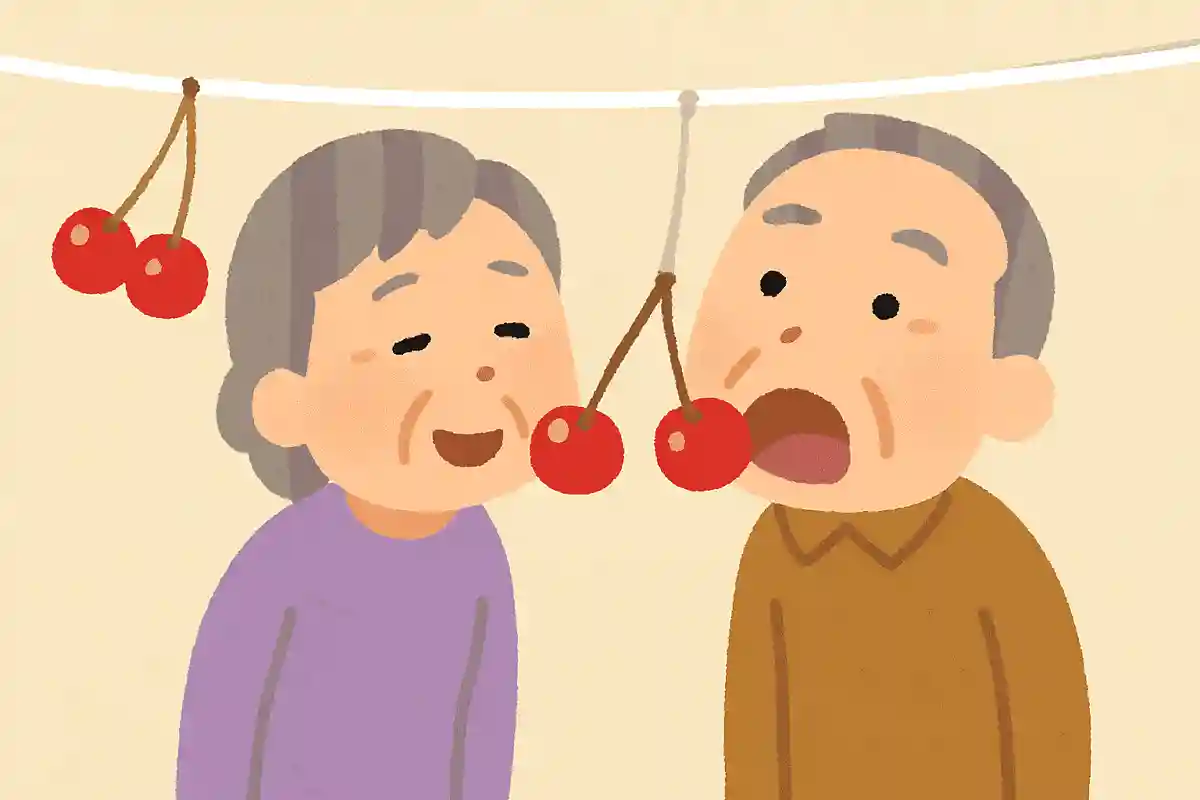
Cherries are a fruit that represents Yamagata Prefecture, and various events are held to promote them.
Among these events, let’s think about those held in a tournament format.
The hint is an action that might seem ill-mannered and is strongly associated with children.
The answer is a cherry pit-spitting contest.
Since it’s a competition conducted under proper rules, it might be interesting to learn about the tournament’s overview as well.

What color are the lanterns used during the first Obon (shinbon)?
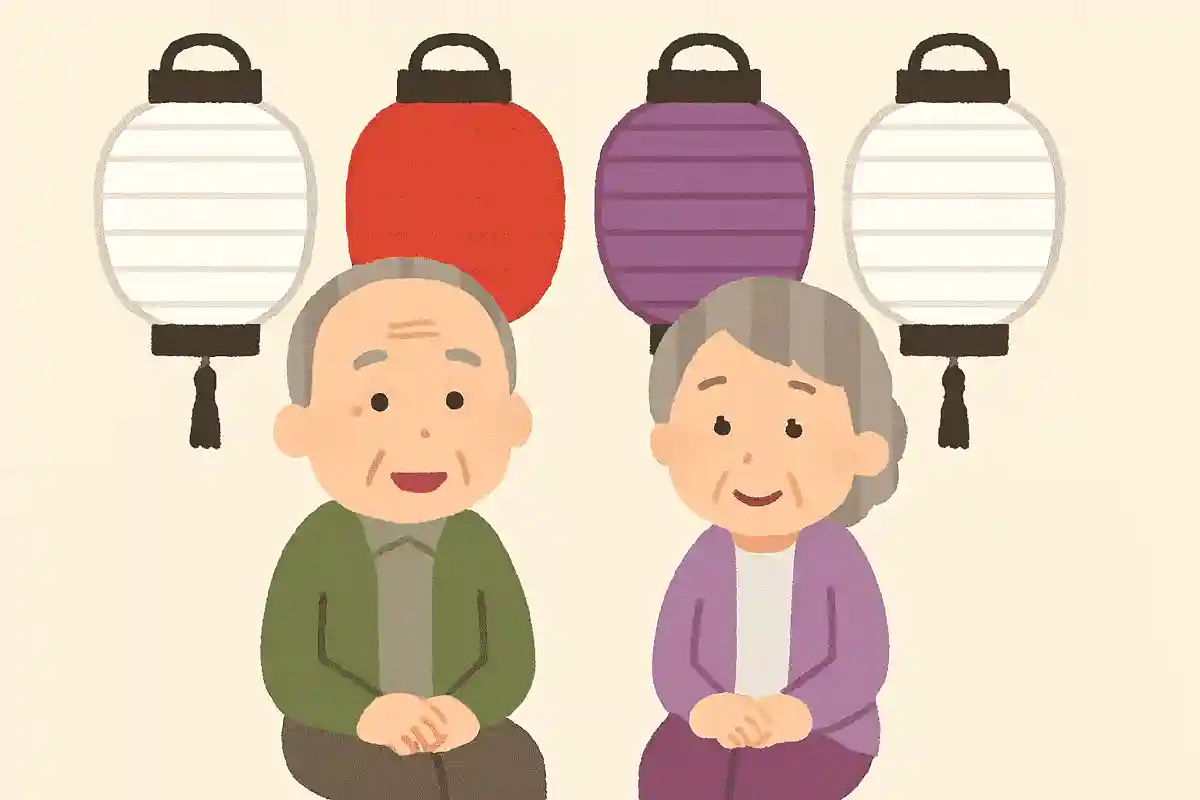
Shinbon (the first Bon) refers to the first Obon observed after a person has passed away.
More precisely, it is the first Obon that comes after the forty-ninth day memorial period has ended, and the name varies by region—such as “shinbon” or “arabon.” During the first Obon only, a white lantern called “hakumonten” is displayed.
The reason is to serve as a marker so that the spirit of the deceased, returning for the first time, does not lose its way.
Some older adults may already know this, but since it’s very informative, why not turn it into a quiz to help people feel the season?

What is the reason your head gets an intense, sharp pain when you eat cold things like ice or ice cream?
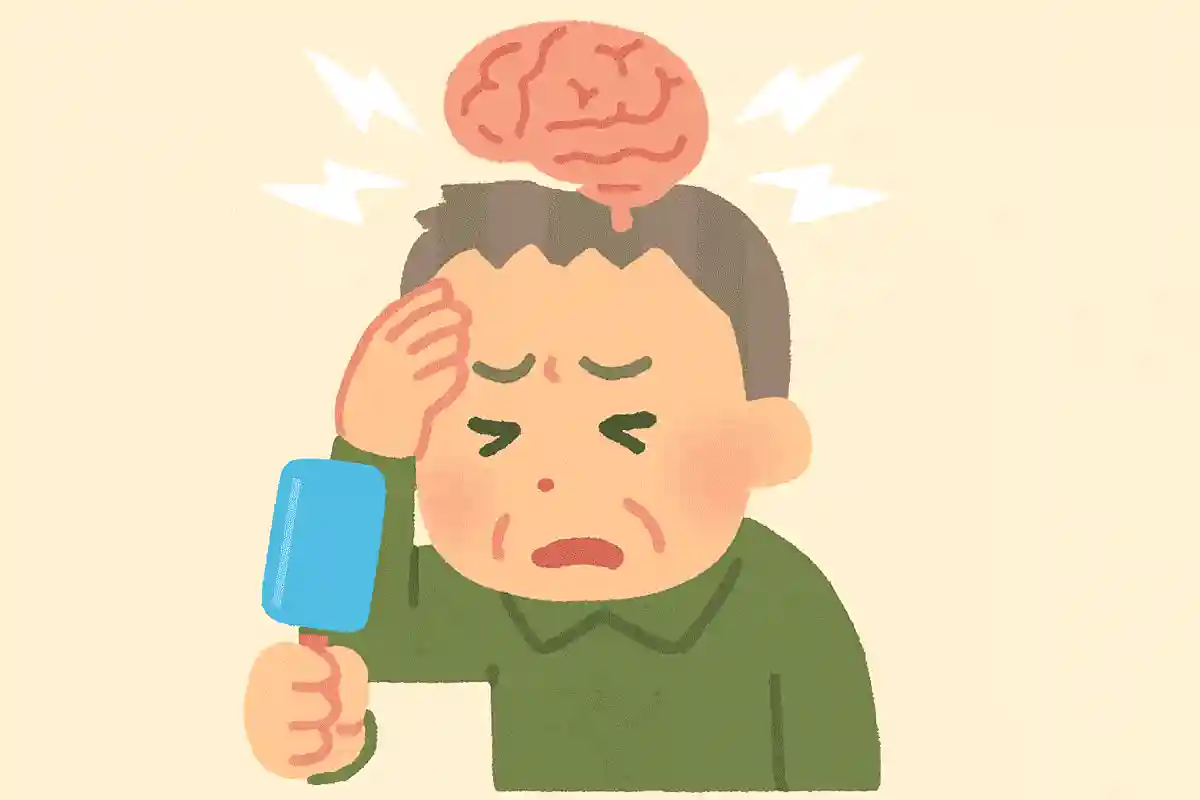
Many older adults have probably experienced that sharp, piercing headache after eating shaved ice or ice cream on a hot summer day.
But why does that happen? It’s puzzling, isn’t it? The short answer is: it’s your brain being fooled! When something cold passes through your throat, the brain mistakes the cold sensation for pain.
This phenomenon even has a name: “ice cream headache.” On hot days you might want to gobble things down to feel the chill quickly, but eating slowly and calmly can help prevent it!