

[For Seniors] Popular Brain Training and Recreational Quizzes

When it comes to brain-training recreation… quizzes! They’re easy to enjoy, which makes them one of the most popular activities.
This time, we’ve gathered brain-training games that seniors can enjoy.
They’re also recommended for those who feel their memory or confidence in numerical calculations has waned a bit lately.
Thinking with your head activates the brain and helps prevent dementia.
If you’re planning quiz-based recreation for a day service or senior facility, be sure to give it a try.
- [For Seniors] Brain Training! Recall Quiz Collection!
- [For Seniors] Lively Wordplay Game: Fun Recreation for Elderly Care
- [For Seniors] Brain Training Recommended for Dementia Prevention
- [For Seniors] Fun Brain Training! Prefecture Quiz
- [For Seniors] Boost Your Knowledge! Fun Trivia Quiz
- [For Seniors] Perfect Brain Training! Fun Trivia
- [Brain Training] Lively Word Quiz for Seniors
- [For Seniors] Find daily brain training. Today’s recommended brain workout.
- [For Seniors] Fun Riddles That Stimulate the Brain
- [For Seniors] Fun and Lively! Recommended Quiz Questions
- [For Seniors] Have Fun with Wordplay Characters! A Collection of Funny Puzzles
- Hand games that liven things up for seniors—also great brain training
- [For Seniors] Brain-training quizzes for January: Let’s have fun with New Year and winter trivia
[For Seniors] Popular Brain-Training and Recreation Quizzes (121–130)
What happens if you heat ice in a microwave?
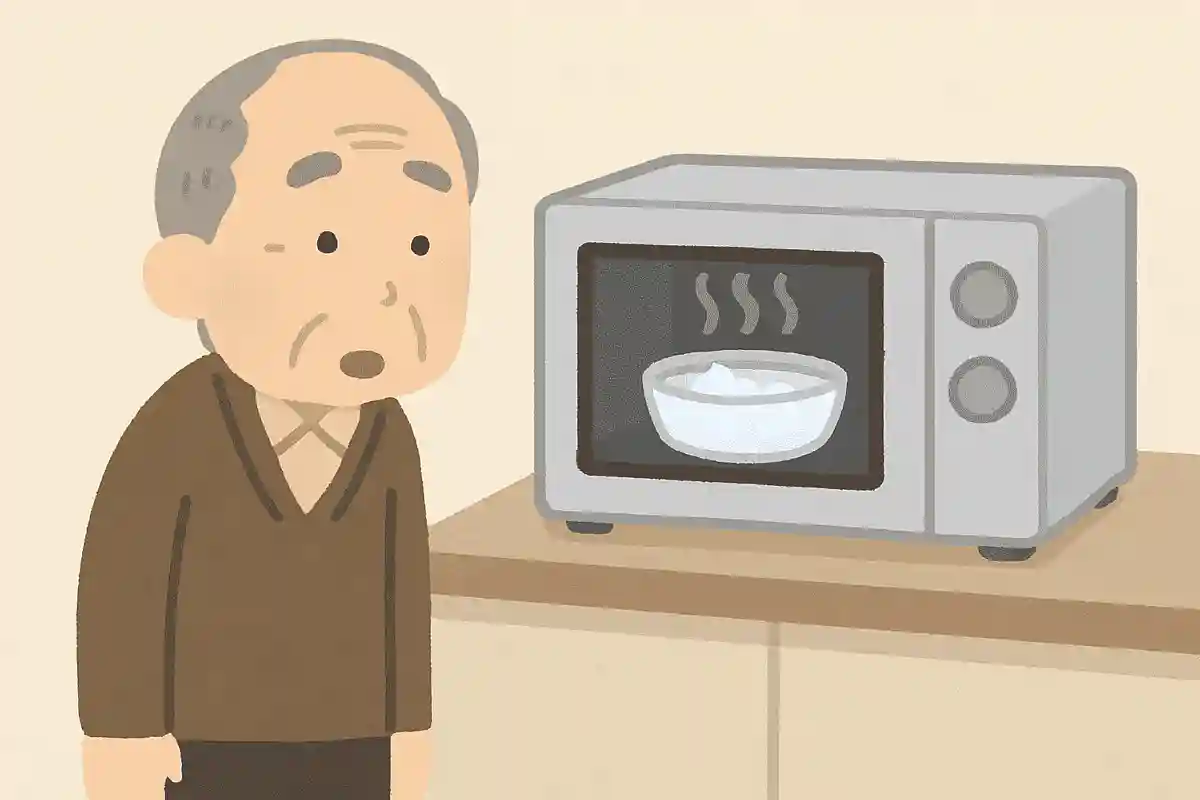
What happens when you microwave rock-hard ice? You might imagine it melting into water or shattering into pieces.
In fact, the answer is: it doesn’t change.
A microwave oven emits microwaves at a frequency of 2,450 megahertz from a device called a magnetron.
In liquid water, when microwaves hit, the water molecules quickly become agitated, collide with each other, and generate heat.
But in ice, the water molecules are arranged in a very rigid structure, so even when microwaves strike them, they don’t easily start moving around.
As a result, ice doesn’t heat up much in a microwave.

Fabric softener used in laundry. It can be substituted with another item found at home—what is it?
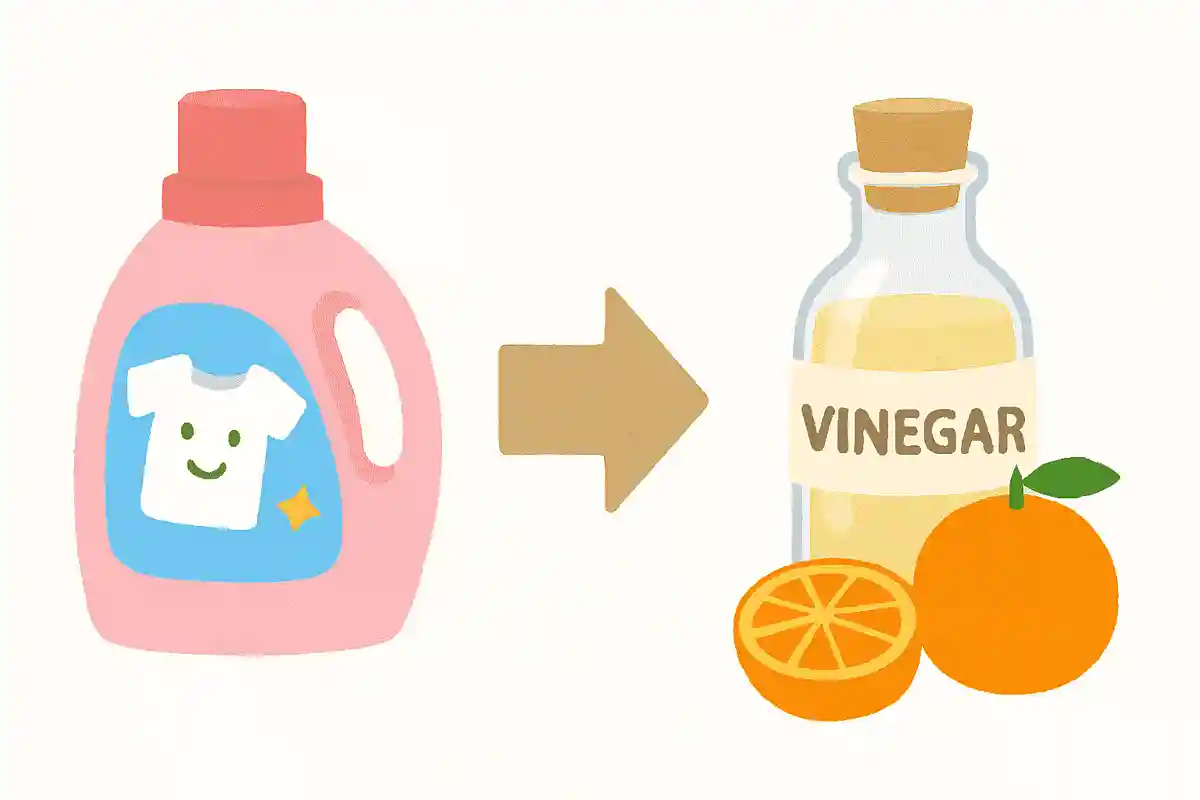
Have you ever realized you ran out of fabric softener after starting the laundry? It can be quite a hassle.
In such cases, you can substitute hair rinse or conditioner.
They contain ingredients that make fabrics feel soft and fluffy.
However, be careful not to pour them directly into the dispenser, as they can clog it.
Dissolve them in hot water before use.
Also note that ingredients and fragrances vary by product.
So, it’s best to avoid running out of fabric softener if possible.

What is the source of tears?
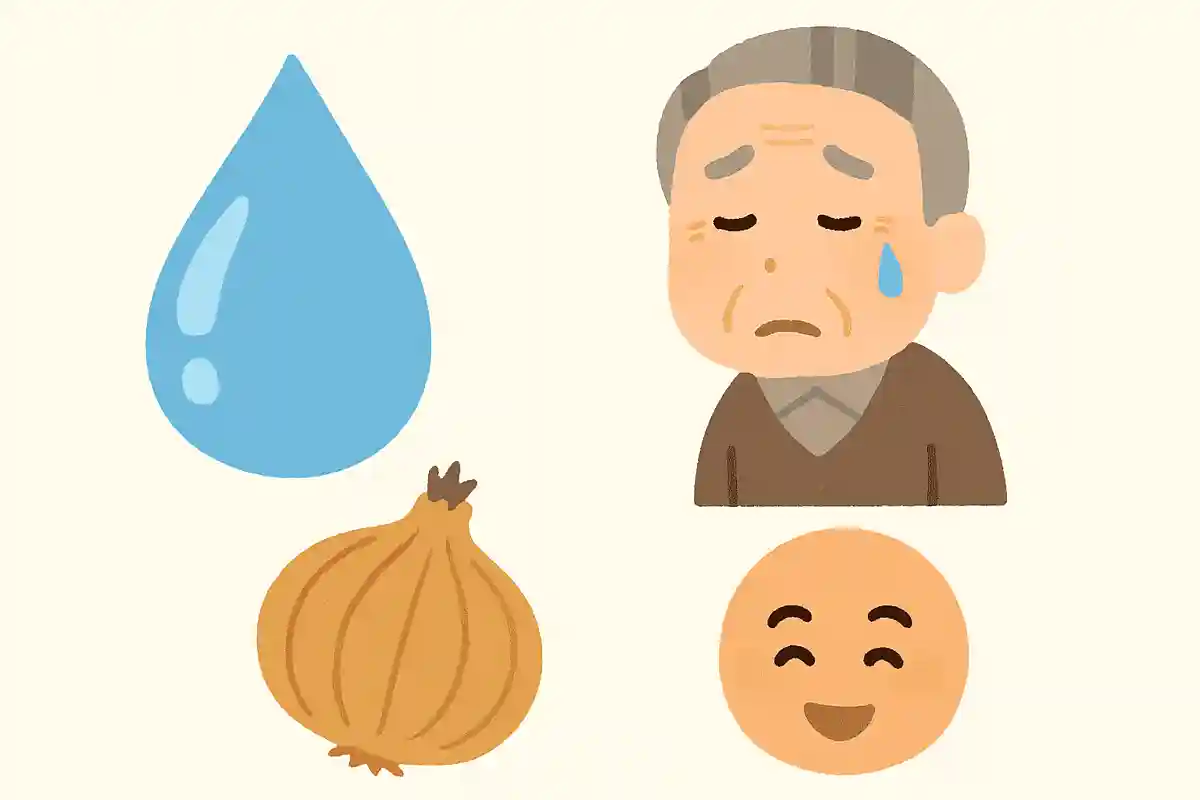
When we’re sad, happy, or deeply moved.
Older adults who have lived long lives have shed all kinds of tears, haven’t they? So what exactly are tears to begin with? Because they look like clear water, we tend to assume they’re just the body’s fluids, but that’s not actually the case.
Here’s a hint: it’s something even older adults have definitely seen before, and it isn’t transparent.
The answer is blood! Tears are said to flow after components like hemoglobin—the red parts—are removed from the blood, which is why they don’t appear red but come out clear.

fig
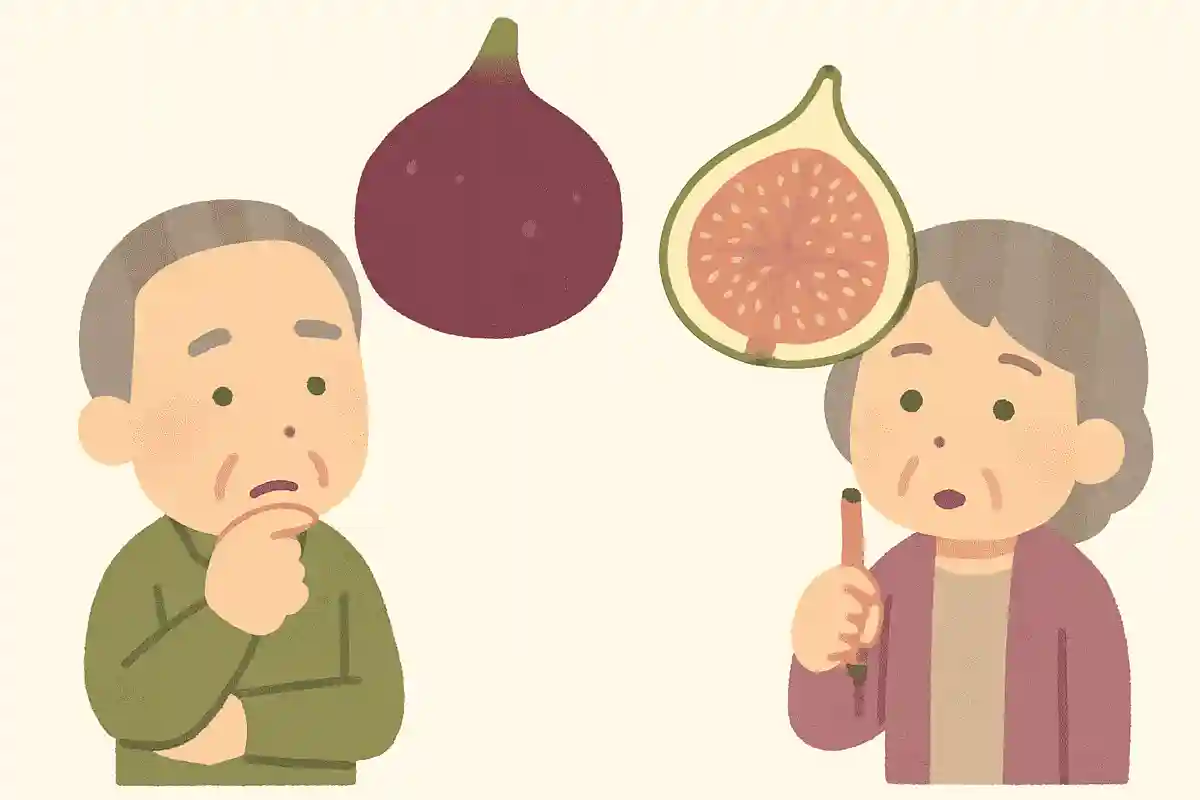
What does the kanji “無花果” represent? Here’s a hint: it’s a fruit.
It’s widely produced in Wakayama and Aichi Prefectures and is eaten from summer to autumn.
It’s sometimes said to be the forbidden fruit that Adam and Eve ate, but it’s not the famous apple.
Although the kanji say “no flower,” the truth is that the flowers bloom inside the fruit! So, what is this unusually structured fruit? It’s the fig (ichijiku).
Figs are rich in nutrients that help prevent constipation, as well as iron and minerals, so when they’re in season, seniors should enjoy not only the quiz but also their delicious taste.
[For Seniors] Popular Brain Training & Recreation Quizzes (131–140)
Nails are part of a certain part of the body. Where on the body are they?
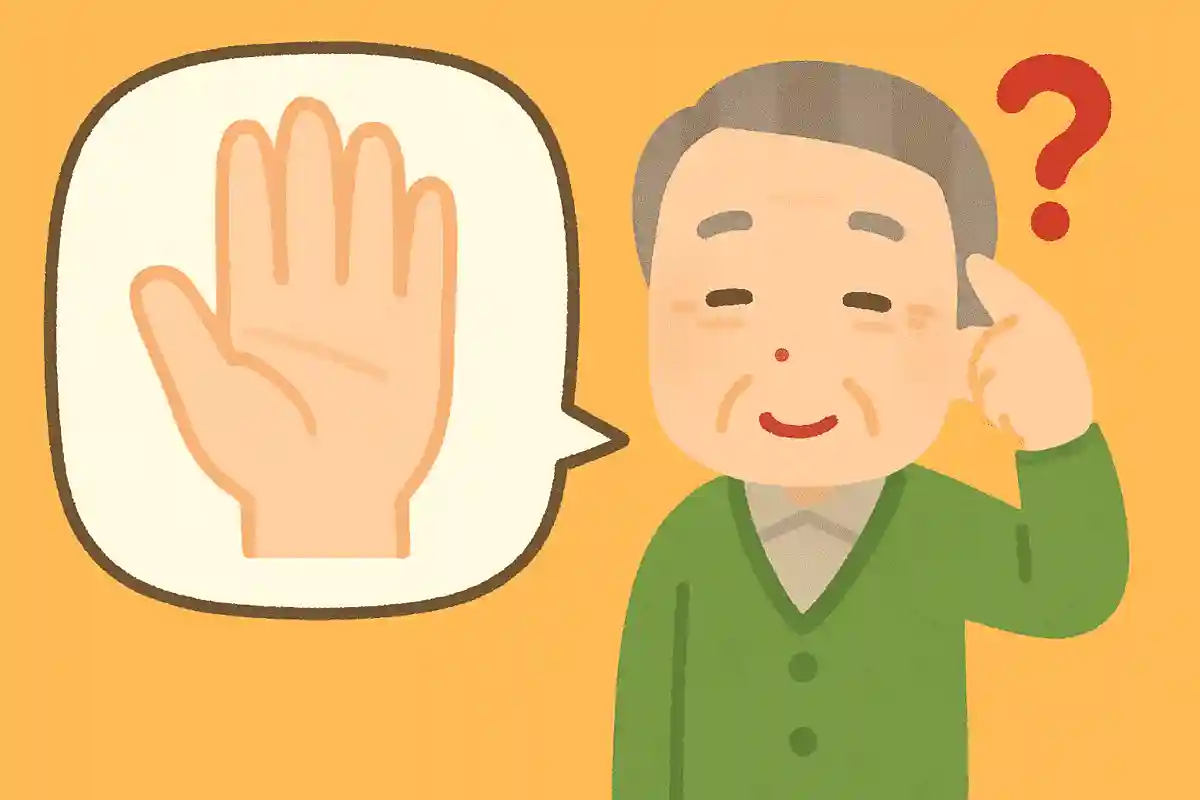
You might think a nail is just a nail, but in fact it’s simply a part of another part of the body.
So, what exactly is it? Rather than overthinking it, it might help to go with the first body part that comes to mind.
The straight answer: skin! Nails are formed when the skin hardens and changes, becoming something harder and different from soft skin.
By the way, if you lose your nails, you may have trouble gripping objects properly, protecting your fingertips, and—in the case of toenails—keeping your body stable.
So take good care of them.
corn

These unfamiliar-looking characters, 玉蜀黍, are the kanji for one of the world’s three major grains that is in season in summer.
The word written with these characters is the common name for this food, but in Japan it’s called various names depending on the region, such as “tōkibi” or “nanba.” By introducing regional nicknames as hints, older adults might recognize the term from their birthplace and quickly arrive at the answer.
The correct reading of this kanji is, precisely, “corn.” It’s also effective for recovering from summer fatigue, so after solving the quiz, be sure to give it a try!
There’s an easy way to intensify a banana’s sweetness using items you already have at home. What is that method?
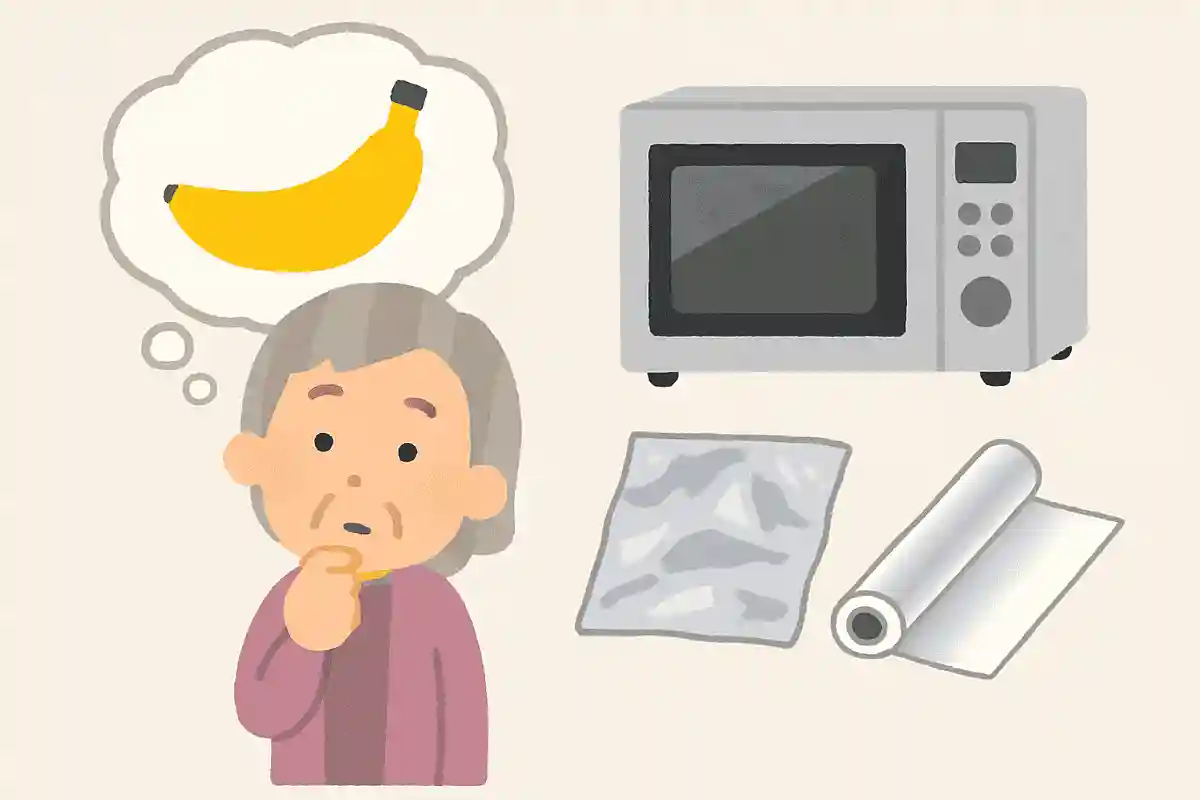
Bananas are popular as desserts or for breakfast.
They’re very tasty, but sometimes after buying them you might feel they’re “not very sweet” or “not quite ripe yet.” In such cases, there’s a way to make bananas sweeter.
The method is to soak them in 40–50°C (104–122°F) warm water for a few minutes.
It’s simple, so you can try it today.
The mechanism is a bit complex, but it’s said that warming activates amylase, a component related to sweetness.