

[For Seniors] Summer Haiku: Ideas to Feel the Season

Summer is a season that brings back nostalgic memories for many older adults.
Why not casually capture a moment of summer in a haiku?
Haiku is a uniquely Japanese form of poetry made with just 17 sounds.
The key is not to overthink it—simply and honestly express the seasonal scenery before you and the feelings that arise in your heart.
By setting it to the rhythm of 5-7-5, the scene comes across even more vividly.
In this article, we introduce simple and approachable haiku with a summer theme.
We hope you’ll enjoy the fun of infusing words with the spirit of the season.
- Recommended summer songs for people in their 90s: A collection of Showa-era summer tunes [2026]
- [For Seniors] Exciting Summer Wall Decoration Ideas
- [For Seniors] Haiku Selections for July: Ideas to Feel the Summer
- [For Seniors] June Haiku Showcase: Ideas to Feel Summer
- [For Seniors] Summer kigo: A list of famous seasonal words to enjoy while savoring their elegance
- [Elderly] Haiku with the theme of August: Introducing famous verses
- [For Seniors] Interesting spring haiku: introducing verses with striking kigo and unique expressions
- [For Seniors] Famous Haiku for December: Masterpieces Depicting Winter Scenes and Year-End Moments, Plus Tips on How to Compose Them
- [For Seniors] Chuckle-Worthy Silver Senryu: Tips for Writing Them Humorously and Example Verses
- [For Seniors] Haiku Introductions for May: A Fun Recreation Activity
- [For Seniors] Spring Haiku. Spring Activity
- [For Seniors] Haiku for September: Introducing Verses Perfect for Autumn
- [For Seniors] Handmade Summer Greeting Cards: A Collection of Lovely Summer Motifs
[For Seniors] Summer Haiku. Ideas that feel like summer (1–10)
Paper strips, cherished by my father—Soul FestivalSeishi Yamaguchi
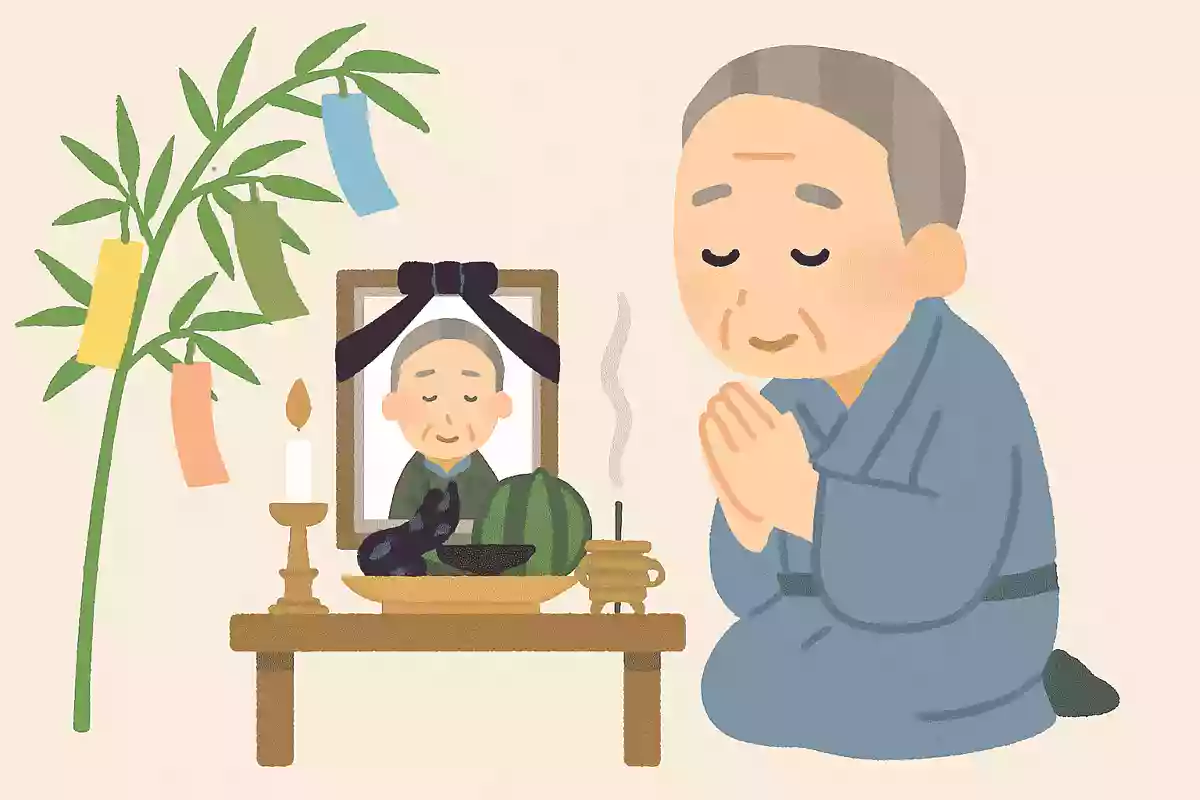
This piece captures a scene from a soul festival—a ceremony honoring ancestors and individual spirits.
From the figure who “kneels in reverence,” as if gently delivering wishes written on a tanzaku to their father’s soul, we feel deep respect and affection.
It’s not merely a ritual; a quiet desire to cherish the bond and connection with the father comes through.
The familiar tool of the tanzaku resonates powerfully as an expression of the heart, leaving a gentle warmth in the reader.
It tenderly portrays a tranquil moment of remembering the departed.

The lingering heat along the mountain ridge and the Daimonji bonfires.Mochizuki Sōya
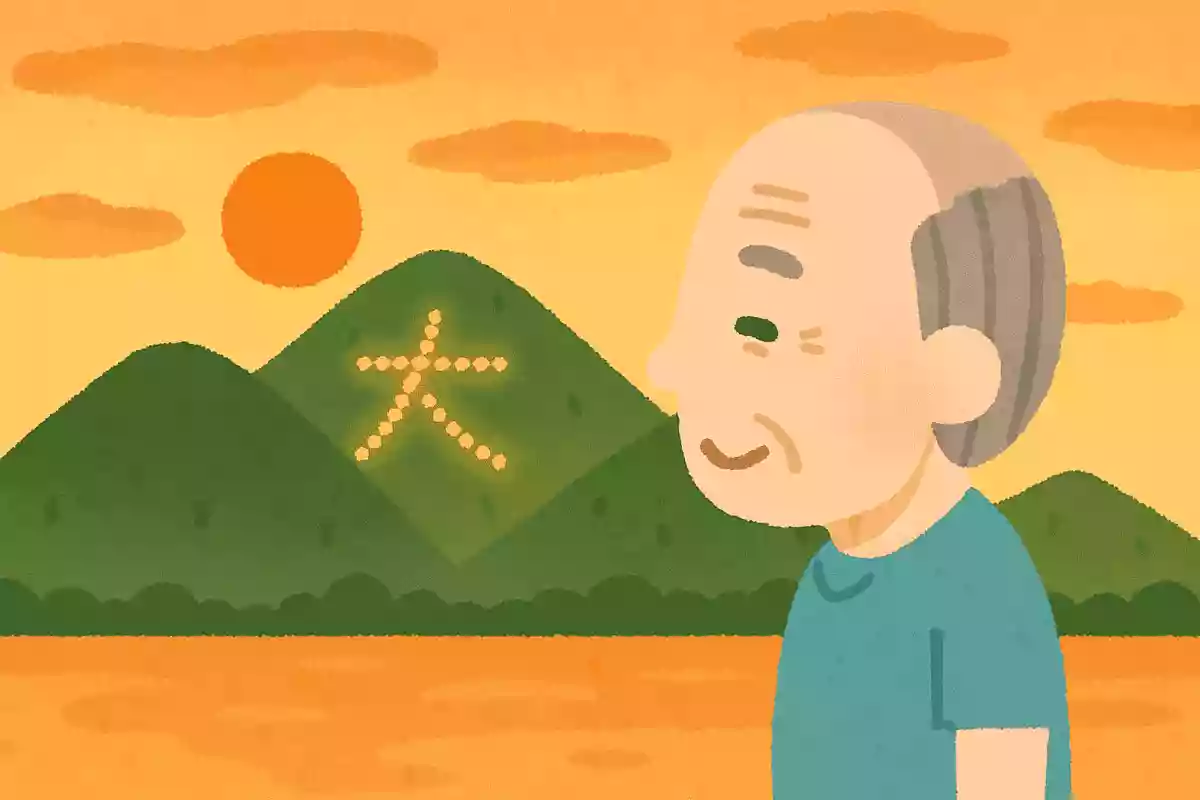
The ceremonial bonfires, Okuribi, are held in Kyoto every year on August 16 starting at 8 p.m.
Enormous characters—such as “Dai” (large) and “Myō”—are ignited on the slopes of the mountains surrounding the city.
In a counterclockwise sequence, the fires are lit for Myō-Hō, Funagata (boat), Hidari-Daimonji (left Daimonji), and Toriigata (torii gate).
It is said that Okuribi has continued since the Edo period.
Some people may feel that summer isn’t over until they’ve witnessed the bonfires.
From the poem by Mochizuki Sōya, “Lingering heat along the mountain’s edge—Daimonji,” you can sense that even while feeling the heat, seeing the Daimonji bonfire brings a feeling that autumn is approaching.

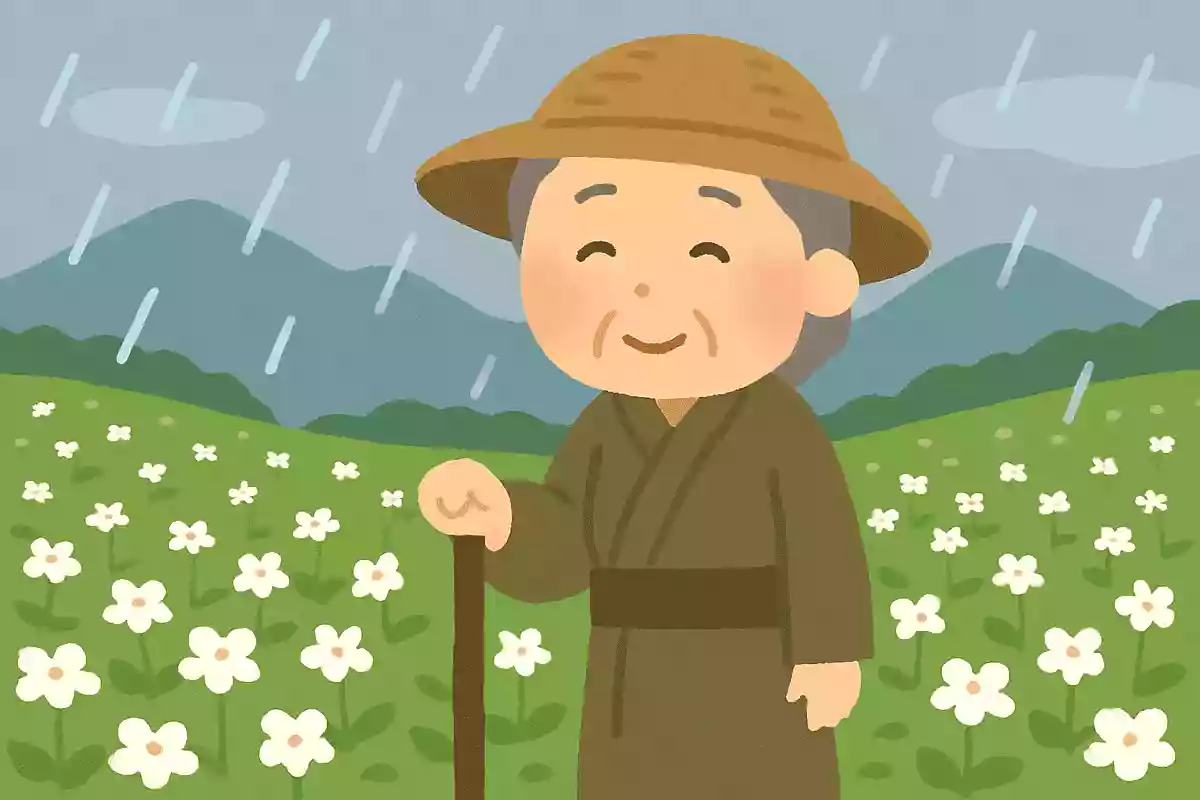
In the August rain, buckwheat blooms on the highlands.Hisa Onabe Sugita
It is said that there were few women composing haiku in the Meiji period.
In such times, Hisajo Sugita emerged as a pioneering female haiku poet.
Her haiku began with “kitchen haiku,” observing everyday life from a distinctly feminine perspective.
Later, her style shifted to a more romantic tone, characterized by concrete and candid expressions of simple emotions in daily life.
In the haiku “In August, soba blooms in the rain—how high this plateau,” the “August” likely refers to mid to late September, when buckwheat flowers bloom.
You can almost see the fields blanketed with pure white buckwheat blossoms.
[For Seniors] Summer Haiku: Ideas to Feel Summer (11–20)
Ah, such stillness— the cry of cicadas sinks into the rocks.Matsuo Bashō
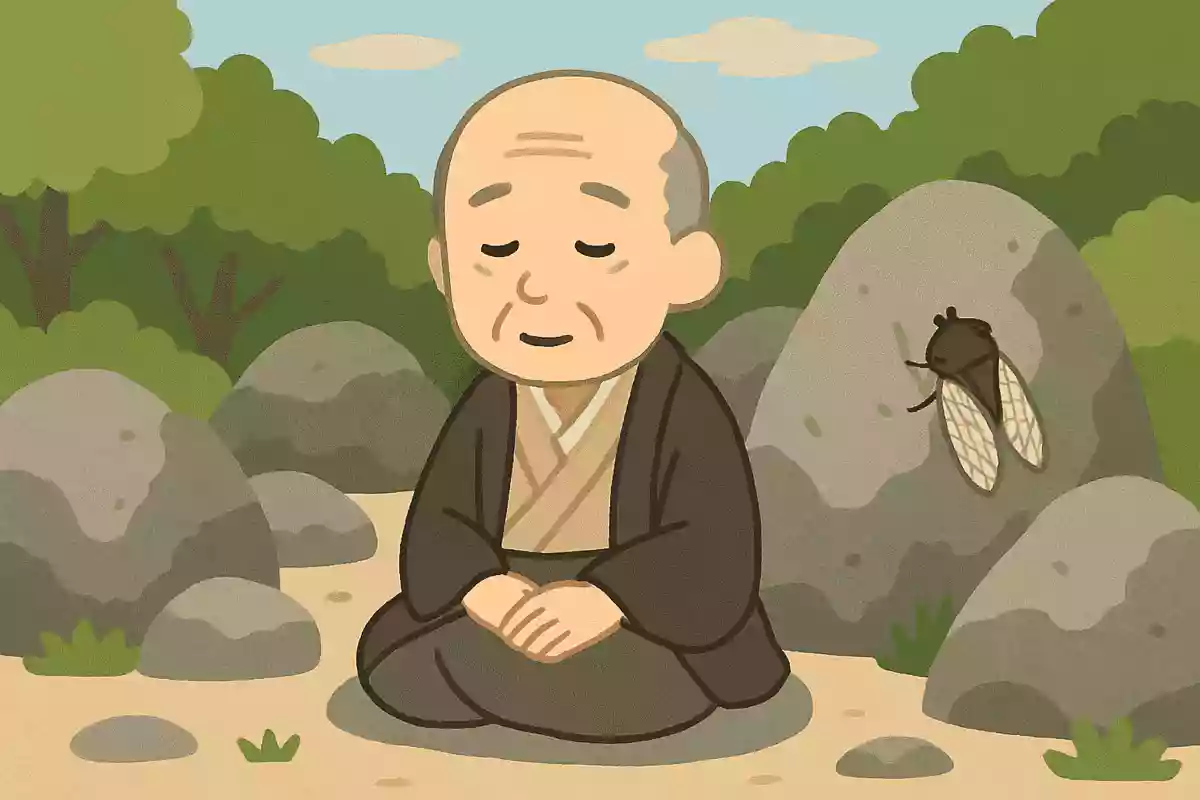
This verse is a celebrated masterpiece that contrasts the pristine stillness of the mountains with the sound of cicadas.
Opening with “Such stillness,” it conveys a profound silence beyond words.
And within that quiet, the depiction of the cicadas’ voices seeming to reach even the rocky cliffs is quintessential Basho.
It isn’t a boisterous sound; rather, their voices seem to melt into the depths of nature.
There’s nothing showy about it, but it slips gently into a heart seasoned by years—a classic summer verse.
A watermelon, with the name of the child entering the temple written on it.Umeshitsu Sakurai
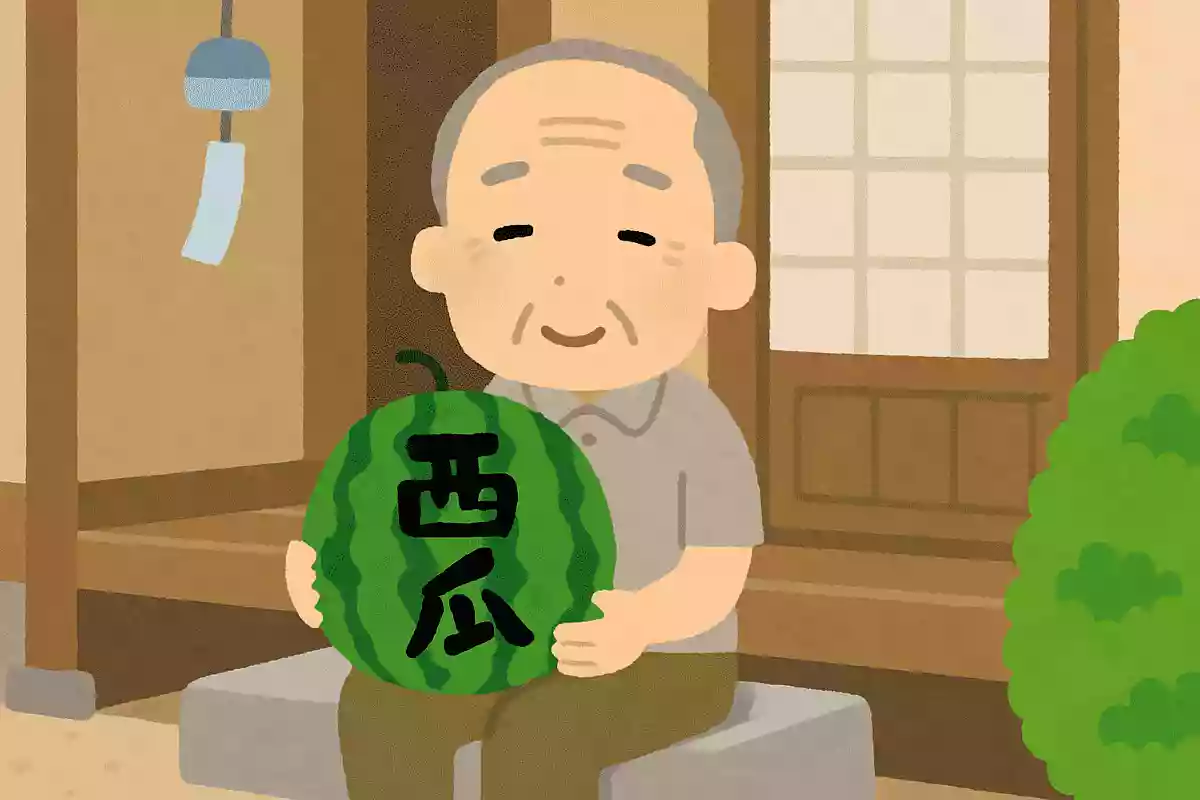
This verse celebrates the start of a child’s learning as they begin attending the terakoya, a temple school.
The phrase “the child entering the temple” signals that the day is special.
A watermelon marked with a name may have been a gift, or perhaps something carried as proof of attendance.
The sight of the child cradling a watermelon inscribed with their own name is both proud and charming, tinged with the family’s hopes and a touch of nervousness.
The summer heat contrasts beautifully with the coolness of the watermelon, conveying a fleeting moment from everyday life in the past.
Within this simple custom, the verse records the beginning of learning.
Bonfire send-off—faces peeking out across the riverSumitagi
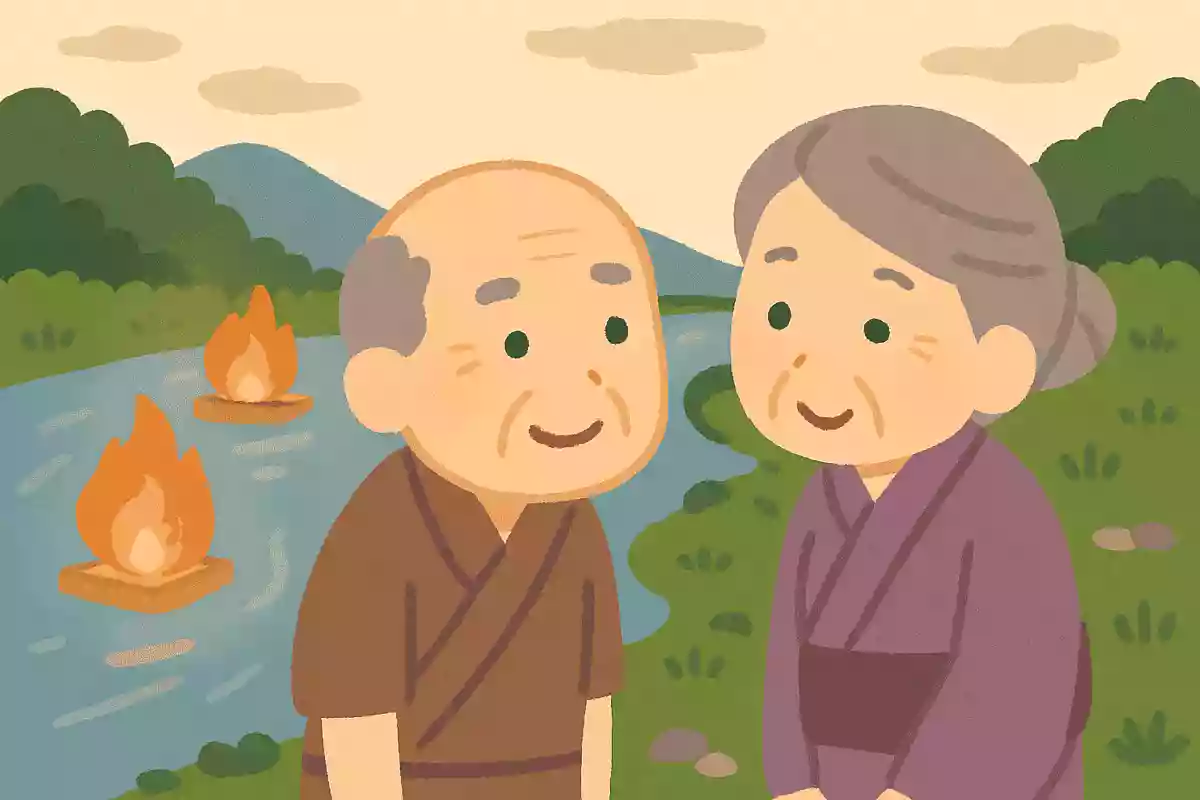
The “Okuribi” bonfires that mark the end of August are cherished by many as an Obon tradition.
This verse depicts people gazing at each other across a river as they watch the send-off fires, reflecting a scene of gentle connection and farewell.
The seasonal word “Okuribi” carries a sense of nostalgia, and the warmth on the faces turned toward one another gently resonates with the memories of older adults.
A summer custom passed down through generations, and the quiet bonds between people—these are nuances one can savor more deeply with age.
It is a verse to read in a quiet moment on an August evening.
If I turn my palm, the dance goes onAmano Seihe
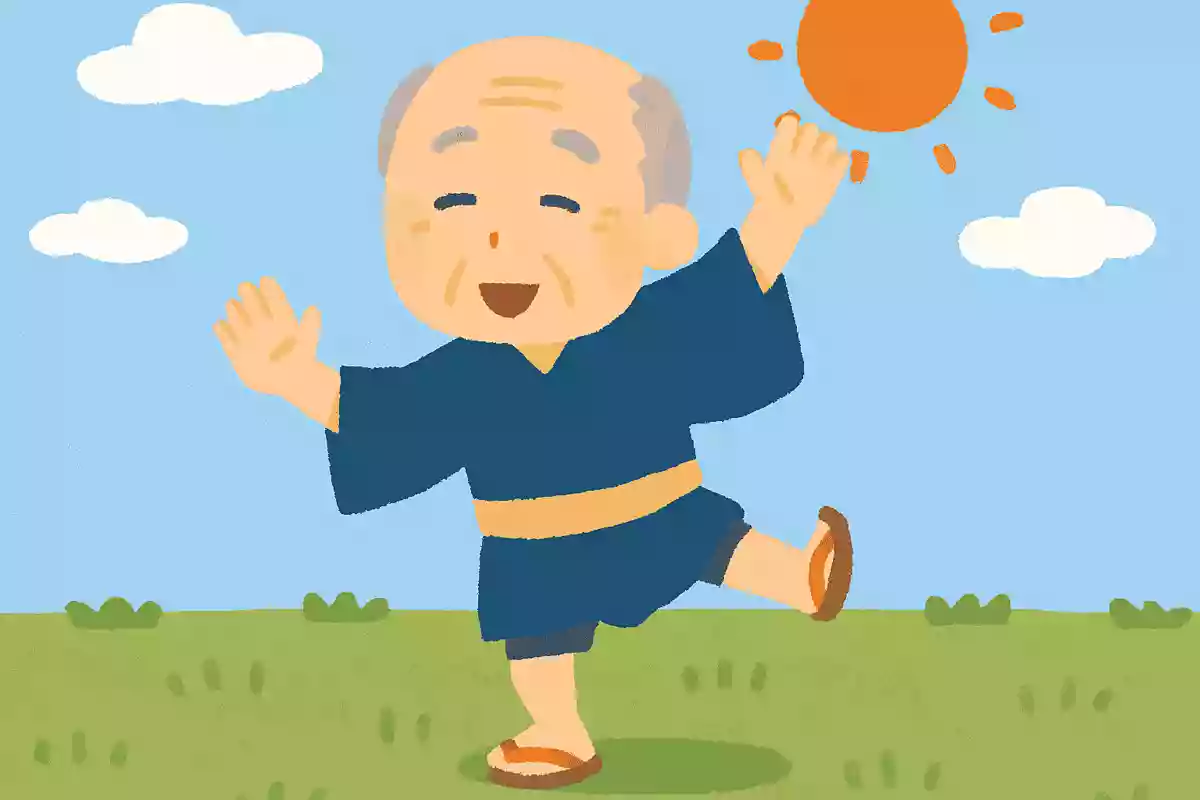
Aono Seihō depicts a scene from a Bon dance resounding on a summer night.
The slight motion of turning over a palm sets the flow of the dance in motion, and the circle of people advances slowly.
By focusing not on grand gestures but on a single movement, the quiet beauty within the dance stands out.
Guided by the chant and the beat of the drums, the dancers receive it and spend time in the company of the unseen.
A prayer-like atmosphere gently rises from the verse.
Amid the bustle, the hush that lingers leaves a lasting impression.