

[For Seniors] Summer Haiku: Ideas to Feel the Season

Summer is a season that brings back nostalgic memories for many older adults.
Why not casually capture a moment of summer in a haiku?
Haiku is a uniquely Japanese form of poetry made with just 17 sounds.
The key is not to overthink it—simply and honestly express the seasonal scenery before you and the feelings that arise in your heart.
By setting it to the rhythm of 5-7-5, the scene comes across even more vividly.
In this article, we introduce simple and approachable haiku with a summer theme.
We hope you’ll enjoy the fun of infusing words with the spirit of the season.
- Recommended summer songs for people in their 90s: A collection of Showa-era summer tunes [2026]
- [For Seniors] Exciting Summer Wall Decoration Ideas
- [For Seniors] Haiku Selections for July: Ideas to Feel the Summer
- [For Seniors] June Haiku Showcase: Ideas to Feel Summer
- [For Seniors] Summer kigo: A list of famous seasonal words to enjoy while savoring their elegance
- [Elderly] Haiku with the theme of August: Introducing famous verses
- [For Seniors] Interesting spring haiku: introducing verses with striking kigo and unique expressions
- [For Seniors] Famous Haiku for December: Masterpieces Depicting Winter Scenes and Year-End Moments, Plus Tips on How to Compose Them
- [For Seniors] Chuckle-Worthy Silver Senryu: Tips for Writing Them Humorously and Example Verses
- [For Seniors] Haiku Introductions for May: A Fun Recreation Activity
- [For Seniors] Spring Haiku. Spring Activity
- [For Seniors] Haiku for September: Introducing Verses Perfect for Autumn
- [For Seniors] Handmade Summer Greeting Cards: A Collection of Lovely Summer Motifs
[For Seniors] Summer Haiku: Ideas that Capture Summer (41–50)
Basket-covering, evening rain at the ground cherry market
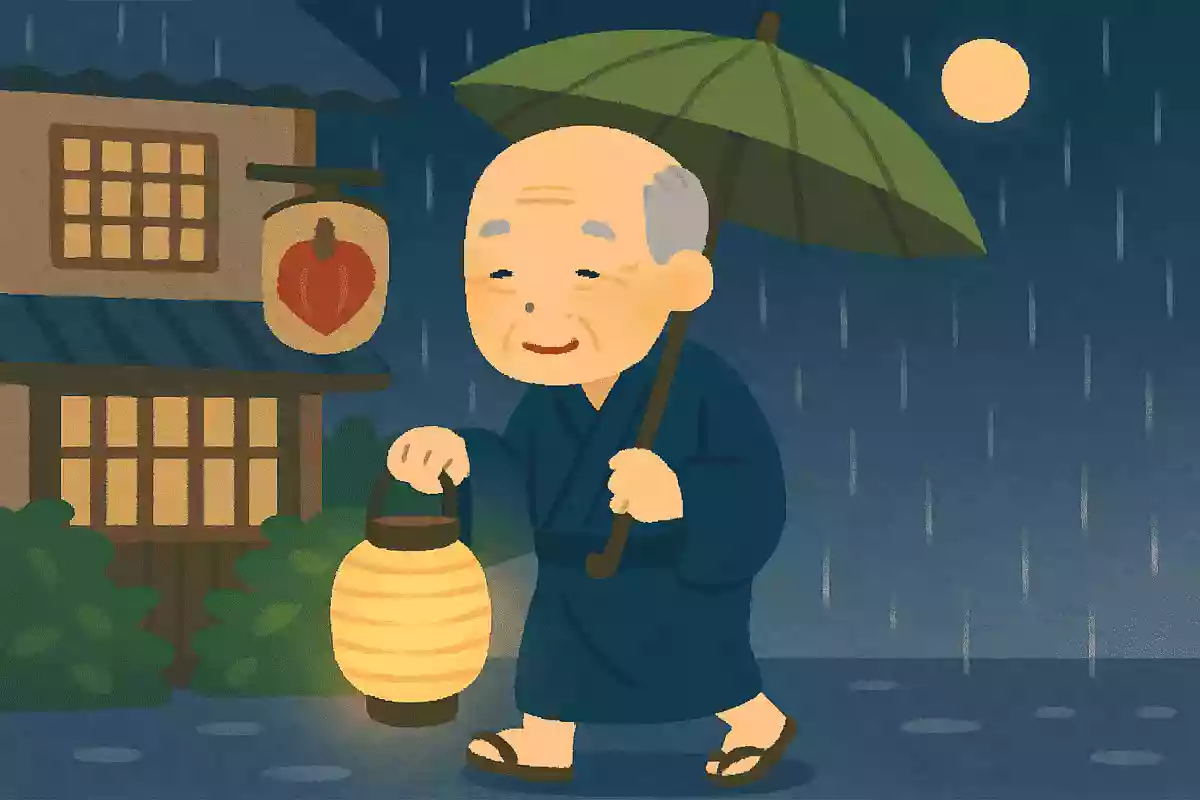
In addition to this verse, Shūōshi wrote other lyrical and bright haiku such as “When the pears bloom, the fields of Katsushika are somewhat overcast” and “The scent of the home village’s marsh—snake strawberries.” Although he studied haiku under Takahama Kyoshi, he went beyond merely following tradition in his work.
This particular poem depicts how, while strolling through the cheerful Hozuki (Chinese lantern plant) market, one is suddenly caught in an evening rain.
“The basket seller is shielding his baskets,” it says, broadly observing how different people face the rain and weaving that into the scene.
There are various theories about the ‘basket,’ and interpretations differ; if you’re curious, please look into them.
It’s a model example of modern haiku.
[For Seniors] Summer Haiku: Ideas That Capture Summer (51–60)
The rough sea— across to Sado Island stretches the Milky Way.

What comes to mind when you think of Sado Island? Gold, the Geopark, the Sado-Yahiko-Yoneyama National Park.
Reading this haiku makes you want to travel to Sado, doesn’t it? Believe it or not, Sado Island was connected to Honshu 16 million years ago.
They say the island is still rising due to ongoing crustal movement.
Bashō likely composed a verse while gazing across the sea toward Sado, thinking: the Milky Way spans the sky—measured against the vastness of the universe, this sea and land are but small things.
We can’t say for sure whether his thoughts reached all the way to the cosmos, but there’s no doubt it’s a poem of sweeping scenery.
It’s romantic, isn’t it?
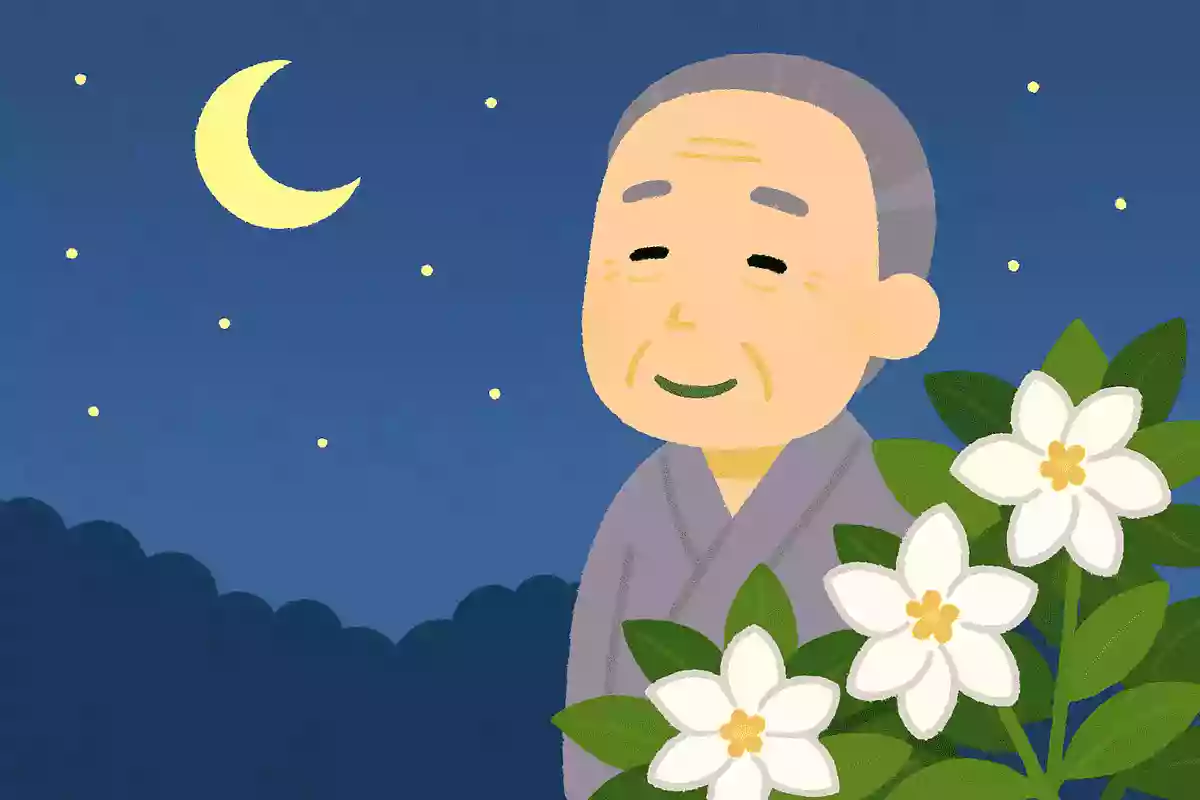
A thin-moon night—the scent of gardenia flowers drifts.
Masaoka Shiki, famous as a haiku poet and man of letters, was also an avid baseball fan.
His position was catcher.
It was Shiki who proposed the Japanese translations “dasha” (batter), “sōsha” (runner), and “shikyū” (walk) for those foreign terms.
Now, to haiku.
The gardenia that appears in haiku gives off a jasmine-like fragrance and is a variety popular among horticulturists.
The idea of “on a night when the moon does not shine brightly, the scent of gardenia wafts in from who knows where” is both easy to grasp and richly flavorful.
Isn’t it truly haiku-like that, though unseen, its fragrance drifts on the air?
For lasting use—the spring wanes into dusk—changing of clothes

Do you know the TV drama Kōshoku Ichidai Otoko starring the comedian Sanma Akashiya? Ihara Saikaku, who lived in the Edo period, is actually the original author.
Even though it’s arranged in a modern style, a good story is beloved in any era.
The “nagamon” that appears in the haiku is like what we would now call a clothing chest or storage case.
While switching out seasonal clothes, the entire spring day slipped away.
It feels like warmth will soon turn into heat—this is a quietly reflective verse that contemplates the coming summer.
Cloud peaks—how many crumble into the mountain of the moon?
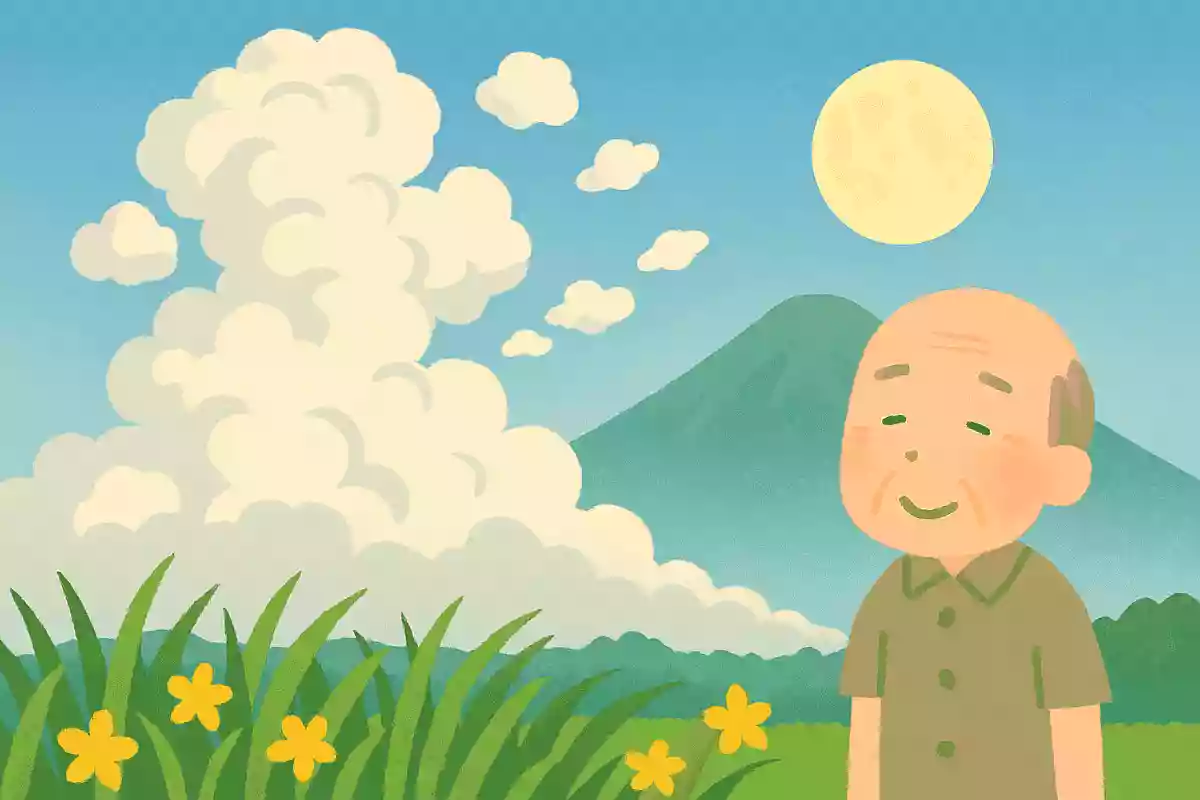
A clear blue sky is a scene that strongly evokes summer, and you can’t do without those great towering cumulonimbus clouds drifting overhead.
Here’s a haiku by Matsuo Bashō that seems to imagine both the changing size of such a cloud and the passage of time leading up to it.
He describes the cloud’s shifting shape as a mountain collapsing, and that grand choice of words conveys the cloud’s powerful presence.
The way it invites us to ponder how long it has taken to become its current form, and how it has changed along the way, also carries a sense of longing for summer.

In conclusion
How was it? Haiku is a uniquely Japanese and wonderful art that can express seasonal scenes and delicate feelings in just 17 syllables. Summer is a time when vivid nature and nostalgic memories easily come to mind. By capturing such moments in a haiku, you may find small touches of elegance and joy in everyday life. Please feel free to weave your words just as they come to you, without pressure!