

[Japanese Children's Songs] Carefully selected timeless masterpieces loved across generations!

Japanese shoka—songs everyone has hummed at least once—include classics like “Furusato,” “Haru no Ogawa,” and “Momiji.” The nostalgic melodies we learned in music class or sang with friends in childhood stay with us no matter how much time passes.
These works, which sing of seasonal landscapes and everyday scenes, are filled with the sensibilities of the Japanese people.
In this article, we introduce a selection of shoka that have been sung across generations.
Just seeing the titles will make you want to start singing—be sure to check out these beloved Japanese classics.
- [Japanese Folk and Regional Songs] A Collection of Beloved Masterpieces from Across Japan, Brimming with Local Pride
- [For Seniors] Spring Songs You'll Want to Hum: Feel the Season with Nostalgic Classics
- [Showa Era] A roundup of nostalgic folk song classics and popular tracks you’ll want to sing at karaoke
- A nostalgic song—a timeless classic that somehow feels familiar and touches the heart.
- [Hometown Songs] A curated selection of popular Japanese tracks that fill your heart with nostalgia
- A roundup of classic Showa-era kayō songs: a comprehensive introduction to timeless tracks loved across generations.
- A masterpiece of the pastoral. A roundup of representative works that delve into the charm of the pastoral (pastorale).
- Nostalgic enka. A collection of classic enka hits from the Showa era.
- [Local Songs] Recommended tracks packed with Japan’s nationwide classics and hometown pride
- Recommended enka set in autumn: a collection of heart-touching masterpieces
- Children’s Song Medley: A playlist of classic and popular hits everyone knows
- Folk Songs of the World | Hometown Songs Passed Down Abroad
- For Seniors: Festive Attractions to Liven Up Festivals—Games and Recreational Activities
[Japanese Songs] Carefully Selected Masterpieces Loved Across Generations! (81–90)
Sakura, sakuraSuginami Jidō Gasshōdan

While they bloom magnificently across the entire sky, perhaps thanks to the children’s chorus, there’s also a sense of simple beauty.
The charm of cherry blossoms—the kind that somehow makes you want to go see them, whether they’re the ones in your neighborhood or the famous spots—was clearly conveyed.
I often hear it performed on the koto, but apparently there are electric guitar arrangements as well, which is another idea unique to cherry blossoms.
Flower TownToukyou Tama Shounen Shoujo Gasshoudan
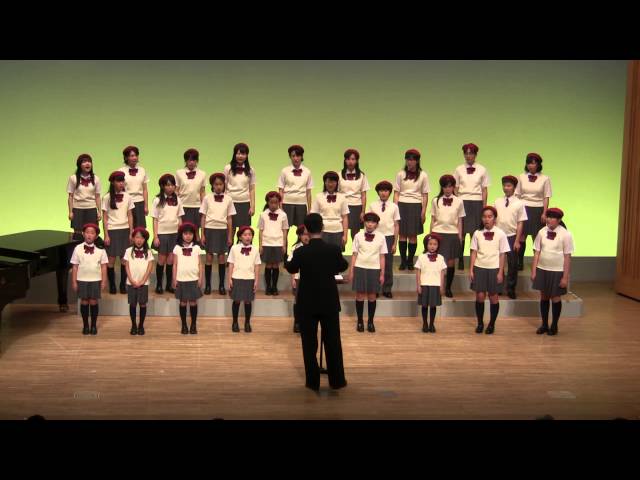
The lyrics were written by Akiko Ema, and the music was composed by Ikuma Dan; the song was created in 1947, after the war.
It spread nationwide through a radio program.
It is still widely sung today, and in 2006 it was selected for the “100 Best Japanese Songs.” Verses 1 and 2 are bright, but the lyrics of verse 3 evoke a slight sense of loneliness.
The dolphin goes splish-splash.Tōkyō Hōsō Jidō Gasshōdan

Lyrics by Tatsuo Azuma, music by Shoji Wakamatsu.
It’s a fun waltz in 3/4 time suitable for lower elementary grades.
The lyrics include puns and are amusing.
Since animals like dolphins and grasshoppers appear, children quickly warm up to it and can sing along.
There are also activities that combine this song with bamboo dance to help children physically experience the triple meter.
Early Spring OdeYuki Saori, Yasuda Shoko

It seems this song was also selected as one of the “100 Japanese Songs.” Befitting that honor, it makes me once again appreciate the charms of Japan—its four seasons, the beauty of its scenery, and the feelings they evoke.
Through the sisters’ beautiful singing, you can feel the longing as spring is still far off, and the beauty of the slightly chilly, quiet landscapes of this delicate time of year.
maple leaves

It was published in 1911.
In 2007, it was selected as one of the “100 Best Japanese Songs.” Composed as a choral piece, the first half is in canon form, while the second half features beautiful harmonies between the lower and higher voices.
The lyrics, which depict autumn scenery, are also beautiful.
young fox (kit)

The original song is a German children’s song, and the version with Japanese lyrics was released in 1947.
The original lyrics are somewhat menacing, threatening a fox that stole a goose.
In the Japanese version, the lyrics describe an adorable little fox.
[Japanese Shoka] Carefully Selected Timeless Classics Loved Across Generations! (91–100)
Happy HinamatsuriSatoko Yamano · Mori no Ki Children’s Choir

It’s a heartwarming song that cherishes Japan’s seasonal events.
Just like Jingle Bells at Christmas, this song naturally appears during the Doll Festival (Hina Matsuri).
It depicts each aspect of the hina dolls, letting you feel the joy of the girls.
Many people have sung it, but I was surprised to learn that Akihiro Miwa also recorded it.