

[Japanese Children's Songs] Carefully selected timeless masterpieces loved across generations!

Japanese shoka—songs everyone has hummed at least once—include classics like “Furusato,” “Haru no Ogawa,” and “Momiji.” The nostalgic melodies we learned in music class or sang with friends in childhood stay with us no matter how much time passes.
These works, which sing of seasonal landscapes and everyday scenes, are filled with the sensibilities of the Japanese people.
In this article, we introduce a selection of shoka that have been sung across generations.
Just seeing the titles will make you want to start singing—be sure to check out these beloved Japanese classics.
- [Japanese Folk and Regional Songs] A Collection of Beloved Masterpieces from Across Japan, Brimming with Local Pride
- [For Seniors] Spring Songs You'll Want to Hum: Feel the Season with Nostalgic Classics
- [Showa Era] A roundup of nostalgic folk song classics and popular tracks you’ll want to sing at karaoke
- A nostalgic song—a timeless classic that somehow feels familiar and touches the heart.
- [Hometown Songs] A curated selection of popular Japanese tracks that fill your heart with nostalgia
- A roundup of classic Showa-era kayō songs: a comprehensive introduction to timeless tracks loved across generations.
- A masterpiece of the pastoral. A roundup of representative works that delve into the charm of the pastoral (pastorale).
- Nostalgic enka. A collection of classic enka hits from the Showa era.
- [Local Songs] Recommended tracks packed with Japan’s nationwide classics and hometown pride
- Recommended enka set in autumn: a collection of heart-touching masterpieces
- Children’s Song Medley: A playlist of classic and popular hits everyone knows
- Folk Songs of the World | Hometown Songs Passed Down Abroad
- For Seniors: Festive Attractions to Liven Up Festivals—Games and Recreational Activities
[Japanese Shoka] Carefully Selected Masterpieces Loved Across Generations (41–50)
teru teru bozu (a traditional Japanese handmade doll hung to wish for good weather)Hirayama Miyoko, Nakayama Kajiko, Omura Masako

I used to sing it when I was little, and I thought it was a cute wish song that says “I’ll give you this and that, just please make it sunny,” but when I got to the third verse, I was shocked.
Hearing the legend surprised me even more.
If it had ended at the second verse with straightforward wishes, I think it would have felt warm and gentle.
Raja MaharajaTogawa Jun

The lyrics were written by Mitsuko Fukuda and the music composed by Yoichiro Yoshikawa, and it was first broadcast on Minna no Uta in 1985.
The song features an Indian maharaja as the protagonist, humorously depicting the luxurious and extravagant life of the maharaja set to a lively, exotic melody.
I want to become the wind.Sapporo Kitano Shounen Shoujo Gasshoudan
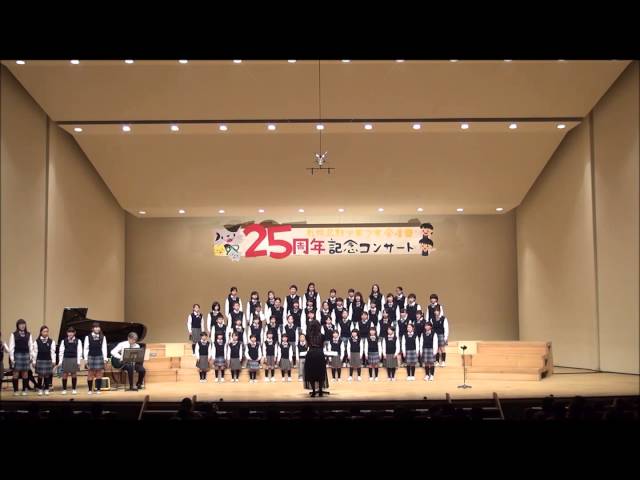
Lyrics and music by Kazufumi Miyazawa, the vocalist of THE BOOM.
Crafted with a Latin flavor using a samba whistle and many percussion instruments.
It spread widely as it was often featured on television—used as a movie theme song and in commercials—and it even came to be included in high school music textbooks.
Osaka City Streetcar Song

A song with a pleasing seven-five rhythm invites you on a journey through springtime Osaka.
Starting in Umeda, it sings its way through the era’s celebrated spots—Dojima, Shinsaibashi, and on to Tempozan—so vividly that the city’s lively scenes come to life before your eyes.
Don’t you feel the excitement of people swaying along in the streetcars? It’s said this piece was created in 1908 as a PR song for the Osaka Municipal Tramway.
As you listen to its nostalgic melody, you can sense the bustle of the old, beloved “City of Water.”
Whispers of HopeTōkyō Konsei Gasshōdan
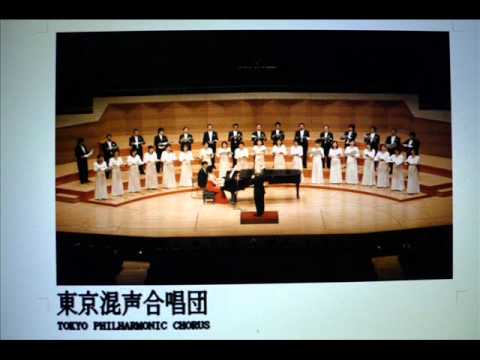
The composer is Hawthorne from the United States.
There are two versions of the Japanese lyrics, but this time we chose the translation by Ryoko Morozono.
It has been sung as a women’s chorus since before the war, with colloquial lyrics set to a flowing melody.
It has also been performed by Saori Yuki and Shoko Yasuda.
Harmony Traveling the Future

It was the set piece for the 71st NHK National School Music Competition in fiscal year 2004, and drew attention for being written and composed by Miwa Yoshida of Dreams Come True (DCT).
It is a rare set piece in 3/4 time.
The lyrics are easy for upper elementary school students to relate to, and the song is often featured at events such as graduation ceremonies.
rabbit

It was published in 1982.
At the time, in school education, nursery rhymes were considered an inferior form of music, but this song is a nursery rhyme that was recognized as a Ministry of Education school song.
It is a short piece with only the first verse, and its easy-to-remember melody and lyrics have made it popular.