

Quizzes and riddles for toddlers and kids—perfect for early learning too!

We’ve put together a collection of quizzes and riddles that children from preschool to elementary school can enjoy!
Use them for everyday play, educational fun, or game time at kids’ events.
From simple questions that preschoolers can answer to tricky ones that will give elementary schoolers something to think about, there’s plenty to enjoy!
When tackling the riddles, loosen up your thinking and give it a try.
If you’re trying to create your own original quiz questions for kids, this will be a great reference.
- Fun riddles for kindergartens and nursery schools. Easy questions for young children.
- Simple! A quiz for kids. Let’s develop their thinking skills!
- Fun riddles that kids will love
- Let's get excited with a two-choice quiz that everyone—from kids to adults—can enjoy!
- Popular quizzes at daycares and kindergartens. Perfect ideas for performances/activities.
- [Easy] Quizzes That Elementary School Students Can Solve! A Collection to Nurture Wisdom
- [For Elementary School Students] Me Quiz: A Collection of Quiz Questions About Yourself
- Quiz for elementary school students: Easy! Fun! Question collection
- [For Kids] January Trivia Quiz & Fun Facts: Learn About the New Year in a Fun Way
- [By Pattern] Animal Silhouette Quiz: Fun for Kids and Adults!
- [For Kids] Trivia & Fun Facts Quiz about Detective Conan
- Fun quizzes for elementary school kids: a collection of questions everyone can enjoy together
- Let's Think Outside the Box! A Collection of Challenging Riddles for Kids
Quizzes and riddles for toddlers and kids. Perfect for early learning, too! (21–30)
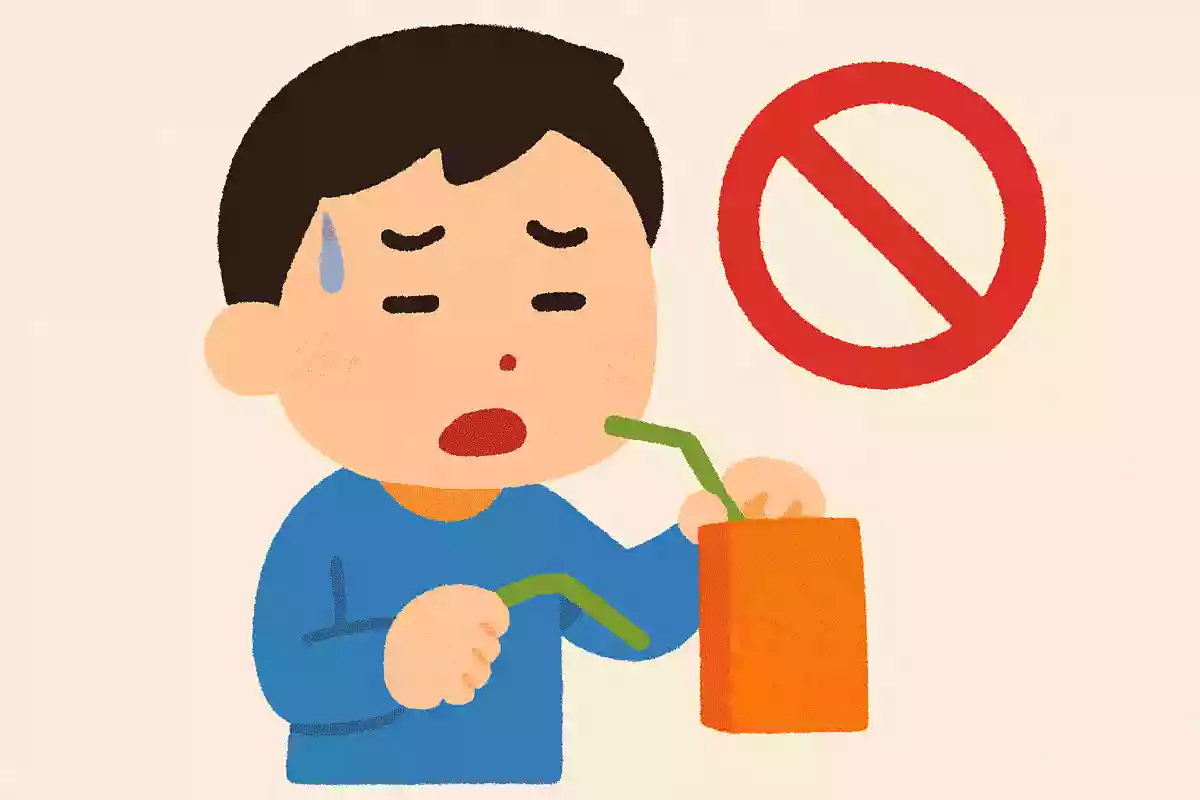
What kind of juice can you try to drink but can’t?
See the answer
The characters that read 'juice'
The word “juice” can be seen, but it can’t be drunk. The kind of juice you can’t drink no matter how hard you try isn’t an actual beverage, but the word “juice” itself. It’s a riddle that tests your ability to find the answer from the question text without being misled by appearances or the sound of the word.

No matter how many times you call it, it never answers—what is it?
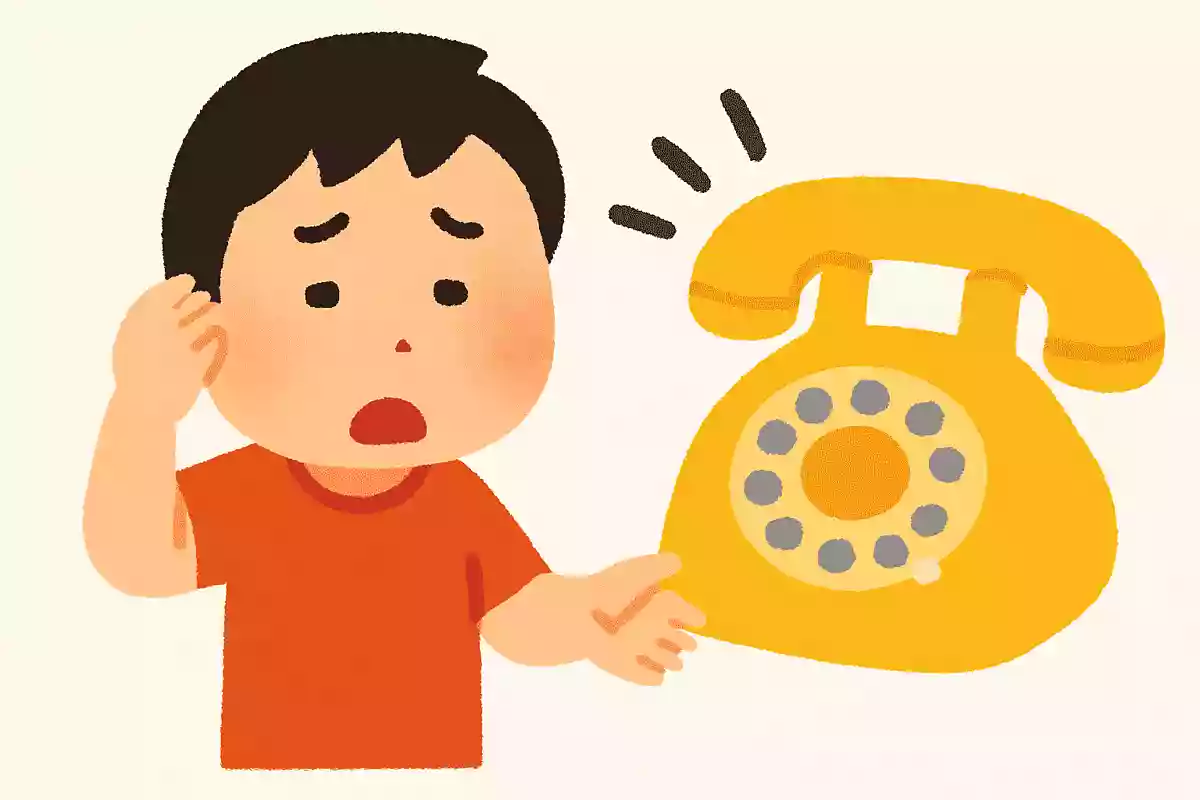
If you call your dad or mom, your teacher or your friends, they all answer you, right? But in this world, there are things that won’t respond no matter how much you call them… What are they? The answer is something you all know well.
The key to solving this riddle is to focus on the hiragana word yondemo.
First, try converting it to kanji.
If you try different options like 呼んでも (even if you call) and 読んでも (even if you read), you’ll arrive at the answer.
By the way, the correct answer is “a book.”

What kind of neck comes out of a mouth?
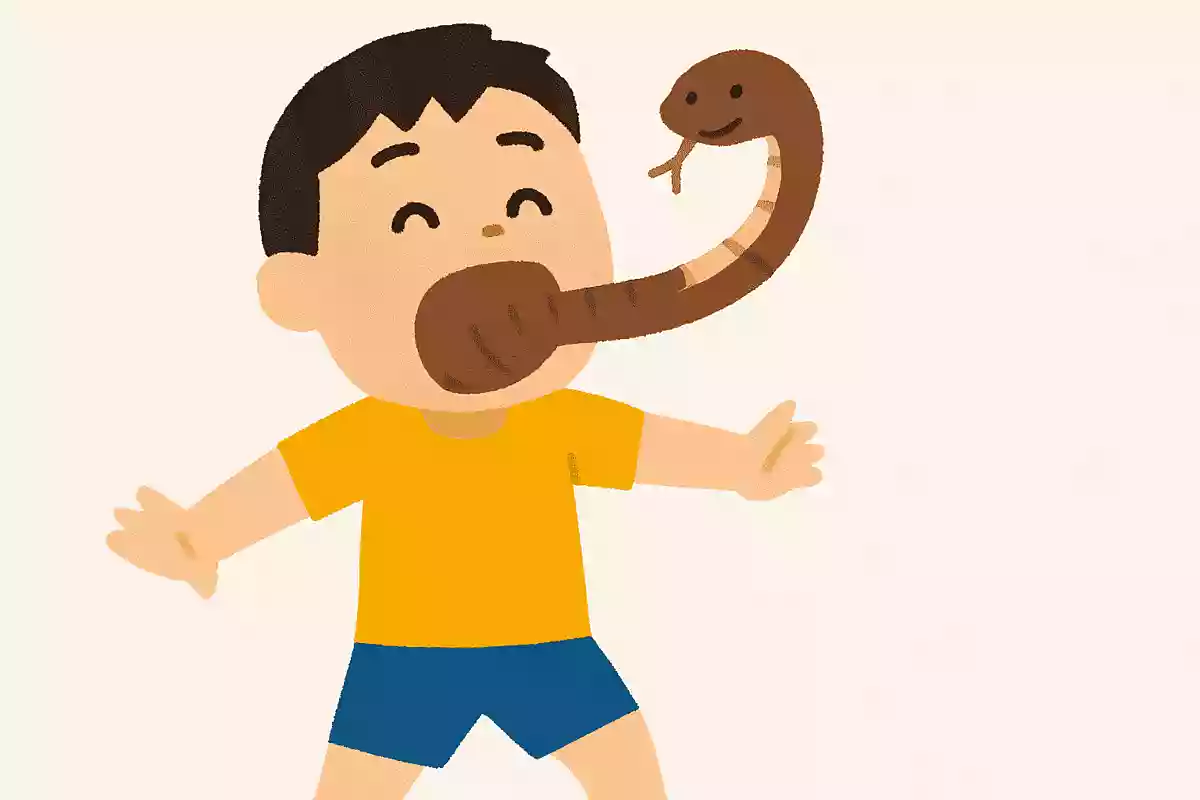
A neck coming out of your mouth…
It sounds a bit scary if you imagine it, but don’t worry—it’s just a riddle, not a scary story.
With that in mind, let’s solve it! The key to this puzzle is to convert the keyword “首” (kubi, neck) into hiragana and think of it that way.
Then, associate things that include “kubi” which come out of the mouth.
Everyone has put this out of their mouth at least once.
It’s an easy answer, so if you get the hint, you’ll solve it right away.
The answer is “akubi” (a yawn)!
What kind of shell becomes scary when even 10 small ones gather together?
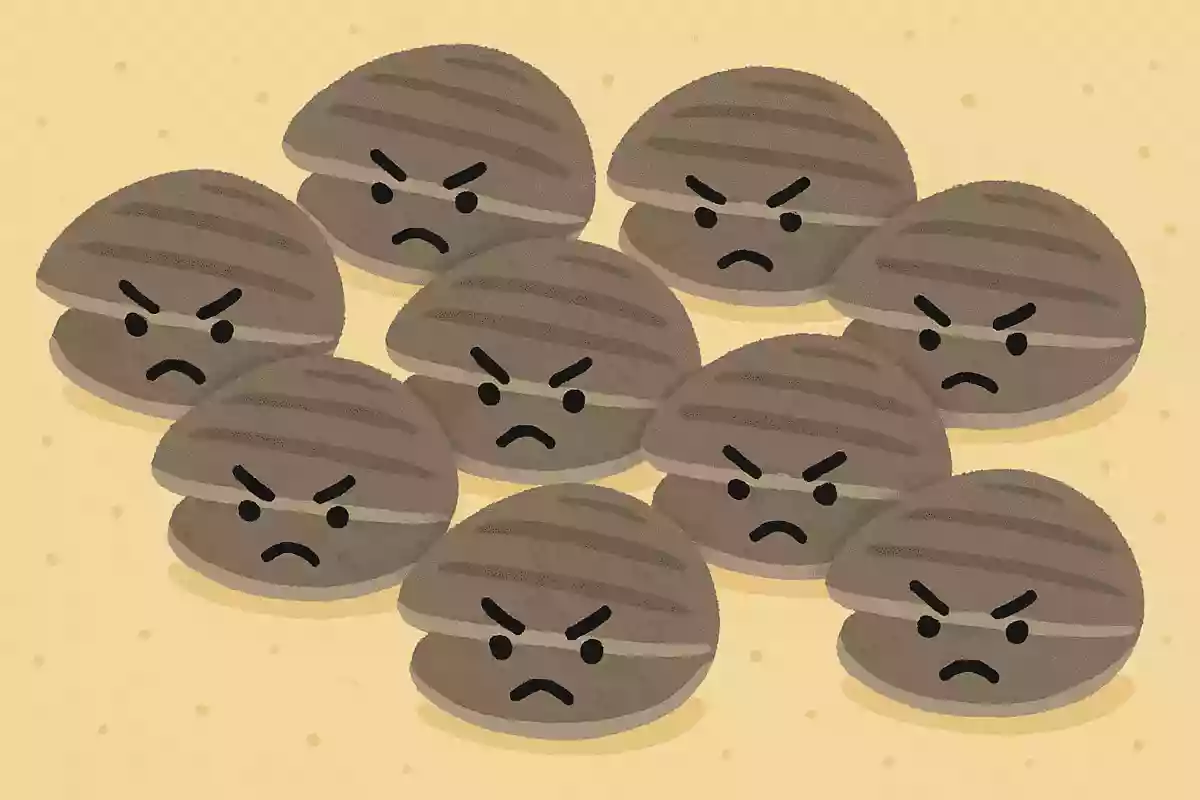
It’s a riddle that calls to mind Swimmy, the story where many small fish band together to drive away a big fish.
A shellfish that becomes scary when even ten of them gather… What do you imagine? This riddle doesn’t require much knowledge; it tests your flashes of insight, imagination, and point of view.
First, read the question carefully.
Then, rewrite the key words “shellfish” (kai) and “ten” (juu) into hiragana.
When you line them up, the name of a frightening creature should appear.
The answer is “kaijuu” (monster).
What time is it now?
See the answer
two characters
When someone asks, “What time is it now?” you’d normally answer with a time like three o’clock or six o’clock, right? But this riddle is different. If you focus on the phrase “What time is it now?” itself, it contains two words—“now” and “what time”—so together it makes ‘two characters’ (ni-moji).
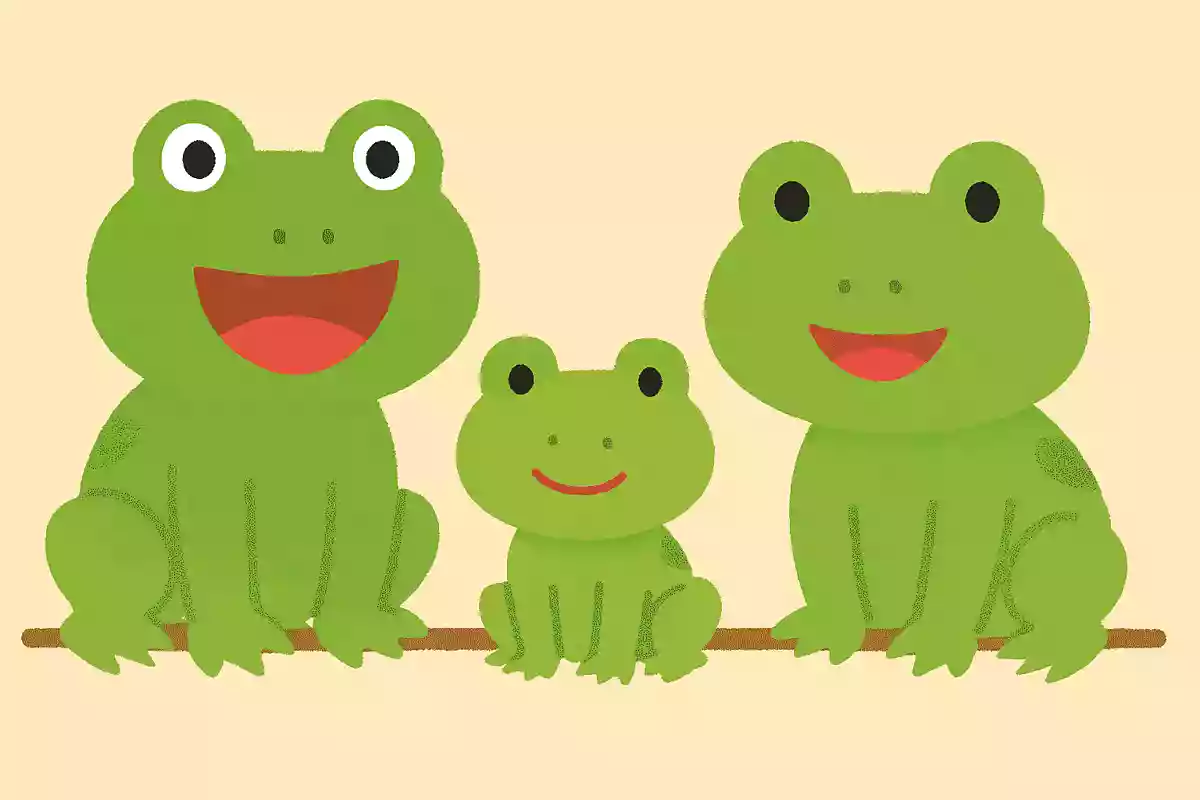
Daddy frog goes ribbit-ribbit-ribbit, Mommy frog goes ribbit-ribbit, so what sound does the baby frog make?
See the answer
I won’t cry.
Young frogs are still in the tadpole stage, so they can’t croak like adult frogs. That’s why the answer is “they don’t cry/make sounds.” Comparing them to the calls of their father and mother helps you notice the differences in development. Not only appearance but also whether they can make sounds is a point of growth.
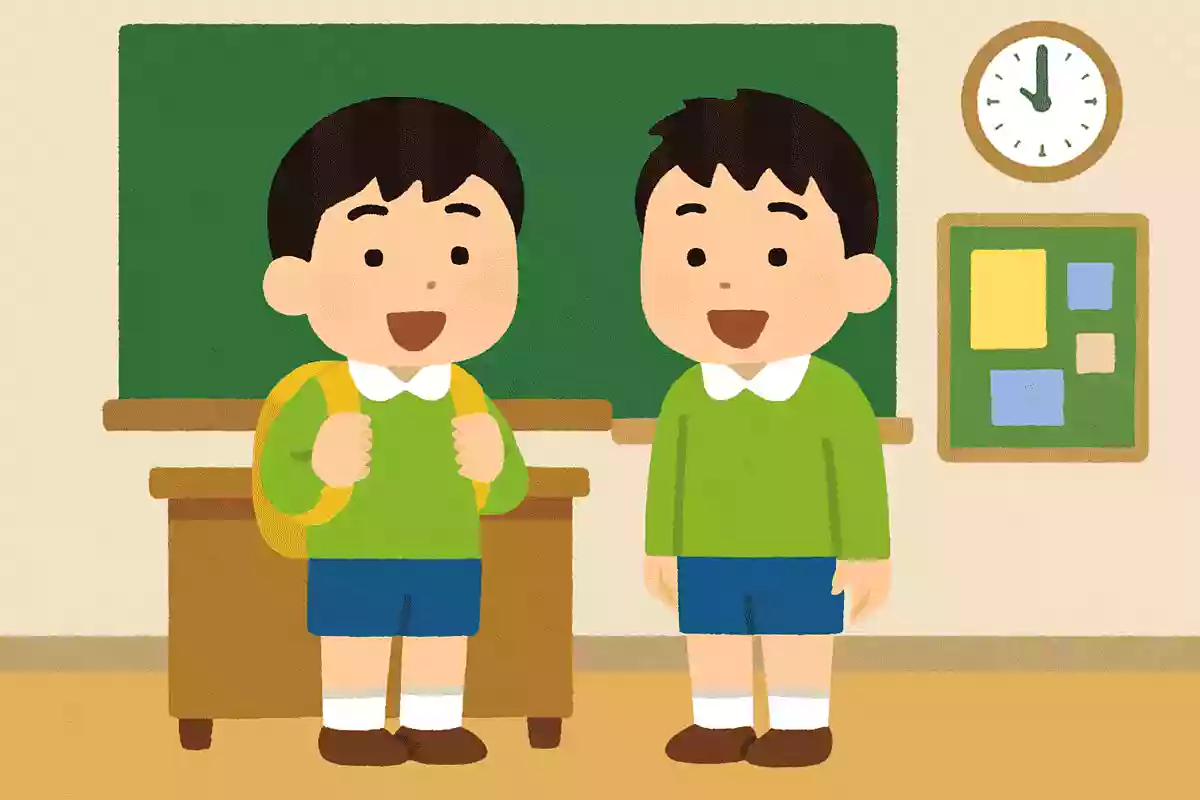
Taro and Jiro are brothers born on the same day in the same year, but they are not twins. Why is that?
See the answer
Actually, I'm a triplet.
Taro and Jiro were born on the same day in the same year and are siblings, but they are not twins. That’s because they are actually two of a set of triplets. In the case of triplets or larger sibling sets, two of them alone are not called “twins,” which leads to this answer.