

Quizzes and riddles for toddlers and kids—perfect for early learning too!
We’ve put together a collection of quizzes and riddles that children from preschool to elementary school can enjoy!
Use them for everyday play, educational fun, or game time at kids’ events.
From simple questions that preschoolers can answer to tricky ones that will give elementary schoolers something to think about, there’s plenty to enjoy!
When tackling the riddles, loosen up your thinking and give it a try.
If you’re trying to create your own original quiz questions for kids, this will be a great reference.
- Fun riddles for kindergartens and nursery schools. Easy questions for young children.
- Simple! A quiz for kids. Let’s develop their thinking skills!
- Fun riddles that kids will love
- Let's get excited with a two-choice quiz that everyone—from kids to adults—can enjoy!
- Popular quizzes at daycares and kindergartens. Perfect ideas for performances/activities.
- [Easy] Quizzes That Elementary School Students Can Solve! A Collection to Nurture Wisdom
- [For Elementary School Students] Me Quiz: A Collection of Quiz Questions About Yourself
- Quiz for elementary school students: Easy! Fun! Question collection
- [For Kids] January Trivia Quiz & Fun Facts: Learn About the New Year in a Fun Way
- [By Pattern] Animal Silhouette Quiz: Fun for Kids and Adults!
- [For Kids] Trivia & Fun Facts Quiz about Detective Conan
- Fun quizzes for elementary school kids: a collection of questions everyone can enjoy together
- Let's Think Outside the Box! A Collection of Challenging Riddles for Kids
Quizzes and riddles for toddlers and kids. Perfect for early learning, too! (21–30)
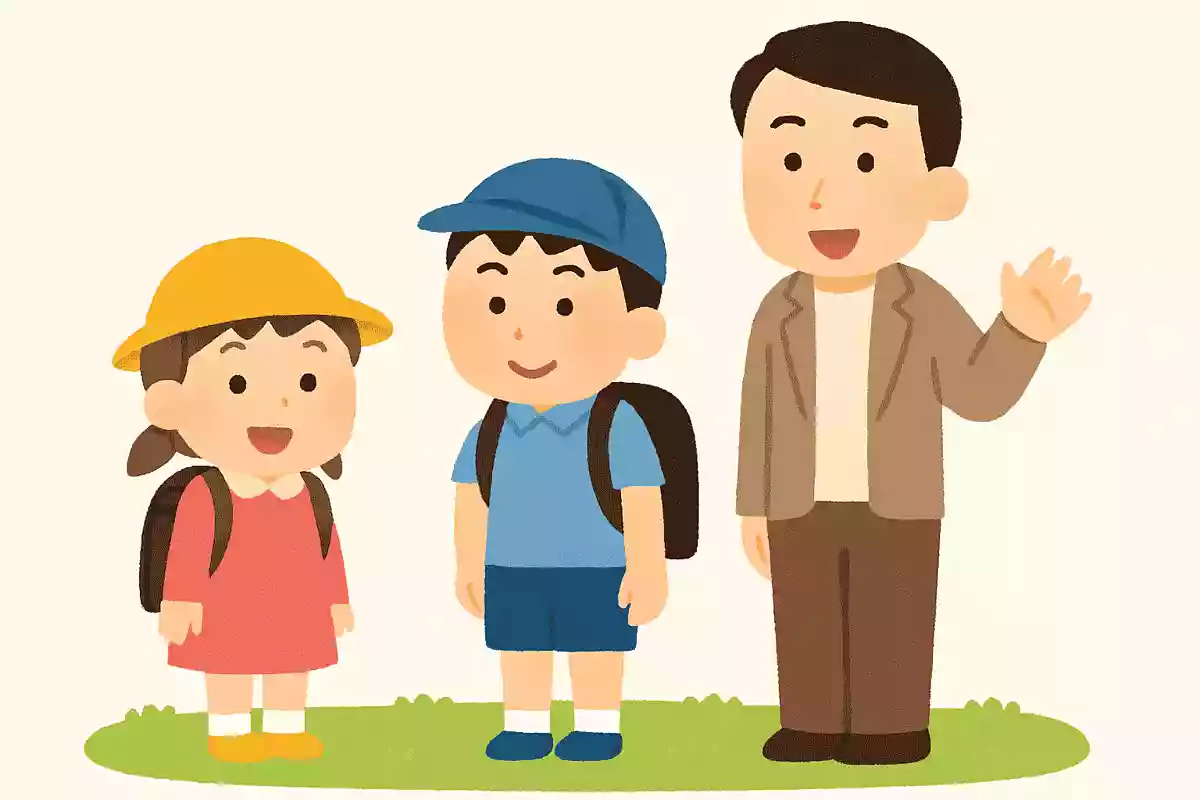
Among kindergarteners, elementary school students, and adults, which is the biggest?
See the answer
kindergarten
A kindergarten isn’t a person; it’s the name of a building. Elementary school students and adults are people, but a kindergarten is a large building that many people can enter. So if you compare sizes, the kindergarten is the biggest. The key to this riddle is noticing the meanings of the words.

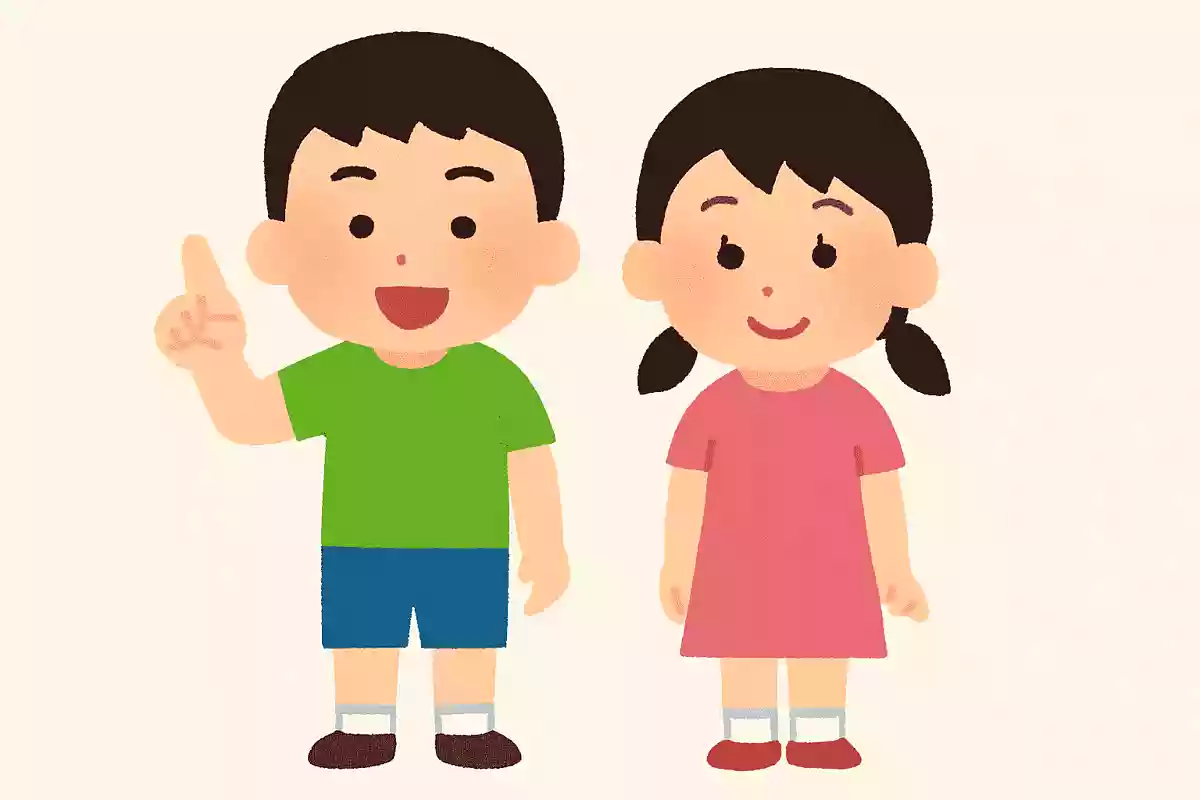
What are the two things a younger brother has but a younger sister has only one of?
See the answer
The hiragana “to”
The word otōto (younger brother) contains two instances of the syllable “to,” while imōto (younger sister) contains only one. Both are family terms, but in this riddle the key is not their meanings—it’s the letters within the words. If you look closely at the words and consider which characters appear and how many times, you’ll arrive at the answer.
Quizzes and riddles for toddlers and kids. Perfect for early learning, too! (31–40)
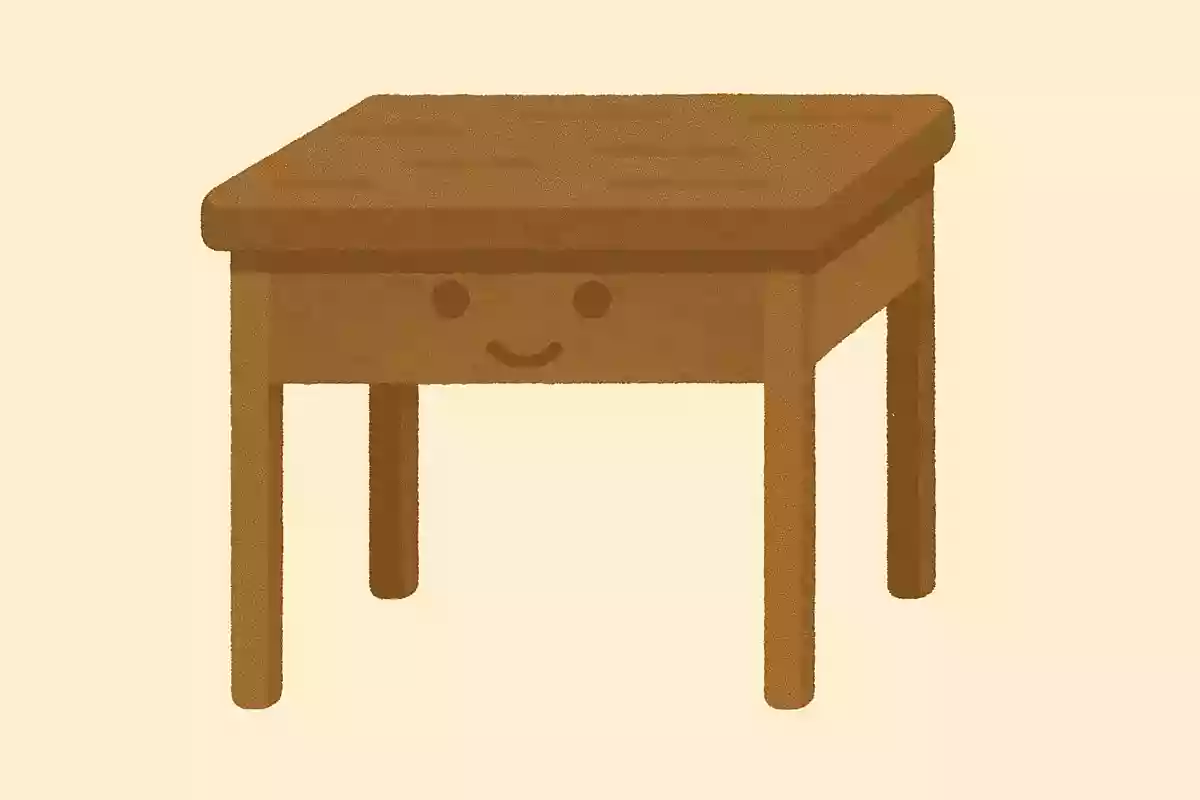
What has four legs but cannot walk?
See the answer
chair
A chair has four legs, but it can’t walk on its own. It can’t move like an animal, but it stands firmly in front of a desk and is very important for people to sit on. This riddle cleverly plays on the assumption that “having legs = being able to walk.”
The grandson played with a ball with his grandpa. What did they do?

The key to solving this puzzle is to think of a different way to say “ojīchan” (grandpa).
So, what word could you replace “ojīchan” with? If something immediately comes to mind, try connecting that word to a scene where he’s playing with his grandchild using a ball.
If you do that, the answer should naturally reveal itself.
If you know lots of ball games, you might also try thinking from the types of ball games.
The answer is a fairly mainstream ball sport, so you might have an “aha!” moment that leads you to the correct answer.

Poop riddle

A few years ago, drill books and workbooks related to poop-themed riddles were all the rage, weren’t they? With materials that use poop as a theme, many people might worry, “Is this really okay?” It seems that children tend to like or be highly interested in things that adults would find embarrassing.
Turning that idea around, using such topics for learning or play can actually motivate kids.
The questions are often unique, so children will probably get excited and solve the riddles with lots of enthusiasm.

100 riddles

Riddles are something you can play with friends and family, and they’re fun even on your own.
They don’t require any materials and are easy to do, so riddles are perfect for spare moments or for spending time with kids.
As the riddles get more exciting, many children become eager and say, “Let’s do more!” Let’s try 100 riddles that mainly use familiar everyday items as their themes.
Many of the questions are understandable for lower grade elementary school children, so they’re easy to tackle.
It also sounds like it would be a lot of fun to set a goal from the start of taking on all 100 riddles and play that way.
13 riddles

NHK’s educational programs come in many forms and are designed with various innovations that stimulate not only the eyes but all five senses.
Whether it’s singing songs using only onomatopoeia, appealing to the visual sense with chain reactions of mechanisms, or conveying through sound that objects can be viewed from many angles, children absorb so much of it in such a healthy way—something I realize anew.
Learning lots of words, searching for answers on their own, and riddles, too, will surely contribute to children’s growth.
Please enjoy them in a conversational format together with an adult.