

Lesser-known facts about Mother’s Day that might surprise you—tidbits you’ll want to share with someone

When we think of Mother’s Day, we often picture a day to express gratitude to our mothers and give them carnations.
However, there may be surprisingly few people who know about its origins or how it’s celebrated around the world.
Trivia related to Mother’s Day is full of stories that will make you want to share them with someone the more you dig in! In this article, we’ll introduce a wide range of Mother’s Day trivia.
The more you learn, the more Mother’s Day may feel like an even more special day than it does now!
- Not taught in school! A roundup of historical trivia and fun facts
- Trivia & fun facts about June
- Mother’s Day gifts are best when handmade! A collection of heartfelt ideas
- Will you like May even more once you know? Fun May trivia elementary schoolers should know
- [For Elementary School Students] A Collection of Fun, Educational Quiz Ideas for Mother's Day
- Surprisingly, there’s a lot we don’t know? A quiz to learn trivia about May!
- A fun quiz you can use to kill time by yourself or with everyone
- Handmade gifts to give on Mother’s Day: a collection of heartfelt ideas
- A collection of handmade card ideas for Mother’s Day: heartfelt ideas that convey your feelings
- [Valentine's Day] Trivia and fun facts you'll want to share: A big reveal of secrets about Valentine's Day and chocolate
- Exciting! Trivia quizzes that you’ll want to tell others about. A collection of surprisingly little-known facts.
- Trivia about hydrangeas. A collection of fun facts related to ajisai (hydrangeas).
- [For General Audience] Little-Known Trivia and Fun Facts About Hay Fever
Unexpectedly little-known Mother's Day trivia: fun facts you'll want to share with someone (31–40)
The market size for Mother’s Day in 2019 was 120.5 billion yen.
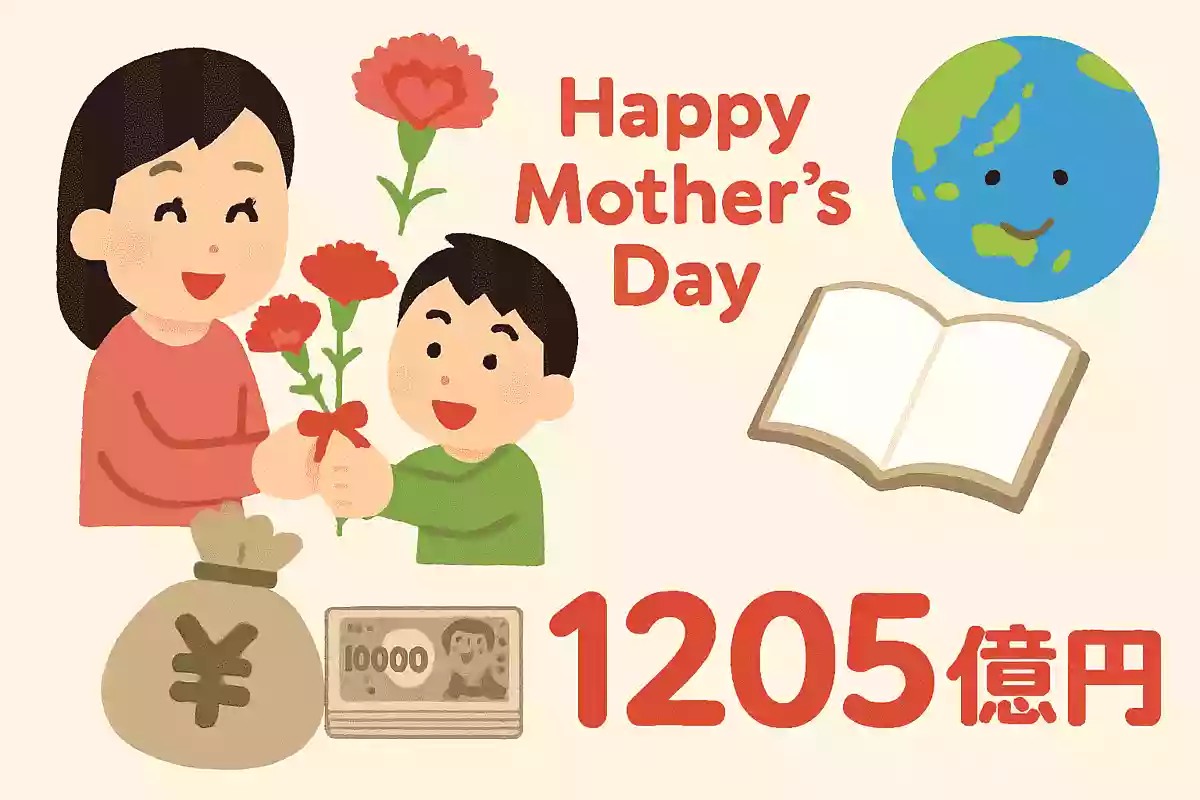
The market size for Mother’s Day in 2019 is said to have been 120.5 billion yen.
For reference, the market size for Halloween in 2019 was 115.5 billion yen, and Valentine’s Day was 126.0 billion yen, so they’re roughly the same scale.
It seems that in Japan, the custom of cherishing mothers and giving them gifts is well established.
In addition, there appear to be other factors at play, such as mothers purchasing items as gifts for themselves, more people seeking products that look good on social media, and the convenience of buying items online.

It’s generally the second Sunday in May, but there are countries where this isn’t the case.
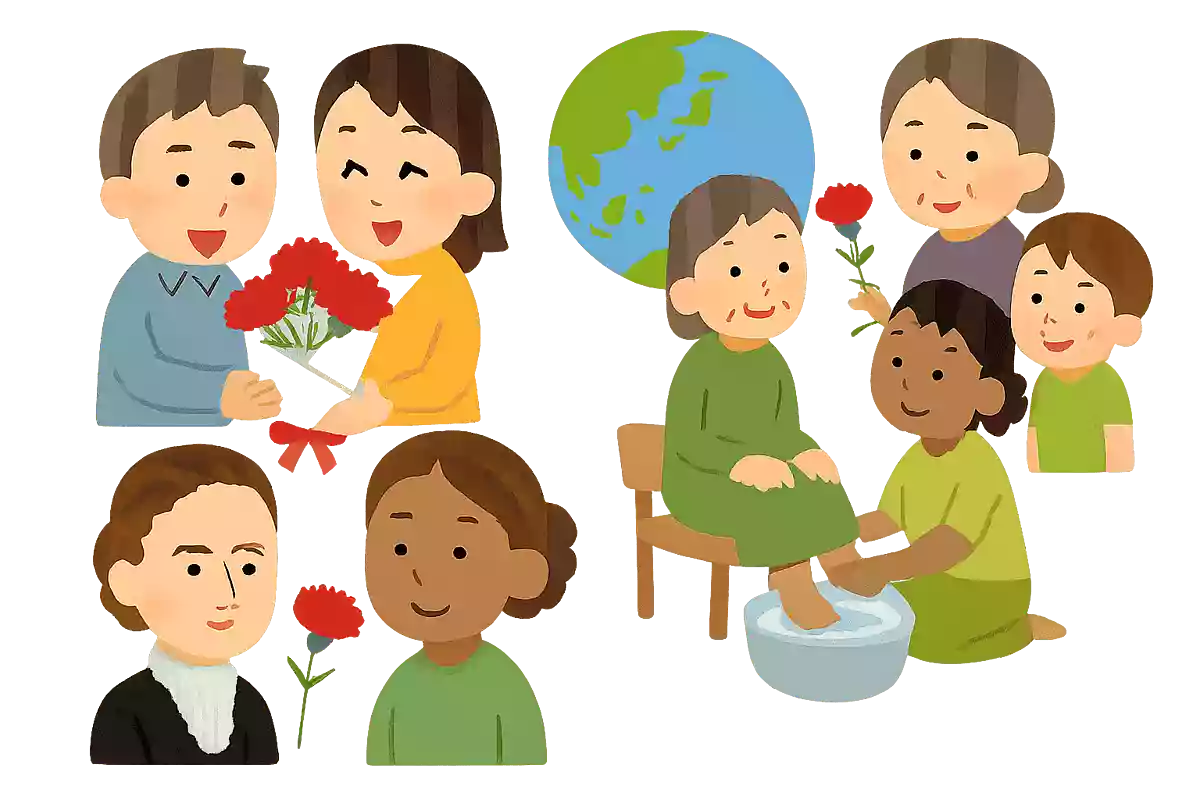
In Japan, Mother’s Day falls on the second Sunday of May.
So, what about other countries? The United States, Canada, Italy, and Australia also celebrate it on the second Sunday of May, just like Japan.
On the other hand, the United Kingdom observes Mother’s Day on the Sunday two weeks before Easter.
In Egypt and the United Arab Emirates, Mother’s Day is on March 21.
While the date varies by country, it’s clear that gratitude toward mothers is universal.
Incidentally, Romania does not have a Mother’s Day, but there is a day when gifts are given to women.

The origin of Mother’s Day in the UK is a once-a-year homecoming day.

The origin of Mother’s Day in the United Kingdom is said to be Mothering Sunday.
Mothering Sunday is the fourth Sunday in the 46 days leading up to Easter.
It became established as a “day to express gratitude to mothers” because it was a day when children who were working away from home would return to visit their mothers.
Even today in the UK, people express thanks to their mothers and give them gifts on Mothering Sunday.
It is also customary for everyone to eat Simnel cake together.
In Italy, a portion of the proceeds from Mother’s Day is used to support cancer research.
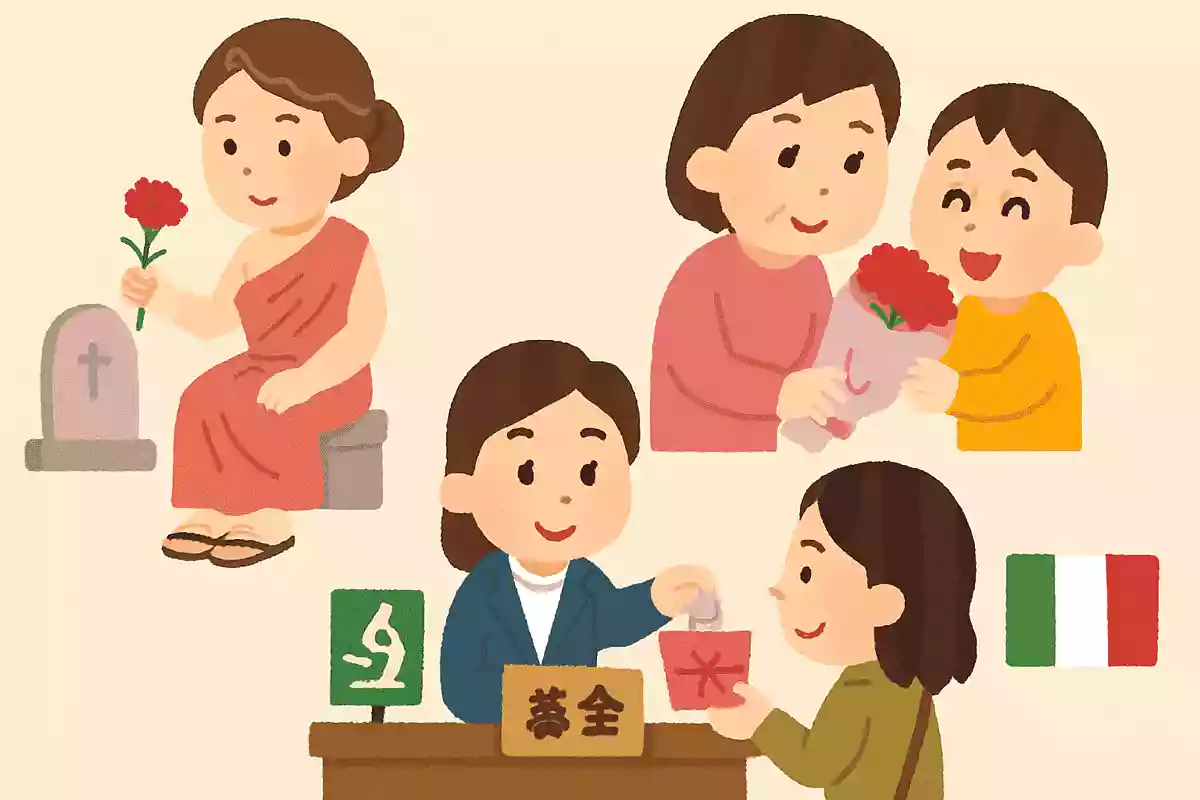
How Mother’s Day is celebrated varies from country to country, and sometimes the way it’s done really conveys the depth of feeling, doesn’t it? Among these different approaches, Italy’s Mother’s Day stands out: it conveys love not only for mothers but for many people.
In Italy, instead of carnations, potted azaleas are sold, and at the events where these azaleas are offered, a portion of the proceeds goes to cancer research.
It’s a form of celebration that seems to express not only the desire to help those who are ill, but also the wish that mothers will not fall sick in the first place.

There are countries where people give daffodils or chrysanthemums instead of carnations.
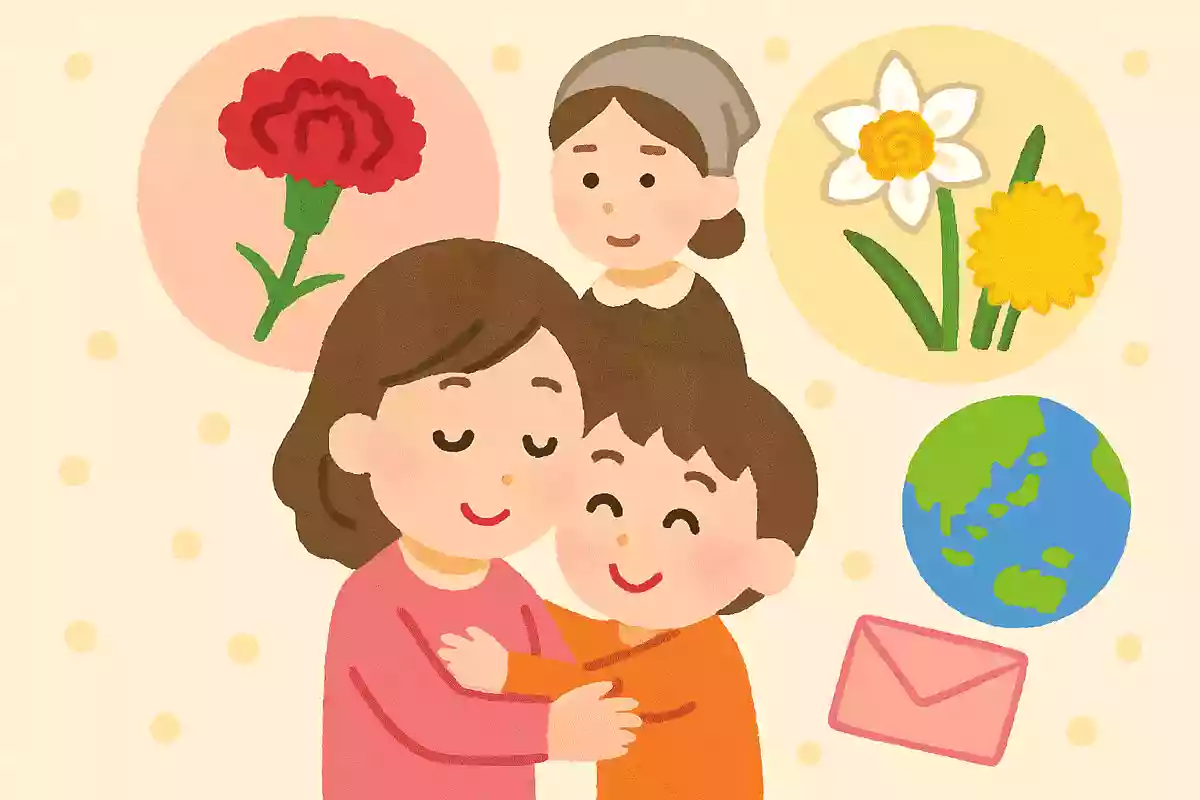
In Japan, carnations have become the standard flowers to give on Mother’s Day.
However, other countries give different flowers.
For example, in Australia, chrysanthemums are common.
That’s because the English name “chrysanthemum” contains “mum.” In Thailand, it’s customary to give jasmine with its beautiful colors.
It’s interesting that, even though the message is the same, the flowers given differ by country.
By the way, the United States and South Korea, like Japan, give carnations.
Lesser-known Mother’s Day trivia. Fun facts (41–50) you’ll want to share with someone
In Thailand, people wear light blue clothes on Mother’s Day.
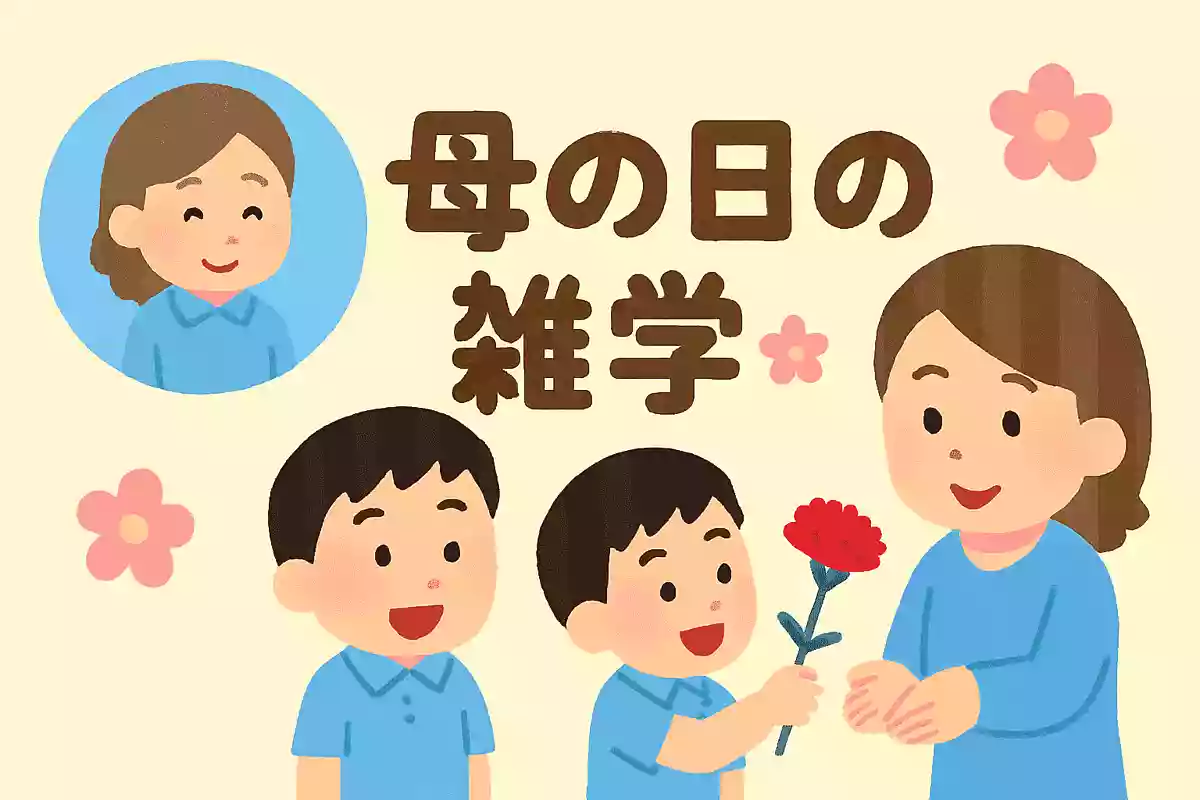
In Japan, Mother’s Day is on the second Sunday of May, but the timing varies depending on a country’s culture and customs.
Among countries where Mother’s Day falls at different times, why not take a closer look at how Thailand celebrates it and cultivate an interest in the country’s culture? In Thailand, Mother’s Day coincides with the queen’s birthday; during Queen Sirikit’s era, Mother’s Day was set on August 12.
A notable point is that the queen was born on a Friday, and since the color associated with Friday in Thailand is light blue, there’s a custom of wearing light blue clothing.
It’s an intriguing cultural aspect that the timing and even the color might change depending on the reigning queen.
In Norway, partners give gifts on Mother’s Day to women who have given birth.
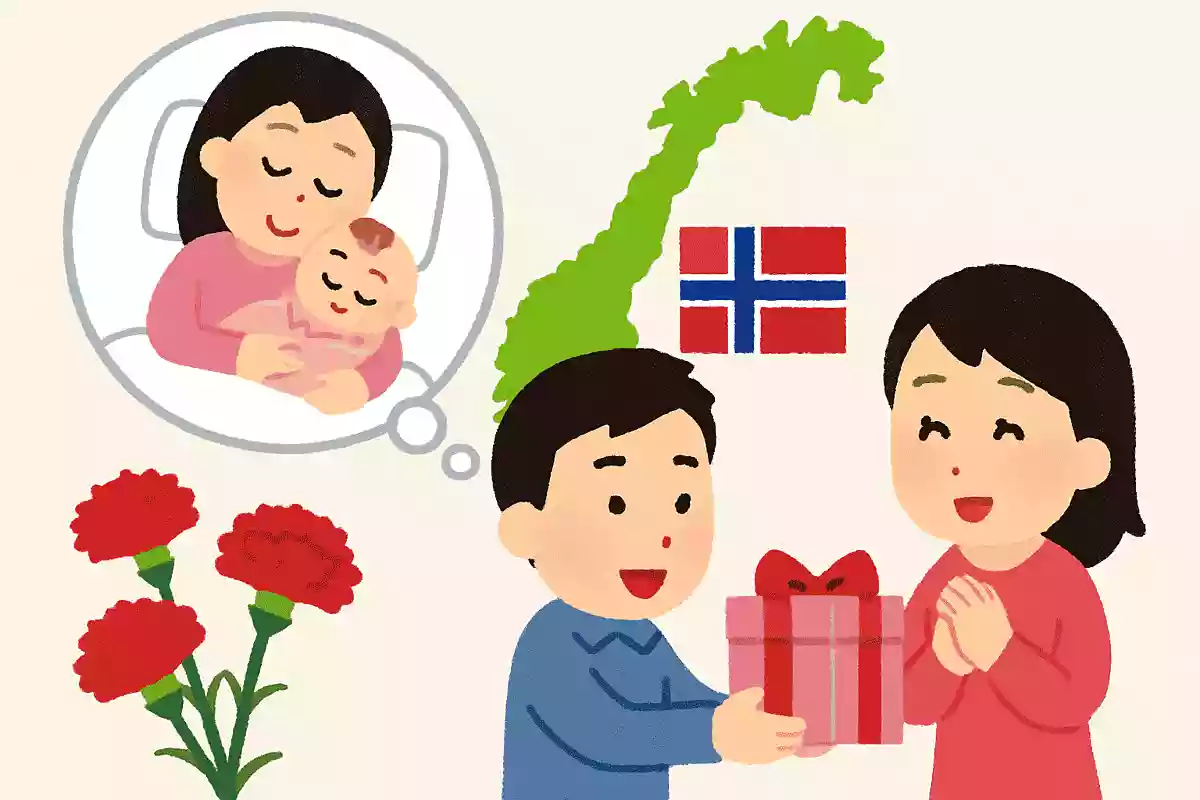
In some countries, the timing of Mother’s Day varies greatly, and among them, Norway is known as one of the countries where Mother’s Day arrives the earliest.
What’s unique about Norway’s Mother’s Day is not just the early timing, but also its distinctive ways of celebrating that aren’t seen in other countries.
The way it’s celebrated changes when a woman gives birth: on the first Mother’s Day that comes after the birth, there is a custom for her partner to give her a present.
This milestone of being celebrated by the partner seems to enhance the feeling of having truly become a mother.