

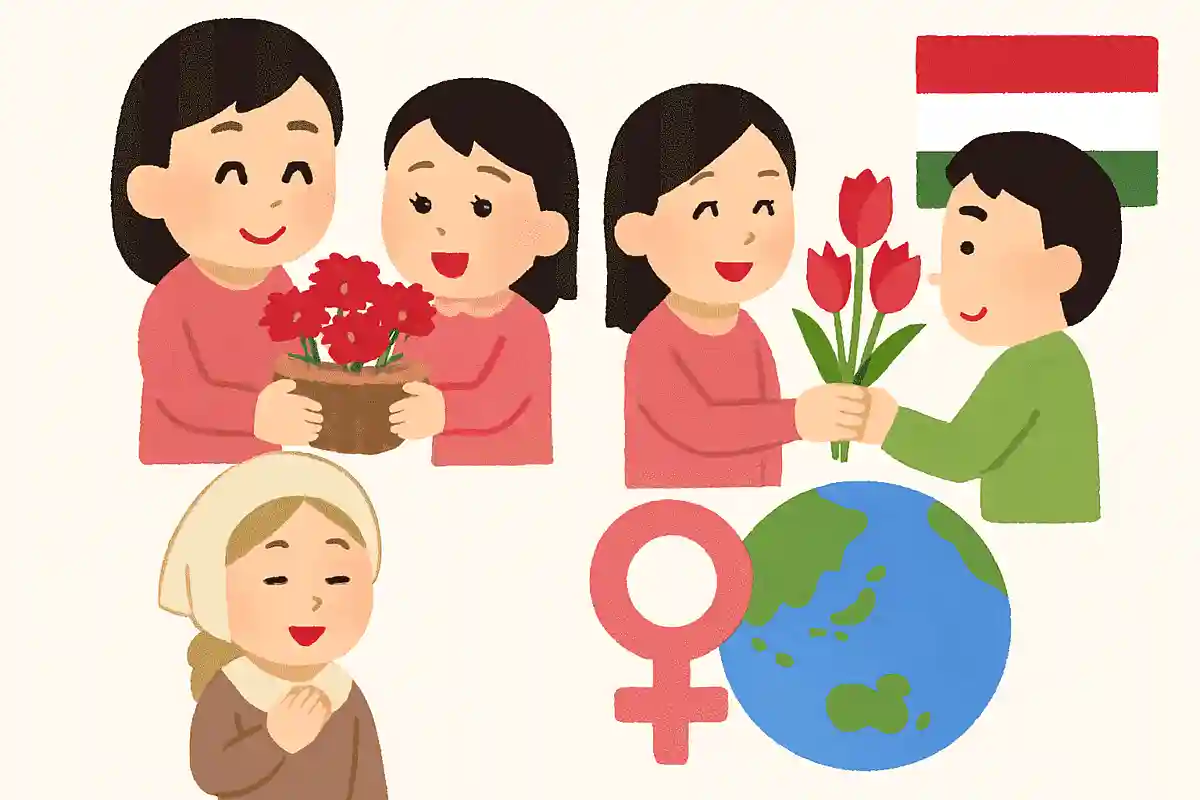

When we think of Mother’s Day, we often picture a day to express gratitude to our mothers and give them carnations.
However, there may be surprisingly few people who know about its origins or how it’s celebrated around the world.
Trivia related to Mother’s Day is full of stories that will make you want to share them with someone the more you dig in! In this article, we’ll introduce a wide range of Mother’s Day trivia.
The more you learn, the more Mother’s Day may feel like an even more special day than it does now!
- Not taught in school! A roundup of historical trivia and fun facts
- Trivia & fun facts about June
- Mother’s Day gifts are best when handmade! A collection of heartfelt ideas
- Will you like May even more once you know? Fun May trivia elementary schoolers should know
- [For Elementary School Students] A Collection of Fun, Educational Quiz Ideas for Mother's Day
- Surprisingly, there’s a lot we don’t know? A quiz to learn trivia about May!
- A fun quiz you can use to kill time by yourself or with everyone
- Handmade gifts to give on Mother’s Day: a collection of heartfelt ideas
- A collection of handmade card ideas for Mother’s Day: heartfelt ideas that convey your feelings
- [Valentine's Day] Trivia and fun facts you'll want to share: A big reveal of secrets about Valentine's Day and chocolate
- Exciting! Trivia quizzes that you’ll want to tell others about. A collection of surprisingly little-known facts.
- Trivia about hydrangeas. A collection of fun facts related to ajisai (hydrangeas).
- [For General Audience] Little-Known Trivia and Fun Facts About Hay Fever
Lesser-known trivia about Mother’s Day: fun facts you’ll want to share (1–10)
May 5th, Children’s Day, is also a day to show appreciation to mothers.
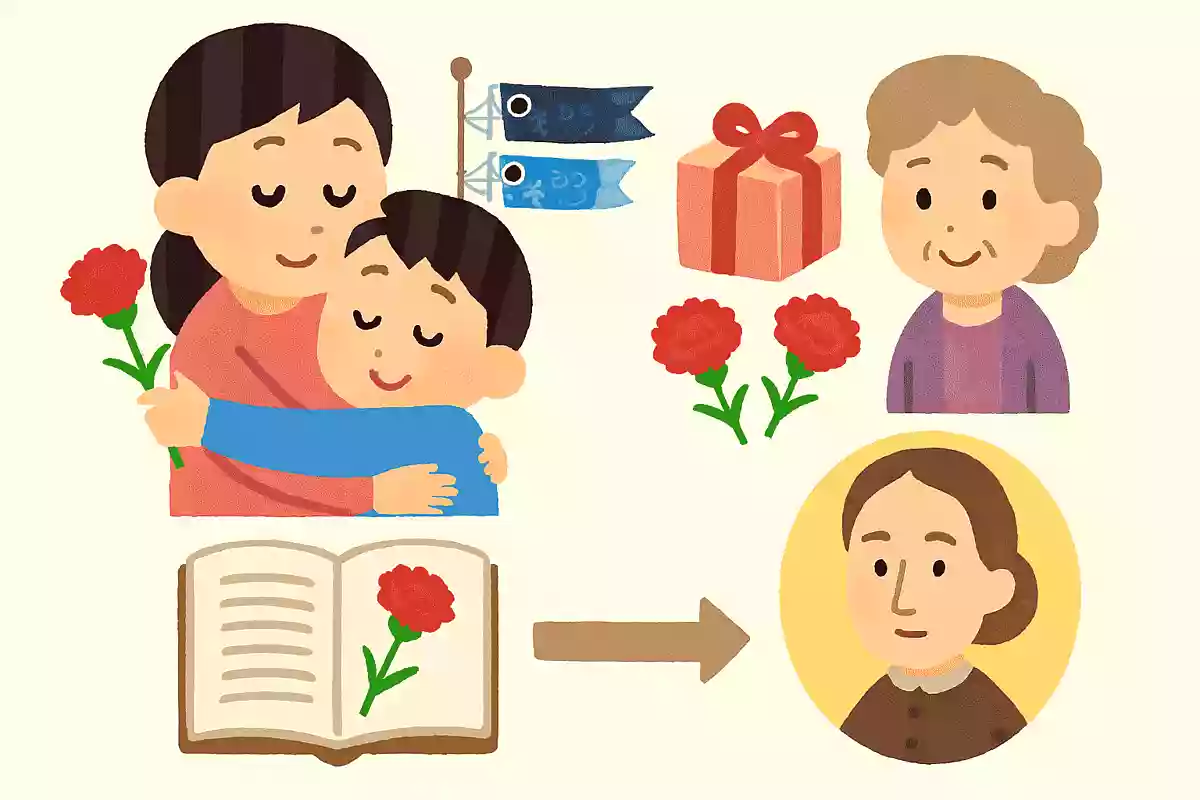
We tend to think that Mother’s Day is the only day to express gratitude to mothers, but in fact, Children’s Day is also a day for appreciating mothers.
According to the Act on National Holidays, Children’s Day is defined as a day to “respect the individuality of children, promote their happiness, and express gratitude to mothers.” From this, we can see that Children’s Day is not only about wishing for children’s healthy growth, but also about thanking the mothers who gave birth to them.
It can also be a chance to reflect on who we owe our healthy lives to as children and to think about love.

Hungary celebrates International Women’s Day instead of Mother’s Day.
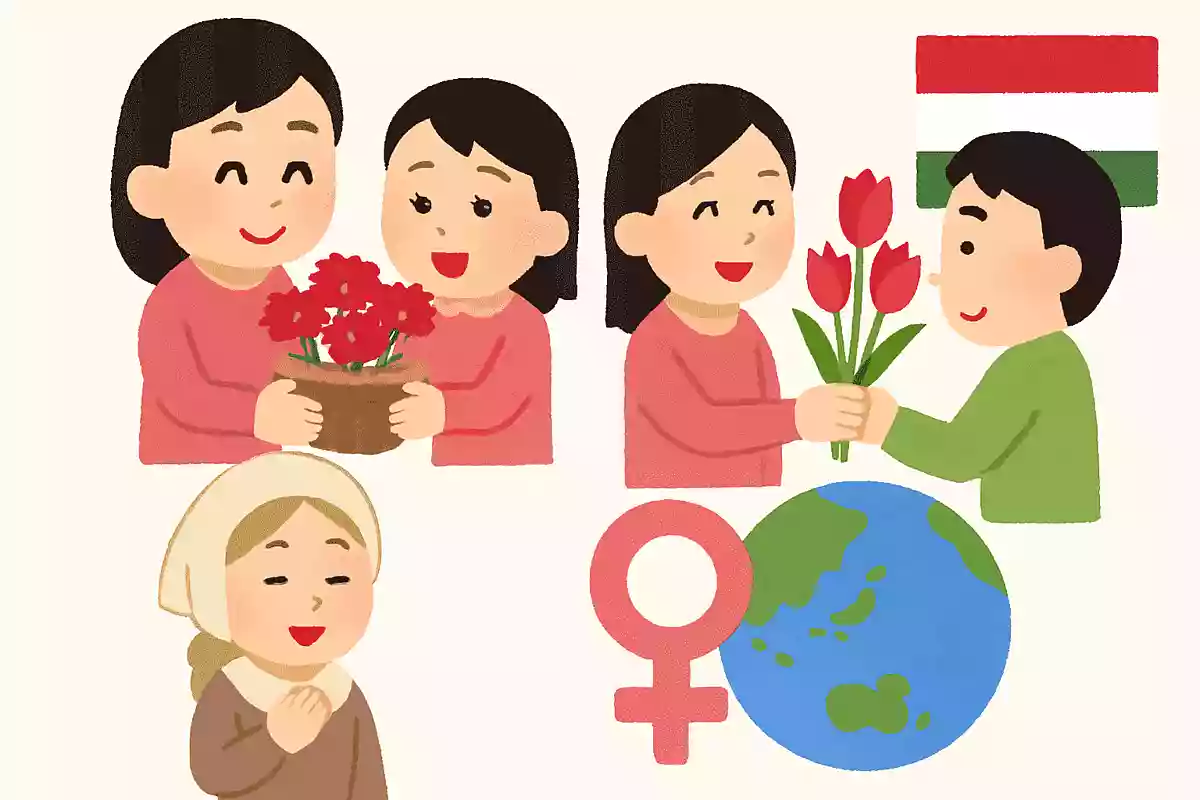
In Japan, Mother’s Day is a day to express gratitude to mothers, but in some countries the name and meaning differ.
Among celebrations similar to Mother’s Day that differ from Japan’s, let’s look at Hungary’s.
In Hungary, the first Sunday of May is celebrated as “Women’s Day,” a day when people give gifts—such as lilac flowers—not only to mothers but to all women.
The notion of expressing thanks regardless of age or status gives the impression that happiness is even more widely shared.
Morinaga Confectionery played a role in the widespread adoption of Mother’s Day in Japan.
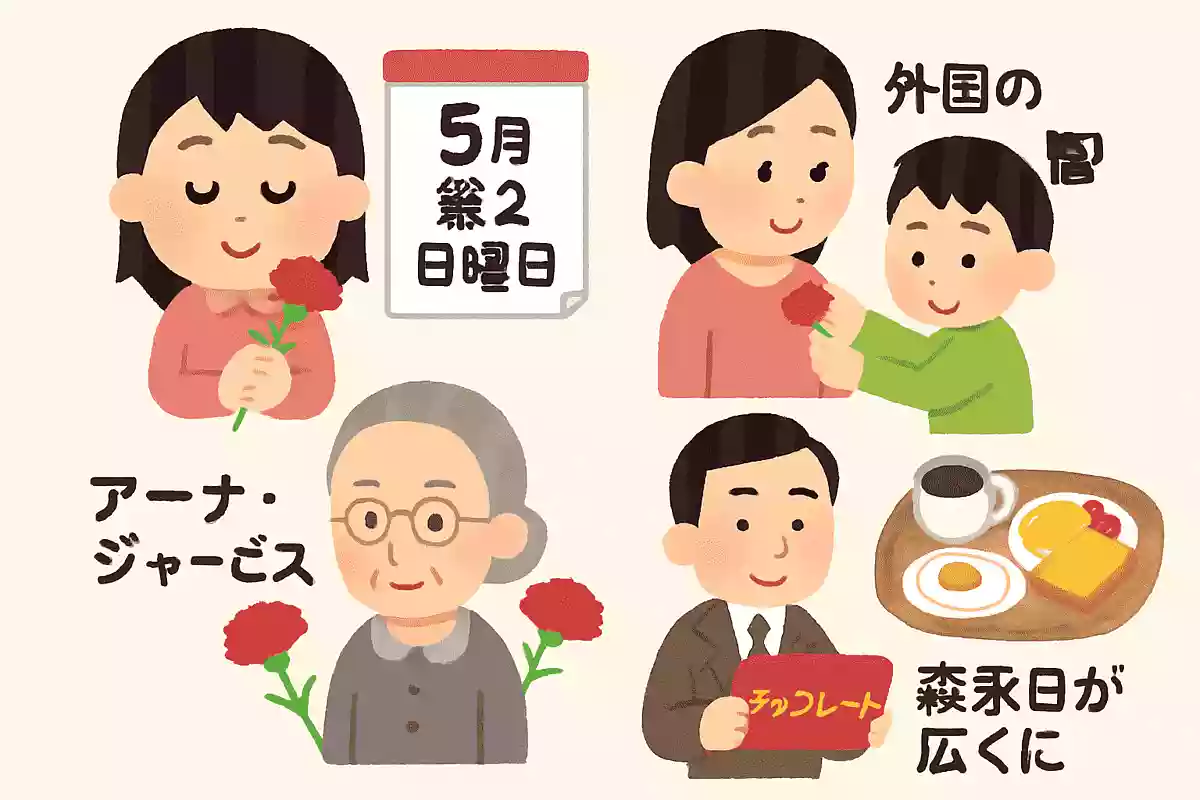
Do you know how Mother’s Day became established in Japan? In 1937, the confectionery company Morinaga held an event called the “Morinaga Mother’s Day Convention.” This sparked the widespread adoption of Mother’s Day and led to the second Sunday in May being recognized as Mother’s Day.
Incidentally, the event was held at Toshimaen in Tokyo and is said to have drawn more than 200,000 visitors.
Activities included soliciting songs expressing gratitude to mothers.
The event continued to be held until 1940.

Father’s Day was born out of Mother’s Day.
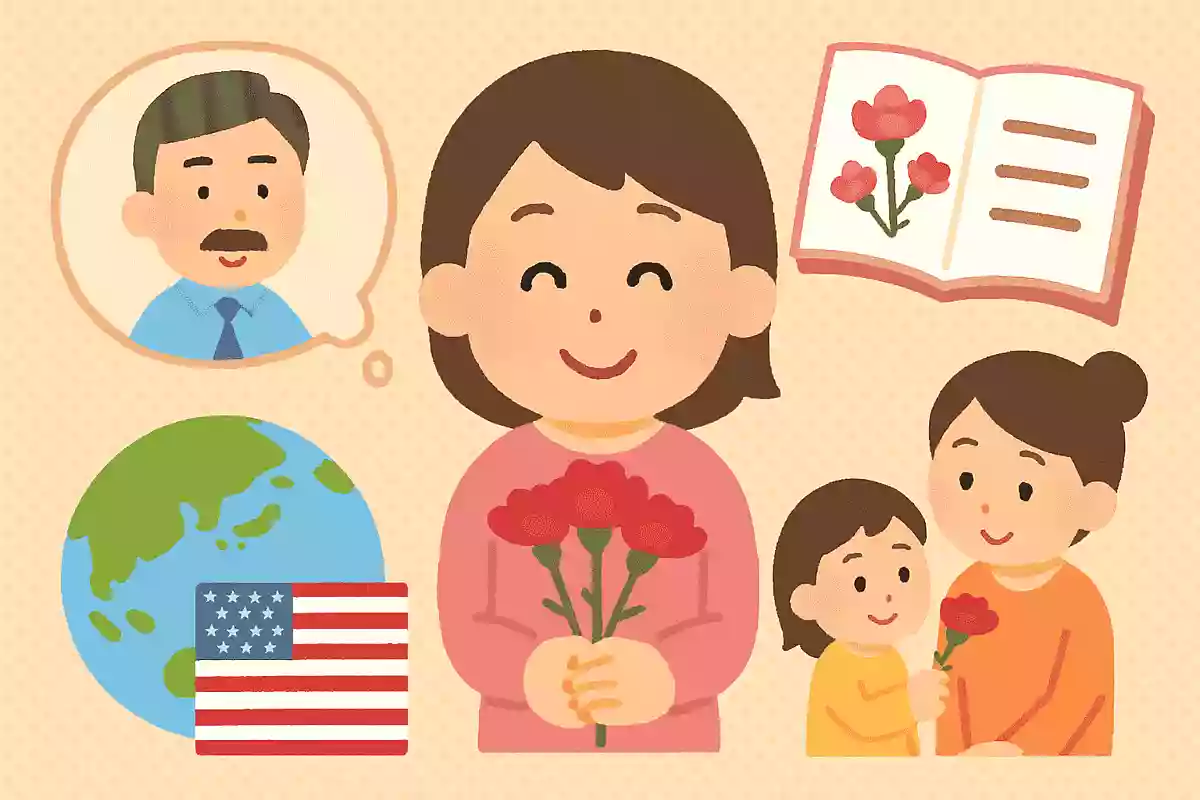
To pair with Mother’s Day, the third Sunday of June is designated as Father’s Day, but it seems less lively compared to Mother’s Day, doesn’t it? If you learn how Father’s Day began and how it relates to Mother’s Day, you might find it more interesting.
It is said that Father’s Day started in the United States with the story of a father who single-handedly raised his children after their mother passed away early, and of a daughter who petitioned her church to honor him just like on Mother’s Day.
Knowing that it was born not as an afterthought to Mother’s Day, but out of gratitude to fathers who raised their children, might help dads feel more at ease welcoming Father’s Day.
Norway celebrates Mother’s Day earlier than any other country in the world.
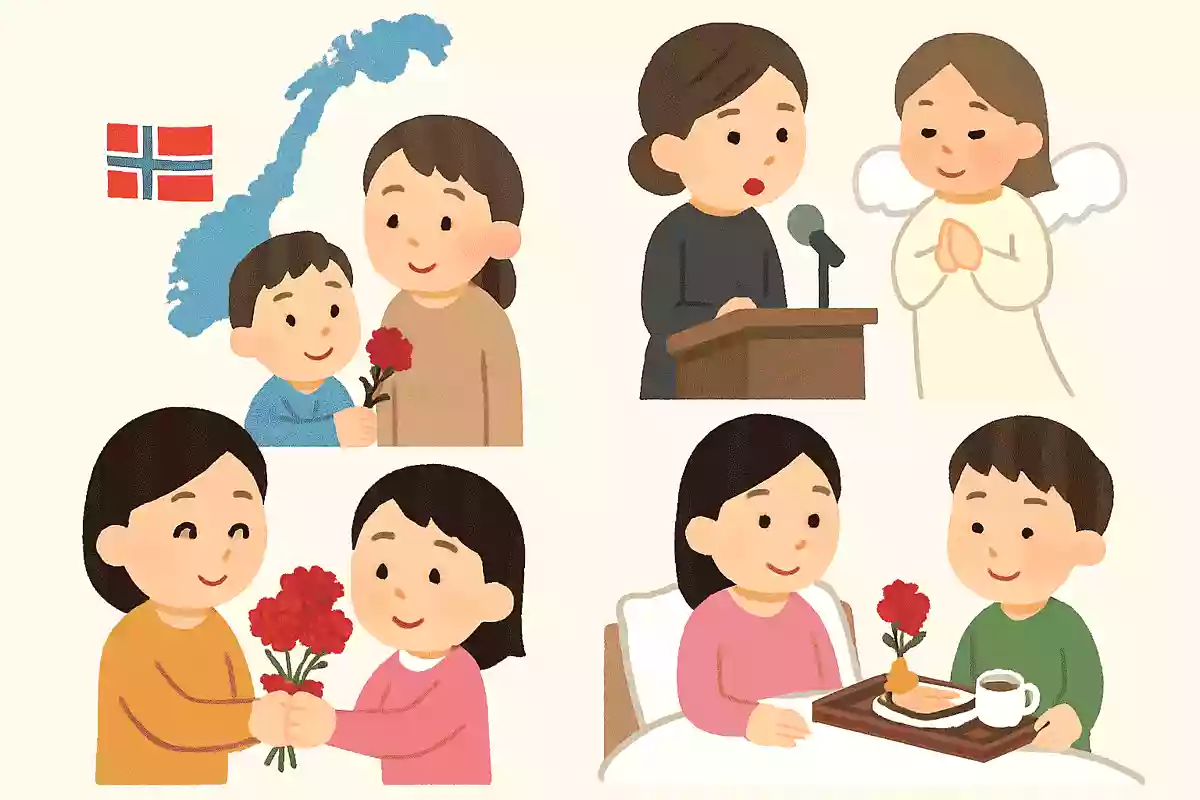
In Japan, Mother’s Day falls on the second Sunday of May, but in some countries it’s celebrated at different times.
Among those with different dates, why not take a look at Norway, where Mother’s Day arrives earlier than anywhere else in the world? Norwegian Mother’s Day is on the second Sunday of February, and unlike Japan—where carnations are customary—there isn’t a tradition of giving a specific flower.
The idea is to express gratitude with gifts each person chooses themselves, which really conveys the sincerity and strength of their feelings.
The country where Mother’s Day originated is the United States.
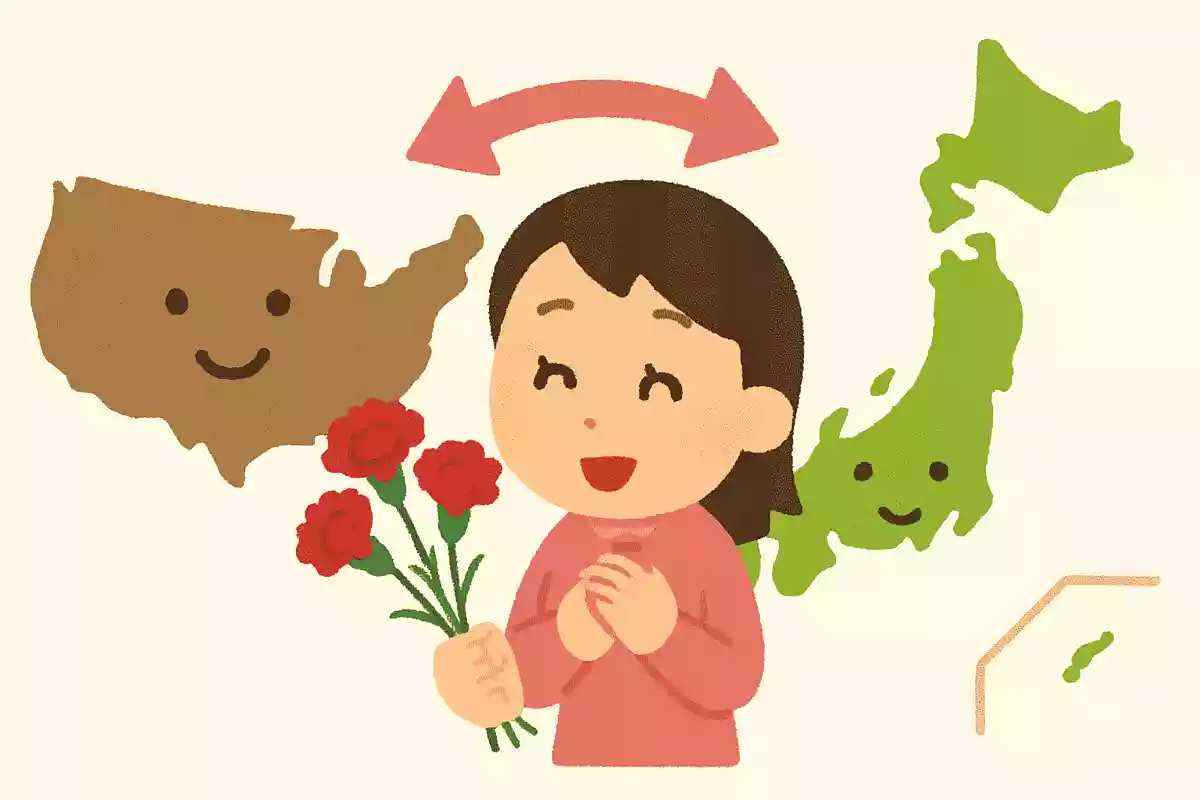
Mother’s Day, which has taken root in Japan and spread around the world, feels like a global event, even if the timing and customs differ by country.
It’s said that this widely cherished day originated in the United States and then spread abroad.
In 1907, Anna Jarvis held a memorial service for her late mother and handed out white carnations—her mother’s favorite during her lifetime—to attendees; this event is considered the beginning of Mother’s Day.
Following this, President Woodrow Wilson designated the second Sunday of May as Mother’s Day and made it a national holiday, from which it gradually spread worldwide.
The origin of Mother’s Day in the United States is a memorial service for a woman held in 1908.
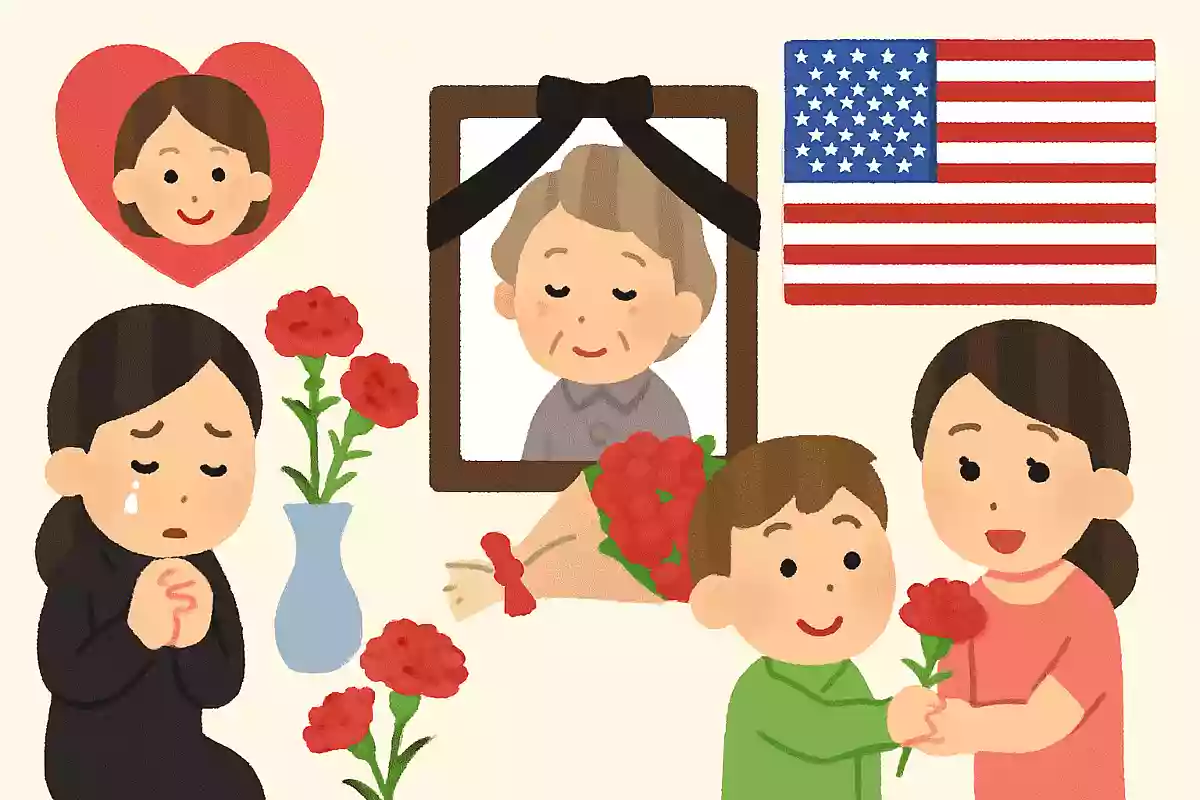
Do you know the origins of Mother’s Day in the United States? Mother’s Day usually has a happy image, but it was different at first.
On May 10, 1907, Anna Jarvis offered carnations at a memorial service for her mother, Ann Jarvis, who had been engaged in political activism.
From there, it gradually came to be recognized as a day to express gratitude to mothers.
That’s why we give carnations on Mother’s Day.
By the way, it seems that it started to be called “Mother’s Day” around 1950.