

Actually scary nursery rhymes. Children's songs that give you the chills once you understand their meaning


Did you know that when you revisit the lyrics of nursery rhymes and children’s songs you casually hummed as a child, you may uncover chilling interpretations that send a shiver down your spine? Urban legends lurking beneath familiar melodies and unsettling messages that emerge from their historical context can completely change how these songs sound once you learn about them.
In this article, we explore nursery rhymes and children’s songs said to have frightening meanings, unraveling the mysteries embedded in their lyrics.
- A spine-chilling scary song: masterful tracks that evoke fear and eerie recommended songs
- A spine-chilling, terrifying song. Japanese music that evokes madness and horror.
- Children’s songs and nursery rhymes about the moon
- Recommendation of Scary Music: That Song That’s Actually Frightening
- [Dark Side] Songs with scary lyrics. Tracks that make you shiver with chilling phrases.
- [Surprising!] A children’s song that originated overseas. That familiar nursery rhyme is actually…
- [Hinamatsuri Songs] A roundup of classic Girls’ Day tunes and unexpected Hinamatsuri tracks
- Snake Song: Children's song, nursery rhyme, and hand-play song
- Japanese counting songs: nostalgic temari (handball) songs and children’s folk songs
- Children’s songs of the world: songs passed down and sung by children overseas
- Songs to Sing on Rainy Days! Introducing Beloved Children’s Songs About Rain That Transcend Generations
- Didn't want to know?! Fascinating and scary trivia & fun facts
- Anpanman Songs: List of Theme Songs, Insert Songs, and Character Songs
Actually scary children's songs. Kids' songs that send chills down your spine once you understand the meaning (41–50)
red dragonflySakushi: Miki Rofū / Sakkyoku: Yamada Kōsaku

A nostalgic children’s song that uses the yo scale and is also featured as an insert song in the films “Here Is a Fountain” and “The Red Dragonfly of Sunset.” The lyrics, written by essayist Rofū Miki, are based on his childhood memories, depicting the scene of the maid who raised him after his parents’ divorce leaving to get married.
Urban legends say the maid wasn’t married off but sold through human trafficking, or that the “red dragonfly” refers to the Zero fighter plane—interpretations that evoke the era’s backdrop—but even the true story alone is poignant enough.
Selected as one of the 100 Best Japanese Songs, it is a lyrical children’s song that every Japanese person knows.

Actually scary nursery rhymes. Children’s songs that give you the chills once you understand their meaning (51–60)
The Hare and the Tortoisesakushi: ishihara wasaburou/sakkyoku: nojyo benjirou

Usagi to Kame (The Hare and the Tortoise) forms a well-constructed story from beginning to end.
With lyrics by Wasaburō Ishihara and music by Benjirō Nōjo, this song is a well-known moral tale.
But if you listen closely to the words, you’ll notice slightly darker sides to the characters: the hare suddenly looks down on the tortoise, and the victorious tortoise delivers a sly jab at the end.
What makes this song interesting is not just the simple lesson, but also imagining the true meanings behind the words.
If you expand your imagination while discussing the story’s background—asking, “Why did they say that?”—you might discover a new way to enjoy it.
How many are the moons?warabeuta
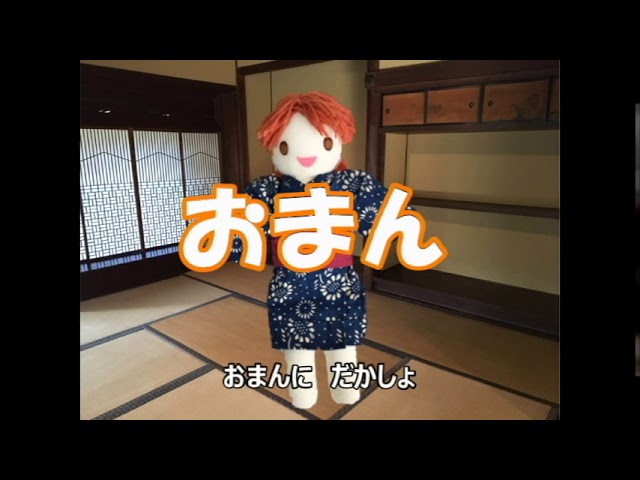
It opens with a gentle question to the moon, a seemingly cute nursery rhyme.
But if you listen to the story to the end, its cruel conclusion sends a chill down your spine.
What first seems like a tale of a woman’s errand gone wrong ultimately takes a terrifying turn, in which the dog that licked the oil is made into a drumhead.
The gap between the song’s innocent tone and its lyrics may be what creates its eeriness.
Now that you know the background, listen to it again.
You’ll likely find yourself wondering, “Why?” and “How could that happen…?” as all kinds of imaginings arise.
Dojoji

A handball-song based on the legend of Anchin and Kiyohime preserved at Dojoji Temple in Wakayama Prefecture.
Unlike the generally cheerful image of children’s handball songs, its heavy, eerie melody really lingers in your ears.
The song recounts how Kiyohime, betrayed by the monk Anchin, turned into a serpent and burned him to death together with the temple bell at Dojoji—a tale that perhaps teaches that, in any era, provoking a woman’s anger is frightening.
Though its themes are tragic love and obsessive passion, it is a Buddhist narrative song that has been passed down through generations by children, a cultural fact that itself evokes fear.
Caro’s eyeballwarabeuta

Once you hear it, you can’t forget it—Kyaro no Medama is a nursery rhyme with strikingly odd lyrics.
It sings of children’s mischievousness and curiosity and is sung in various regions as a warabe-uta, but its content—“cauterizing a frog’s eyeballs”—is shockingly cruel.
It goes far beyond mere mischief; when you think carefully about the meaning, you realize it’s an extremely frightening song.
Even so, its lively rhythm makes it perfect for hand-play games and easy for children to enjoy.
While we can take it as a glimpse of the innocent side of children in the past, we should also use it as an opportunity to teach the children in front of us about the importance of life.
That Town, This TownNakayama Shimpei

It’s a slightly scary children’s song that you wouldn’t expect from the title.
Especially the opening lines of the second verse might send chills down the spine even of adults.
Still, as a song to admonish children who stay out playing late, there may be nothing more effective than this…!
In conclusion
Once you learn about the hidden scary meanings and urban legends behind nursery rhymes and children’s songs, the familiar melodies start to sound completely different. At the same time, we mustn’t forget that behind them lie the lives and hopes of people from different eras. By unraveling the stories beneath the cute, familiar songs of childhood, there’s a whole new way to enjoy these pieces. Please listen again with this in mind.