

Didn't want to know?! Fascinating and scary trivia & fun facts


Even though we think we don’t want to know scary stories, our curiosity tends to win and we end up watching or listening anyway, right? In this article, we’ve collected general-audience scary trivia and fun facts—the kind that gives you chills but you just can’t stop reading.
Some of it might make a few people regret seeing it a little, but there’s also plenty that’s good to know.
If you’re the type who wants to be informed—about the good and the bad—then follow your curiosity and check it out!
- Not taught in school! A roundup of historical trivia and fun facts
- Actually scary nursery rhymes. Children's songs that give you the chills once you understand their meaning
- Trivia and fun facts about food (summary)
- A quiz of fun trivia: bite-sized knowledge that leads to new insights.
- Useful right away in daily life! Surprising trivia and handy tips
- A compilation of unsettling trivia and fun facts about Earth
- Scary but I want to know! A psychology test that reveals your hidden personality and secret side
- [For Seniors] Introducing Scary Trivia Quizzes & Fun Facts!
- Trivia quiz with useful tips to know: fun facts that come in handy at school or at home [for kids]
- [Dog Biology] Things You Might Not Know? Dog Trivia
- A roundup of insect trivia: fun facts you'll want to share
- A psychological test that reveals your past life! It even diagnoses your likely occupation and how your life ended.
- Fun facts you’ll want to share! A special feature on November trivia and tidbits
Trivia and fun facts of surprise and fear (1–10)
You’re more likely to be caught up in a crime and lose your life than to win the lottery.
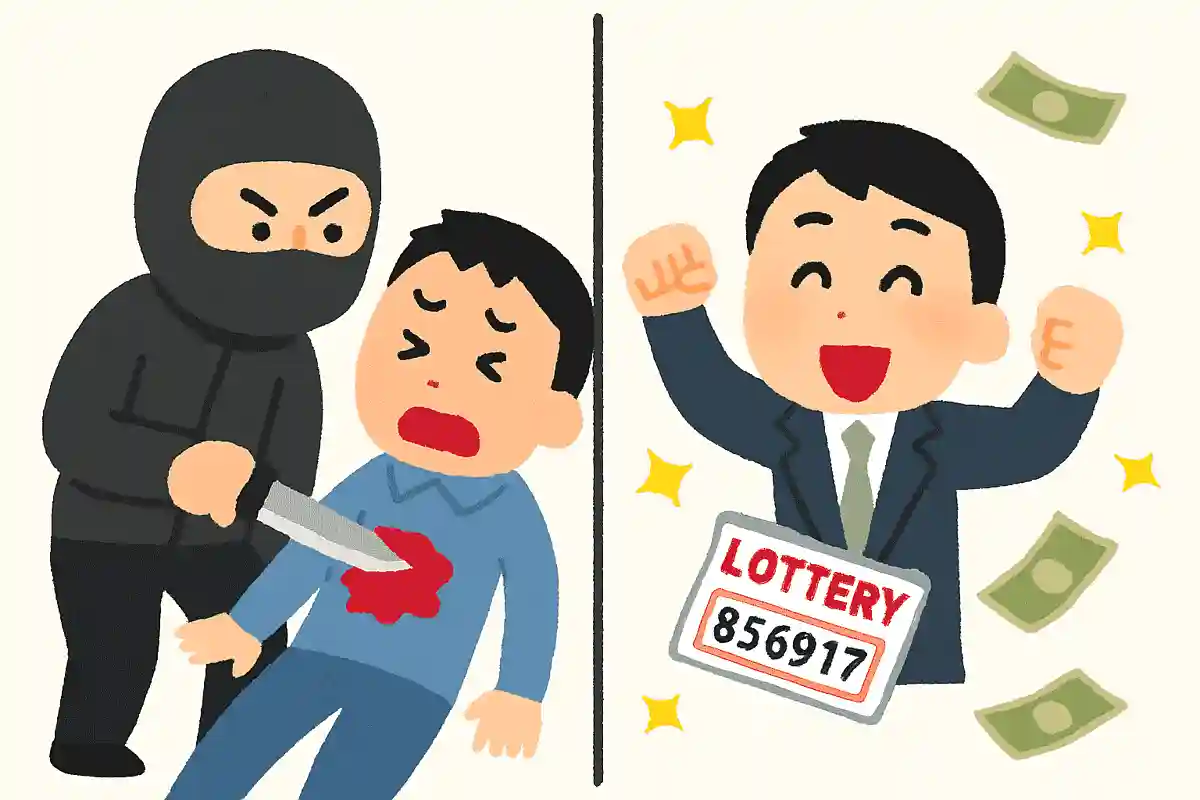
As we go about our daily lives, we sometimes encounter unexpected strokes of luck or misfortune.
Here is a comparison of probabilities you might rather not know about, related to such luck and misfortune.
As easy-to-understand examples, consider the odds of winning the lottery versus the odds of losing your life after becoming involved in a crime.
Comparing these two, the sad result is that the probability of dying due to involvement in a crime is higher.
Specifically, based on the number of first-prize lottery wins in 2017 and the number of homicide cases in 2016, the latter is said to be 60 times higher.
While it’s a depressing fact, it also makes the dream represented by the lottery feel all the more grand, doesn’t it?

If you force yourself to keep your eyes open while sneezing, your eyeballs can pop out.
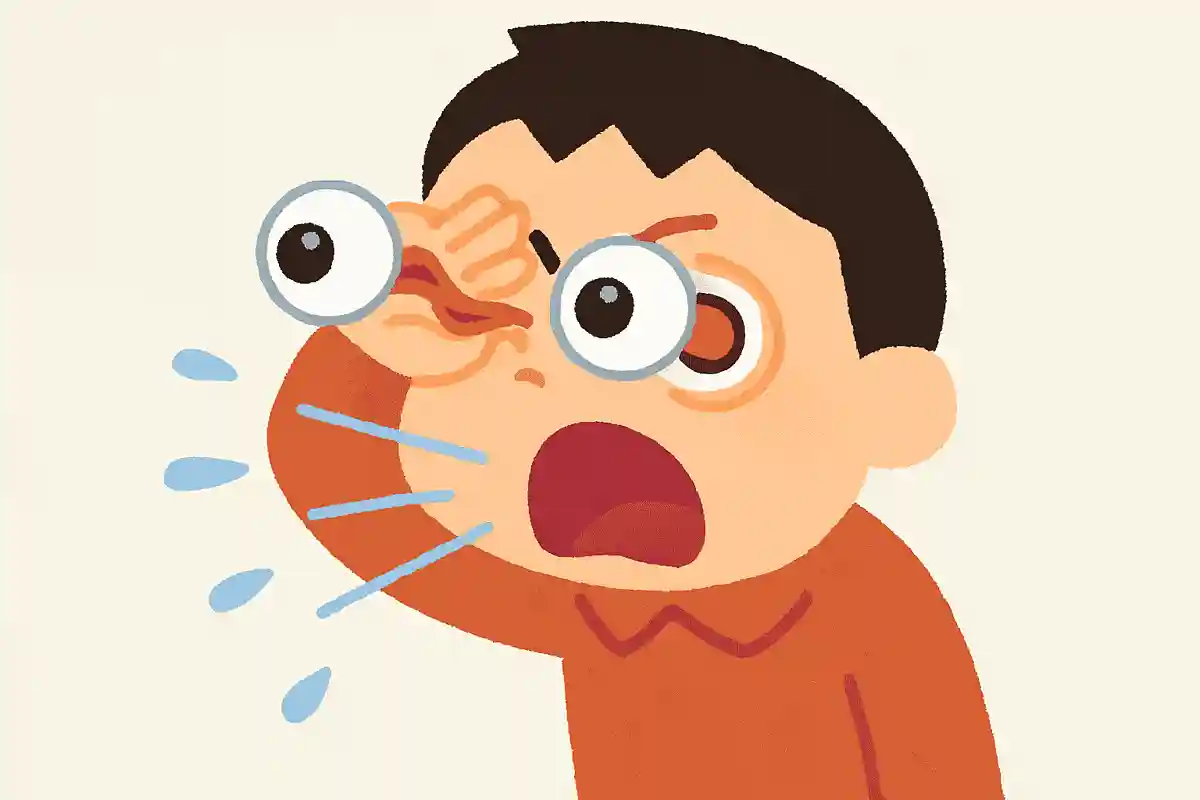
Have you ever heard the rumor that we close our eyes when we sneeze so our eyeballs don’t pop out? You could say that’s both true and false.
When you sneeze, pressure builds up in various parts of your face.
Because of that, there is a possibility that the eyeballs could be pushed outward.
However, that doesn’t mean your eyeballs will immediately pop out if you keep your eyes open.
According to one doctor, “While it’s theoretically possible, it’s almost never going to happen.”

Until around the late 1980s, there were instances where surgeries were performed on newborns without anesthesia.
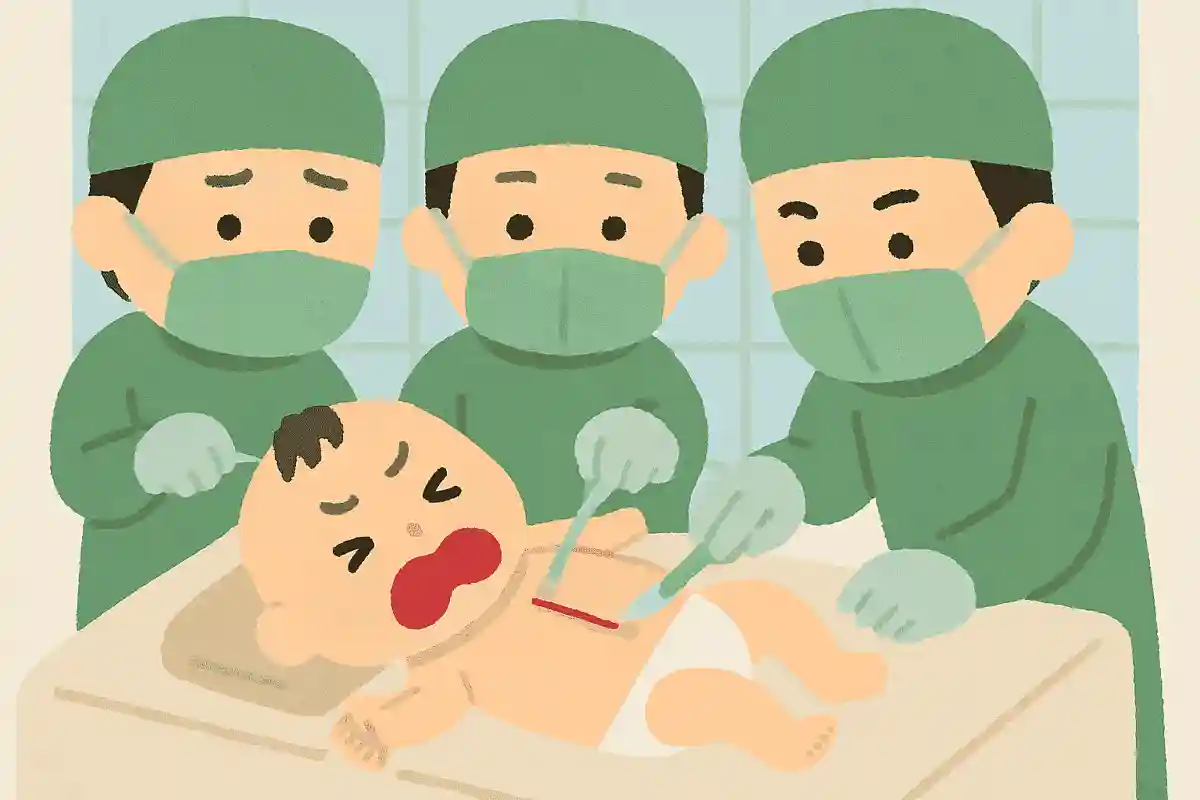
When you hear “the late 1980s,” do you think “that was ages ago” or “that’s fairly recent”? Because newborns couldn’t express their pain in words, there were cases up until the late 1980s where surgery was performed without anesthesia.
In 1988, Dr.
Anand and colleagues investigated and reported that newborns do feel pain, which led to the emergence of the concept of developmental care.
Today, guidelines for pain management in NICU-admitted newborns have been published, and research on pain continues to advance every day.
People often say a decade is a long time—how does this story make you feel?
Fun facts and trivia of surprise and fear (11–20)
There are birds that suck the blood of other creatures.
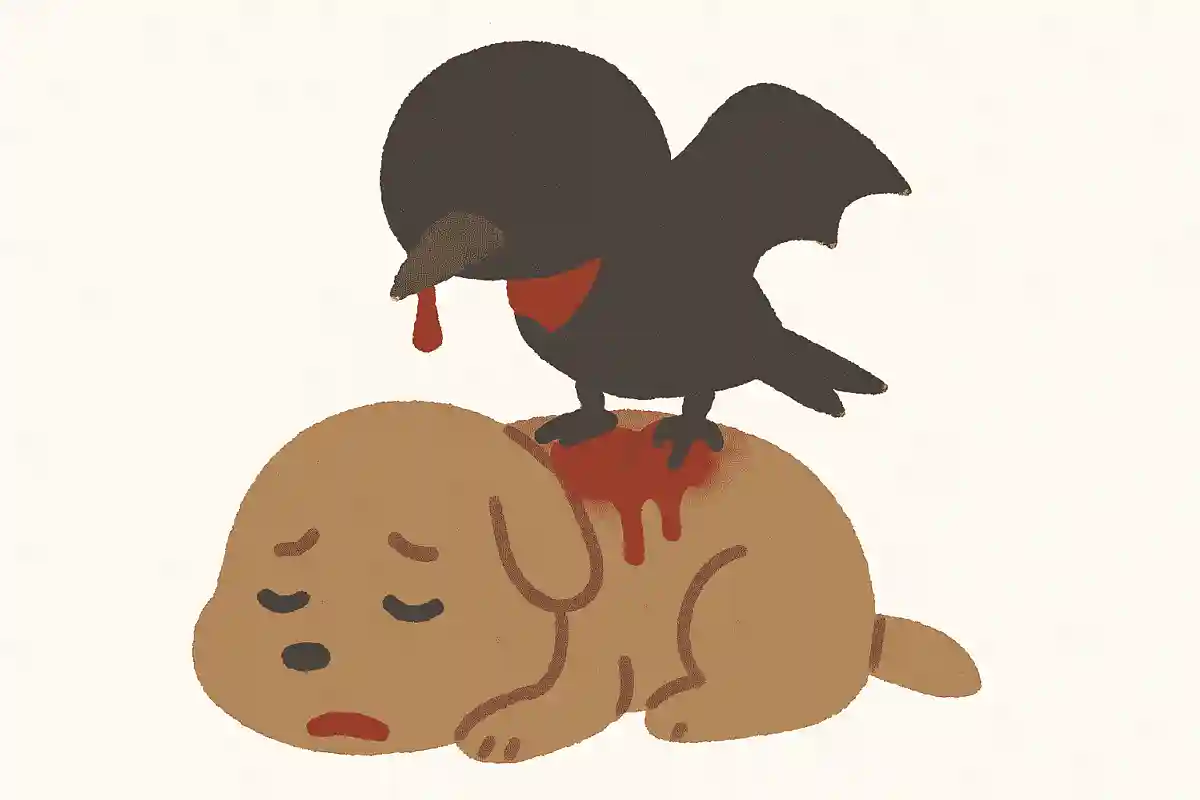
When we think of bloodsucking creatures, insects and bats usually come to mind, but there are also bird species that drink blood.
These birds are finches, and only those living in the Galápagos Islands have this habit.
Drinking blood may sound frightening, but this behavior developed as a key adaptation for survival in an environment with scarce food.
Gut bacteria that help process iron and sodium have also been found, highlighting a uniquely Galápagos form of evolution.
In 17th-century Turkey, drinking coffee was punishable by death.
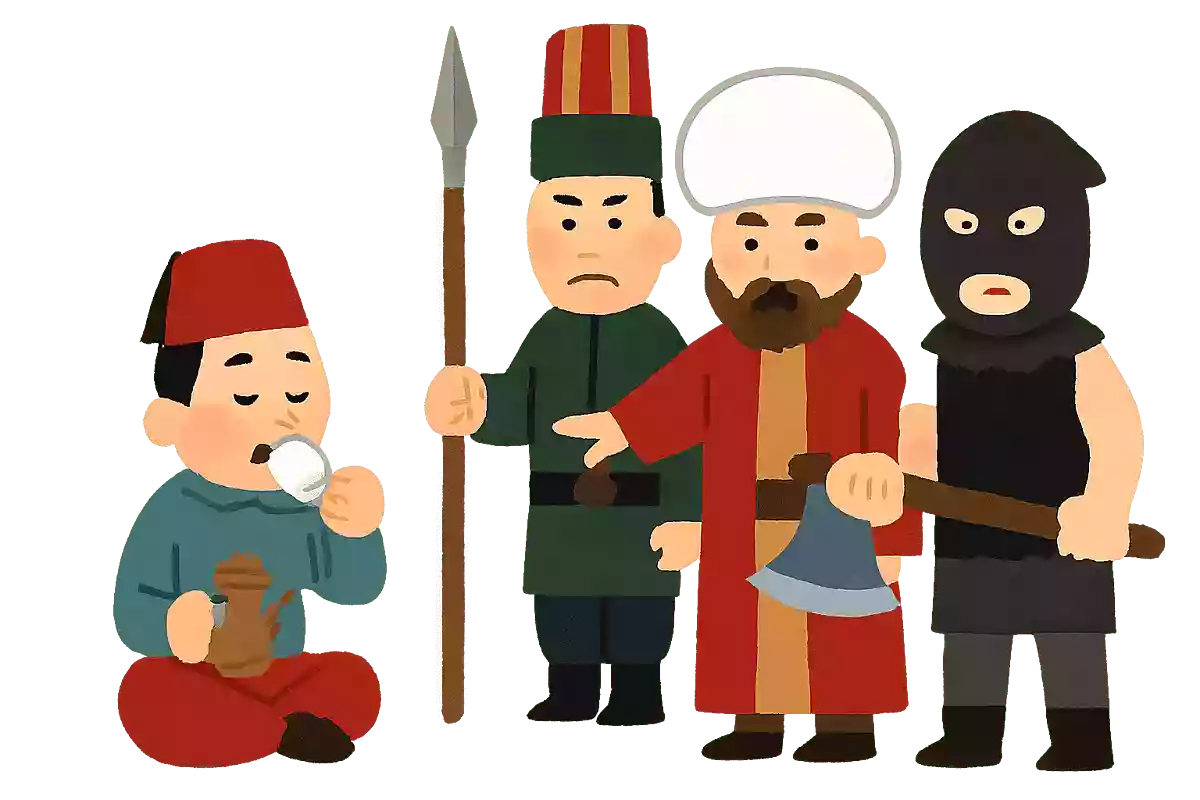
In 17th-century Turkey, drinking coffee in public was strictly prohibited, and violators could face severe punishments, including the death penalty.
Murad IV, the ruler when Turkey was still known as the Ottoman Empire, disliked coffee and reportedly set examples by destroying coffeehouses; he is said to have imposed extreme penalties such as forty lashes for drinking one cup and having offenders sewn into a sack and thrown into the sea for drinking two.
People continued to drink coffee in secret and even opened cafés, making enforcement extremely difficult, and over time the ban on coffee was gradually relaxed.
Today, Turkish coffee is inscribed on UNESCO’s Intangible Cultural Heritage list and is an important part of Turkey’s culture.

Chaplin was kidnapped after his death.
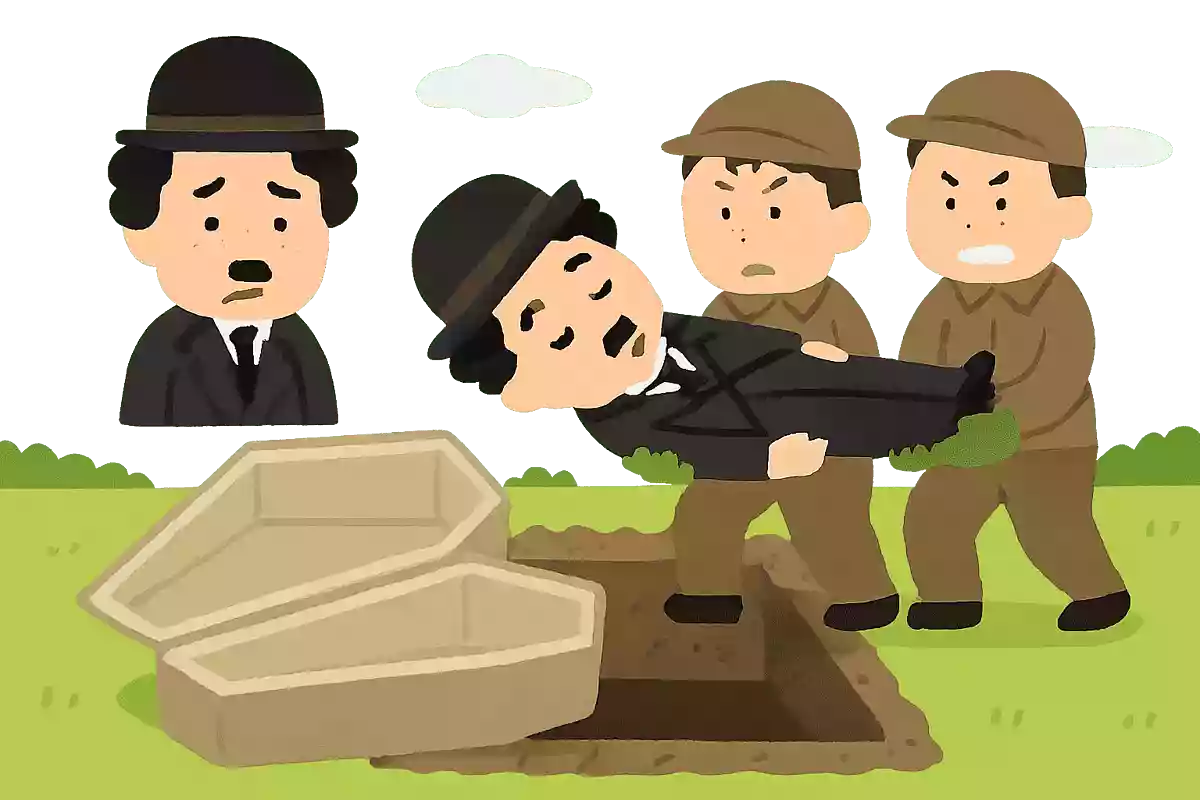
The king of comedy, Charles Chaplin, died in 1977 at the age of 88, but about two months later an incident occurred in which his body was stolen from its grave and he was kidnapped posthumously.
The perpetrators demanded a ransom of 100 million yen but were arrested.
Known as a perfectionist, Chaplin would keep the camera rolling until he was satisfied; for City Lights, released in 1931, he is said to have reshot a roughly three-minute scene 342 times.
He was also famous for his pro-Japanese sentiments, having hired a Japanese secretary and even visited Japan.
The blocks in the Super Mario series were originally residents of the Mushroom Kingdom.
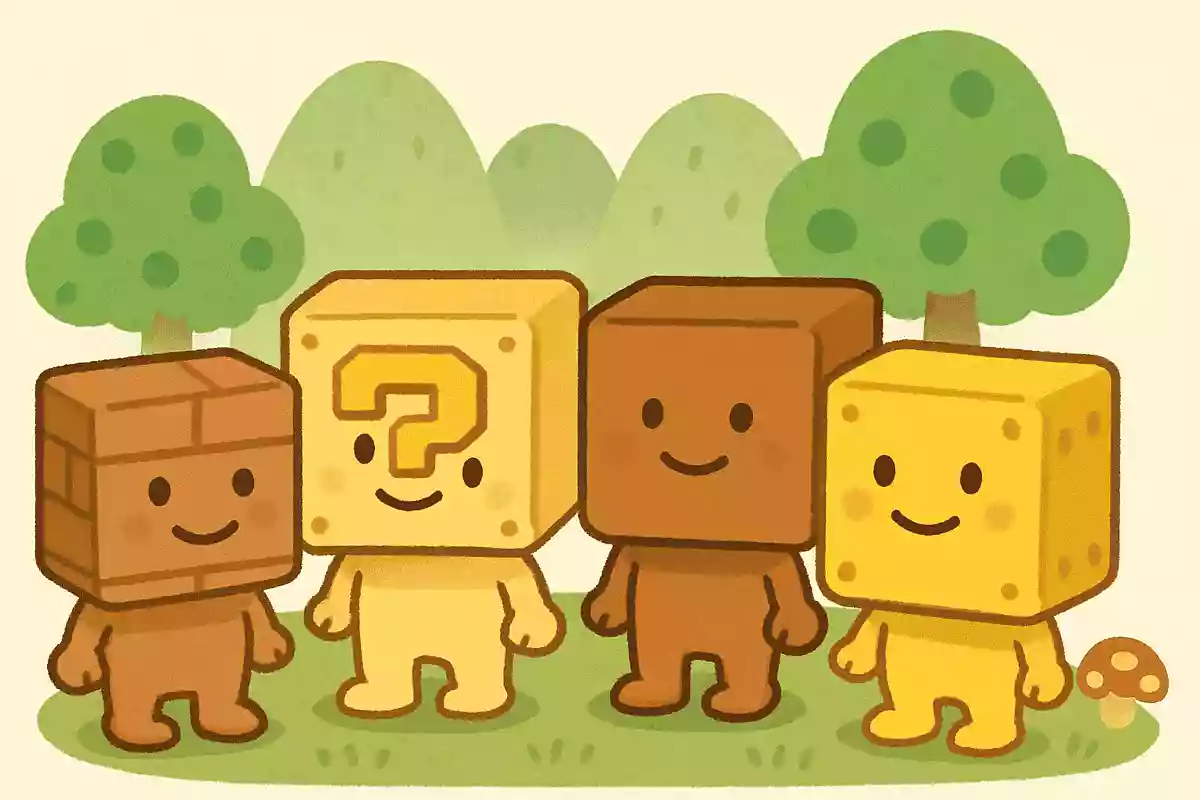
One of the most-played games in the world is Nintendo’s Super Mario Bros.
series.
I’m sure you’ve played it once or twice—no, probably dozens of times.
The Mushroom Kingdom featured in Mario even has its own Wikipedia entry, detailing everything from its economy and military to diplomacy.
There’s a wealth of intricate lore too, like Donkey Kong once being Mario’s pet, or that the Kingdom’s blocks are made from its inhabitants—or are they? And by the way, the now-familiar name “Mario” was originally “Jumpman.” If you’re curious, look it up!