

Didn't want to know?! Fascinating and scary trivia & fun facts


Even though we think we don’t want to know scary stories, our curiosity tends to win and we end up watching or listening anyway, right? In this article, we’ve collected general-audience scary trivia and fun facts—the kind that gives you chills but you just can’t stop reading.
Some of it might make a few people regret seeing it a little, but there’s also plenty that’s good to know.
If you’re the type who wants to be informed—about the good and the bad—then follow your curiosity and check it out!
- Not taught in school! A roundup of historical trivia and fun facts
- Actually scary nursery rhymes. Children's songs that give you the chills once you understand their meaning
- Trivia and fun facts about food (summary)
- A quiz of fun trivia: bite-sized knowledge that leads to new insights.
- Useful right away in daily life! Surprising trivia and handy tips
- A compilation of unsettling trivia and fun facts about Earth
- Scary but I want to know! A psychology test that reveals your hidden personality and secret side
- [For Seniors] Introducing Scary Trivia Quizzes & Fun Facts!
- Trivia quiz with useful tips to know: fun facts that come in handy at school or at home [for kids]
- [Dog Biology] Things You Might Not Know? Dog Trivia
- A roundup of insect trivia: fun facts you'll want to share
- A psychological test that reveals your past life! It even diagnoses your likely occupation and how your life ended.
- Fun facts you’ll want to share! A special feature on November trivia and tidbits
Chilling Trivia and Astonishing Truths That Will Give You the Creeps (1–10)
Shoplifting has increased due to the spread of reusable shopping bags.
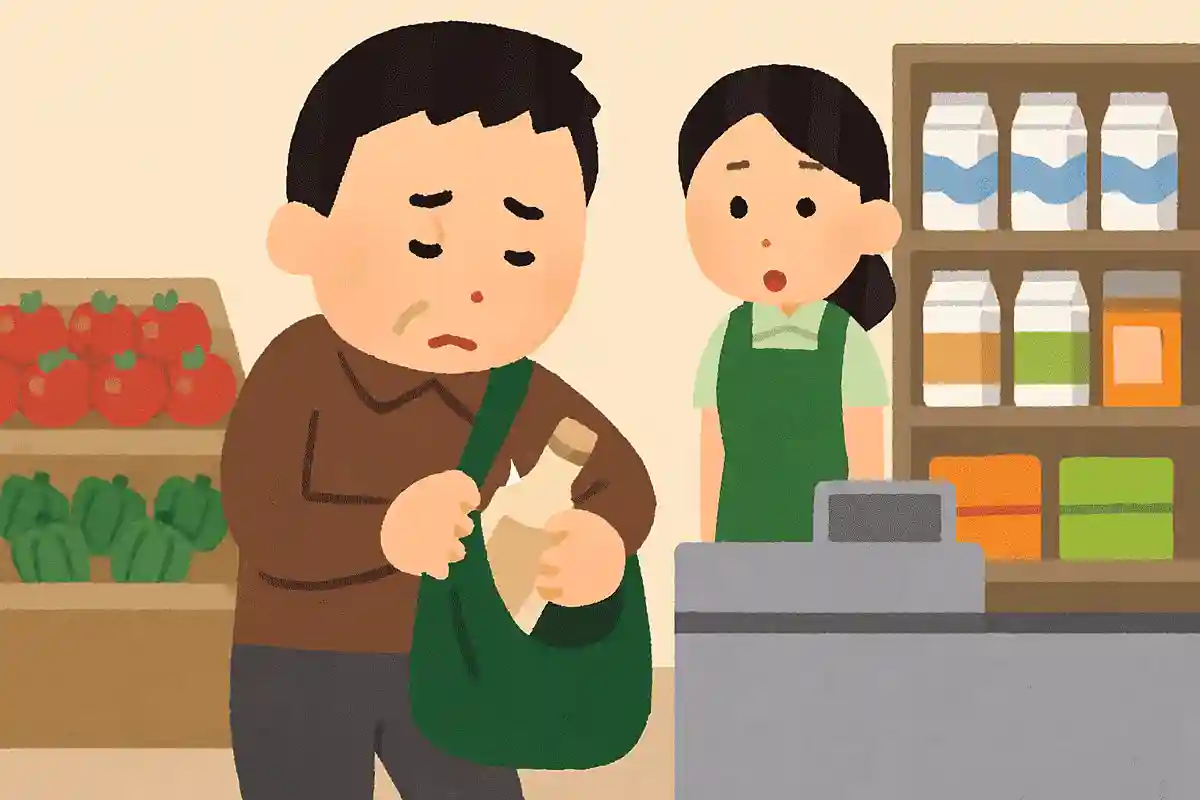
With the introduction of fees for plastic bags and the rise in eco-consciousness, reusable bags have become much more widespread.
These days, everything from cute eco-bags to very stylish shopping totes is on the market, and carrying your own bag is no longer anything special.
However, it’s not all good news: along with the spread of reusable bags, shoplifting incidents are said to have increased by around 30%.
Stores are taking measures such as installing security cameras and deploying loss prevention officers, but it seems impossible to completely stop shoplifting…
Balancing shoplifting prevention with eco-friendliness still looks difficult, doesn’t it?
The mechanism of general anesthesia has not been elucidated.

General anesthesia is an indispensable technique in modern medicine, used for major surgeries and more.
There are even records that Hanaoka Seishū used it in 1804 and successfully performed surgery.
However, the detailed mechanism of general anesthesia is actually still not fully understood today.
Some aspects have been clarified—for example, like local anesthesia, it acts on nerves and blocks reflexes to surgical stimuli and pain—but the overall mechanism remains unclear.
It can feel unsettling to rely on something we don’t completely understand, yet this very uncertainty also inspires hope that, once unraveled, it could open new avenues in the future of medicine.
A fascinating bit of trivia, isn’t it?

Chilling Trivia and Astonishing Truths (11–20)
If you consume too much caffeine, you become more prone to anemia.
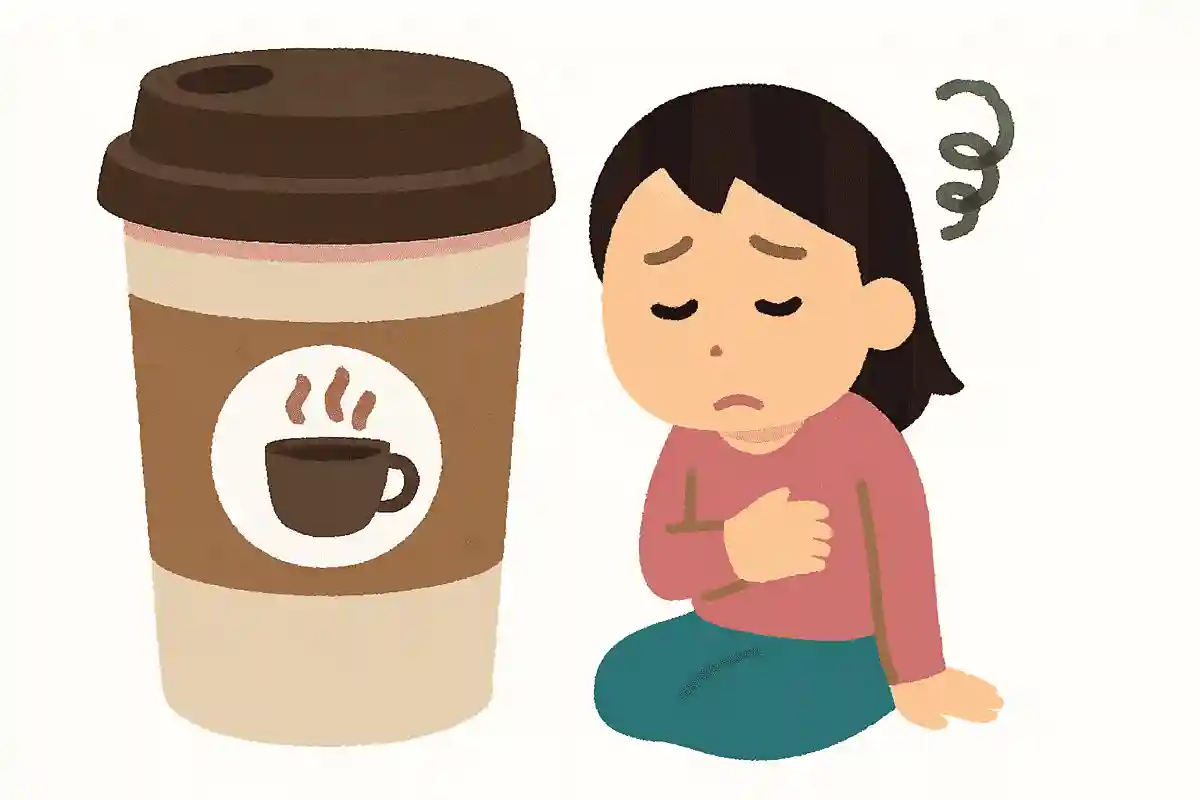
You often hear that pregnant women should avoid foods and drinks containing caffeine because it’s not good for the mother’s body.
And some people drink caffeinated energy drinks when they want a boost.
But too much caffeine can reportedly lead to anemia.
It seems caffeine can inhibit the absorption of minerals like iron and zinc.
Energy drink fans should take note.
For reference, coffee contains about 60 mg of caffeine per 100 ml, and gyokuro green tea contains about 160 mg per 100 ml.
Matsutake mushrooms can also be poisonous.
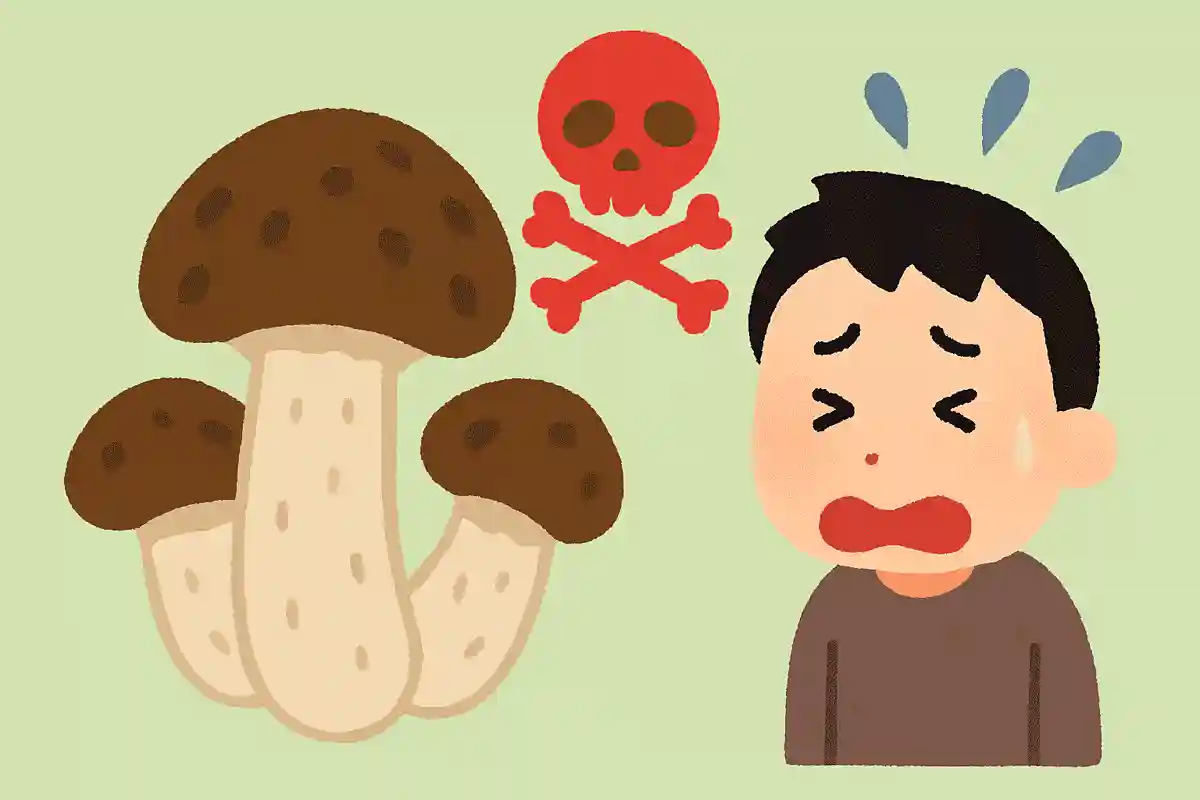
In the autumn excursion season, it feels like we hear sad stories every year, such as “We ate mushrooms we picked while foraging and they turned out to be poisonous.” If it’s an obvious poisonous mushroom—say, pink with yellow spots—that’s one thing, but for a brown mushroom that looks like an ordinary shiitake, it’s hard for non-experts to tell.
By the way, did you know that even the beloved matsutake contains toxins? In fact, all mushrooms have some degree of toxicity.
In matsutake, for example, the amino acid histidine can spoil and turn into substances like histamine and phenethylamine, which in some cases can cause poisoning.
The watchwords to avoid food poisoning are: eat them fresh, and cook them thoroughly.
If you’re not sure about a mushroom, have an expert check it.
If we consider a lifespan of 80 years, subjectively, half of life is already over by age 19.
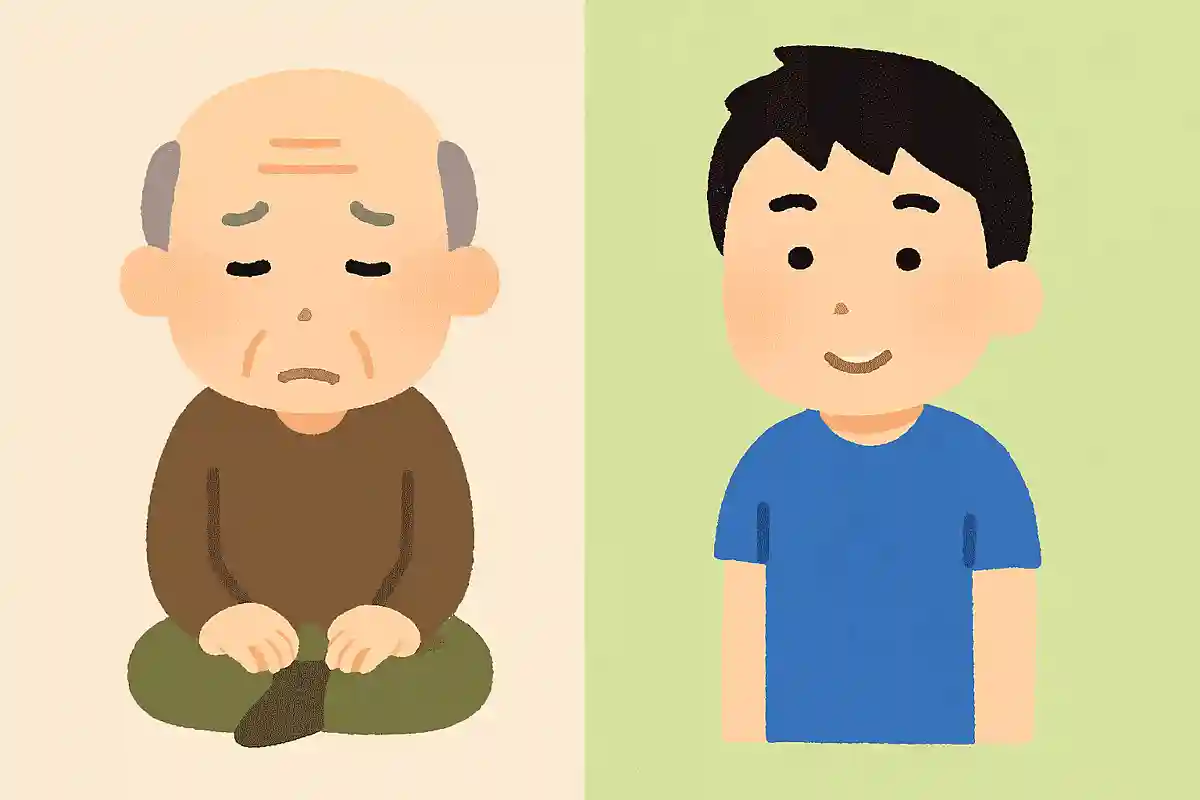
As we get older, I think everyone feels that time seems to pass more quickly.
Here’s a bit of trivia about that sensation of time flying by—one that also evokes the transience of life.
This change in perception is often explained by a theory called the “Janet’s law” (the law of proportionality of time), which says that for a five-year-old, one year is one-fifth of their life, while for a fifty-year-old, one year is one-fiftieth of their life.
Applying this theory, if we assume a lifespan of 80 years, it leads to the conclusion that by age 19, half of one’s life has already passed.
Because we can viscerally feel this change in our sense of time—and it somehow makes intuitive sense—it’s the kind of trivia you’ll wish you had come across sooner.
Snoopy doesn’t even remember the name of his owner, Charlie Brown.
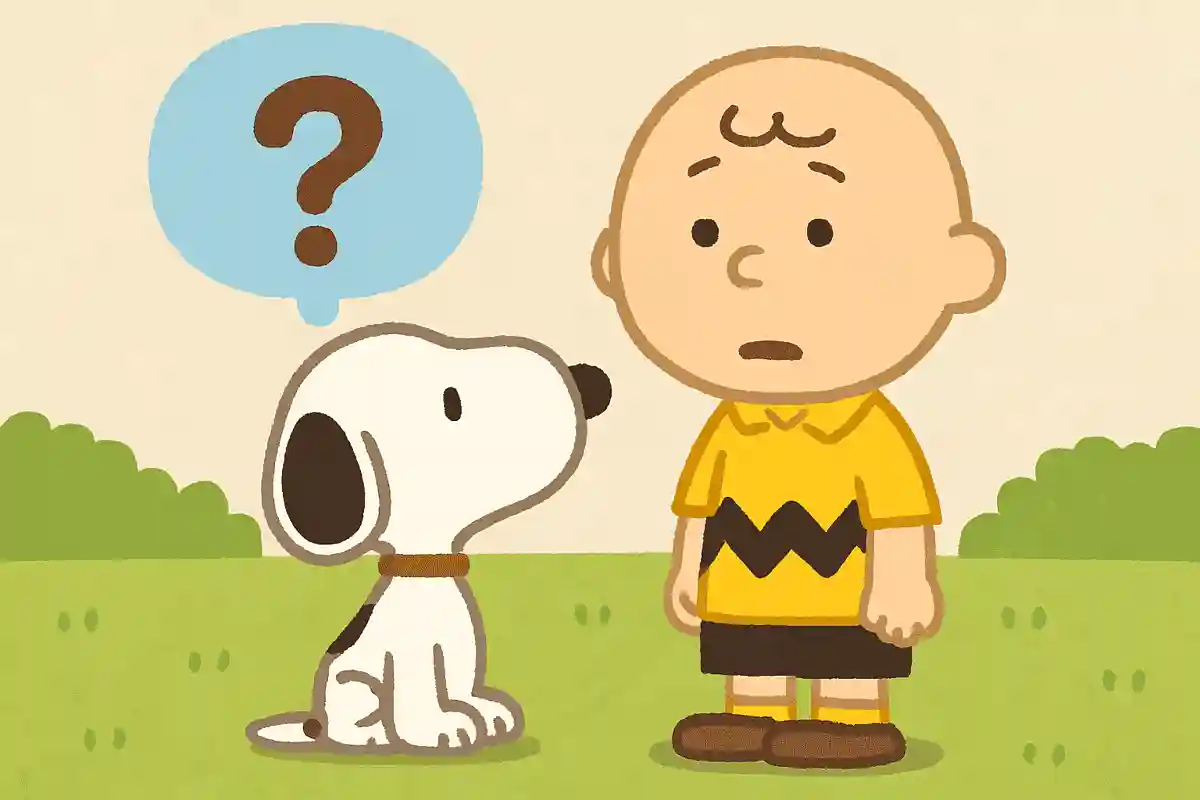
Snoopy and Charlie Brown from the comic strip Peanuts.
They’re bound by a deep bond, but in fact, Snoopy doesn’t remember Charlie’s name.
That’s why he calls him “the round-headed kid.” However, there are scenes that suggest he actually does remember.
One example is the strip published on October 16, 1968: when Franklin asks him, “Where’s Charlie?”, Snoopy tells him where he is.
Maybe he’s just pretending not to know.

The mold on bread extends invisible mycelium throughout the entire loaf.
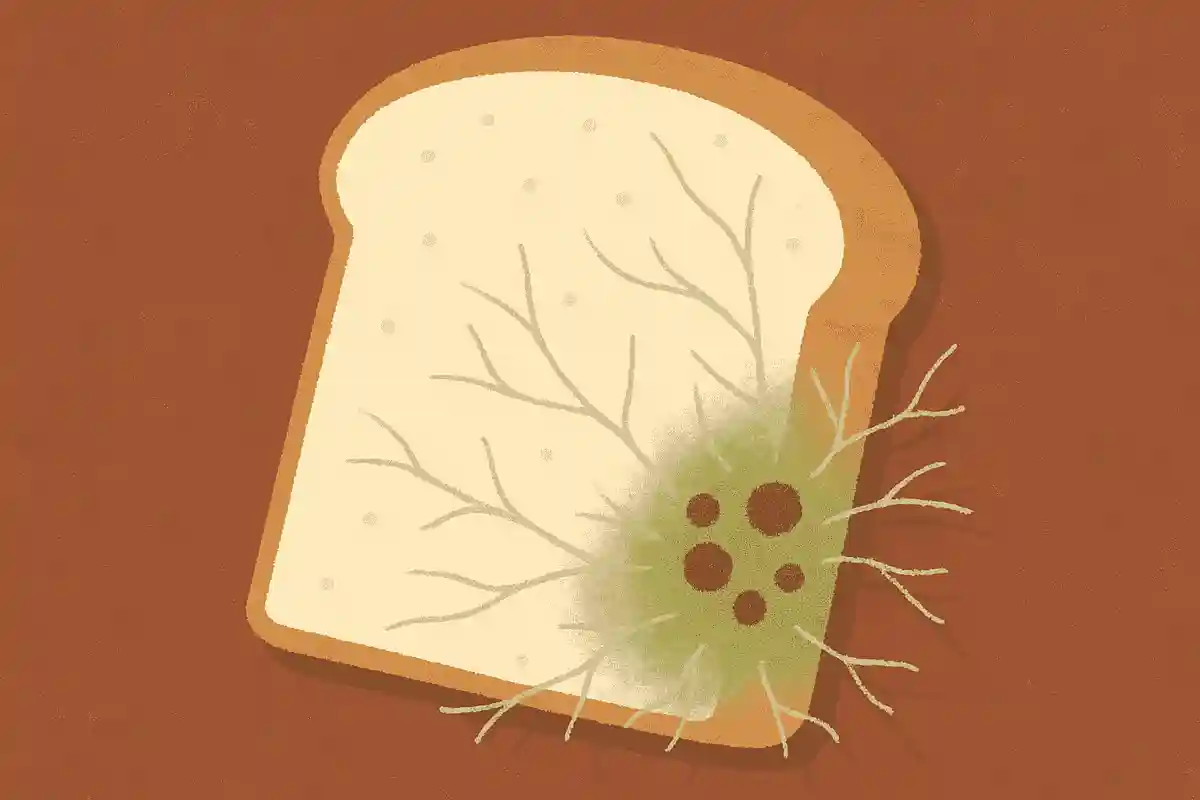
During damp, muggy seasons or when bread bought from a store is left at room temperature for a while, you may find mold growing on it.
Some households may have dealt with this in the past by cutting off the moldy parts and eating the rest.
In reality, mold spreads by sending out thread-like filaments that aren’t visible to the naked eye.
What you can see as mold is actually a mass of these fine threads.
By the time mold is visible, it has already spread throughout the surrounding area.
It’s best to avoid removing the mold and eating the rest.
