

Didn't want to know?! Fascinating and scary trivia & fun facts


Even though we think we don’t want to know scary stories, our curiosity tends to win and we end up watching or listening anyway, right? In this article, we’ve collected general-audience scary trivia and fun facts—the kind that gives you chills but you just can’t stop reading.
Some of it might make a few people regret seeing it a little, but there’s also plenty that’s good to know.
If you’re the type who wants to be informed—about the good and the bad—then follow your curiosity and check it out!
- Not taught in school! A roundup of historical trivia and fun facts
- Actually scary nursery rhymes. Children's songs that give you the chills once you understand their meaning
- Trivia and fun facts about food (summary)
- A quiz of fun trivia: bite-sized knowledge that leads to new insights.
- Useful right away in daily life! Surprising trivia and handy tips
- A compilation of unsettling trivia and fun facts about Earth
- Scary but I want to know! A psychology test that reveals your hidden personality and secret side
- [For Seniors] Introducing Scary Trivia Quizzes & Fun Facts!
- Trivia quiz with useful tips to know: fun facts that come in handy at school or at home [for kids]
- [Dog Biology] Things You Might Not Know? Dog Trivia
- A roundup of insect trivia: fun facts you'll want to share
- A psychological test that reveals your past life! It even diagnoses your likely occupation and how your life ended.
- Fun facts you’ll want to share! A special feature on November trivia and tidbits
Scary Trivia About Earth, Space, and Life (1–10)
In Tanzania, there is Lake Natron, which petrifies living creatures.
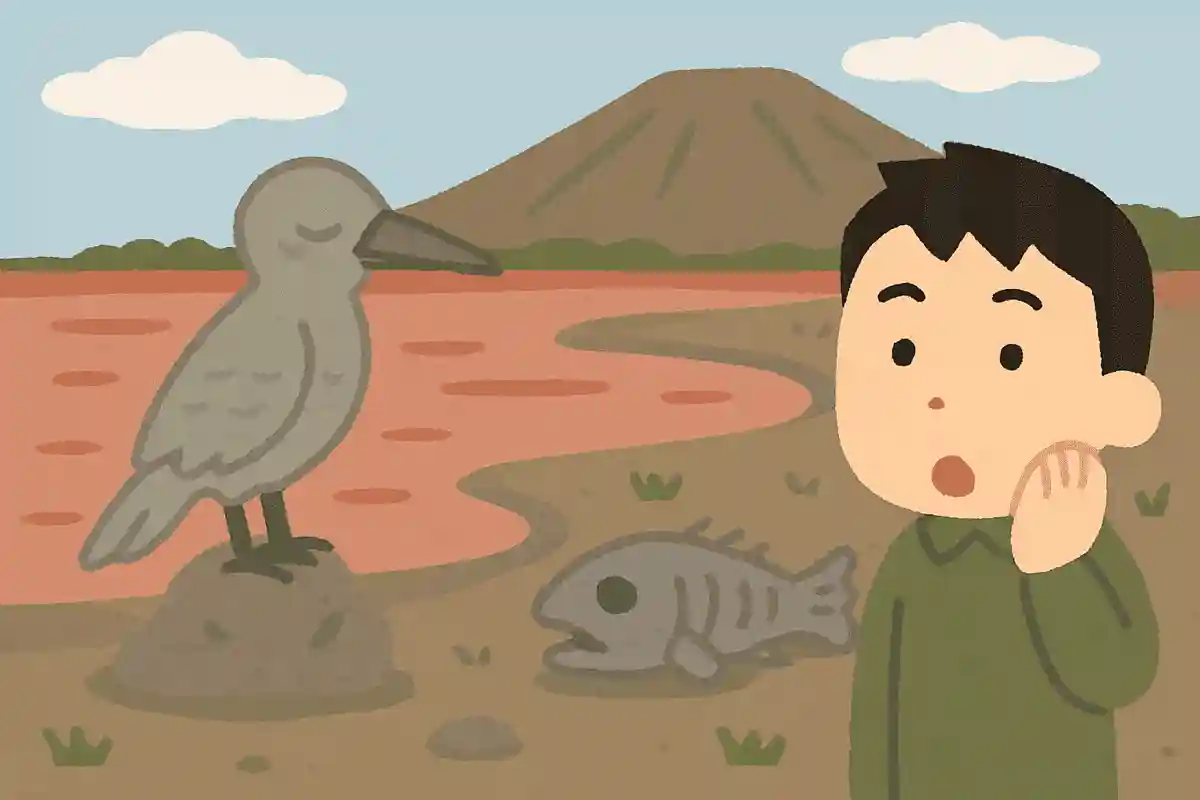
The phenomenon of living creatures turning into stone strongly evokes a fantasy image, like Medusa from Greek mythology.
In Tanzania, Africa, there is a lake that can turn animals to stone—something that even brings Medusa’s myth to mind.
The lake, called Lake Natron, is highly alkaline, and its composition causes creatures that enter it to harden as if they were stone.
The sight of animals washed up along the shore in a unique calcified state conveys not only a sense of dread but also a mysterious atmosphere.

Earth has experienced five mass extinctions.
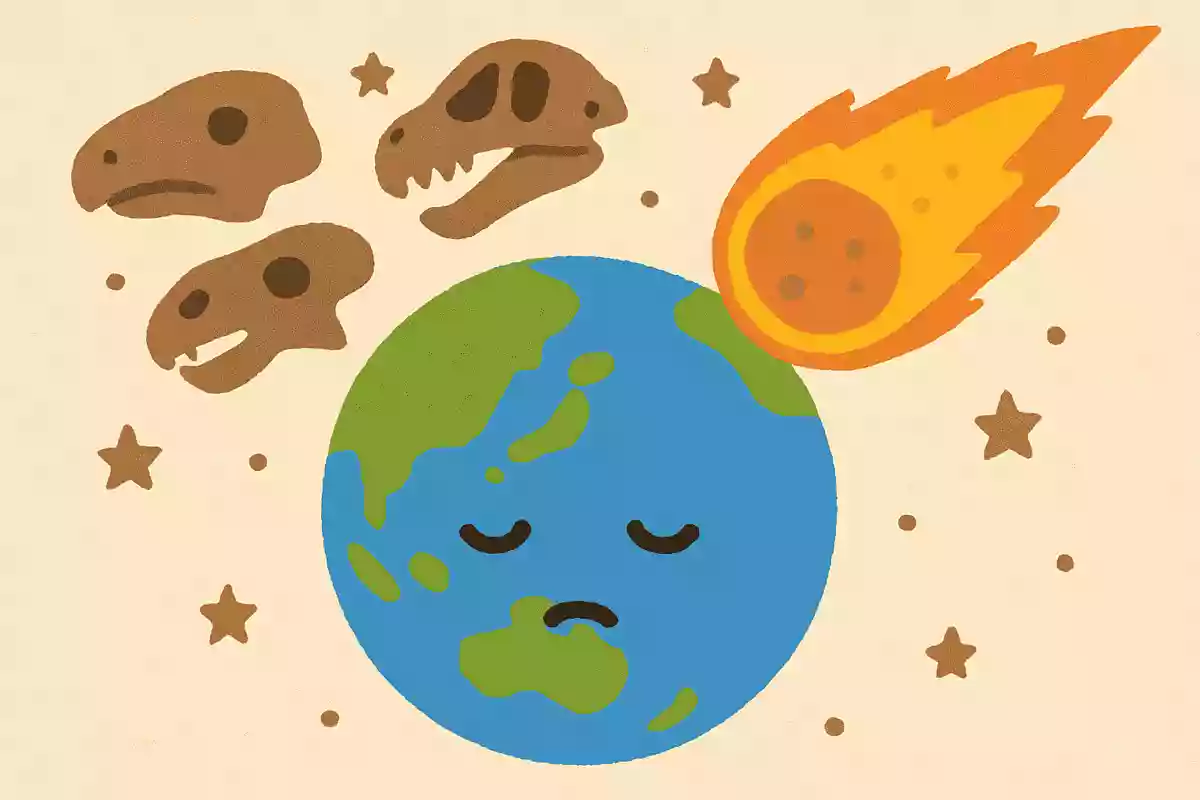
There have been times on Earth when many living things went extinct—dinosaurs, which are thought to have once lived here, survive only as fossils, for example.
And such extinctions didn’t happen only in the age of dinosaurs; there’s the frightening fact that five mass extinctions have been recorded.
These five mass extinctions, also called the Big Five, are thought to have been triggered by changes in the Earth’s environment, meteor impacts, volcanic eruptions, and the like.
Not knowing exactly what could cause such dramatic environmental shifts makes us uneasy about the possibility of a future mass extinction, doesn’t it?
There is a possibility that the Earth will return to an ‘ice age’.
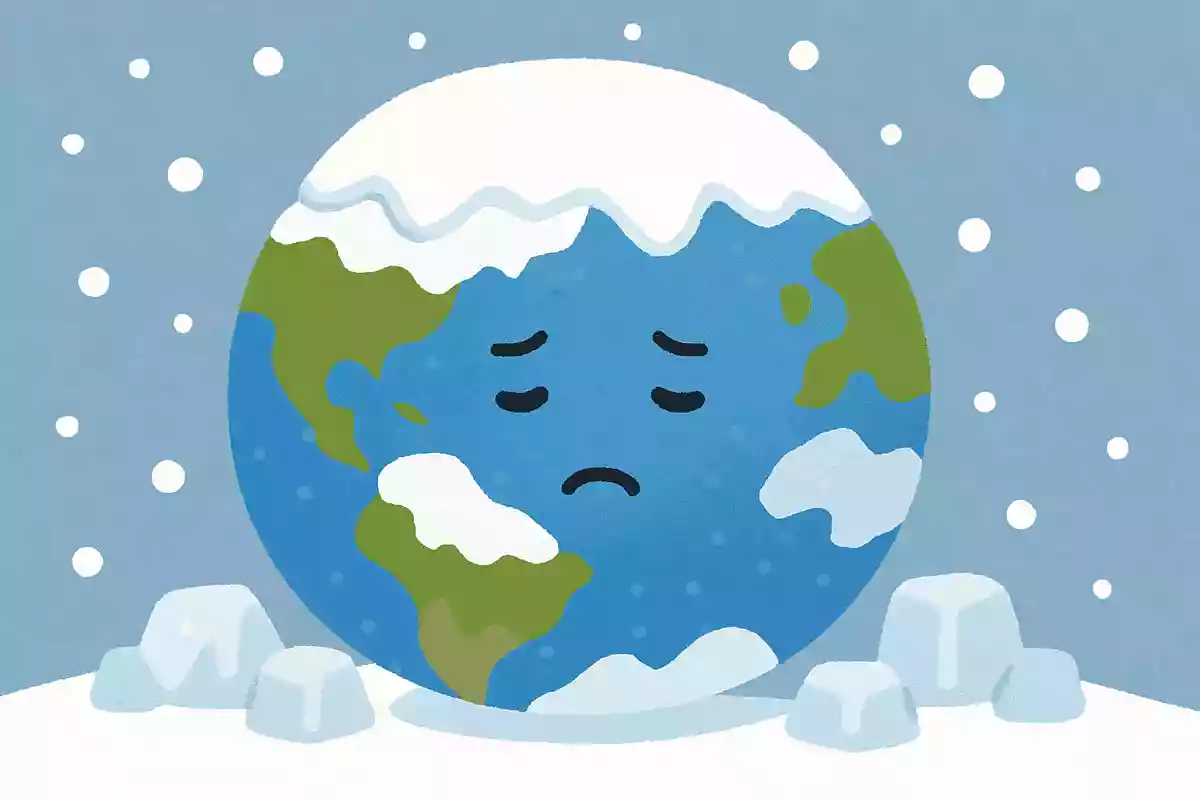
In Earth’s history, there have been periods covered in ice known as ice ages, and those times are thought to have been difficult for living creatures.
Did you know that such an ice age—evoking even a sense of despair—could possibly return? Earth cycles between ice ages and interglacial periods, and we are currently in an interglacial period.
Because it is difficult to predict the timing of this cycle, the possibility of returning to an ice age has been proposed.
Not only uncontrollable factors like the Sun and Earth’s orbit, but also familiar factors such as the environment and carbon dioxide influence the return of an ice age.
Concern about a future ice age might therefore serve as a prompt to reflect on environmental issues.
In five billion years, the Earth will be engulfed by the Sun.
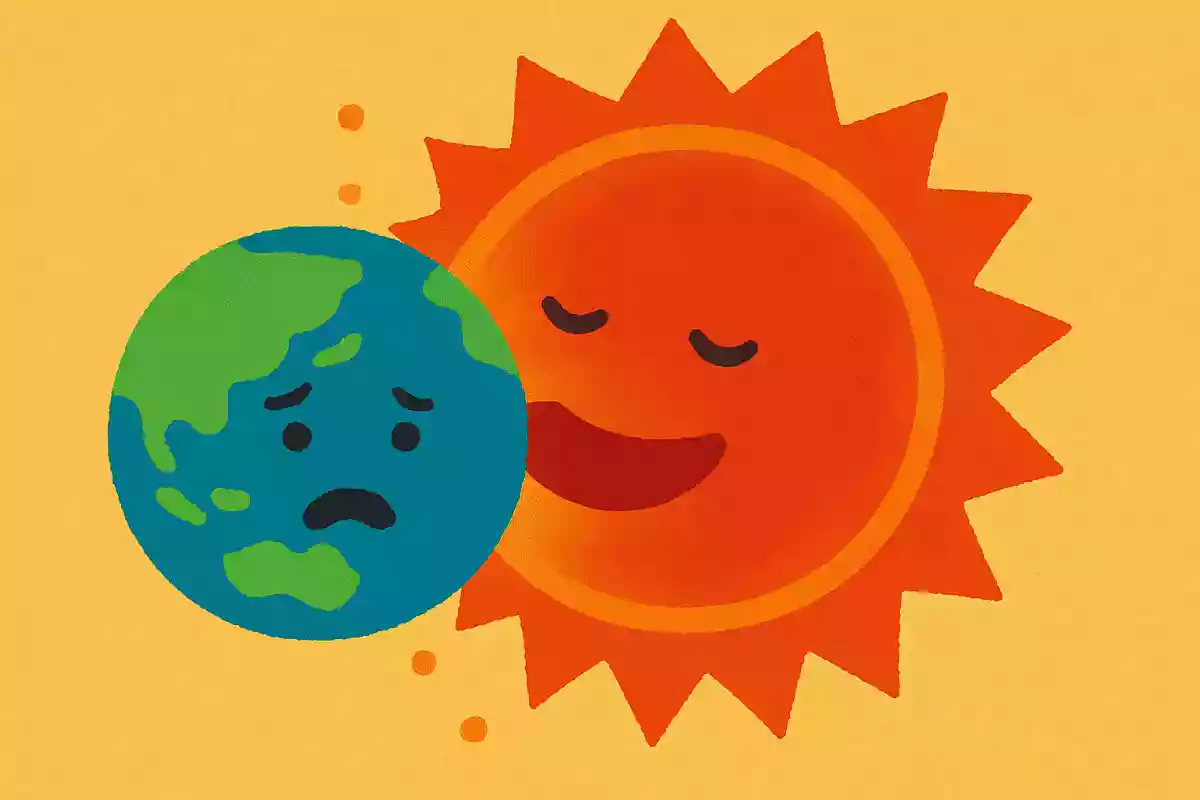
Earth has reached its current state over hundreds of millions of years, and its relationships with nearby celestial bodies have changed along the way.
Did you know, for example, that in five billion years Earth is predicted to be engulfed by the Sun? This expectation comes from the idea that the Sun’s lifespan is about ten billion years; as it nears the end of its life, it will expand, and in that process Earth would be swallowed.
The principle behind the Sun—burning through hydrogen fusion—and the fact that it has sustained this for so long are evident from this scenario.
While the prospect of extinction is frightening, five billion years is such a distant future that it’s tempting to hope humanity will have found a way to deal with it by then.
A person who is exposed to outer space will suffocate to death in about 90 seconds.
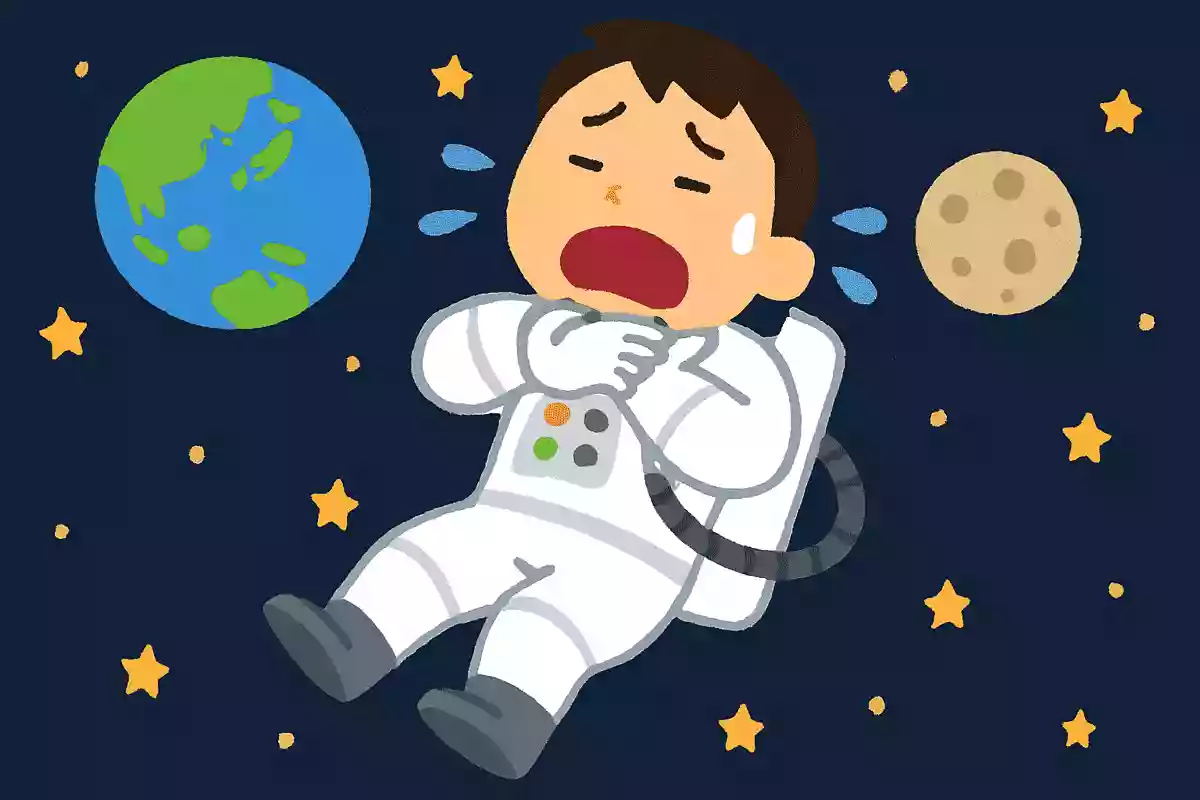
If a person were to be exposed to outer space without a spacesuit, they wouldn’t explode immediately.
They would lose consciousness within about 90 seconds and die from lack of oxygen.
Because the pressure is extremely low, the water in the body would begin to boil, leading to abnormalities in the blood and the dangerous swelling of the skin and organs.
Contrary to what is often depicted in movies, the body does not rupture instantly; the real space environment is quiet yet unfailingly lethal.
Even in such harsh conditions, the ongoing pursuit of space exploration can be attributed to humanity’s strong spirit of inquiry.

There are parasites that turn their hosts into zombies.
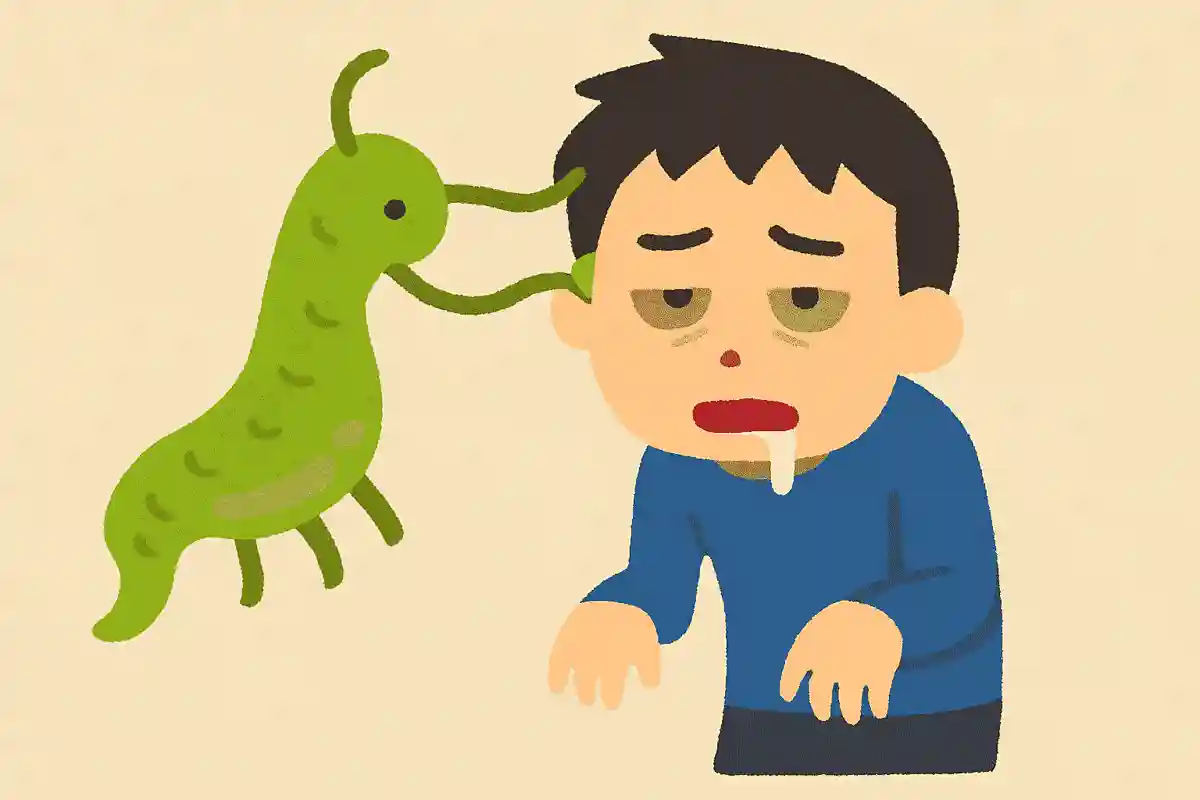
Zombies are staple monsters in fantasy and horror works—creatures we think of as existing only in fiction.
However, there are terrifying parasites in the real world that can alter their hosts much like zombies do.
They infect specific animals, invade their brains, and manipulate the host’s behavior to ensure the parasite’s own survival.
The grotesque way they force their hosts to perform actions they would never normally do makes them feel eerily zombie-like—a truly chilling phenomenon.
An object that falls into a black hole becomes thin like spaghetti.
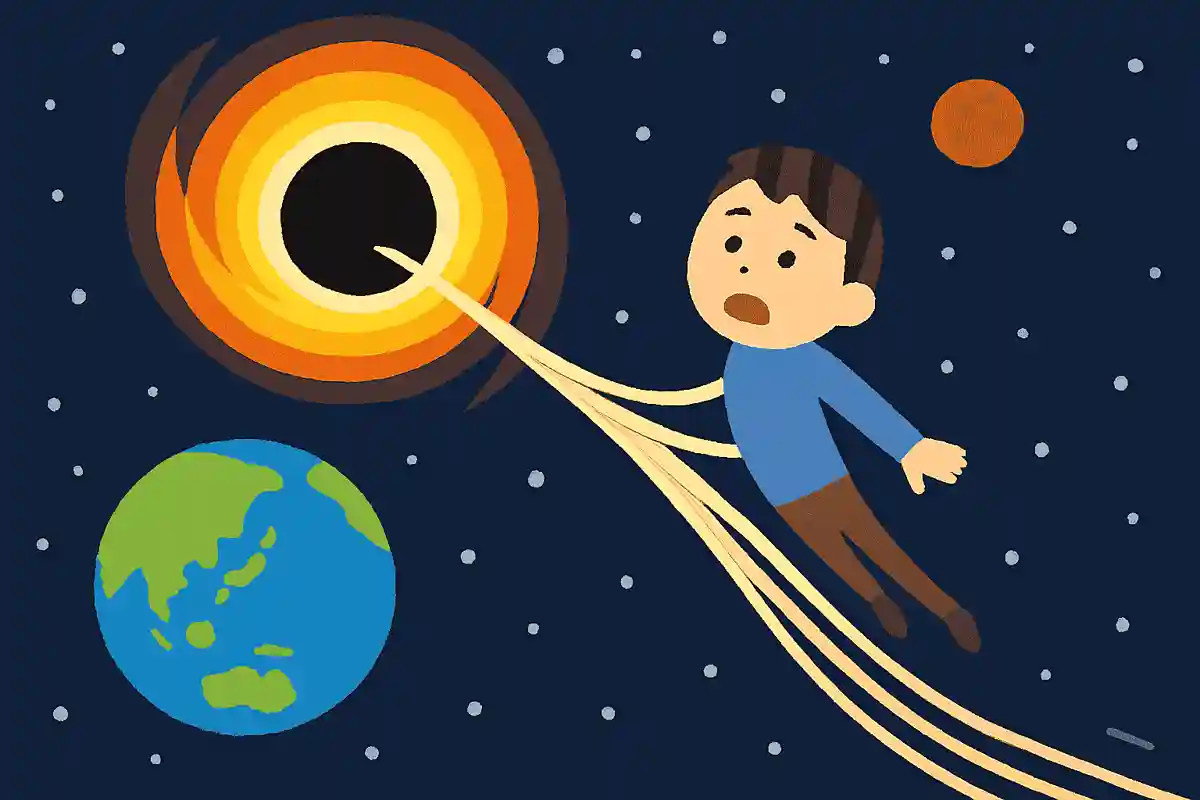
One phenomenon that objects approaching a black hole experience is called spaghettification.
This occurs when gravity differs drastically between your feet and your head, causing the body to be stretched out lengthwise.
In regions where strong gravity renders ordinary physical laws inapplicable, perceptions of time and space are also severely distorted, and much of what happens inside a black hole remains shrouded in mystery.
Scientifically, this phenomenon is caused by what’s known as tidal forces.
It’s a bit of trivia that deepens the mysteries of the universe by revealing gravity at its extremes.