

Didn't want to know?! Fascinating and scary trivia & fun facts


Even though we think we don’t want to know scary stories, our curiosity tends to win and we end up watching or listening anyway, right? In this article, we’ve collected general-audience scary trivia and fun facts—the kind that gives you chills but you just can’t stop reading.
Some of it might make a few people regret seeing it a little, but there’s also plenty that’s good to know.
If you’re the type who wants to be informed—about the good and the bad—then follow your curiosity and check it out!
- Not taught in school! A roundup of historical trivia and fun facts
- Actually scary nursery rhymes. Children's songs that give you the chills once you understand their meaning
- Trivia and fun facts about food (summary)
- A quiz of fun trivia: bite-sized knowledge that leads to new insights.
- Useful right away in daily life! Surprising trivia and handy tips
- A compilation of unsettling trivia and fun facts about Earth
- Scary but I want to know! A psychology test that reveals your hidden personality and secret side
- [For Seniors] Introducing Scary Trivia Quizzes & Fun Facts!
- Trivia quiz with useful tips to know: fun facts that come in handy at school or at home [for kids]
- [Dog Biology] Things You Might Not Know? Dog Trivia
- A roundup of insect trivia: fun facts you'll want to share
- A psychological test that reveals your past life! It even diagnoses your likely occupation and how your life ended.
- Fun facts you’ll want to share! A special feature on November trivia and tidbits
Scary Trivia About Earth, Space, and Life (11–20)
Crows remember the faces of people who have harmed them.
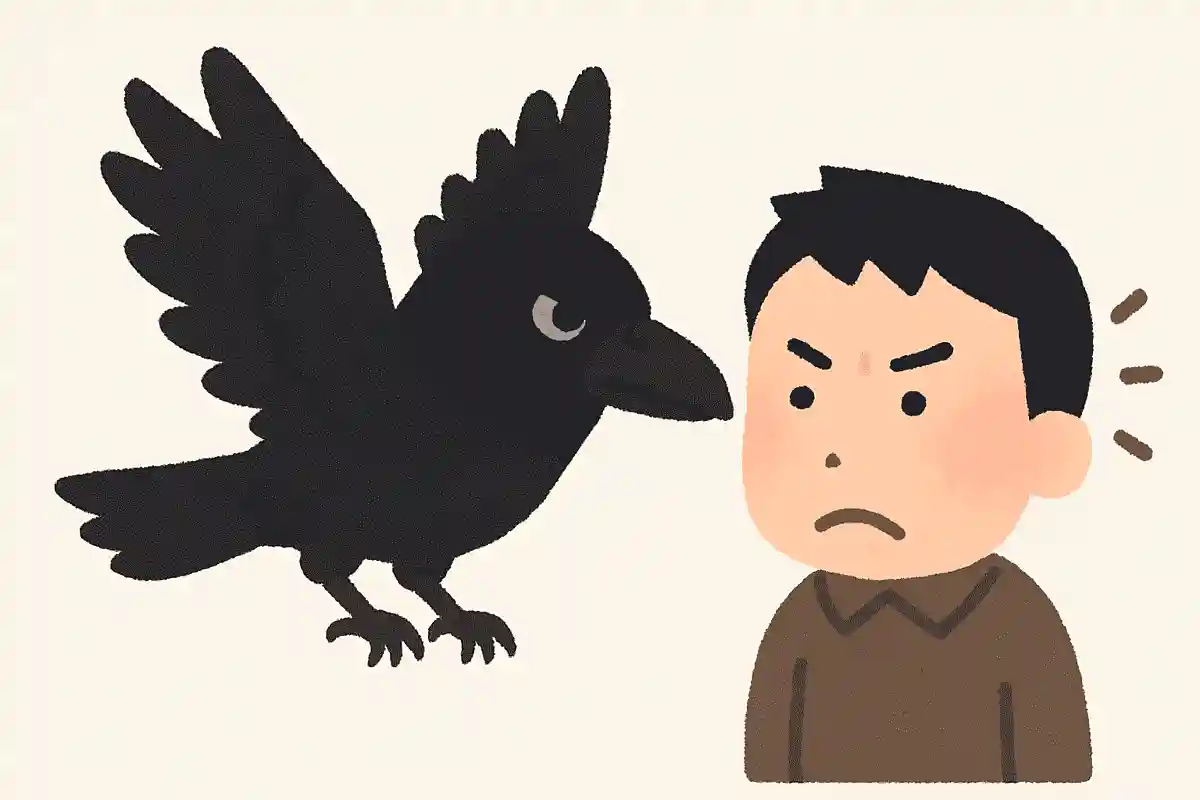
We tend to think of crows as being everywhere—from the mountains to the middle of town—and because they’re so commonplace, we don’t often interact with them directly.
It’s said that crows are highly intelligent, even able to remember human faces.
They have excellent memories; if they’re harmed, they remember it and are believed to share that danger with their companions.
Knowing that, if you truly earn their dislike, you might be met with caution and intimidation from the whole group.
With that in mind, it seems wise to reconsider how we deal with them—perhaps think of ways to drive them away that won’t make them more wary.

The temperature of lightning is hotter than the surface of the Sun.
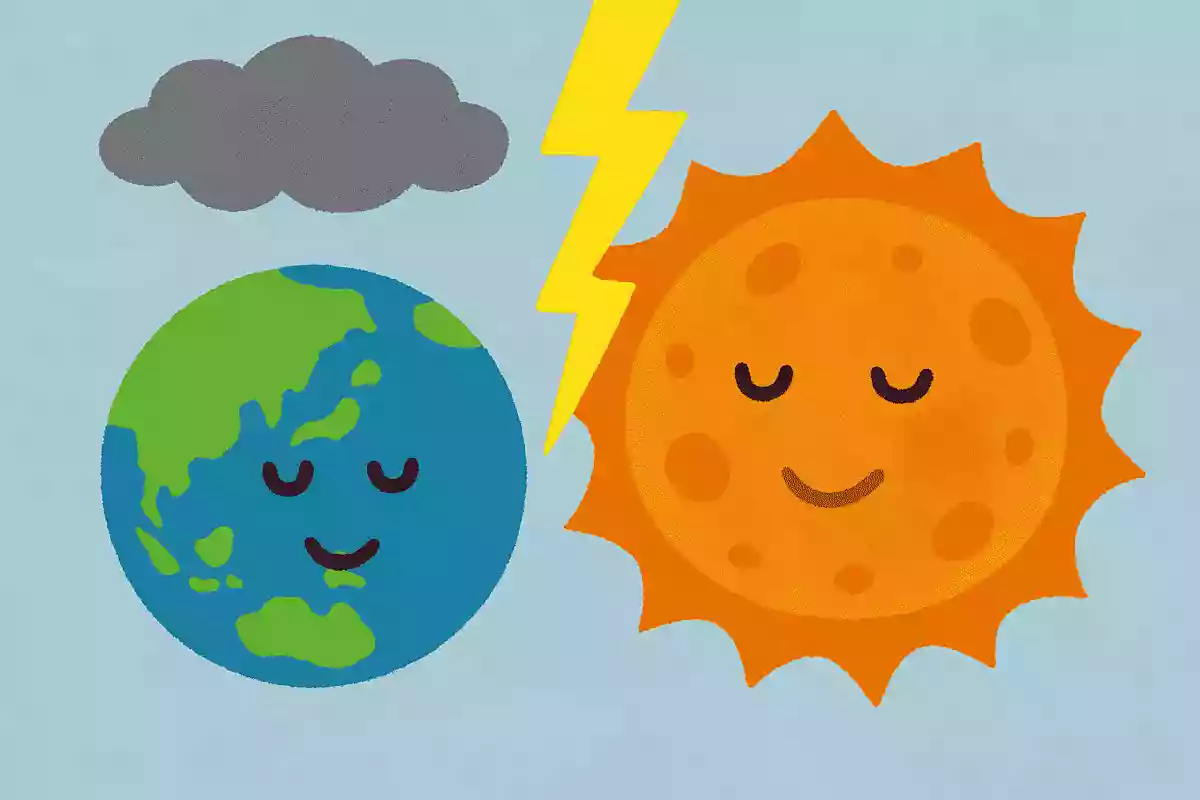
We tend to think of the sun as something unreachable out in space, and lightning as something we might encounter in everyday life—separate things that are far apart.
Surprisingly, though we rarely compare them side by side, it’s said that lightning can be hotter than the sun’s surface.
The sun’s surface temperature is about 6,000°C, while lightning is reported to reach roughly five times that—around 30,000°C.
Unlike the ever-burning sun, lightning is a brief phenomenon, but the fact that it can bring heat more intense than the sun’s surface is truly frightening.
There are wandering isolated black holes in space.
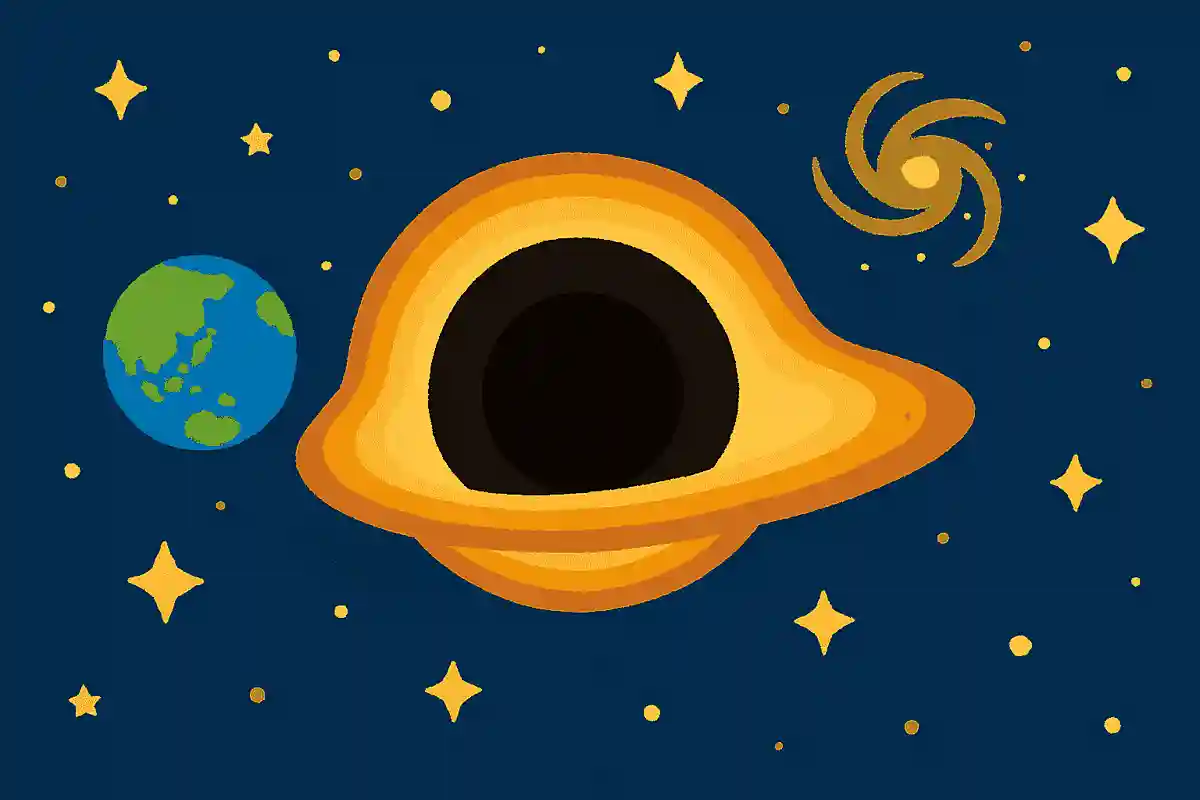
Black holes that swallow even light are thought to be transformed remnants of stars and are most often part of binary systems.
However, defying that common understanding, astronomers have also discovered black holes wandering alone through space.
The fact that these fearsome objects—often portrayed as symbols of terror in space-themed science fiction—can move freely only heightens their menace.
Because they emit no light and are therefore difficult to detect, this discovery also raises the possibility that black holes may be found in unexpected places in the future.
In the deep sea, there is a giant worm-like creature called the “Hikariboya.”
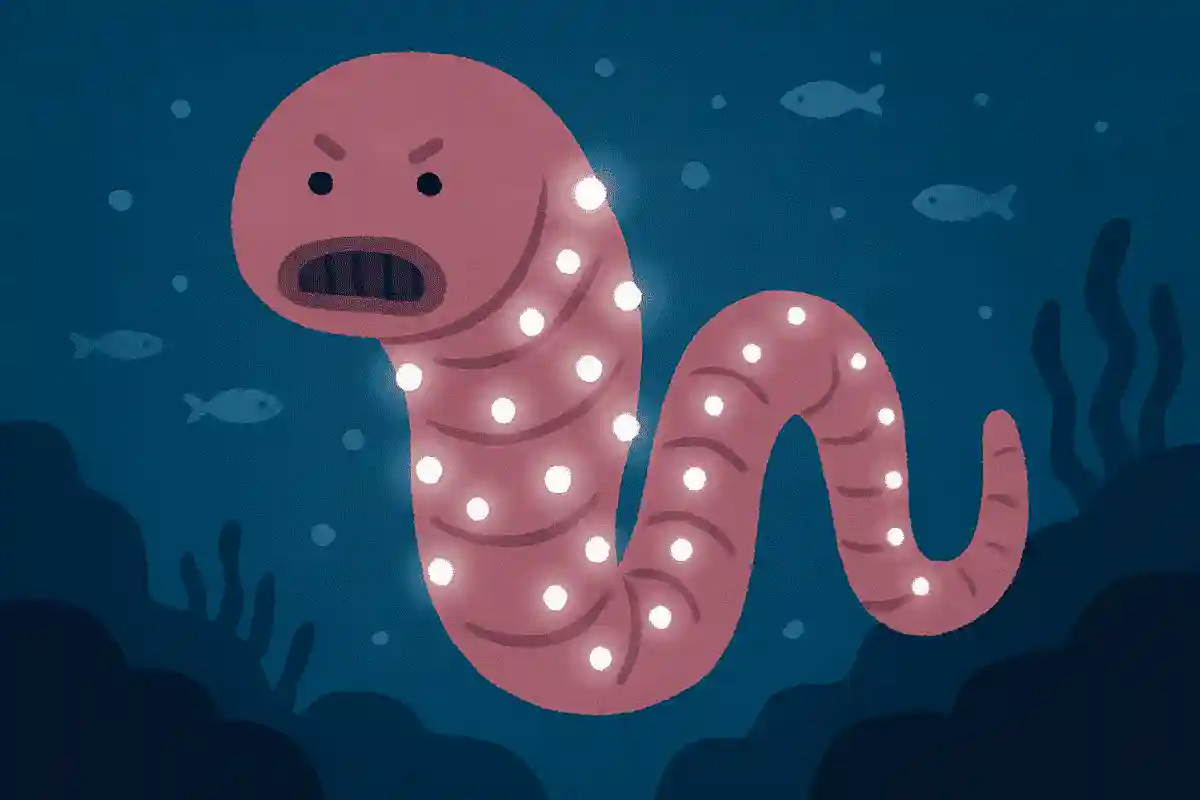
The deep-sea “pyrosome” is a giant, tube-shaped organism that may look like an earthworm but is an entirely different kind of creature.
It is formed by a multitude of tiny individuals called zooids, each only a few millimeters long, which gather to create large, hollow cylindrical or sac-like colonies.
Sizes range from just a few centimeters to several meters, with some exceeding 10 meters, making them appear like truly “giant worms.” A distinctive feature is their strong blue-green bioluminescence when stimulated.

Anisakis won’t die even if you cut it.
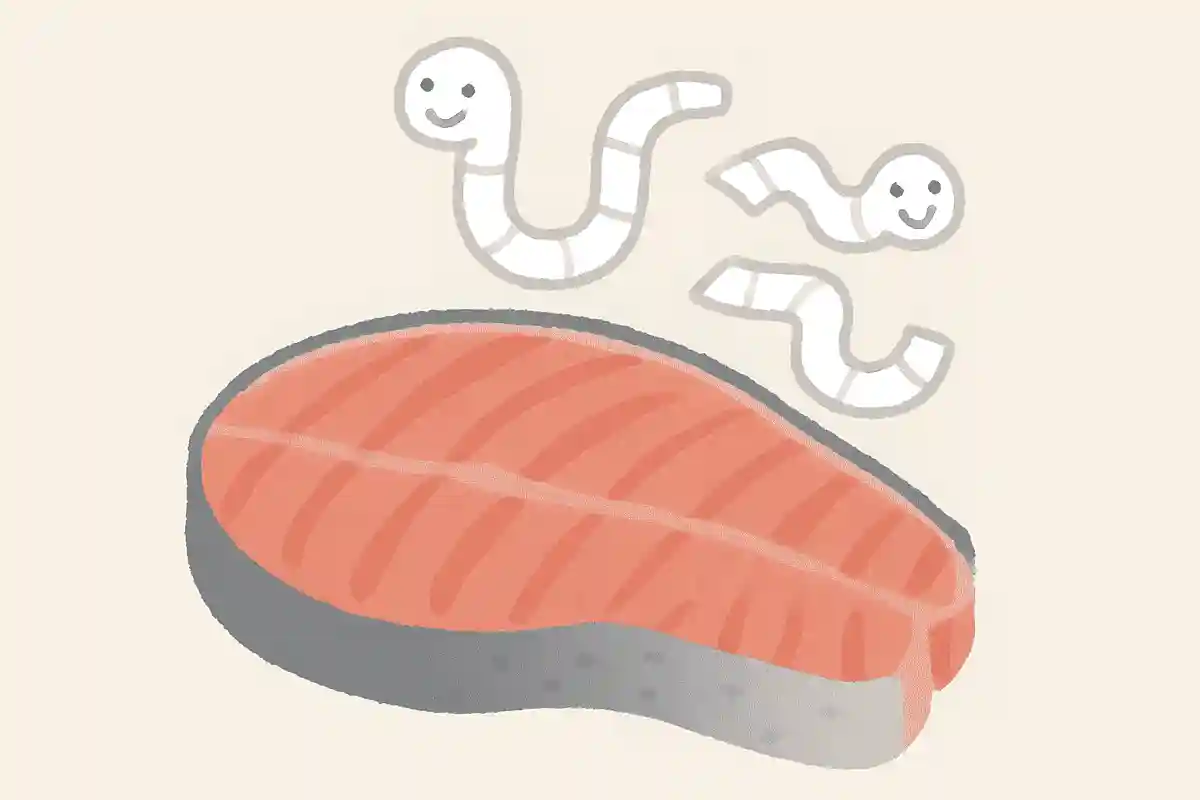
Anisakis are parasites that mainly infest seafood, and if accidentally ingested, they can cause severe abdominal pain and nausea.
If you look closely, they’re large enough to be seen with the naked eye, so you might think they’re easy to eliminate.
However, they’re terrifyingly resilient—they can survive even if chewed or cut.
So how should you deal with them? The most effective method is heating: it’s said that heating to 60°C for one minute will kill them.
When eating raw dishes like sashimi, it’s important to choose items that are very fresh and have had their innards removed promptly.
Whales can sometimes explode after they die.
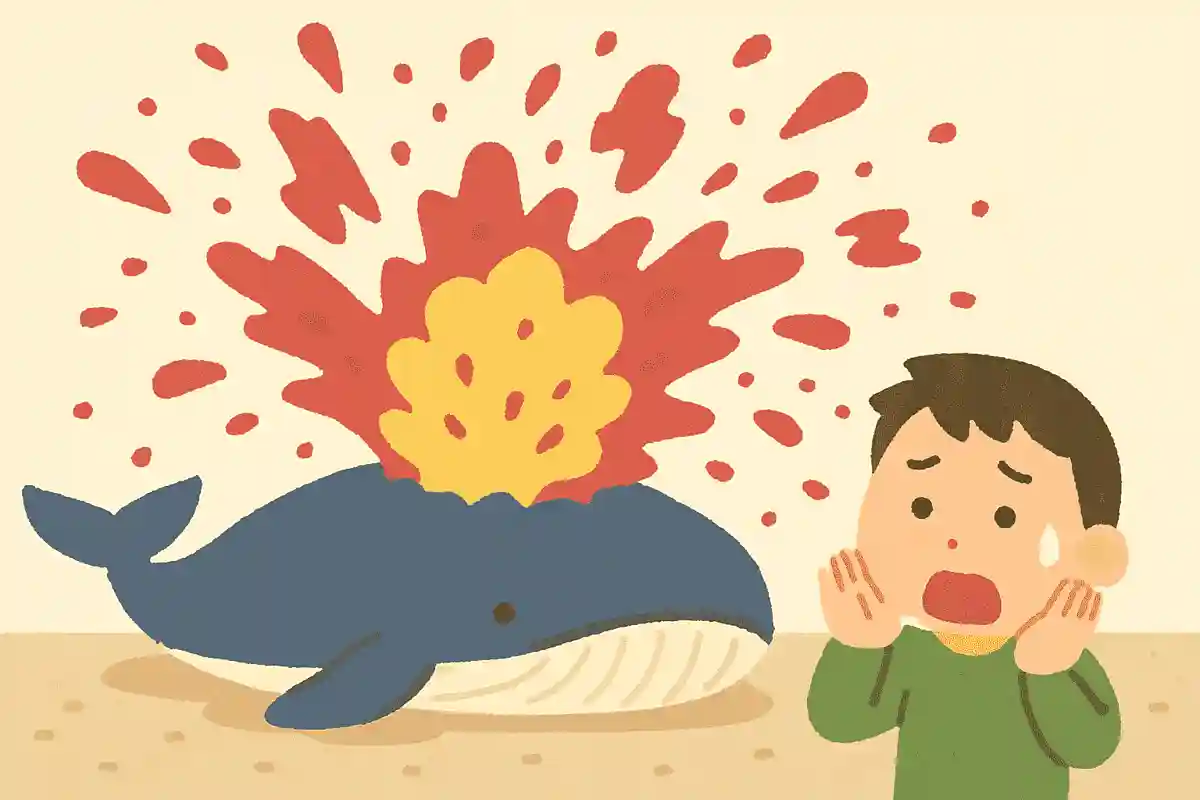
When news breaks that a whale carcass has washed up on a beach, you might picture people hurriedly returning it to the sea.
A major reason for this is the risk that the carcass could explode.
This isn’t an explosion from combustion but more like a rupture: as the body decomposes, methane gas builds up, causing it to bloat and then burst violently.
Because whales are so large, the range and impact of such an explosion can be extensive, so the carcass is returned to the ocean, as far from land as possible, to minimize the effects.
Since any damage to the body could trigger a rupture from that point, the work is carried out with great care.
Chilling Trivia and Astonishing Truths That Will Give You the Creeps (1–10)
The creature that has taken the most human lives so far is the mosquito.
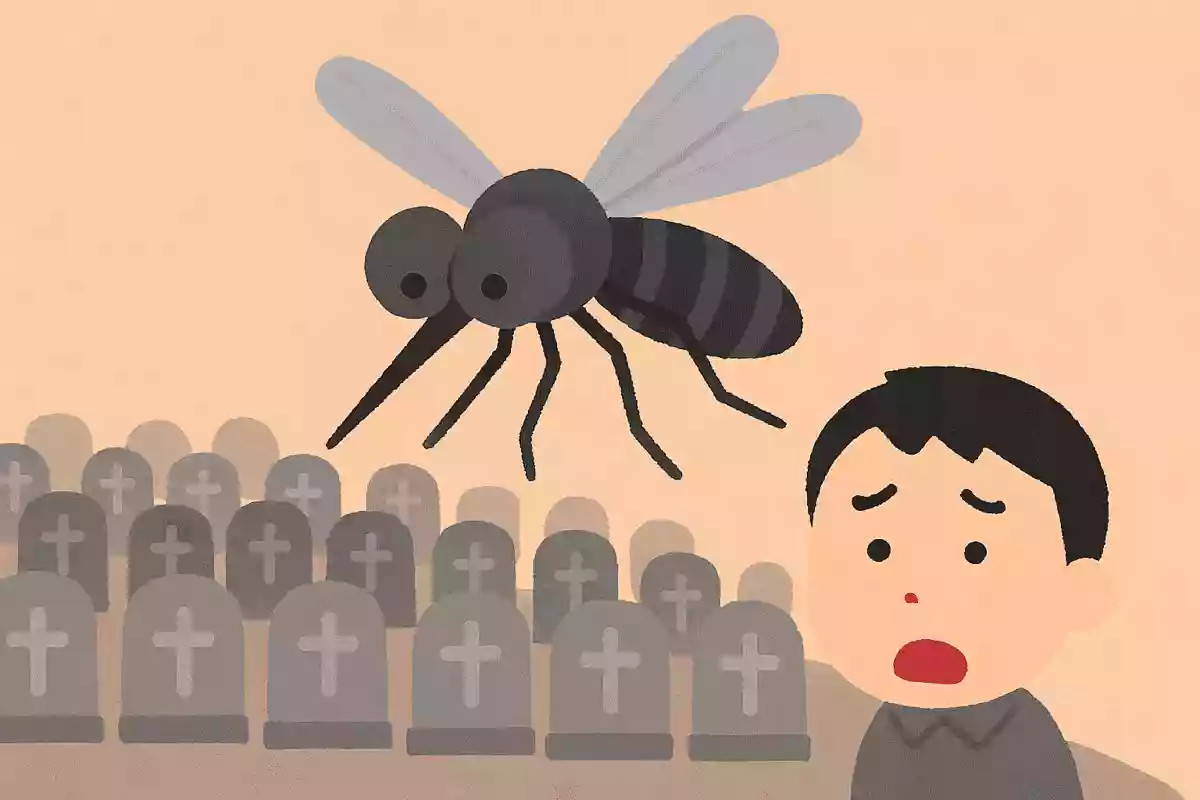
When we think of creatures that take human lives, we imagine venomous animals or powerful beasts we can’t overpower.
But the answer is mosquitoes.
It’s surprising that such tiny insects could be responsible, but mosquitoes transmit life-threatening infectious diseases like dengue fever and malaria to people.
