



Even though we think we don’t want to know scary stories, our curiosity tends to win and we end up watching or listening anyway, right? In this article, we’ve collected general-audience scary trivia and fun facts—the kind that gives you chills but you just can’t stop reading.
Some of it might make a few people regret seeing it a little, but there’s also plenty that’s good to know.
If you’re the type who wants to be informed—about the good and the bad—then follow your curiosity and check it out!
- Not taught in school! A roundup of historical trivia and fun facts
- Actually scary nursery rhymes. Children's songs that give you the chills once you understand their meaning
- Trivia and fun facts about food (summary)
- A quiz of fun trivia: bite-sized knowledge that leads to new insights.
- Useful right away in daily life! Surprising trivia and handy tips
- A compilation of unsettling trivia and fun facts about Earth
- Scary but I want to know! A psychology test that reveals your hidden personality and secret side
- [For Seniors] Introducing Scary Trivia Quizzes & Fun Facts!
- Trivia quiz with useful tips to know: fun facts that come in handy at school or at home [for kids]
- [Dog Biology] Things You Might Not Know? Dog Trivia
- A roundup of insect trivia: fun facts you'll want to share
- A psychological test that reveals your past life! It even diagnoses your likely occupation and how your life ended.
- Fun facts you’ll want to share! A special feature on November trivia and tidbits
Trivia and fun facts of surprise and fear (1–10)
People can remain conscious for several minutes after cardiac arrest.
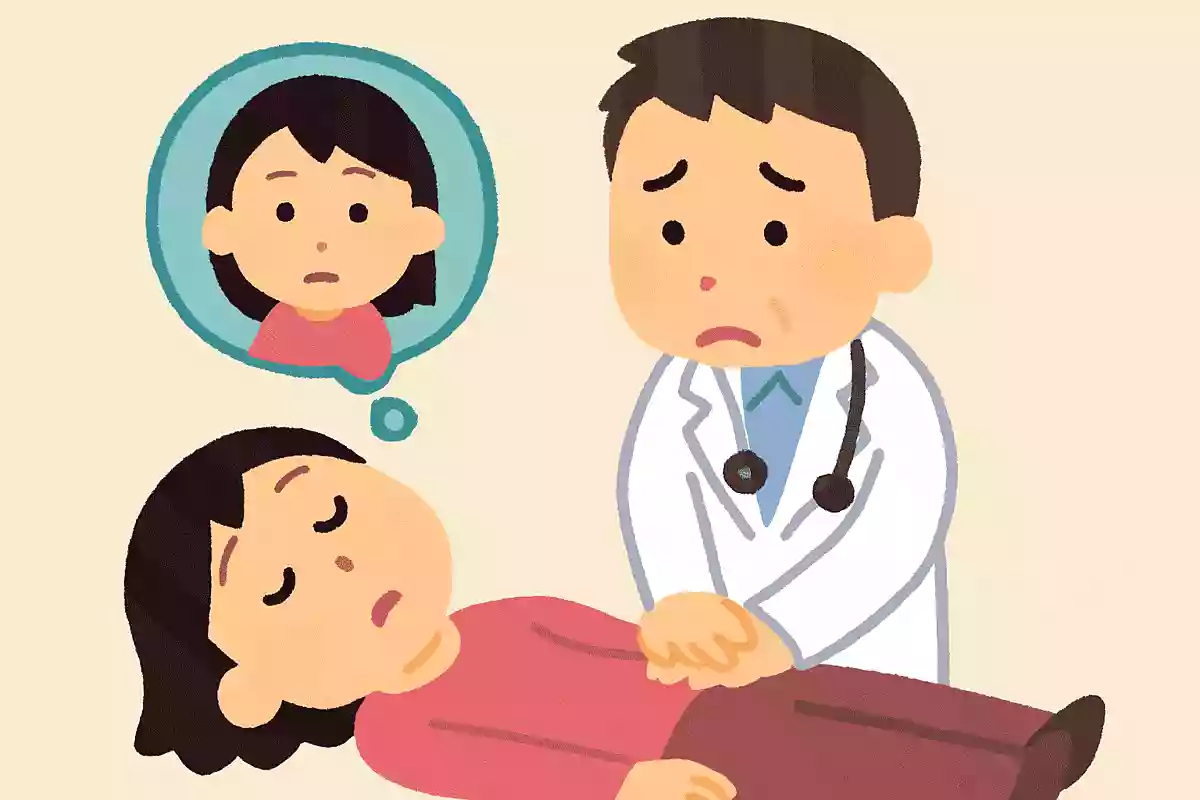
When the heart stops, blood flow also ceases, and it’s said that the brain is damaged immediately and consciousness is lost in about 10 seconds.
However, some recent studies suggest there may be data indicating that consciousness could persist for several minutes.
After a person’s heart stops, the brain may remain active for three to five minutes, and if blood flow is restored, resuscitation may be possible.
It has long been thought that when blood flow stops, oxygen—which is needed to produce energy in cells—can no longer be delivered, causing cells to die.
But research has shown that even as oxygen levels in the brain drop, brain cells can continue to function for a few minutes by using stored energy.
During this time, if blood flow returns, there may be a possibility of resuscitation.

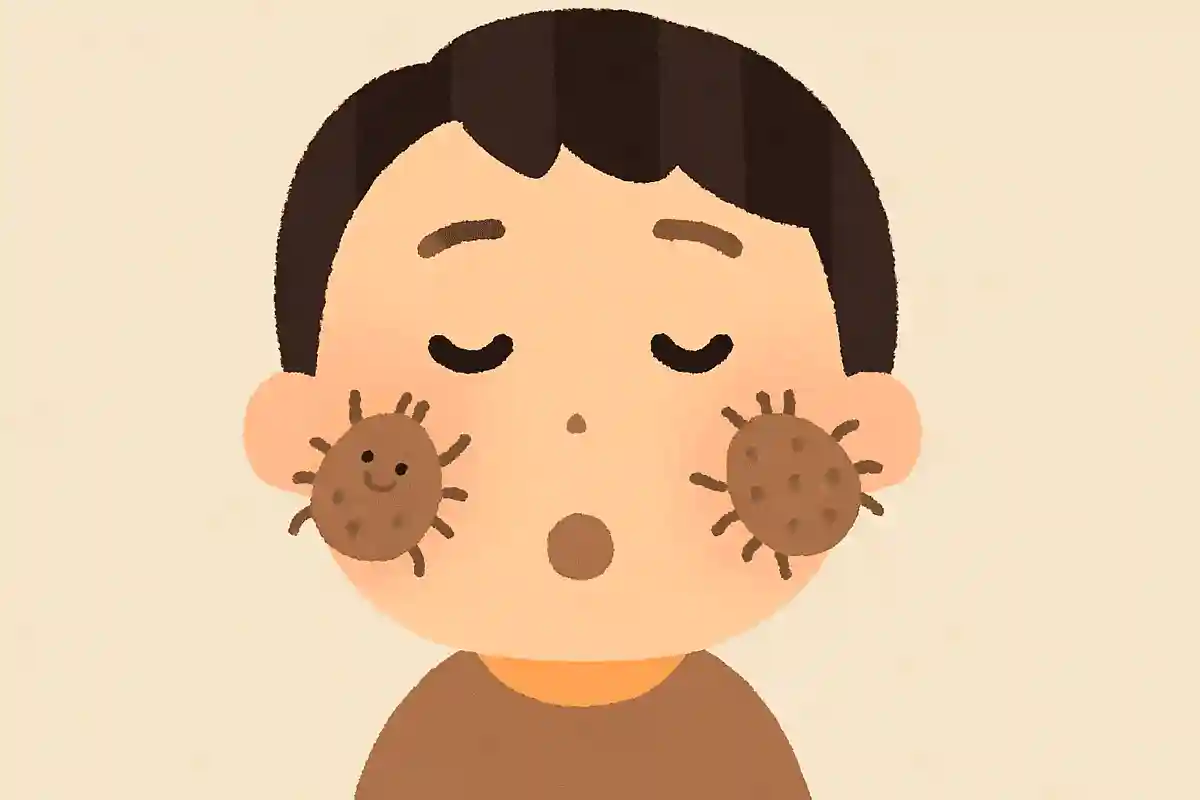
Most people have mites on their faces.
Mites are said to always be present in places where dust accumulates in the home.
Sofas, futons, and tatami mats are especially prone to mite infestations.
In fact, most people also have mites on their faces.
Even on normal facial skin, it’s said there can be two million face mites, with about five to six living in a single pore.
Although the word “mite” doesn’t evoke a very good image, they are usually a type of resident microbe that doesn’t cause harm.
However, if face mites multiply too much, they can lead to problems.
Acne may become harder to heal, and allergic reactions triggered by the mites themselves or their remains can cause itching.
The brain only sees what it wants to see.
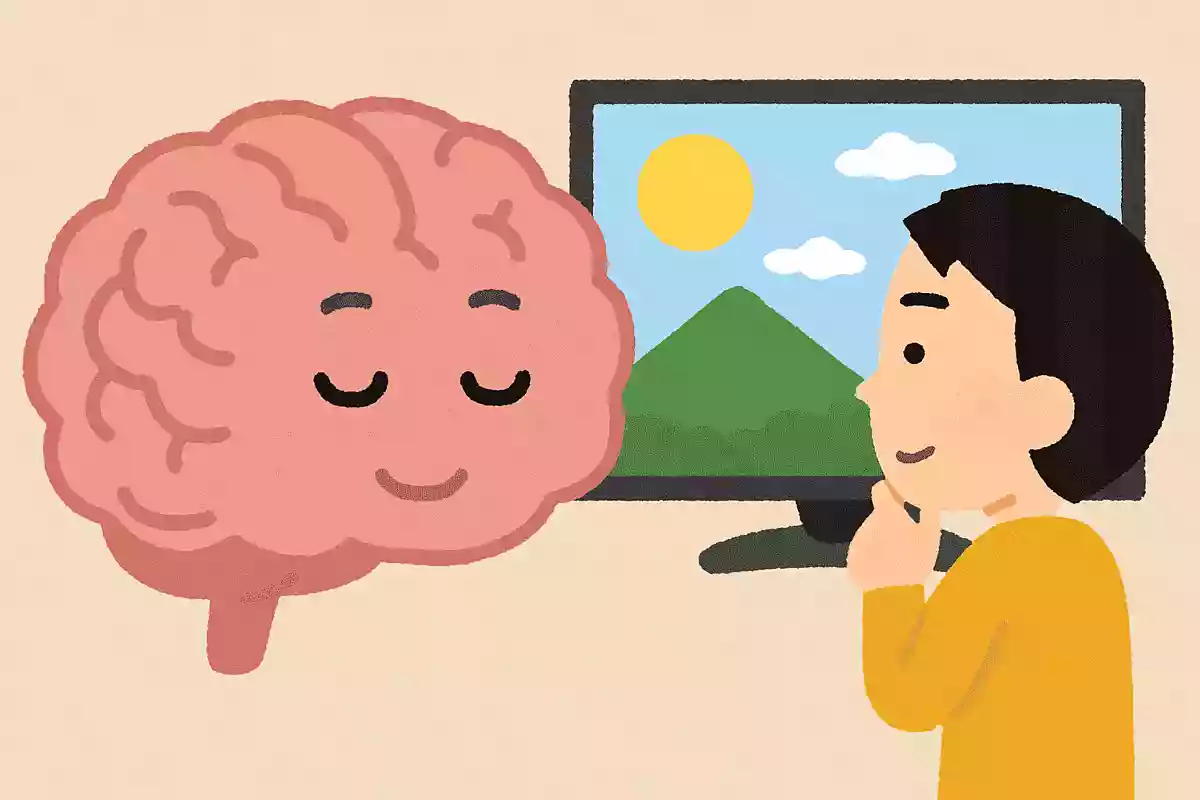
They say the human brain only sees what it wants to see.
The real world is overflowing with information, and even right in front of us there’s a variety of input.
It seems the brain doesn’t try to grasp everything.
It selects and stores only what is dangerous, important, or interesting to us, and presents it as images.
The phenomenon where only things we’re interested in catch our eye and all other information fails to reach our awareness is called the cocktail party effect.
Like a PC, the brain has limited memory, and it appears to apply a filter that adjusts and cuts out anything not necessary for survival.
The brain itself can be operated on even without anesthesia.
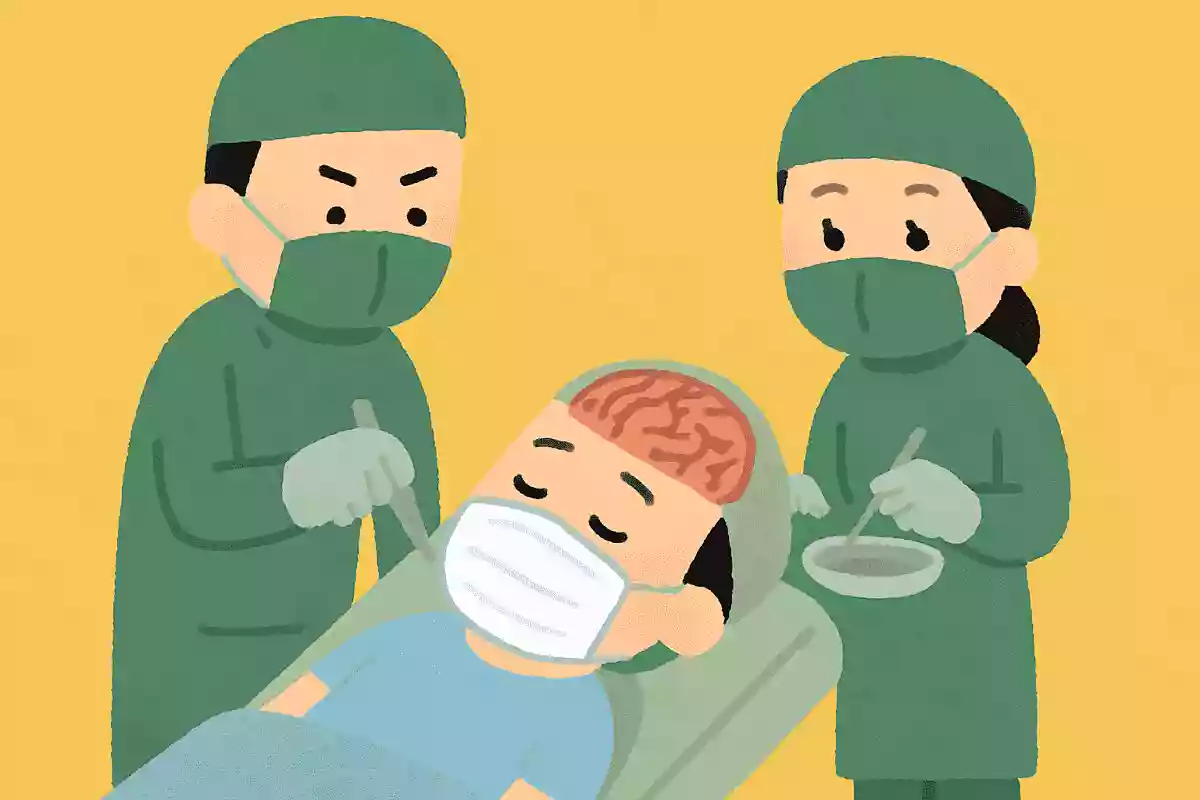
When undergoing surgery, anesthesia is sometimes used.
For minor procedures, local anesthesia is administered with a pain-relief injection, while major surgeries are performed under general anesthesia, where the patient is put completely to sleep and loses consciousness.
In fact, the brain itself is said not to feel pain.
The brain can perceive pain throughout the body, but it has no pain sensation of its own.
Therefore, there are surgeries in which patients are woken from general anesthesia and the procedure is performed while they move their limbs or converse.
In some cases, patients are even shown pictures during the operation and asked to explain what the images depict.
Gastric juice can dissolve the human body.
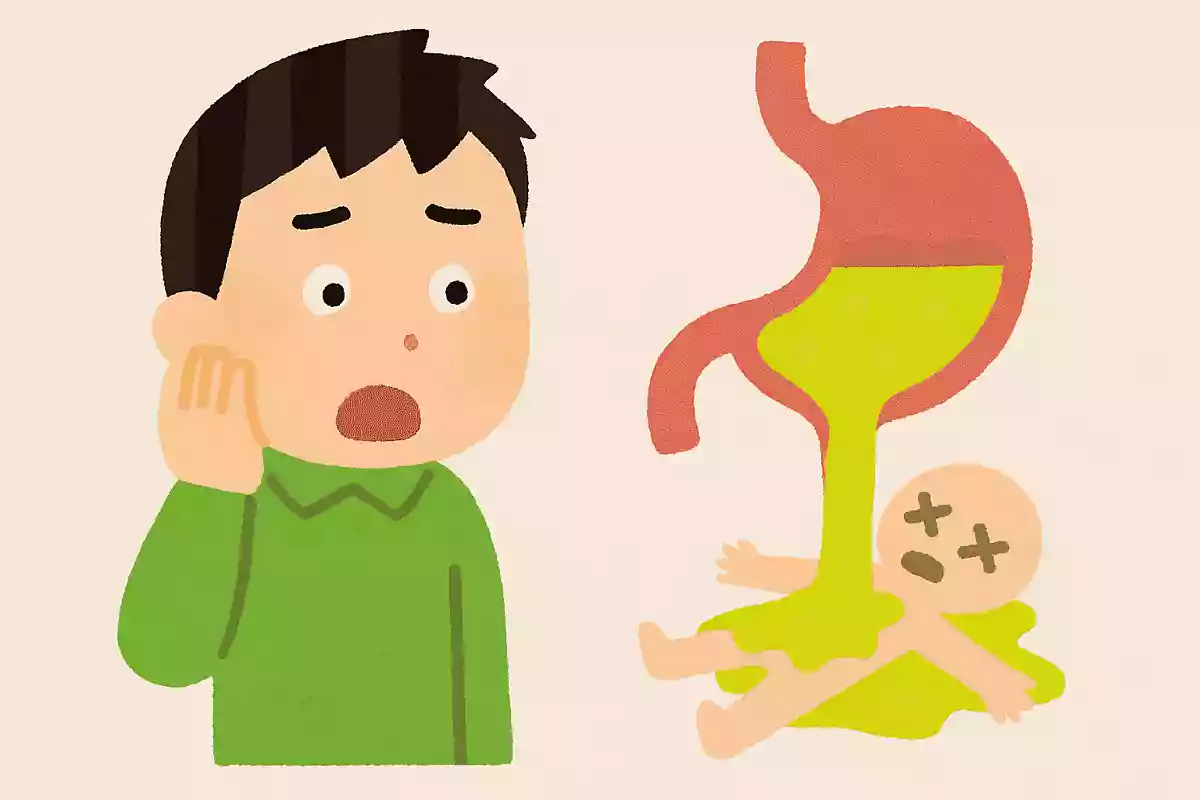
When it comes to organs that digest food, the stomach comes to mind.
The main component inside the stomach is a powerful liquid called hydrochloric acid.
That’s why touching gastric juice can even dissolve skin.
This raises a question: why doesn’t the stomach, which contains gastric juice made primarily of hydrochloric acid, dissolve itself? The reason is that the stomach has mucus that protects it.
When food enters the stomach, a large amount of sticky, alkaline mucus is secreted from the gastric mucosa.
This mucus forms a thin barrier inside the stomach—less than one millimeter thick—that protects it.
The acidic hydrochloric acid and the alkaline mucus neutralize each other, keeping the stomach safe.
It is being routinely produced in cancer cells.
When we hear the word “cancer,” we often think of a frightening illness.
We also see features and news about celebrities and prominent figures who have had cancer on TV and in newspapers.
It isn’t a rare disease; it’s said that one in two people will develop cancer at some point in their lives.
You’ve probably heard the term “cancer cells” as well.
In the human body, cell division happens every day.
During this process, the DNA inside cells is copied about 600 billion times daily, and these DNA copies can sometimes go wrong.
Many cells with failed copies die off, but if an error occurs in certain parts of the DNA, the cell can survive as it is.
These are cancer cells, but in many cases they are eliminated by the body’s immune system.
The treadmill was originally a torture device.
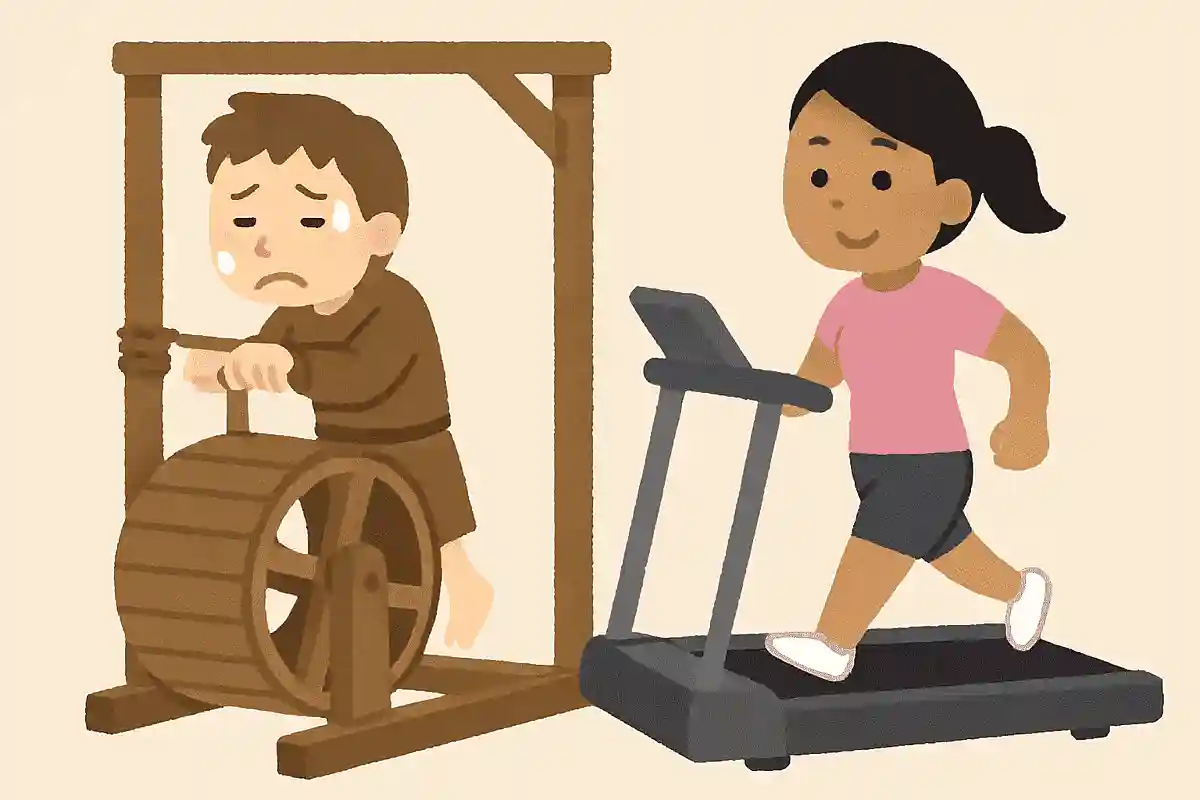
Treadmills, which many people use at home or in gyms to help address lack of exercise, were originally instruments of punishment.
In Japan they’re called “room runners,” but overseas they were known as tread apparatuses: prisoners would turn treadwheels for six hours a day, which powered water pumping, grain grinding, and even windmill mechanisms.
At that time, they were used as devices of torture.
With the abolition of prison laws, these punitive devices disappeared, and two professors developed a medical treadmill that came to be used for diagnosing heart and lung conditions.
Later, an exercise physiologist named Kenneth Cooper noted that medical treadmills were also good for training, which led to the creation of home-use treadmills.
