

Interesting four-character idioms for elementary schoolers! Words you'll want to use once you understand their meanings

“I want to teach fun four-character idioms to elementary school kids!” If that’s what you’re looking for, you’re not alone.
Among the four-character idioms we casually see and hear, there are actually tons with funny meanings and origins that really capture children’s imaginations.
The sound of the words is enjoyable too, making them perfect to learn together with kids! In this article, we’ll introduce four-character idioms that will make elementary schoolers exclaim, “Wow!” with sparkling eyes—and that adults can enjoy learning alongside them.
- Learn the meanings too! Cool four-character idioms that elementary school students will want to remember
- Easy-to-remember, positive four-character idioms for elementary school kids! Words that brighten the heart
- Popular even among elementary school students! Stylish and easy-to-remember four-character idioms
- A four-character idiom quiz that elementary schoolers will love! Questions become fun once you understand the meanings
- Perfect for elementary school slogans! A collection of four-character idiom ideas you'll want to use
- [For Elementary Students] A Collection of Beautiful Four-Character Idioms to Know
- Recommended for elementary school class goals! A collection of impactful ideas using four-character idioms
- [Elementary School Students] Perfect for Kakizome! A Collection of Four-Character Idiom Ideas
- For Elementary School Students: Four-Character Idioms You Can Use for New Year’s Resolutions — How to Set Cool Goals!
- Easy for elementary school students to remember! A four-character idiom that expresses the feeling of trying your best
- Boost your vocabulary with four-character idioms that include numbers! A collection of four-character idioms for elementary school students to learn.
- [For Elementary School Students] Four-character idioms you can use in sports! Words that are helpful for cheering and goal setting
- Amusing four-character idioms you’ll want to use right away! A collection of expressions to remember as general knowledge.
Interesting four-character idioms for elementary schoolers! Words you'll want to use once you understand their meanings (21–30)
coexistence and mutual prosperity

It is a four-character idiom that expresses growing together while helping each other.
By setting it as a class goal for elementary school students, they can learn the importance of everyone joining forces instead of just one person working hard.
Those who are good at studying can teach their friends, and those who are good at sports can support practice together, creating a bright and positive atmosphere for the whole class.
Helping those in need and sharing joy become opportunities to deepen trust and friendship.
By having a spirit of cooperation, an environment is created where everyone in the class can feel comfortable, and school life becomes more enjoyable.
It is a warm phrase that conveys a strong determination to build the future together with classmates.

firm and decisive
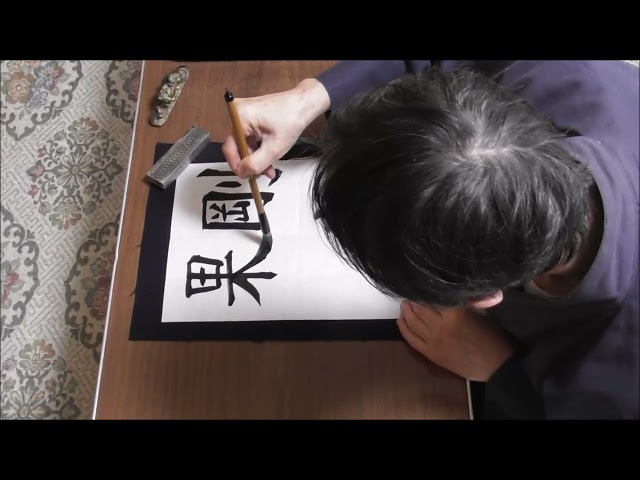
It’s a phrase that describes having a strong will and moving forward by making decisions without hesitation.
When facing difficulties, losing heart or putting off choices only makes the situation tougher.
What matters in such moments is the courage to take a heartfelt first step.
Even in adversity, you’re expected to remain steady and press on along the path you’ve chosen.
The tougher the situation—like critical decisions at work or turning points in life—the more this mindset is needed.
What sustains an unyielding spirit is unwavering resolve and the ability to take action.
Even in hard times, this is a dependable phrase that strongly encourages you to trust your choices and push ahead.

Fun Four-Character Idioms for Elementary Schoolers! Words You’ll Want to Use Once You Know Their Meanings (31–40)
Say what you mean, do what you say.

This is a four-character idiom that means taking responsibility for your words by putting them into action.
It serves as a guideline not only for making promises but for cultivating the attitude to keep them.
Even small things like “doing your homework” or “being on time” build trust when you follow through.
If the whole class embraces this phrase, everyone becomes more mindful about keeping promises, the atmosphere tightens, and a cooperative environment emerges.
It also fosters the strength to keep challenging yourself toward goals you set, bringing the joy of seeing things through.
It’s a phrase that teaches the importance of aligning words and actions.
fair and square

This four-character idiom expresses the attitude of taking on challenges the right way, without resorting to unfair methods.
By adopting it as a class goal, students cultivate a sense of fairness in various situations such as tests, sports days, and presentations.
A key point is that it fosters an atmosphere that values effort and process over results, rather than focusing only on winning or losing.
Respecting others and engaging earnestly builds trust across the class and creates a spirit of cheering each other on.
Experiences that let students hold their heads high even after failure will nourish them for the future.
It is a phrase that teaches the value of following the rules and facing challenges head-on.
In conclusion
Getting familiar with four-character idioms not only nurtures elementary school students’ language skills, but also offers plenty of fascinating discoveries. The moments when familiar kanji take on new meanings, and the joy of encountering the wisdom of people from long ago, will surely provide positive stimulation for Japanese language studies. By all means, children and adults alike should have fun exploring the world of new expressions.