

Will you like May even more once you know? Fun May trivia elementary schoolers should know


May is when we start getting used to our new classes.With hay fever settling down, it’s the season when playing outside becomes more fun.May has many events closely related to elementary school students, such as Children’s Day and Mother’s Day, but did you know there are also all kinds of trivia beyond that?Even if words come up in classes like Japanese or English, there may not be many elementary school students who know their origins.This time, we’ll introduce trivia about words you’ve likely heard related to May, as well as about seasonal events!
- [For Seniors] Introducing trivia related to May!
- Recommended in March! A collection of surprising, little-known trivia that elementary school students will want to share
- [For Kids] Fun Facts & Trivia Quiz about Koinobori (Carp Streamers)
- [Easy] Quizzes That Elementary School Students Can Solve! A Collection to Nurture Wisdom
- Learn to Love the Rain! Fun Facts & Trivia Quiz about the Rainy Season for Kids
- [For Elementary School Students] A Collection of Fun, Educational Quiz Ideas for Mother's Day
- [For Elementary School Students] Trivia About April
- [For Kids] Trivia & Fun Facts Quiz About June
- [For Kids] November Trivia Quiz & Fun Facts: Let’s Learn While Having Fun!
- [Common Sense & Trivia] True-or-False Quiz with Knowledge for Elementary School Students
- [For Kids] December Trivia Quiz & Fun Facts! Learn about seasonal events and traditions!
- Surprisingly, there’s a lot we don’t know? A quiz to learn trivia about May!
- Mother’s Day trivia roundup: origins and customs around the world
Will you like May even more once you know this? Fun May trivia (31–40) that elementary school students should learn
A phrase coined from the May 15 Incident
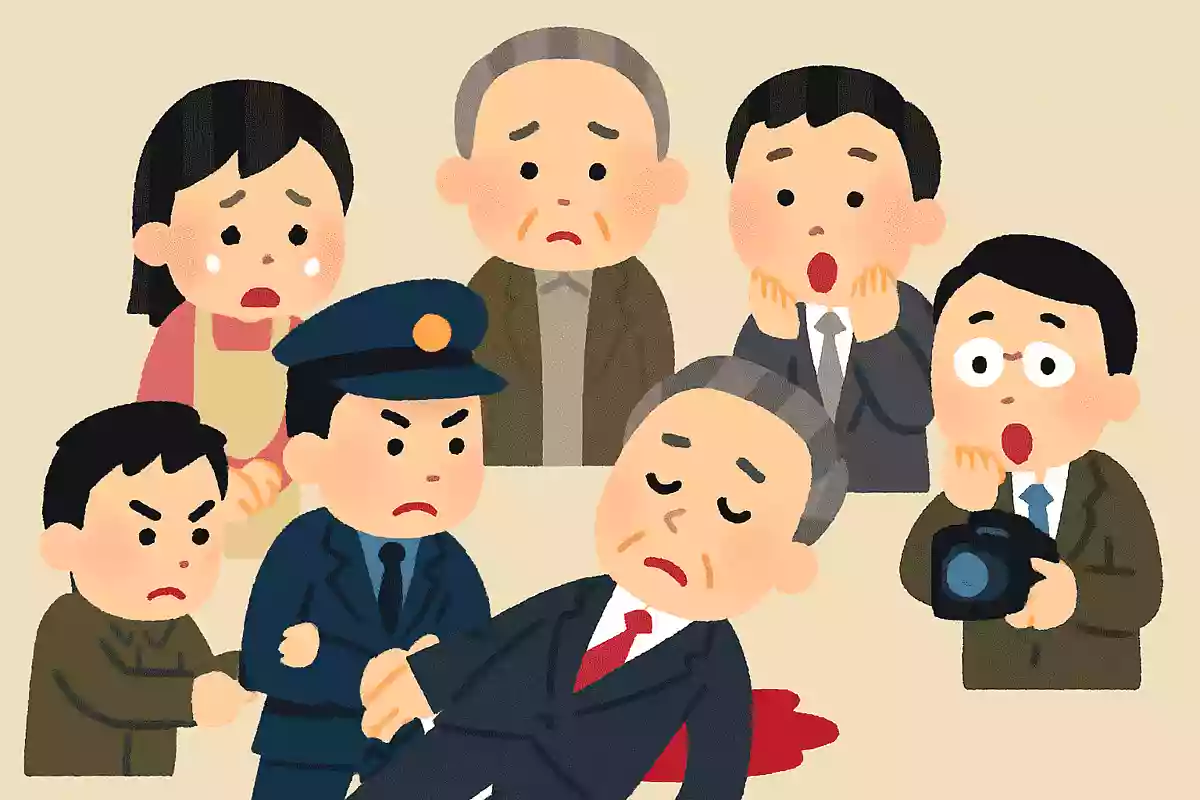
You may have heard the phrase “If we talk, we’ll understand each other.” Behind this phrase lies the May 15 Incident.
The May 15 Incident was a rebellion that occurred on May 15, a historic event in which Prime Minister Tsuyoshi Inukai was assassinated by young naval officers who broke into the prime minister’s residence.
It is said that, in the midst of the incident, sensing his life was in danger, the prime minister uttered these words.
For more details about the incident, there are thorough explanations available online, so check them out if you’re interested.

What does “dontaku” in Hakata Dontaku mean?
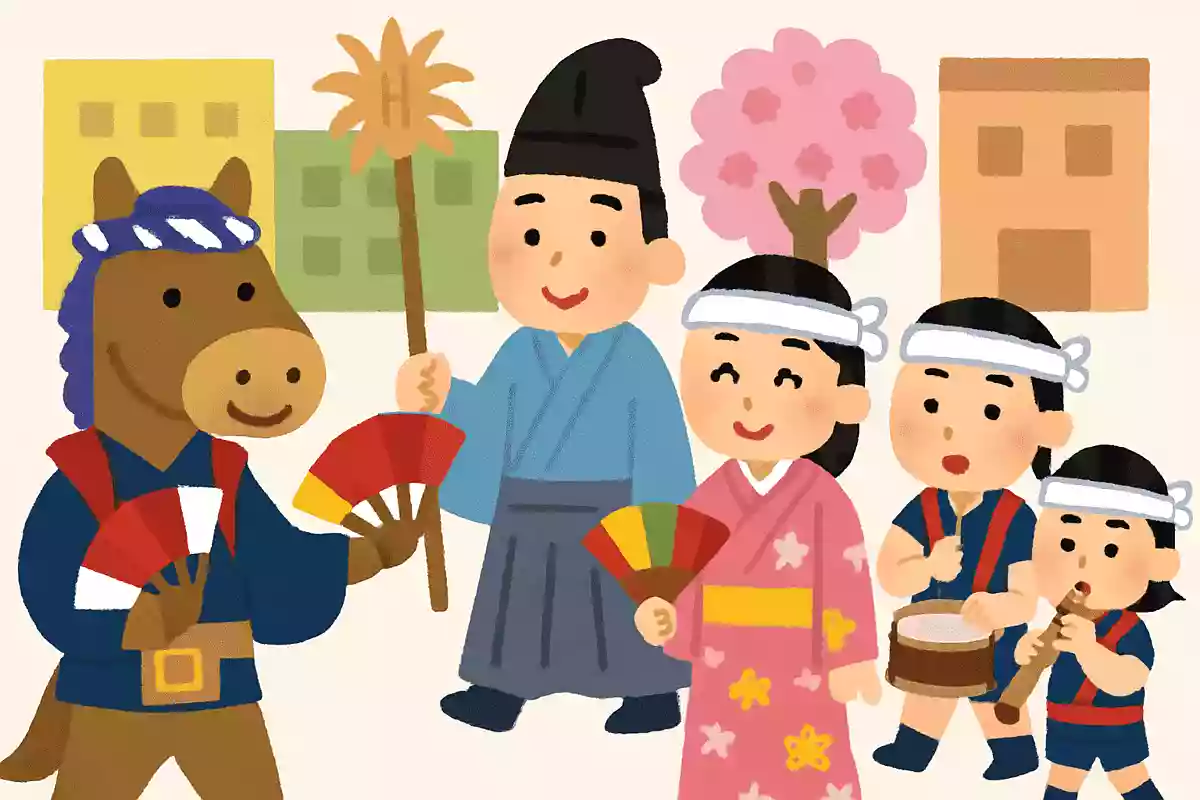
Hakata Dontaku is a festival held on May 3rd and 4th in Fukuoka Prefecture, and it is said to have originated from an event called Matsubayashi.
The festival is so beloved by residents that it is also known as the “Festival of Fukuoka Citizens.” What meaning, then, is contained in the name “Dontaku”? It began to be called “Hakata Dontaku” after the festival resumed in 1879 (Meiji 12), and the word is said to derive from the Dutch “Zondag,” meaning “holiday.” The meaning itself is simple, but it conveys a strong desire for everyone to have fun together.

Origin of the Aoi Festival
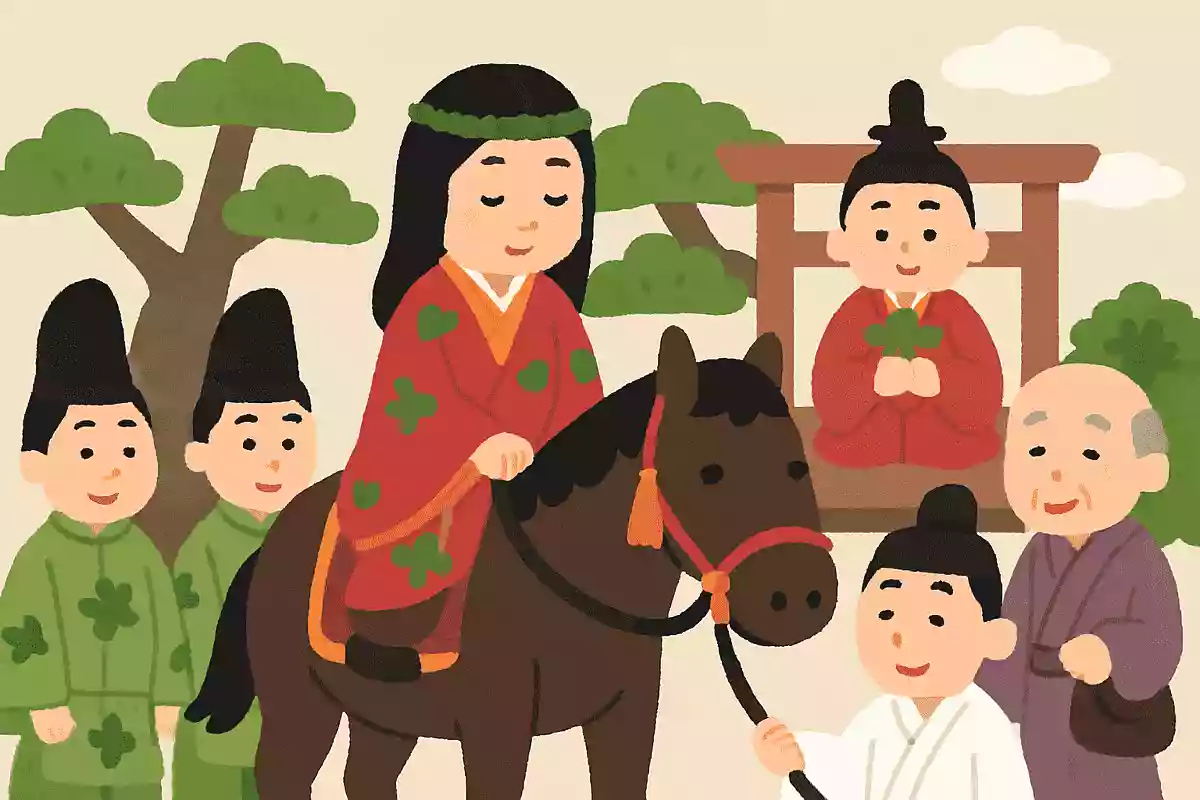
Aoi Matsuri, one of Kyoto’s three major festivals, is held on May 15 and is renowned for its grand procession that departs from the Kyoto Imperial Palace and proceeds to Shimogamo Shrine and Kamigamo Shrine.
Learning about the festival’s origins and background can deepen your appreciation for the season and the event itself.
Its beginnings date back to a time before the Heian period, when it was conducted to pacify the gods with the aim of averting poor harvests and epidemics.
Later, when the festival was revived in the Edo period, hollyhock leaves—futaba-aoi, the crest of the Kamo Shrines—began to be used as decorations.
It is said that this is how the name “Aoi Matsuri” became established.
The origin of ‘noisy’ (literally ‘May flies’)
When you write “urusai” in kanji, it’s written as 「五月蠅い」.
Don’t you wonder why such characters are used? The term was coined long ago: during the rainy season, flies would appear and make a racket, so these characters were applied.
Nowadays we don’t associate May with flies, but in the old lunar calendar, the rainy season fell in the fifth month (May), which is the origin of the term.
By the way, it can also be written as 「煩い」, which has exactly the same meaning as 「五月蠅い」.
Remember whichever is easier for you to write.
In conclusion
This time, we introduced trivia and fun facts related to May.
Things we see every year as a matter of course and words we hear all the time may feel more familiar once you know their meanings and reasons.
Be sure to liven up your conversations with family and friends using the new trivia you’ve learned.