

Bedřich Smetana: A selection of famous and representative works!

Bedřich Smetana was a Czech composer, conductor, and pianist.
He is called the “father of Czech music” as the first composer to write music that expressed Czech identity, and he produced many works.
Among them, many of you may know “The Moldau” from his cycle “Má vlast” (My Homeland).
In this article, we introduce Smetana’s masterpieces and signature works.
From opera to chamber music to piano pieces, there are many works across genres through which you can feel Czech music—be sure to check them out!
- [Smetana’s Piano Works] A curated selection of gems by the composer of the masterpiece “The Moldau.”
- [Masterpiece Classics] A special showcase of gem-like masterpieces so beautiful they’ll move you to tears
- Dvořák’s masterpiece. Popular classical music.
- [Orchestra] Introducing famous and popular pieces
- Sibelius’s famous piece. Popular classical music.
- Mozart: An Introduction to His Signature and Popular Works
- Bedřich Smetana Popular Songs Ranking [2026]
- A masterpiece by Alexander Borodin. Popular classical music.
- Robert Schumann | Introduction to his famous and representative works
- Masterpieces by Gustav Mahler. Popular classical music.
- Highlighting the masterpieces and popular works of Mikhail Glinka, the pioneering composer of Russian music
- Pick up Beethoven’s famous and representative works!
- Cello Masterpieces: A comprehensive introduction to exquisite classical works that let you savor its profound timbre
Bedřich Smetana: Selected Famous and Representative Works (1–10)
From ‘Má vlast’, No. 5 ‘Tábor’Bedřich Smetana

The fifth piece from My Homeland, known as an iconic work of Czech music.
The melody of the Hussite chorale “You Warriors of God” serves as the main theme, symbolically depicting the spirit and struggles of the Hussites during the 15th-century Hussite Wars.
It opens with a powerful melody that musically expresses the courage of the town of Tábor and its inhabitants, as well as the depth of their faith.
This piece is perfect for those who wish to deepen their understanding of Czech history and culture.
Revised in 1881, it was added to Smetana’s catalog of works.
Evoking Czech national consciousness and historical pride, this gem of a masterpiece is imbued with profound love for the homeland.
Symphony of Victory in E major, Op. 6Bedřich Smetana
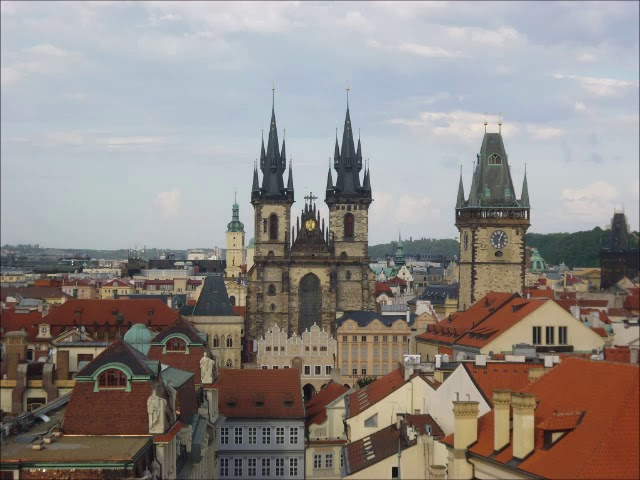
Smetana, hailed as the “father of Czech music,” composed his only symphony between 1853 and 1854.
The first movement opens with a brilliant fanfare quoting the Austrian national anthem, the second features pastoral, beautiful melodies, the third dances along with a light, buoyant rhythm, and the fourth is powerful and majestic—together unfolding a rich and varied musical world.
There is an anecdote that Smetana initially intended to dedicate the work to celebrate the marriage of Franz Joseph I, but the dedication was rejected on the grounds that he was Czech.
Although nationalist elements are understated, this is an ambitious work that showcases the talent of the young Smetana.
String Quartet No. 1 in E minor, “From My Life”Bedřich Smetana

An autobiographical work that expresses the Czech soul through music—that is the String Quartet No.
1 in E minor, “From My Life.” Composed in 1876, this piece portrays Smetana’s life across four movements.
From the passion of his youth and the joys of his early days, to memories of first love and the tragedy of losing his hearing, his life story is told in the language of sound.
Particularly striking is the ringing in the ears depicted in the fourth movement: a sustained high pitch that conveys Smetana’s anguish and resonates deeply with the listener.
Elements of Czech folk music appear throughout, communicating his love for his homeland.
This work lets you truly feel Smetana’s life—be sure to give it a listen.
Bedřich Smetana: Picking Up Famous and Representative Works (11–20)
Dance of the Comedians, Act 3 from the opera The Bartered BrideBedřich Smetana

One of Smetana’s signature works, the opera The Bartered Bride.
The piece that appears in Act 3 is a lively, spirited instrumental number.
It was composed to accompany the scene in which a troupe of traveling performers arrives in the village and puts on a show.
While incorporating elements of Czech folk dance, it avoids direct quotation of folk songs, instead using Smetana’s own compositional techniques to convey the atmosphere of the Bohemian countryside.
Since its premiere in May 1866, it has become one of the most popular numbers in the entire opera and is often performed on its own in concerts.
Highly recommended for anyone interested in Czech music and culture.
First piece from Three Album LeavesBedřich Smetana

From Three Album Leaves (Tři lístky do památníku): No.
1: To Robert Schumann (Robertu Schumannovi).
No.
2: The Traveler’s Song (Píseň pocestného).
No.
3: Hissing, Roaring, Rustling, and Ringing (Je slyšet sykot, hukot, a svist…).
Piano: Filip Martinka.
Three Salon-Style Polkas, Op. 7Bedřich Smetana

This collection of three short pieces is a captivating work that presents the Czech national dance, the polka, in a refined form.
Smetana composed them between 1848 and 1854, and they were published in Prague in 1855.
Each piece has its own character: the first features a bright and brilliant melody, the second a poignant, melancholic theme, and the third a light, lively rhythm.
A masterpiece that blends Czech national character with the elegance of salon music.
Highly recommended not only for piano enthusiasts but also for anyone interested in Czech music.
Šárka, the third movement from My HomelandBedřich Smetana
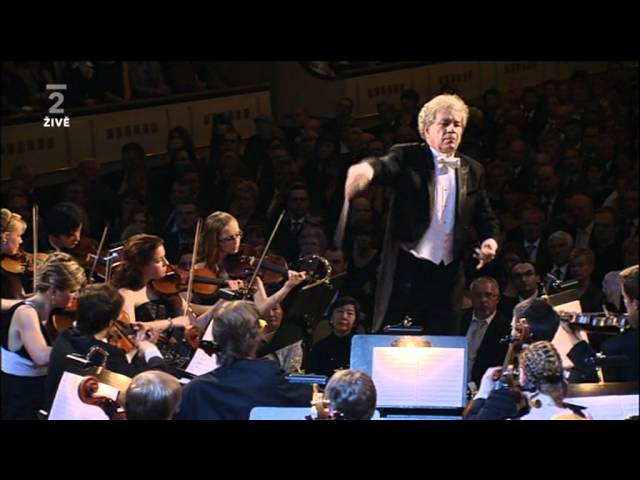
This work depicts the tale of Šárka, the legendary Czech warrior woman.
The music vividly conveys her fierce emotions fueled by revenge, the ruse of intoxicating the enemy and lulling them to sleep, and the final assault scene.
From the intense opening theme, you can feel Šárka’s anger and thirst for vengeance.
In the banquet scene, dance-like rhythms evoke the elation of drunkenness, and the finale escalates to portray the completion of her revenge.
It’s a perfect piece for those who want to enjoy melodies rich in Czech national character and a dramatically unfolding musical narrative.