

Bedřich Smetana: A selection of famous and representative works!

Bedřich Smetana was a Czech composer, conductor, and pianist.
He is called the “father of Czech music” as the first composer to write music that expressed Czech identity, and he produced many works.
Among them, many of you may know “The Moldau” from his cycle “Má vlast” (My Homeland).
In this article, we introduce Smetana’s masterpieces and signature works.
From opera to chamber music to piano pieces, there are many works across genres through which you can feel Czech music—be sure to check them out!
- [Smetana’s Piano Works] A curated selection of gems by the composer of the masterpiece “The Moldau.”
- [Masterpiece Classics] A special showcase of gem-like masterpieces so beautiful they’ll move you to tears
- Dvořák’s masterpiece. Popular classical music.
- [Orchestra] Introducing famous and popular pieces
- Sibelius’s famous piece. Popular classical music.
- Mozart: An Introduction to His Signature and Popular Works
- Bedřich Smetana Popular Songs Ranking [2026]
- A masterpiece by Alexander Borodin. Popular classical music.
- Robert Schumann | Introduction to his famous and representative works
- Masterpieces by Gustav Mahler. Popular classical music.
- Highlighting the masterpieces and popular works of Mikhail Glinka, the pioneering composer of Russian music
- Pick up Beethoven’s famous and representative works!
- Cello Masterpieces: A comprehensive introduction to exquisite classical works that let you savor its profound timbre
Bedřich Smetana: Picking Up Famous and Representative Works (11–20)
From ‘Má vlast’ — No. 6 ‘Blaník’Bedřich Smetana

From Má Vlast (My Homeland), No.
6: Blaník.
Blaník is a mountain in the Central Bohemian Region.
Smetana wished it to be performed together with No.
5, Tábor.
The performance is by the Second Queensland Youth Orchestra, conducted by Sergei Vkorschmin.
Memories of Bohemia in Polka Form, Op. 12 No. 1Bedřich Smetana

A solo piano piece that adopts the form of the polka, a Czech national dance.
While light and rhythmic, it also conveys lyricism and depth.
Its distinctive, wistful melodies evoke the beautiful landscapes of Bohemia and the lives of its people.
Composed between 1859 and 1860 and published in Prague in 1863, the work fuses elements of Czech folk music with characteristics of Romantic music.
Cherished within 19th-century salon culture, it helped popularize the charm of the polka.
Infused with love for the homeland and respect for folk music, it is a piece that reflects the rich tradition of Czech music.
String Quartet No. 2 in D minorBedřich Smetana

This is a masterpiece Smetana left in his later years.
Despite suffering from hearing impairment, he expresses intense emotions within a free form in this work.
Consisting of four movements, it is particularly the first movement that depicts mental turmoil and presents a challenge to performers.
Completed in March 1883, the piece later influenced Expressionist music and is said to have inspired Schoenberg.
With its free expression that transcends traditional musical structures and its profound emotion, the work vividly reflects the composer’s inner conflicts and suggests new possibilities for classical music.
Fantasia on a Czech Folk SongBedřich Smetana

Fantasia on Czech Folk Songs (Koncertní fantasie na české národní písně).
From a leisurely melody, a rhythmic and bright theme is woven in and layered over it.
Piano performance by Jan Vojtěch, from a concert in Tel Aviv, Israel.
Symphonic Poem “Wallenstein’s Camp,” Op. 14Bedřich Smetana

Here is a symphonic poem etched into the history of Czech music.
It opens with a rugged introduction by percussion and brass, followed by strings carrying the melody.
Folk-like themes in the woodwinds and a solo violin appear, offering a captivating array of timbres and dramatic developments.
Composed between 1858 and 1859, the work portrays the figure of a mercenary captain active during the Thirty Years’ War and reflects the political climate of the time.
Smetana wrote it while staying in Sweden, and at about 15 minutes in duration, it is a significant piece that reveals the growth of his compositional technique and expressive power.
Be sure to give it a listen.
From the opera “The Bartered Bride,” Act II: “Duet of Kecal and Jeník”Bedřich Smetana

From the opera The Bartered Bride (Prodaná nevěsta), Act 2: the duet between Kecal and Jeník.
The scene depicts Kecal trying to make Jeník give up his lover.
Kecal (bass): Franz Havlata; Jeník (tenor): Jorma Silvasti.
Bedřich Smetana: A selection of famous and representative works (21–30)
Symphonic Poem ‘My Homeland’ — The MoldauBedrich Smetana
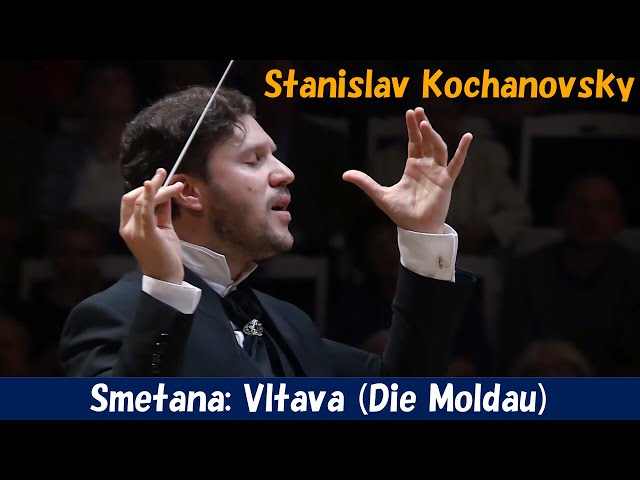
Bedřich Smetana was a Czech composer.
Because German was the dominant language at the time he composed, the piece is known by the German title “The Moldau,” but its original name is the Czech “Vltava.” It’s a very famous work—its beautiful, majestic music is even included in middle school textbooks.