

Bedřich Smetana: A selection of famous and representative works!

Bedřich Smetana was a Czech composer, conductor, and pianist.
He is called the “father of Czech music” as the first composer to write music that expressed Czech identity, and he produced many works.
Among them, many of you may know “The Moldau” from his cycle “Má vlast” (My Homeland).
In this article, we introduce Smetana’s masterpieces and signature works.
From opera to chamber music to piano pieces, there are many works across genres through which you can feel Czech music—be sure to check them out!
- [Smetana’s Piano Works] A curated selection of gems by the composer of the masterpiece “The Moldau.”
- [Masterpiece Classics] A special showcase of gem-like masterpieces so beautiful they’ll move you to tears
- Dvořák’s masterpiece. Popular classical music.
- Mozart: An Introduction to His Signature and Popular Works
- [Orchestra] Introducing famous and popular pieces
- Sibelius’s famous piece. Popular classical music.
- Bedřich Smetana Popular Songs Ranking [2026]
- A masterpiece by Alexander Borodin. Popular classical music.
- Robert Schumann | Introduction to his famous and representative works
- Masterpieces by Gustav Mahler. Popular classical music.
- Highlighting the masterpieces and popular works of Mikhail Glinka, the pioneering composer of Russian music
- Pick up Beethoven’s famous and representative works!
- [Tchaikovsky] Pick up famous and representative pieces!
Bedřich Smetana: A selection of famous and representative works (21–30)
My Homeland, No. 1: The High CastleBedrich Smetana

The most famous piece in My Homeland is, of course, the second movement, Vltava (The Moldau), but the first movement, Vyšehrad (The High Castle), also has remarkable perfection.
The beauty of the graceful melody played by the harp at the beginning makes me sigh every time I hear it.
It’s a piece that resets my mind when I’m tired.
“The Moldau” from “Má vlast”Bedrich Smetana

A beautiful masterpiece depicting the landscapes surrounding the Vltava (Moldau) River flowing through Prague.
It passes through forests, by a farmhouse wedding, and at night water nymphs dance in the moonlight…
such scenes vividly come to mind.
It is a work filled with Smetana’s love for his homeland.
[Bedřich Smetana] Picking Up Masterpieces and Signature Works! (31–40)
Vltava (Moldau)Bedrich Smetana

This is a cycle of symphonic poems composed between 1874 and 1879 by Bedřich Smetana, a leading Czech composer who also took part in the movement for national independence.
Among the works in Má vlast (My Country), the most famous is “Vltava (The Moldau).” Even if you don’t know the piece in detail, you may have at least heard its title.
It begins in a minor key that feels calm yet buoyant; after a while, the strings layer upon one another, creating a solemn sound image that conjures green landscapes and the flow of a river.
It seems to depict the current of the Vltava River itself, and you may sense a certain pastoral nostalgia.
With its brilliant latter half in a major key and its distinct palette of colors, the piece can be called a second national anthem of the Czech Republic, imbued with Smetana’s patriotism.
It is a masterpiece that evokes the beauty of autumnal scenery and invites careful, lingering listening.

Symphonic Poem “Má vlast” No. 2 “Vltava (The Moldau)”Bedrich Smetana

The second piece of the symphonic poem Má vlast, Vltava (The Moldau), is the most famous of Smetana’s works.
It depicts two small streams merging into a single current that flows through forests and meadows, past the ruins of a castle, widening as it goes, and finally disappearing into a larger river.
The opening theme has become familiar in arrangements for solo song and chorus, and has also been adapted into jazz, rock, and popular music.
From the symphonic poem cycle My Fatherland, No. 2: The MoldauBedrich Smetana

Smetana was a composer from the Czech Republic.
While working as a piano teacher in Sweden, he grew nostalgic for his homeland and composed the cycle of symphonic poems Má vlast (My Homeland).
In Vltava (The Moldau), the course of the Vltava River is depicted as it flows from south to north through central Bohemia, interwoven with myth, legend, and history.
Symphonic Poem “The Moldau” from My HomelandBedrich Smetana
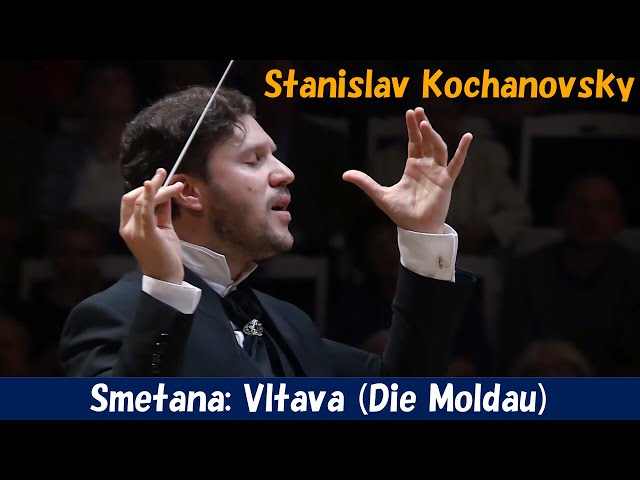
This is a classical masterpiece that enhances concentration during long periods of studying or desk work.
Centered on the familiar choral theme of “The Moldau,” the atmosphere created by the orchestra and the steady progression of the piece remain engaging without becoming distracting, providing just the right amount of mental stimulation to boost motivation and help you keep working.
Two Polkas: From Memories of Bohemia in the form of a Polka, Op. 12-2; and From Three Salon Polkas, Op. 7-2Bedřich Smetana

Two Polkas: In E minor, Op.
12-2, from Memories of Bohemia in the Form of Polkas (Vzpomínky na Čechy ve formě polek), and In F minor, Op.
7-2, from Three Salon Polkas (Tři salonní polky).
One senses lyricism, vitality, and the richness of Bohemia’s natural landscape.
Piano: Maria Jenina.