

[Tchaikovsky] Pick up famous and representative pieces!

Pyotr Ilyich Tchaikovsky, a towering composer who represents Romantic-era Russia.
From ballet music such as Swan Lake and The Sleeping Beauty to works like the Piano Concerto No.
1 and several symphonies, he created numerous masterpieces that continue to be loved to this day.
Tchaikovsky’s music conveys richly colored, delicate melodies and a brilliant, dramatic musicality.
In this article, we introduce Tchaikovsky’s celebrated and representative works.
We’ve selected pieces ranging from famous tunes to lesser-known gems worthy of being called masterpieces—be sure to check them out!
- Rachmaninoff’s masterpieces. Recommended pieces by Rachmaninoff.
- Classical Masterpieces: Recommended Works You Should Hear at Least Once
- [Orchestra] Introducing famous and popular pieces
- Bedřich Smetana: A selection of famous and representative works!
- Highlighting the masterpieces and popular works of Mikhail Glinka, the pioneering composer of Russian music
- Debussy’s masterpiece. Popular classical music.
- Classic masterpieces recommended for women
- Rimsky-Korsakov’s Masterpieces | The Vividly Colorful World of Russian Music
- Robert Schumann | Introduction to his famous and representative works
- Masterpieces of Ballet Music: Introducing Classic Favorites
- Masterpieces of the Romantic Era: A sweeping introduction to soul-stirring, celebrated gems!
- Pick up Beethoven’s famous and representative works!
- Stravinsky’s masterpiece. Popular classical music.
[Tchaikovsky] A Selection of Famous and Representative Works (101–110)
Variations on a Rococo Theme in A major, Op. 33Pyotr Tchaikovsky

It is “Variations on a Rococo Theme in A major, Op.
33,” composed by Pyotr Ilyich Tchaikovsky.
Written in A major for cello and orchestra, it is also sometimes translated as “Variations on a Rococo-Style Theme.” Consciously evoking the 18th century, when the Rococo style flourished, it was conceived for a small orchestral ensemble.
12 Easy Pieces of Intermediate Level, No. 2 “Sad Song,” Op. 40-2Pyotr Tchaikovsky

No.
2 “Sad Song” from Twelve Easy Pieces, which is also widely known in its arrangement for cello.
It is a calm and beautiful work that conveys not only a sorrowful atmosphere but also feelings of joy and happiness.
With its relaxed tempo, it is accessible even to beginner pianists, though the left-hand accompaniment leaps may feel challenging.
Try isolating the left-hand part and getting the distances into your body before attempting to play with both hands together.
As you become more comfortable, pay attention to balancing the dynamics so the left hand does not drown out the right-hand melody.

12 Easy Pieces for Intermediate Level No. 6 “Song Without Words,” Op. 40-6Pyotr Tchaikovsky

As the title suggests, “12 Pieces of Intermediate Level No.
6: ‘Song Without Words,’ Op.
40-6” is a work composed for intermediate players.
Although it is relatively obscure, it offers a well-balanced level of difficulty that serves as a rite of passage for intermediates.
The challenge of this piece lies in its rhythm.
From the very beginning, it introduces rhythms that are hard to keep steady, which can make it quite unpleasant for those who tend to get nervous in performance.
However, as you transition from intermediate to advanced, complex meters like 7/8 are inevitable.
If you memorize it thoroughly and understand the structure of the piece before playing, it doesn’t demand particularly advanced technique, so you will certainly be able to perform it.
Give it a try.

Symphony No. 6 “Pathétique”Pyotr Tchaikovsky
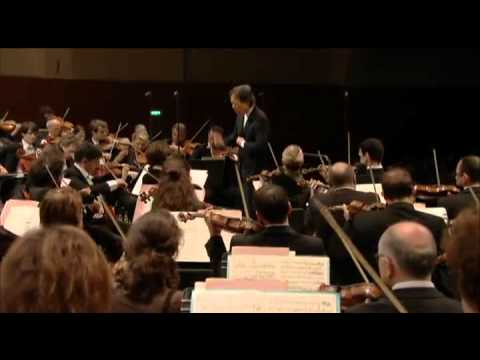
Symphony No.
6 “Pathétique” by the Russian composer Pyotr Ilyich Tchaikovsky—who left many grand works such as the ballet music Swan Lake—was his final composition and is counted among the representative symphonies of the late 19th century.
Tchaikovsky is said to have written in a letter that he was “prouder of this than any other work,” suggesting it was a piece in which he took great confidence.
Particularly famous is the fourth movement, which, true to its subtitle, is suffused with pathos.
Why not quietly savor its heartbreakingly beautiful harmonies that seem to pierce the soul?
The Seasons, November: Troika, Op. 37b No. 11Pyotr Tchaikovsky

When it comes to Tchaikovsky’s piano pieces—famous for his ballet music—many people think of The Seasons.
As the title suggests, The Seasons is a set of 12 pieces depicting the Russian seasons, each inspired by poems by Russian poets, with the titles reportedly chosen by Tchaikovsky himself.
Among them, the well-known November: Troika demands an intermediate level of technique within the set, so beginners may find it challenging.
In particular, the striking high-register melody in the middle section in G major, which uses staccato effectively, requires precise rhythm.
That said, rather than advanced technique, it’s a work where Romantic expressivity is key.
So instead of playing rigidly, picture three horses trotting briskly through the snow, and start by practicing slowly with that scene in mind!

[Tchaikovsky] Pick up famous and representative pieces! (111–120)
Album for the Young, Op. 39, No. 8: WaltzPyotr Tchaikovsky

From Pyotr Ilyich Tchaikovsky’s Album for the Young, we present the solo piano piece Waltz.
This piece is included in the lovingly crafted collection that the 19th-century Russian composer dedicated to his then seven-year-old nephew.
Its gentle, clear melody conveys childlike innocence and delicate charm.
Though it may seem challenging, the relaxed 3/4 time actually makes it easy to play, making it a good choice for piano beginners.
Carried by the graceful atmosphere of a waltz, you can experience in sound the innocent and endearing world of childhood.
Album for the Young: 24 Easy Pieces, Op. 39, No. 9 — The New DollPyotr Tchaikovsky

This is a classical piano etude by the composer Tchaikovsky, famed for The Nutcracker.
It’s a perfect piece for beginners to practice fingerings while they’re still getting used to the keyboard.
Try expressing on the piano the image of a young girl excitedly playing with her new doll.