

Masterpieces of classical piano that are too beautiful for words. A gathering of delicate tones that cleanse the soul.


The piano is a captivating instrument that transforms into a variety of expressions depending on the performer and the manner of interpretation.
Its delicate yet dynamic grace and its ineffable depth—paired with a vast palette of tones and rich resonance—are said to rival an entire orchestra with a single instrument.
This time, from among works that allow you to fully savor the piano’s timbre, we have selected pieces with a focus on “beauty.”
Whether you love to play the piano or to listen to it, we hope you will immerse yourself in its allure, savoring each delicate note one by one.
- Poignant and beautiful! A collection of recommended piano pieces
- It’s so cool if you can play these on the piano! A selection of irresistibly charming masterpieces.
- [Classical Piano Masterpieces] A carefully selected collection of moving pieces that will bring you to tears
- [For Adults] Recommended for Piano Recitals! A Curated Selection of Impressively Sounding Masterpieces
- Piano Masterpieces: Surprisingly Easy Despite Sounding Difficult!? A Curated Selection Perfect for Recitals
- [Masterpiece Classics] A special showcase of gem-like masterpieces so beautiful they’ll move you to tears
- [For Advanced Players] A Curated Selection of Classical Masterpieces to Tackle at Piano Recitals
- [Intermediate Level] A curated selection of piano masterpieces featuring strikingly brilliant melodies!
- [Calming Classics] Soothing masterpieces whose piano melodies gently touch the heart
- [Classical Music] All pieces under 3 minutes! A collection of short and cool piano pieces
- [Intermediate Level] Cool Piano Pieces You Can Play [Great for Recitals Too]
- Piano Masterpieces: Music you’ll want to listen to and play—beloved classic works
- Today's Piano: Masterpieces and Popular Pieces Woven with Delicate Tones
Masterpieces of classical piano that are too beautiful for words: a gathering of delicate, cleansing tones (101–110)
Songs Without Words, Book 4, Op. 53 No. 4, Sorrow of the HeartFelix Mendelssohn

From the piano collection Songs Without Words, whose delicate, introspective melodies touch the heart, this piece stands out for the serene beauty of its Adagio.
Its gently flowing line carries deep sorrow and melancholy; published in 1841, the work remains calm while containing powerful emotional expression.
As the right hand sings a graceful melody, the left hand supports it softly, like a heartbeat.
Suited to a composed, reflective performance, it is recommended for those who want to fully savor the allure of Romantic music and value nuanced expression.
Despite its simple structure, it offers rich musicality.
Three Sonatas for Children, Op. 11, No. 2: “3. Evening Song” Op. 118b-3Robert Schumann

A piece whose gentle character wraps the calm of the evening in piano melodies.
Composed in 1853 by Schumann as an educational work for his own children, it is technically approachable and well-suited for beginners.
Its leisurely tempo carries a soothing sense of comfort.
Ideal for cultivating delicate expressiveness, it’s recommended for those who value the beauty of tone.
Written with home performance in mind, its warmth makes it perfect for practicing in a relaxed atmosphere.
As an introductory piece that offers a glimpse of Schumann’s poetic sensibility, it’s well worth the challenge.
Songs Without Words, Book V, Op. 62 No. 5, No. 3: “Venetian Boat Song”Felix Mendelssohn

This is a piece from Felix Mendelssohn’s celebrated collection of piano miniatures, the masterpiece “Lieder ohne Worte” Op.
62.
The 6/8 accompaniment in the left hand deftly depicts a gondola gliding along the canals of Venice, while the right hand sings a melody like a plaintive song echoing over the water.
Its appeal lies in the way it conveys a poised dignity and elegance within sorrow, rather than being merely dark.
Published in 1844, this set is dedicated to Clara Schumann.
It is recommended for those times when you don’t want to force yourself to feel cheerful, but instead wish to surrender to this beautiful melody and savor the sensation of quietly sinking into the depths of your heart.
Sonatine in F-sharp minor, M. 40 — I. ModeratoMaurice Ravel

A work by Maurice Ravel in which a delicate, glass-like beauty gleams within the plaintive resonance of F-sharp minor.
Woven with rich harmonies within a classical framework, the piece achieves an exquisite balance between quiet melody and intricate ornamentation, revealing Ravel’s perfectionist side.
Officially published in November 1905, it was later choreographed as a ballet as well, allowing its fragile musical world to be expressed in various forms.
With a character that seems to console a sorrowful heart, it’s recommended for moments when you wish to gaze quietly at your innermost feelings.
You might also find it rewarding to surrender yourself to its architectural beauty.
Songs Without Words, Book II, Op. 30, No. 1: MeditationFelix Mendelssohn
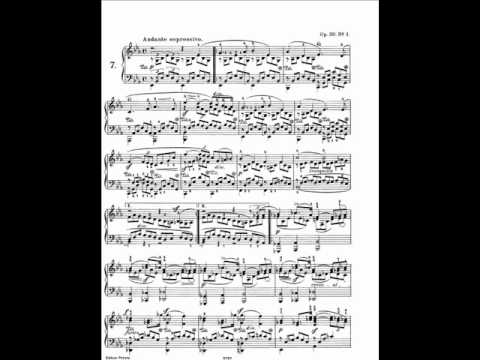
This work, notable for its slow and gentle melody in E-flat major, is one of the pieces from the Songs Without Words published in Bonn in May 1835.
Evoking the atmosphere of quiet meditation, it combines rich lyricism with relatively modest technical demands.
Cast in ternary form, it features a coherent structure and simple yet profound emotional expression, making it a valuable teaching piece for developing a pianist’s expressiveness.
It is an ideal choice for those looking to broaden their repertoire or seeking a calm, reflective piece.
Livia Rév’s 1986 recording received France’s Grand Prix du Disque and is highly acclaimed for its delicate interpretation.