

[For Kids] January Trivia Quiz & Fun Facts: Learn About the New Year in a Fun Way

January, when the New Year begins, is a month packed with Japanese traditional events and customs, isn’t it? In this article, we’ve prepared kid-friendly trivia quizzes and fun facts about the New Year and January that children can enjoy while naturally learning more and more.
It’s full of little-known January tidbits—like the secrets of osechi cuisine and New Year’s games, as well as New Year’s traditions across Japan and around the world! How about kicking off the new year with smiles by trying quizzes that will spark lively family conversations?
- Fun facts you’ll want to share! January trivia and tidbits special
- [For Elementary School Kids] A New Year’s Quiz Everyone Can Enjoy! Learn surprising fun facts with multiple-choice questions
- So interesting you’ll want to tell someone! December Trivia & Fun Facts Special
- New Year party games that get everyone excited: a fun collection of ideas from classics to DIY
- [For Kids] December Trivia Quiz & Fun Facts! Learn about seasonal events and traditions!
- Trivia quiz with useful tips to know: fun facts that come in handy at school or at home [for kids]
- [For Kids] Today’s Quiz Roundup: Let’s play quizzes about today! [March 2026]
- Let's get excited with a New Year quiz! General questions about the Japanese New Year
- New Year’s Games: Traditional Play and Fun Activities That Excite Everyone from Kids to Adults
- [For Elementary School Students] Trivia About April
- [For Elementary School Students] Animal Quiz to Learn Knowledge and Fun Facts
- [For Kids] November Trivia Quiz & Fun Facts: Let’s Learn While Having Fun!
- Recommended in March! A collection of surprising, little-known trivia that elementary school students will want to share
[For Kids] January Trivia Quiz & Fun Facts: Learn About the New Year in a Fun Way (41–50)
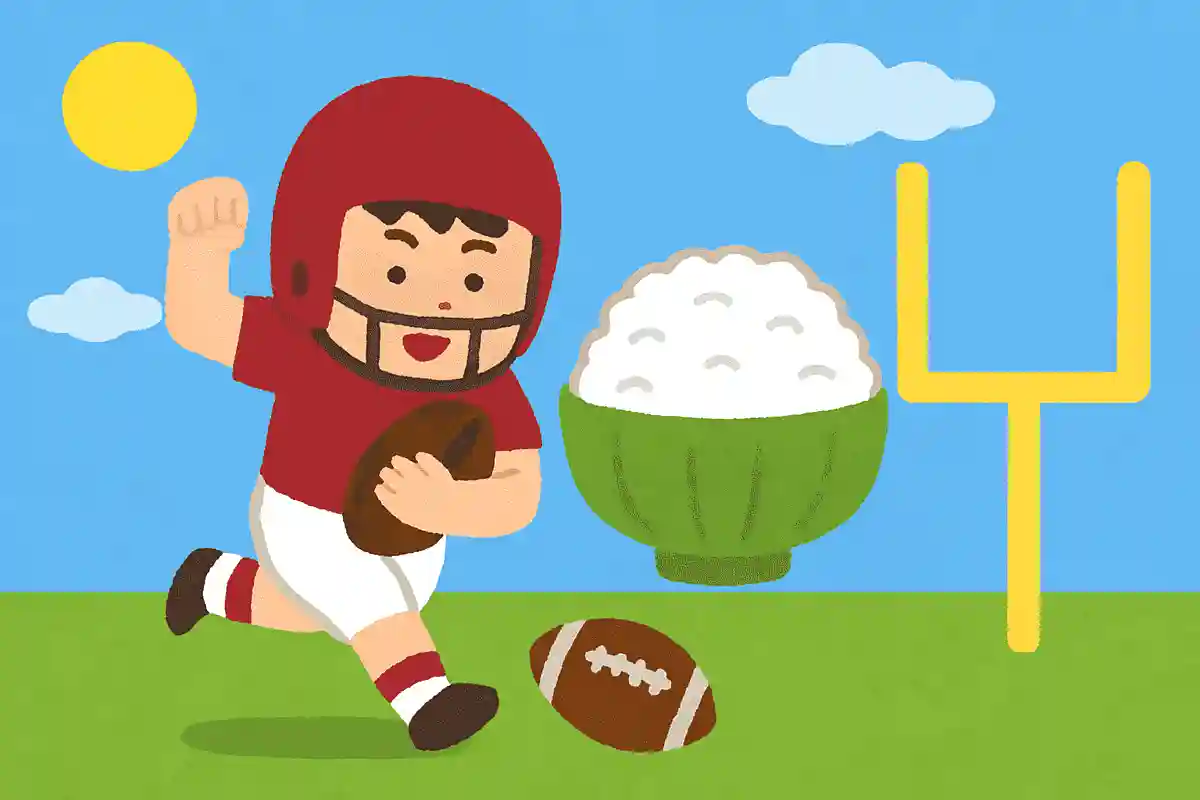
What sport is the “Rice Bowl,” held every January, a tournament for?
- hockey
- baseball
- American football
See the answer
American football
The game where the top team from the corporate league faces the No. 1 college team is called the Rice Bowl. You could say it’s the true national championship of Japan. From 2009 to 2023, corporate teams have won 15 straight times, but college teams—like Kyoto University and Nihon University—have also notched plenty of victories. I’m excited for this year’s Rice Bowl, too! By the way, the championship game in the United States is called the Super Bowl.
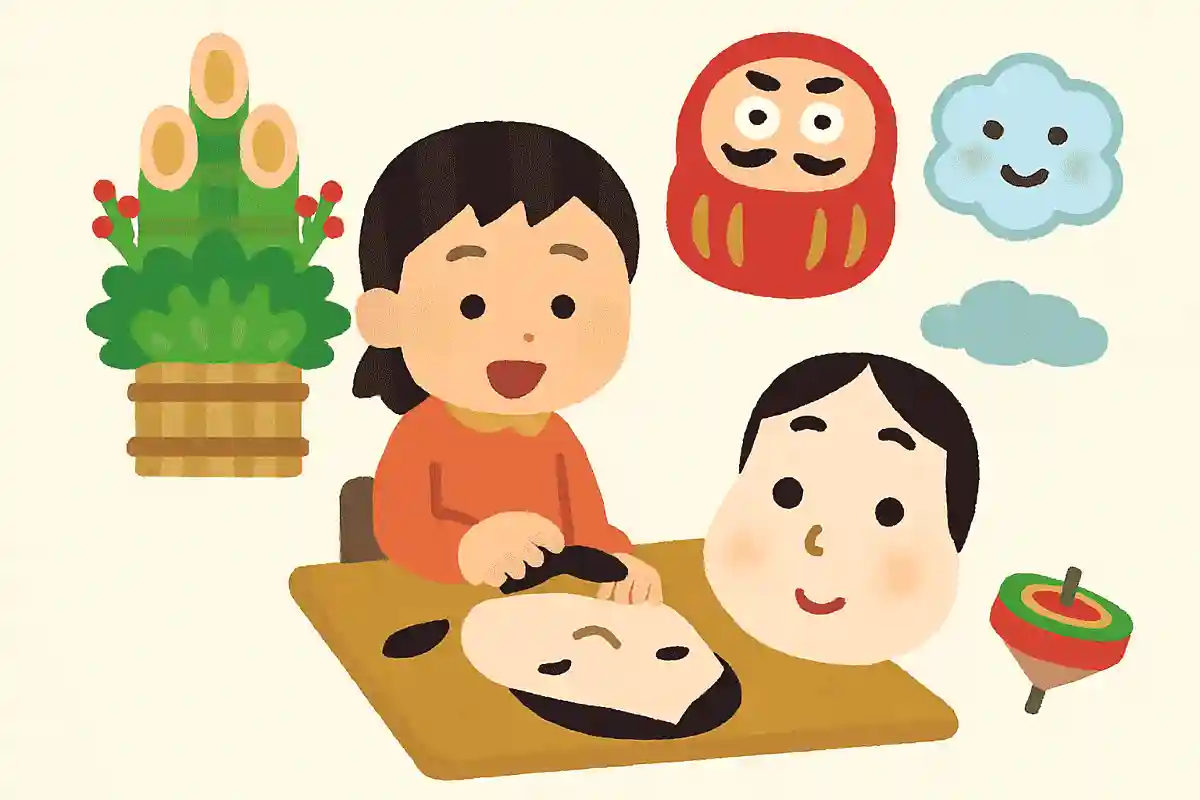
Since what era has Fukuwarai been played?
- Heian period
- Edo period
- Showa era
See the answer
Edo period
Taking advantage of being blindfolded, some people probably make funny faces on purpose. It isn’t entirely clear why such fukuwarai became established as a New Year’s custom. Like the proverb “Good fortune comes to a laughing household,” perhaps laughter is considered auspicious, which is why it took root during the New Year.
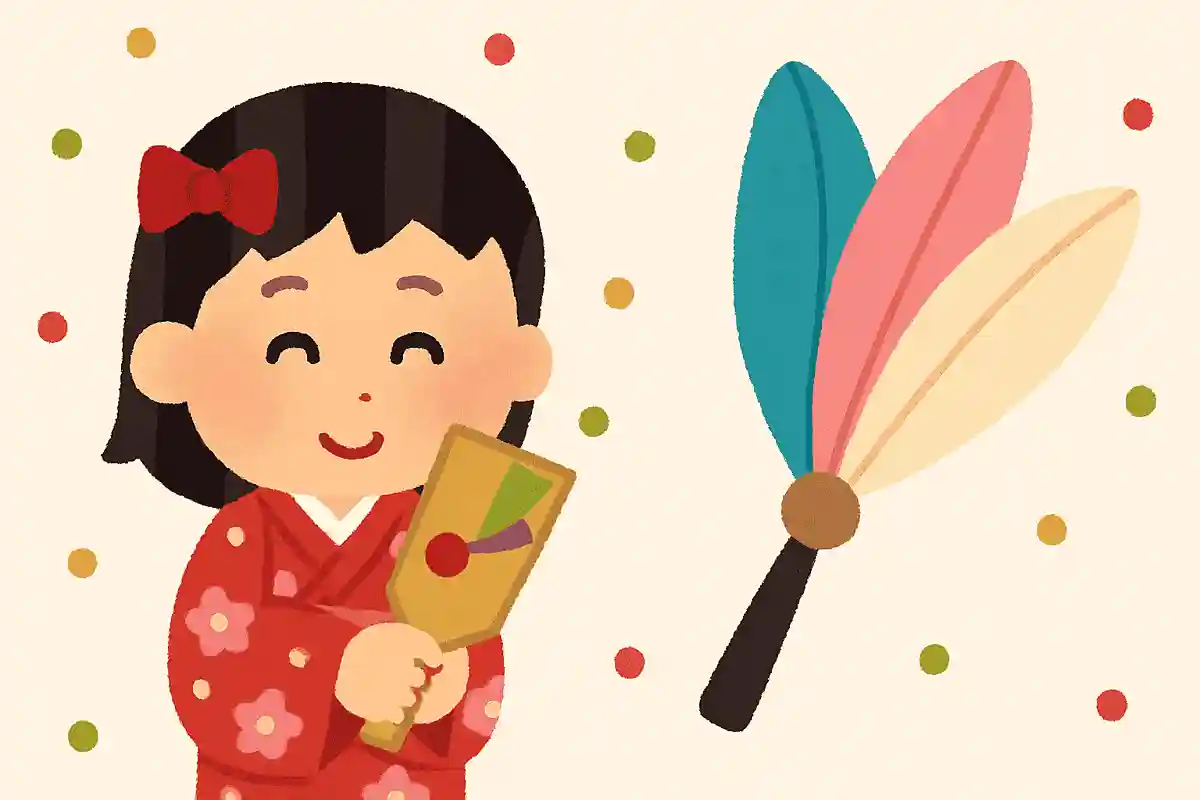
What do the wings in hanetsuki take as their motif?
- peacock
- dragonfly
- butterfly
See the answer
dragonfly
Because their fluttering resembled a dragonfly in flight, the shuttlecocks used in the traditional game Hanetsuki were likened to dragonflies. Dragonflies were considered beneficial insects that prey on mosquitoes, and people imbued them with the wish, “May children not be bitten by bugs.” In an era before insect-repellent sprays, parents wished for their children’s safety in every way they could.
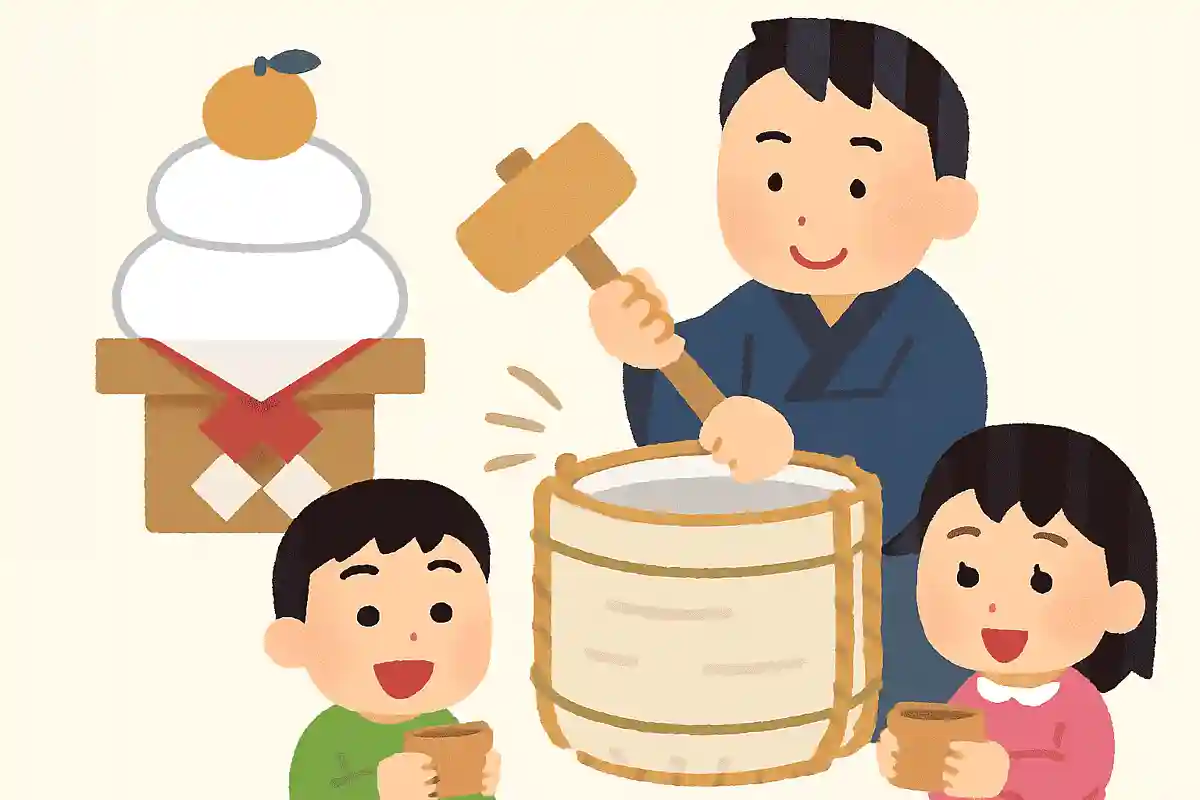
What do people do for Kagami-biraki?
- Eat Kagami mochi
- Replace the mirror
- Clean all the mirrors in the house
See the answer
Eat Kagami mochi
Kagami-biraki is the custom of eating the kagami mochi that was offered for New Year. It’s generally done on January 11, though the date varies by region—some do it on the 15th or the 20th. It’s not just about eating; it also carries a wish for good fortune to open up over the coming year. Because the word “to cut” is considered inauspicious, the word “to open” is used instead.
In Denmark, what do people throw at houses on New Year’s?

- plate
- coin
- bread
See the answer
plate
In Denmark, there used to be a custom of throwing and smashing ceramics or plates at the front doors of close friends and neighbors on New Year’s and New Year’s Eve. I’ve heard it now only remains in some regions. It was believed that the more broken plates there were, the more good luck would come. It sounds a bit dangerous, perhaps, but kind of fun, doesn’t it? Good kids, don’t try this at home!
In conclusion
Through trivia quizzes and fun facts about January, you may have discovered something new about New Year’s and the events of January.
Even the things we casually see during the New Year actually carry deep meanings.
Beyond enjoying them as quizzes for children, perhaps they also became a chance for families to talk about Japan’s traditional culture.
As you welcome the start of a new year, be sure to enjoy these little nuggets of knowledge!