

Classical masterpieces. Recommended classical music.


Classical music created by various musicians over a long history.
From pieces whose beautiful melodies bring peace of mind to those whose grandeur overwhelms you, the range is truly diverse.
With so much out there, many people may feel, “I want to listen, but I don’t know where to start.”
For you, we’ve picked out some recommendations to get you started—“Begin with these!”
Please take a moment to enjoy the world of classical music that continues to be loved across the ages.
- [Orchestra] Introducing famous and popular pieces
- Cool classical masterpieces. Recommended classical music.
- Mozart: An Introduction to His Signature and Popular Works
- Classical Masterpieces: Recommended Works You Should Hear at Least Once
- Debussy’s masterpiece. Popular classical music.
- Timelessly beautiful classical masterpieces. Recommended classical music.
- Brahms's masterpieces. Popular classical music.
- Classical music by Japanese composers. Recommended classical music.
- [Violin] A curated selection of beloved classic masterpieces and popular pieces that continue to be cherished across eras
- [Masterpiece Classics] A special showcase of gem-like masterpieces so beautiful they’ll move you to tears
- A poignant classic masterpiece. Recommended classical music.
- [François Couperin] Introducing famous and popular pieces by the composer who loved the harpsichord
- Classic masterpieces recommended for women
Classical masterpieces. Recommended classical music (91–100)
Prelude from the opera ‘Die Meistersinger von Nürnberg’Richard Wagner

Although Wagner composed many operas based on myths and legends, this opera is unusual in that it takes history as its subject.
It tells the story of the real-life Meistersinger Hans Sachs as its protagonist.
There is a song contest in which the winner is granted the “right to propose to Eva.” Walter, who is in love with Eva, is given the “right to sing” at the contest and wins brilliantly, leading to Walter and Eva being united.
The prelude is bright and forward-driving, emblematic of an opera that unfolds as a lively, energetic human drama.

Bridal Chorus from the opera LohengrinRichard Wagner

It’s a piece you’ve probably heard at least once, as it’s often performed at weddings.
The story is set in the Duchy of Brabant and revolves around various intrigues concerning the throne.
This song is sung during the wedding ceremony of Lohengrin, the Knight of the Swan, and Elsa, the princess of the Duchy of Brabant.
Scenes from Lohengrin are depicted inside Neuschwanstein Castle, which is said to have inspired Disneyland’s Cinderella Castle, and you can still see them today.
‘Of Foreign Lands and Peoples’ from ‘Scenes from Childhood’Robert Schumann

Scenes from Childhood consists of 13 pieces, each with its own title.
The seventh piece, Träumerei, is popular, but the first piece, Of Foreign Lands and Peoples, is also well loved.
It seems to evoke children listening raptly to adults’ tales of distant countries.
Classical Masterpieces: Recommended Classical Music (101–110)
“Flight” from Fantasiestücke, Op. 12Robert Schumann

The powerful opening melody is well known.
The motif that feels like several run-ups attempting to take flight, and the ending where the opening melody is abruptly cut off, are also striking.
This piece is often performed on its own; it’s flashy and involves a lot of fingerwork, making it well-suited for concerts.
Prelude Op. 23 No. 5Sergei Rachmaninov
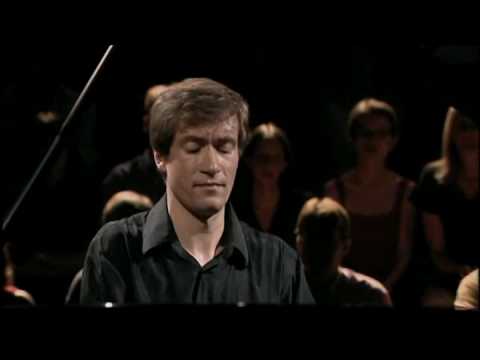
Speaking of Rachmaninoff, while the Piano Concerto that Nodame and Chiaki played in Nodame Cantabile is popular, this piece is actually well-loved too.
Its catchy, brisk rhythm runs from beginning to end.
It’s straightforward, full of drive, and emotionally expressive—a piece with many different shades.
Easter from a Fantastical PaintingSergei Rachmaninov

Each piece in Fantastical Pictures is a duet for two pianos.
The work depicts the journey toward a “holy victory,” as chants from the Russian Orthodox Easter and the resonance of bells are repeated and layered ever more thickly.
One is overwhelmed by the solemn peal of the bells.
Queen of the Night Aria from the opera The Magic FluteWolfgang Amadeus Mozart

Among Mozart’s operas, The Magic Flute is especially popular.
In it, this aria is sung in the scene where the Queen of the Night, seeking revenge, orders her daughter Pamina to kill her nemesis Sarastro.
It is notoriously difficult because it requires precise control of extremely high notes, and it is said that only a small number of sopranos can sing it well.
