

Classical masterpieces. Recommended classical music.


Classical music created by various musicians over a long history.
From pieces whose beautiful melodies bring peace of mind to those whose grandeur overwhelms you, the range is truly diverse.
With so much out there, many people may feel, “I want to listen, but I don’t know where to start.”
For you, we’ve picked out some recommendations to get you started—“Begin with these!”
Please take a moment to enjoy the world of classical music that continues to be loved across the ages.
- [Orchestra] Introducing famous and popular pieces
- Cool classical masterpieces. Recommended classical music.
- Mozart: An Introduction to His Signature and Popular Works
- Classical Masterpieces: Recommended Works You Should Hear at Least Once
- Debussy’s masterpiece. Popular classical music.
- Timelessly beautiful classical masterpieces. Recommended classical music.
- Brahms's masterpieces. Popular classical music.
- Classical music by Japanese composers. Recommended classical music.
- [Violin] A curated selection of beloved classic masterpieces and popular pieces that continue to be cherished across eras
- [Masterpiece Classics] A special showcase of gem-like masterpieces so beautiful they’ll move you to tears
- A poignant classic masterpiece. Recommended classical music.
- [François Couperin] Introducing famous and popular pieces by the composer who loved the harpsichord
- Classic masterpieces recommended for women
Classical Masterpieces: Recommended Classical Music (101–110)
regretTaki Rentarō

The posthumous work of Rentarō Taki, famed for his children’s songs.
He was also the first Japanese composer to write a piano solo piece, and this work is likewise for piano.
The title may sound ominous, but the music unfolds with a sad yet beautiful melody, as if sublimating the regret brought on by illness.
The Tale of the Bamboo CutterKishi Koichi

A violin piece by Koichi Kishi, who was also a violinist, in which Western-style and Japanese-style melodies blend naturally and effortlessly, making it very easy to listen to.
It became world-famous when it was performed at the celebration party for Hideki Yukawa’s Nobel Prize.
Nirvana SymphonyMayuzumi Toshirō

A single piece that’s almost too avant-garde: by Toshiro Mayuzumi—composer and the first and longest-serving host of “Untitled Concert”—it tries to produce bell-like sounds with an orchestra, and even brings in Buddhist shōmyō chanting mid-piece.
Listening to it feels almost trance-inducing.
Symphony No. 5 “Revolution”Dmitri Shostakovich

A rare symphony in which every movement is relatively well-known, thanks to appearances in films, TV dramas, and anime.
At the time it was composed, friends and acquaintances of Shostakovich were caught up in Stalin’s Great Purge, and Shostakovich’s own position was quite precarious, but the success of this piece safely restored his reputation.
Love’s GreetingEdward William Elgar

Elgar’s Salut d’Amour: he presented this piece in 1888 as an engagement gift to Caroline Alice Roberts, defying opposition from her relatives who disapproved of their relationship.
It overflows with Elgar’s deep affection for Alice.
Listening to it gently softens the heart.
It’s a favorite among female violinists and is often featured in concerts.
You’ll also hear it frequently in films and on television.
“Vltava (The Moldau)” from the symphonic poem cycle “Má vlast (My Homeland)”Friedrich Smetana
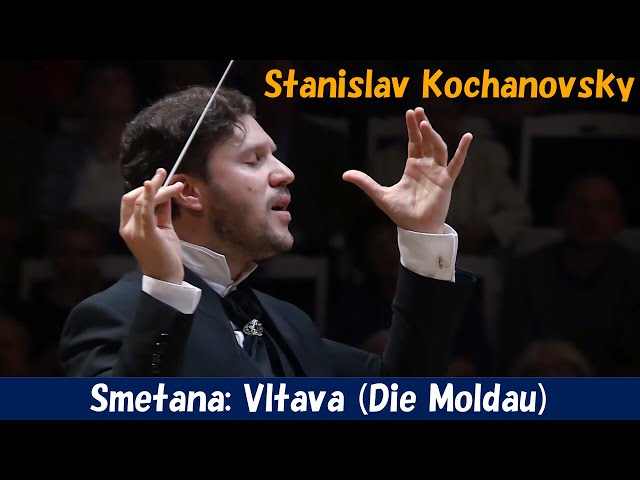
This is the original piece of “The Moldau,” a classic for choral competitions.
Some of you may have sung it in middle school.
It depicts the scenery of the Vltava River, which gathers waters from the Bohemian Basin and becomes a majestic flow.
While the river is one of the symbols of the Czech Republic, “Moldau” is actually the German name; in Czech, it is called “Vltava.”
Classical masterpieces. Recommended classical music (111–120)
Farandole from L’Arlésienne Suite No. 2Georges Bizet

The work “L’Arlésienne” consists of the First Suite and the Second Suite.
The Farandole is the fourth piece in the Second Suite.
Alongside the opera “Carmen,” it is one of Bizet’s most popular pieces.
Even if you don’t know the title, you’ve probably heard its striking introduction somewhere.