

For seniors: Recommended for day services. Hands-on activities that help prevent dementia.

As we age, our muscle strength declines, making fine, hands-on tasks more difficult.
Because the nerves in our hands are connected to the brain, it’s said that moving our hands can help prevent dementia.
In this article, we introduce hands-on recreational activities for day service programs that train both the fingers and the brain.
With a focus on craft-based activities and finger-use games, they also help improve concentration.
Craft activities let participants enjoy the fun of creating, too.
There are many ideas to choose from, so try starting with the hands-on activities you’re most interested in.
- [For Seniors] Simple Handicrafts Recommended for Finger Exercise
- [For Seniors] DIY Hand Rehabilitation Tools to Strengthen Fingertips: A Collection of Handmade Ideas
- [For Seniors] Recommended for day services! Simple and cute small craft ideas
- [For Seniors] Introducing Fun Crafts Made with Plastic Bottle Caps
- [For Seniors] Have Fun Making Things Based on Today’s Mood! Today’s Recommended Craft
- [For Seniors] Recommended Handmade Activities! Simple Ideas
- For Seniors: Simple and Lovely Crafts – A Collection of Take-Home Project Ideas for Day Service
- [For Seniors] Ideal for Finger Rehabilitation: A Collection of Simple Ideas Made with Yarn
- [For Seniors] Practical Crafts to Make in Day-Service Recreation: Idea Roundup
- Hand games that liven things up for seniors—also great brain training
- [For Seniors] Small craft ideas: for yourself and as gifts!
- [Evolving Daycare Services] A summary of engaging recreational initiatives that excite older adults
- [For Seniors] Get Started Easily: Simple Handicraft Kit Ideas
[For Seniors] Recommended for day service. Handicraft activities that help prevent dementia (61–70)
Daruma Stacking Game

Let me introduce the “Daruma Stacking Game,” a game that trains finger dexterity, quickness, and concentration.
Prepare paper cups with daruma drawings, and compete to see how many tiers you can stack within 40 seconds.
You can stack them however you like, but because speed and caution are both required, it demands not only concentration but also creativity.
Additionally, the quick hand movements used to grasp the cups are similar to the reflex of grabbing onto something when you’re about to fall, so it may help prevent falls.
It’s also recommended as a recreation activity for senior care facilities.

cat trinket box

A small cat-shaped trinket holder made by knitting yarn—the key point is its three-dimensional, soft finish.
After crocheting the base, you gradually thicken the side walls while shaping it into a cat.
Instead of assembling separate parts, you knit it from a single strand of yarn, resulting in a sturdy holder that keeps its shape when placed down or when items are put inside.
It’s also fun to customize: choose different yarns for varied impressions, or decide what you’ll store first and adjust the size accordingly.

acrylic scrubber

Acrylic scrubbing pads made by knitting acrylic yarn are appealing because the steps are simple and the finished items are easy to use in daily life.
While it’s standard to crochet them with a hook, you can also make them by hand-knitting, threading the yarn alternately through your fingers.
Another point of interest is that you can add your own touches—like how tightly you knit or which colors of yarn you use.
Since hand-knitting gets both hands moving actively, you can not only enjoy the craft but also expect benefits like finger dexterity and brain training.
Gaffer tape and a ping-pong ball

Prepare several ping-pong balls tightly wrapped with duct tape, and compete to see who can peel it off the fastest.
The key points are the concentration to figure out how the tape is wrapped, and the precise wrist and fingertip movements to remove it efficiently.
Increasing the number of ping-pong balls and wrapping them more thoroughly will raise the difficulty, so try a variety of patterns.
Depending on the tape material and how many layers are used, it may require significant force to peel off, so it’s important to prepare according to participants’ strength.
Heart Blocks Mameshiba

We’re pleased to introduce “Kokoro no Tsumiki,” supervised by Mr.
Chitoku Ishihana of the Rock Balancing Laboratory.
Rock balancing is an art of stacking stones and rocks.
Many of us have likely stacked stones for fun at a beach or riverbank at least once.
This block set requires dexterity and delicate handling, as well as spatial awareness and concentration.
In other words, simply stacking the blocks becomes an unconscious brain workout.
Above all, the adorable Shiba Inu motif is soothing to the heart.
And when you discover an unexpected way to stack them, you’ll surely want to show others.
scrunchie
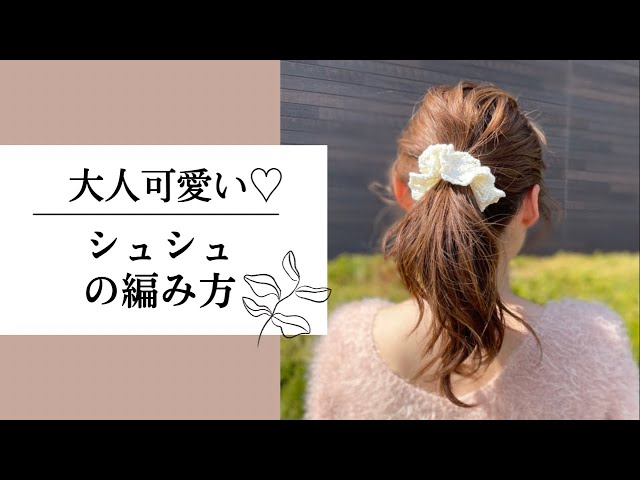
Scrunchies for tying up hair are one of the easiest projects to make! One of their charms is that there are many ways to create them—such as crochet patterns or sewing a long, tube-shaped piece of fabric and threading elastic through it.
Making them with crochet, knitting, or hand sewing also stimulates your fingertips, making them perfect for hand rehabilitation.
They’re great as gifts for family, too.
And scrunchies aren’t just hair accessories; they can also be used as bag decorations or bands for planners, so you can make as many as you like with no problem! Give it a try.

Sweets Deco

Let’s try making ornaments themed around sweets using paper clay and glue.
The key is the paper-clay “whipped cream.” By using a piping bag, you can create a realistic whipped finish.
Once you’ve piped the cream all over, just add colors and other touches to complete it.
How delicious you can make it look is where your sense of style really shows.
In addition to displaying it as an ornament, it’s also recommended to add a memo-stand component to make it practical.