

A compilation of unsettling trivia and fun facts about Earth


Earth, home to humans and countless other living things.
Like outer space, it’s still full of mysteries, and research is advancing every day.
In this article, we’ll share general trivia and fun facts about our planet.
We’ve gathered a variety of information about Earth—from its history, to slightly scary stories about the future, to astonishing phenomena.
As you learn, you may feel a little unsettled, be inspired to act more environmentally friendly, or be moved to think more deeply about our planet.
Discover Earth’s surprising facts and hidden secrets!
- Didn't want to know?! Fascinating and scary trivia & fun facts
- A quiz of fun trivia: bite-sized knowledge that leads to new insights.
- Fun to Know! A Collection of Space Trivia [Rec]
- A collection of trivia and fun facts about space, brimming with dreams and romance
- Trivia and fun facts about food (summary)
- Trivia quiz with useful tips to know: fun facts that come in handy at school or at home [for kids]
- Make weather forecasts more fun! Trivia and fun facts about the weather
- Collection of trivia and fun facts about stars shining in the night sky
- English will become more fun! A collection of trivia and fun facts about the English language.
- Trivia you think you know but surprisingly don’t? August trivia and fun facts quiz!
- A roundup of insect trivia: fun facts you'll want to share
- [Snake Trivia] Things you actually don’t know about snakes. Packed with astonishing facts!
- Useful right away in daily life! Surprising trivia and handy tips
A collection of unsettling Earth facts and trivia (21–30)
Only about 0.01% of the water on Earth is available for use.
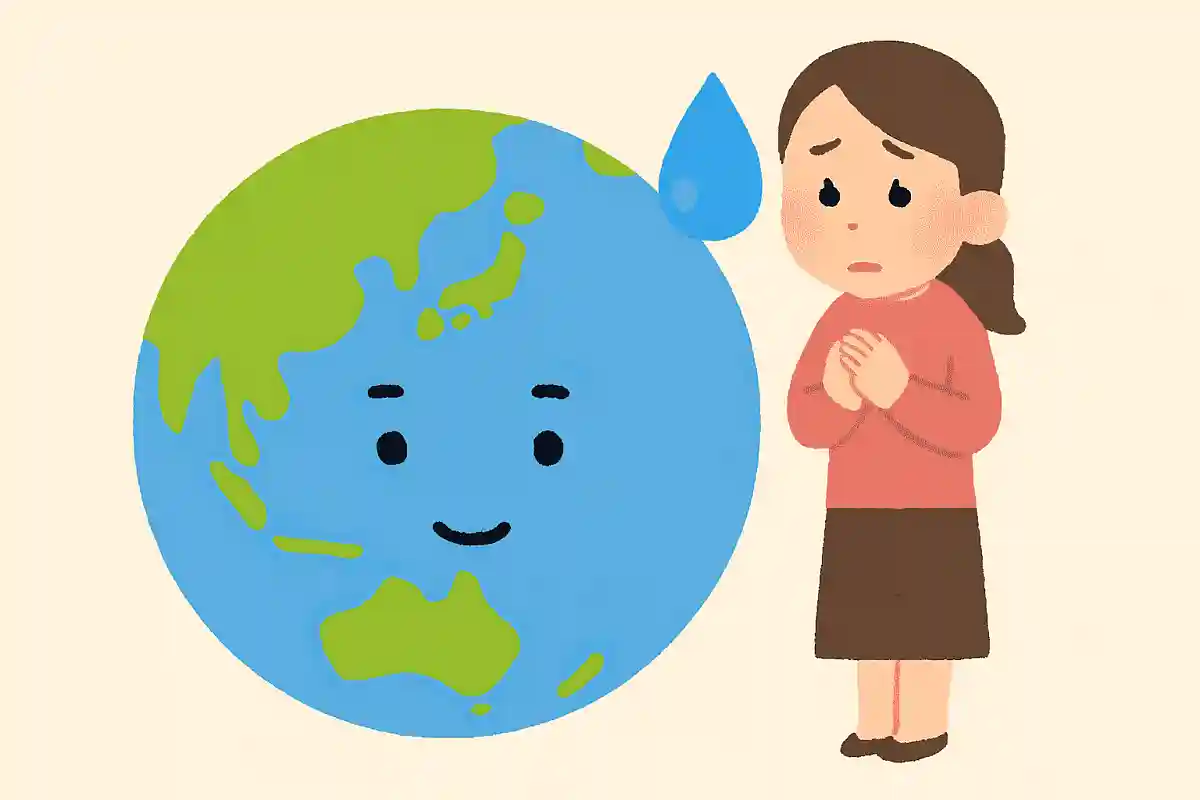
The Earth we live on is covered by water over 70% of its surface.
Of that, 97.5% is salt water such as in the oceans, leaving only 2.5% as fresh water.
Moreover, since most fresh water is locked in glaciers, it’s said that only 0.01% is available as drinking water.
We usually use clean water as if it were a given, but it turns out it’s extremely precious.
Incidentally, if all the water on Earth were cut out as a single block, its volume would amount to 1.4 billion cubic kilometers.

If all the ice in the Arctic and Antarctic melts, many of the world’s cities will sink.
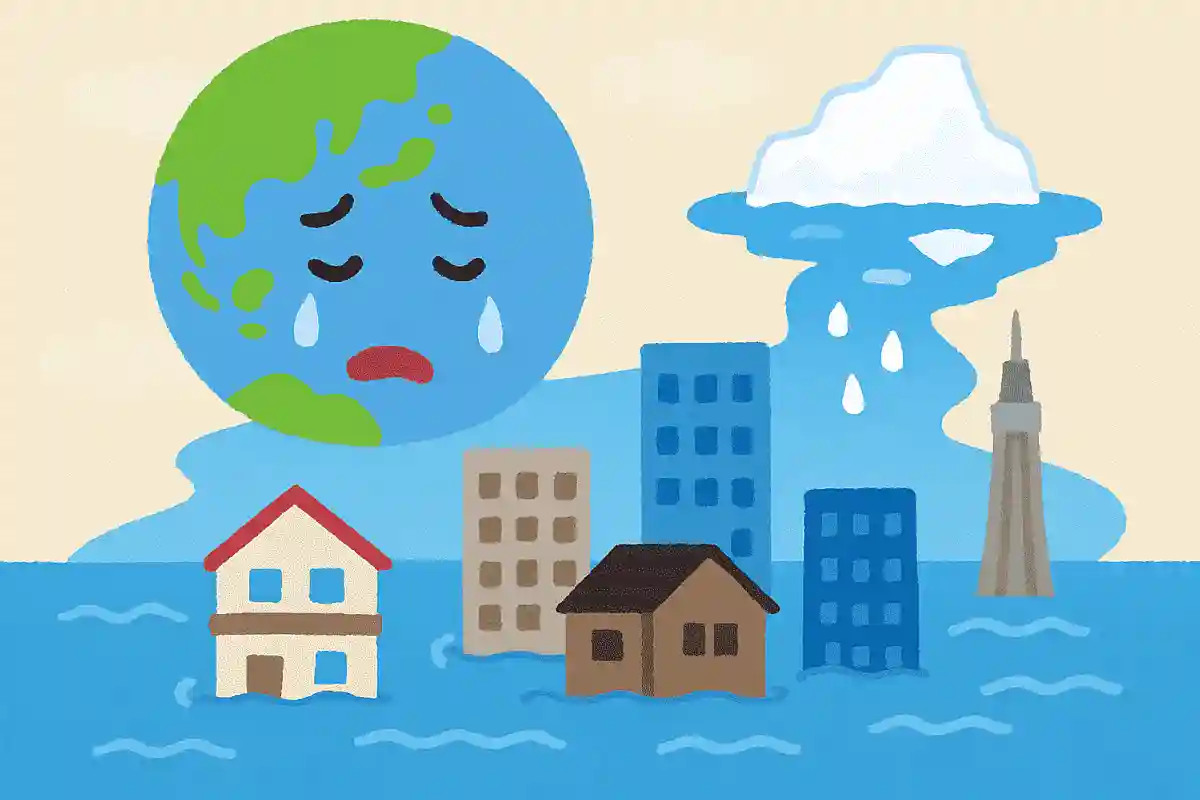
In recent years, with global warming being widely discussed, it’s said that the ice in Antarctica and the Arctic is melting.
That naturally raises the question: what happens when the ice melts? Put simply, sea levels will rise, and many areas of land will be submerged by the ocean.
It’s also said that environmental changes could lead to heat waves and the spread of infectious diseases.
To avoid such frightening scenarios, we should be mindful of our impact on the environment.
Incidentally, if the ice continues to melt at the current pace, it’s said that Japan’s sandy beaches will disappear by the year 2100.
How many times per second is lightning said to occur on Earth?
- about 10 times
- about 100 times
- About 1,000 times
See the answer
about 100 times
It’s estimated that about 100 lightning strikes occur every second across the entire Earth. This high number is because lightning is happening simultaneously all over the world. By the way, do you know which regions in Japan have the fewest thunderstorms? Hokkaido and Aomori. As you’d expect, lightning tends to occur more easily in warmer places.
Earth’s gravity varies depending on the location.
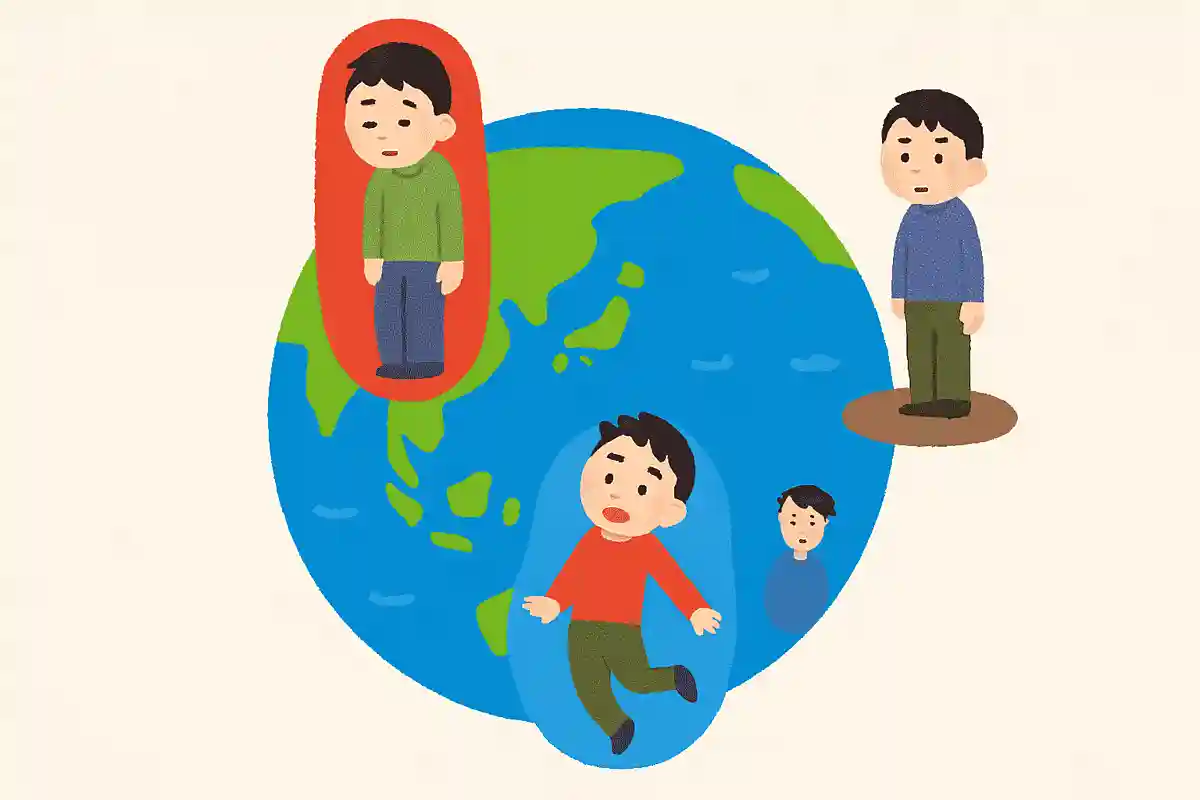
We know Earth has weight, and that’s why we feel firmly grounded.
But did you know that gravity, which we often imagine as acting the same on everyone, actually varies by location? This is due to Earth’s rotation and its shape: the centrifugal force from rotation and the fact that Earth is an oblate spheroid change the net force at different places, which in turn changes weight.
Because it’s hard to sense these differences in gravity with our bodies, the fact that gravity varies can be quite surprising.

In Tanzania, there is Lake Natron, which petrifies living creatures.
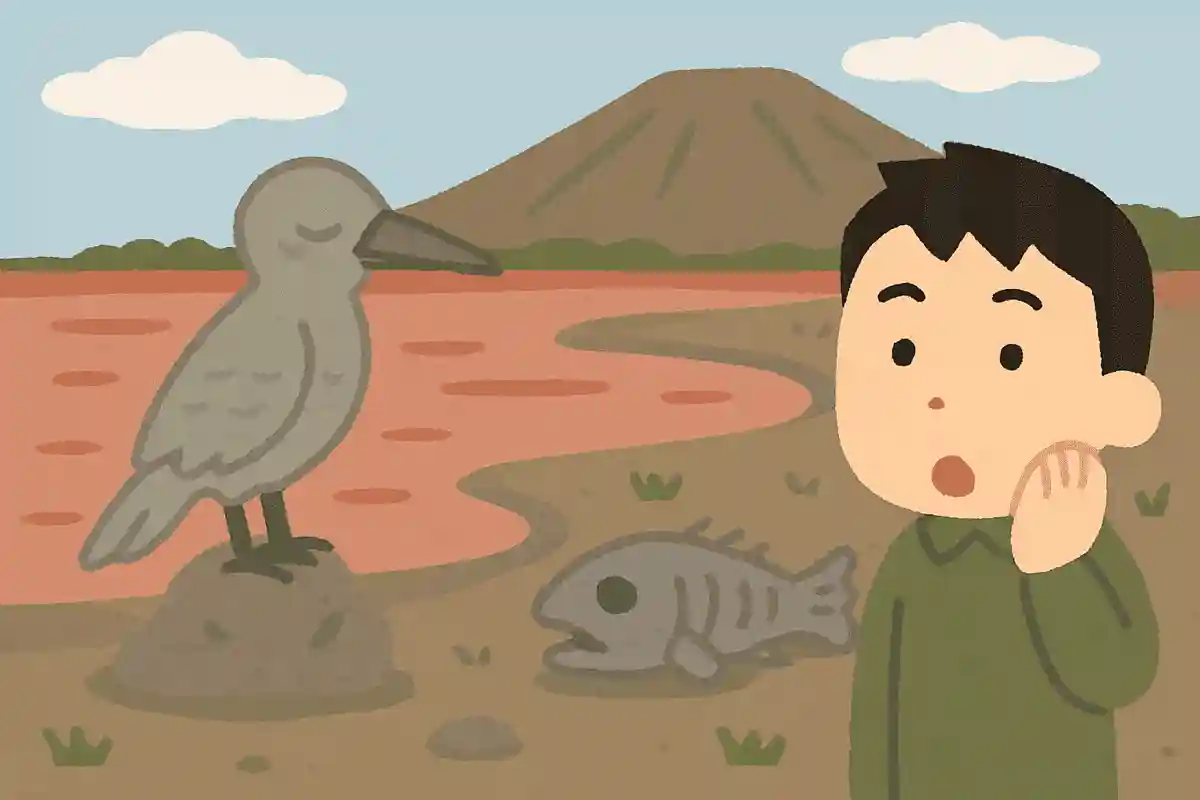
The phenomenon of living creatures turning into stone strongly evokes a fantasy image, like Medusa from Greek mythology.
In Tanzania, Africa, there is a lake that can turn animals to stone—something that even brings Medusa’s myth to mind.
The lake, called Lake Natron, is highly alkaline, and its composition causes creatures that enter it to harden as if they were stone.
The sight of animals washed up along the shore in a unique calcified state conveys not only a sense of dread but also a mysterious atmosphere.