

[For Seniors] Fun and Engaging Brain-Training Recreation
We’ve put together a collection of brain-training puzzles and simple exercises that you’ll want to actively incorporate into recreational activities.
It’s easy to get bored with the same types of puzzles and games, right?
Let’s liven up your recreation time with puzzles you haven’t tried before, or some quirky and fun challenges and exercises!
If it’s difficult, try allowing more time to think or offering hints so everyone can enjoy it as they go.
We’re also introducing plenty of activities that can make people laugh and lighten the mood, even if they don’t know the answer.
Feel free to use these as a reference and put them to good use!
- [For Seniors] Fun Brain Training! Lively Mind Exercises
- [For Seniors] Fun and Lively! Recommended Quiz Questions
- [For Seniors] Hand and finger play roundup: Finger exercises that lead to brain training
- [For Seniors] Easy and fun seated activities you can do in your room
- [For Seniors] Fun Brain Training! A Collection of Tricky Quizzes You’ll Definitely Get Stumped By
- Hand games that liven things up for seniors—also great brain training
- [For Seniors] Fun Recreational Activities Without Equipment
- [For Seniors] Find daily brain training. Today’s recommended brain workout.
- [For Seniors] A Brain-Training, Crowd-Pleasing Word Search Game
- Fun Brain Training! Memory Games for Seniors
- [For Seniors] Lively Wordplay Game: Fun Recreation for Elderly Care
- [For Seniors] Today’s Recommended Activity: Fun and Engaging
- [Brain Training for Seniors] Recommended Hand-Play Recreation for Dementia Prevention
[For Seniors] Fun and Exciting Brain-Training Recreations (121–130)
Make vine, hang dayflower
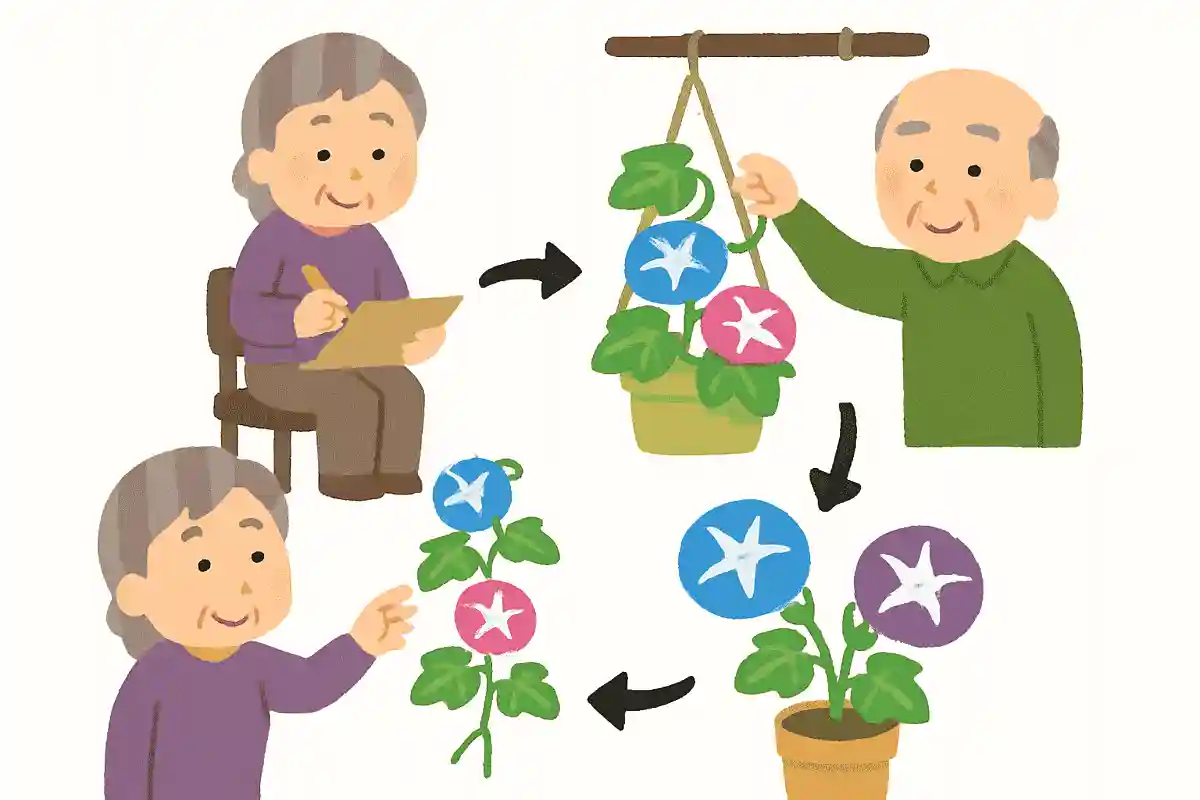
One tongue twister used as a brain-training recreation.
You train your brain by reading awkward sentences that rarely appear in everyday life.
“Tsukuru tsurukusa tsurusu tsuyukusa” is also one of the tongue twisters for older adults.
Various images come to mind from the tongue twister.
You might imagine weaving baskets with climbing vines, and hanging spiderwort as decoration.
In hiragana, it’s “tsukuru,” “tsurukusa,” “tsurusu,” and “tsuyukusa.” They all start with “tsu.” In fact, it’s said that many people—not just older adults—find the ta-row sounds that include “tsu” difficult to pronounce.

Hard-to-pull nails, nails that are difficult to remove, nails pulled out with a nail puller
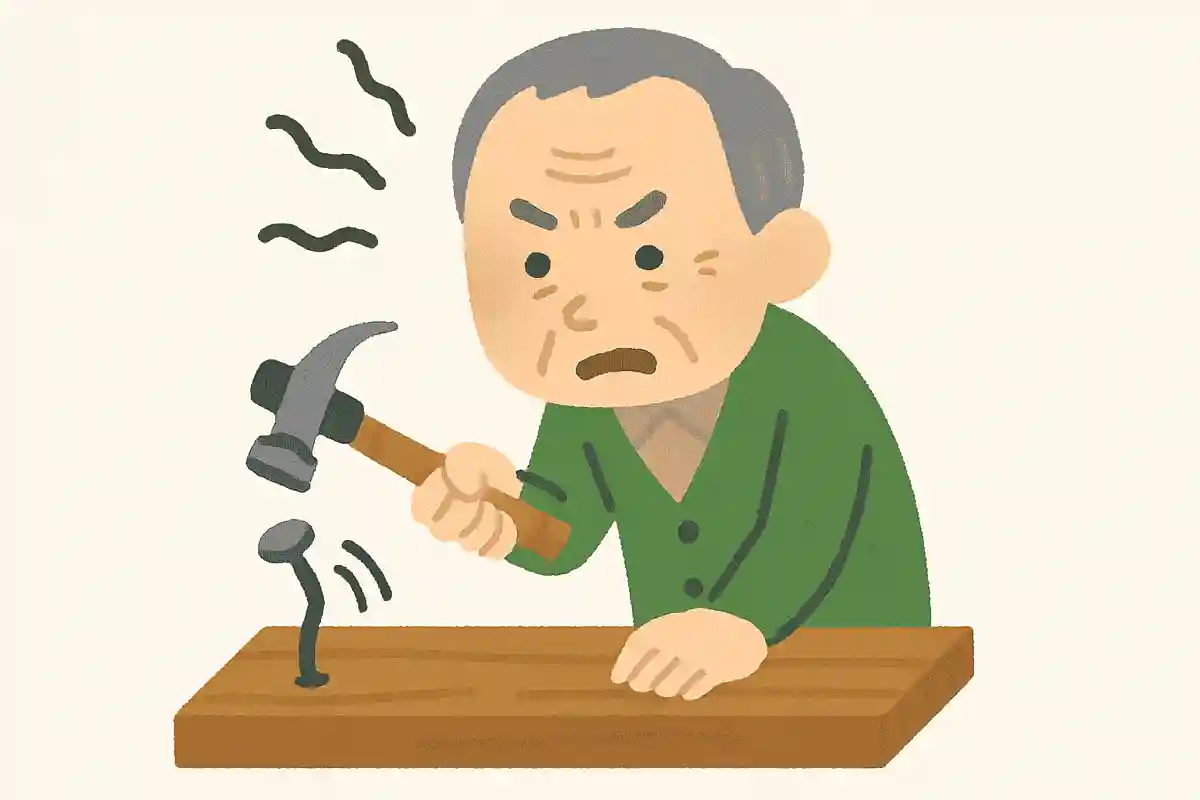
“A nail that’s hard to pull out, a nail that’s difficult to draw out, a nail pulled with a nail puller”—this tongue-twister also brings to mind scenes of carpenters or families doing DIY at home.
You can really picture someone struggling to pull out a stubborn nail.
Because of that, it repeats the same or similar words quite a lot.
It might be easier to say if you consciously break it into words like: hard-to-pull, nail; hard-to-draw-out, nail.
It’s a tongue-twister that may even help older adults recall their own DIY experiences.
Tokyo Patent Approval Bureau
“Tokyo Patent Approval Bureau” is a classic tongue twister.
Some older adults may have heard it or even tried the tongue twister at least once.
However, the Tokyo Patent Approval Bureau doesn’t actually exist.
It never existed in the past either; what does exist is the Japan Patent Office in Chiyoda City, Tokyo.
So where did the TV announcer tongue twister “Tokyo Patent Approval Bureau” come from? As it turns out, it’s said to have been created for use in recruitment exams.
Ultimate luxury aircraft at a deserted Kyushu airport
The tongue twister “kuukyo na Kyushu kuukou no kyuukyoku koukyuu koukuuki” (empty Kyushu airport’s ultimate luxury aircraft) feels difficult just by looking at it written down.
The sentence is also on the longer side for a tongue twister, and it’s characterized by a mix of hard k sounds and kya-kyu-kyo clusters.
Because of that, it’s said to be hard to say without tripping up.
To be able to say tongue twisters, the key is to be conscious of each word and pronounce every one clearly and distinctly.
By the way, there is no actual airport called “Kyushu Airport.” If you were to use a real airport in a tongue twister, it would be one of the airports in the Kyushu region, such as Kitakyushu Airport.
[For Seniors] Fun and Engaging Brain-Training Recreational Activities (131–140)
red paper roll, blue paper roll, yellow paper roll
Tongue twisters often consist of strings of hard-to-pronounce words.
“Aka-makigami ao-makigami ki-makigami” (red scroll paper, blue scroll paper, yellow scroll paper) is also a sequence of tricky words.
By the way, makigami refers to paper made by joining together sheets of hansetsu paper (a tall, narrow paper) side by side to make a long roll.
It’s sold in scroll form.
This tongue twister lines up red, blue, and yellow scroll paper.
It looks easy at first glance, but when you try to say it repeatedly, it becomes hard to pronounce.
As a tip, if you pause slightly between the color names—like red or blue—and the word “makigami,” it should be a bit easier to say.
Try it together with older adults.
2-beat 3-beat game

This exercise involves moving your arms in large motions with different rhythms for each hand to thoroughly engage your arm muscles and brain.
Use a 3-beat rhythm for one hand and a 2-beat rhythm for the other, and focus on keeping each movement from slipping out of sync.
Because concentrating on the motions can disrupt your focus on rhythm, it’s also recommended to perform the exercise along with a children’s song or similar music.
Once you get used to it, try switching which arm does which rhythm or adding leg movements—these variations can further stimulate your brain.

Three-letter shiritori

What’s the very first game you remember learning as a child? Tag, rock-paper-scissors, and of course some might say shiritori.
Let’s spice things up with a twist—not just regular shiritori, but “three-letter shiritori.” Writing answers on a whiteboard takes a bit more time, but seeing each person’s handwriting and simple doodles can spark all kinds of conversation.
Plus, using your hands makes it a nice brain workout.
If you have a whiteboard, you can also enjoy illustrated shiritori just as it is.