

[For Seniors] DIY Rehabilitation Aids: A Collection of Easy-to-Make Ideas

The main goal of rehabilitation for older adults is to restore motor functions that have declined due to illness or injury, so they can live independently in their daily lives.
Some people train using store-bought items that have rehabilitative effects.
However, commercial products can be expensive and not easy to purchase.
That’s why this time we’re introducing ideas for handmade rehabilitation tools that you can make with relatively easy-to-find materials, such as those from 100-yen shops.
We’ve collected ideas that are effective for brain training and allow for easy rehabilitation.
It can also be great to start from the process of making them together with older adults.
Please use these ideas as a reference and give them a try.
- [For Seniors] DIY Hand Rehabilitation Tools to Strengthen Fingertips: A Collection of Handmade Ideas
- [For Seniors] Finger Rehabilitation Tools: Easy DIY Ideas
- [For Seniors] Ideal for Finger Rehabilitation: A Collection of Simple Ideas Made with Yarn
- [For Seniors] Great for Brain Training! Enjoy Handmade Puzzles
- [For Seniors] Recommended Handmade Activities! Simple Ideas
- [For Seniors] Simple and Fun: Craft Ideas You Can Make with Everyday Items
- For seniors: Recommended for day services. Hands-on activities that help prevent dementia.
- [For Seniors] Practical Crafts to Make in Day-Service Recreation: Idea Roundup
- [For Seniors] Let’s Have Fun While Training the Brain! Handmade Card Game Ideas
- [For Seniors] Enjoy Your Alone Time: Perfect Ideas for Passing the Time
- [For Seniors] Handmade gifts they’ll love: a roundup of simple ideas
- [For Seniors] Recommended Muscle Training Gear. Simple and Easy
- [For Seniors] Small craft ideas: for yourself and as gifts!
[For Seniors] DIY Rehabilitation Tools: A Collection of Easy-to-Make Ideas (41–50)
Colored ball matching
@colorful_0501 Translation# developmental support (ryōiku)Translation#TherapeuticSupportGoodsHandmade teaching materialsHandmade goodsEducational materials for early childhood developmentEducational#Handmade Educational MaterialsMatchingPut indexterousHands-on playFinger playFinger Dexterity EducationPlaying house#NeurodevelopmentalDisordersDevelopmental SupportPerson with developmental delayChild Development Support#Support for Visits to Nursery Schools and Similar Facilities#TherapeuticSupportAutism spectrum#Autism#ADHDAttention-Deficit/Hyperactivity DisorderFukuoka PrefectureKurume City
‘Sorry for Being Cute (feat. Kopi)’ – HoneyWorks
Here’s a rehabilitation activity that helps train finger dexterity while learning colors.
You’ll use an ice tray like the ones used to make ice in the freezer.
Pinch and place craft pom-poms into the compartments of the ice tray with your fingers.
Prepare pom-poms in a variety of colors.
Make a sample in advance, and then place the pom-poms to match the sample.
By distinguishing colors, you can train the ability to observe carefully and compare objects.
It can be done alone with focus, or enjoyed in a small group as a friendly competition.

Brain-training goods from the 100-yen shop!

This is a rehabilitation tool that uses a whiteboard and colored magnets, which you can easily get even at 100-yen shops.
Draw lines on the whiteboard and then place magnets at the intersections—simple, right? By removing magnets that are stuck on and arranging them neatly while paying attention to color, you train the ability to judge colors and order as well as fine finger movements.
Try customizing it depending on what you want to strengthen: for example, increase the number of magnets to make the arranging take more time, or use stronger magnets to require more force to remove them.

yo-yo
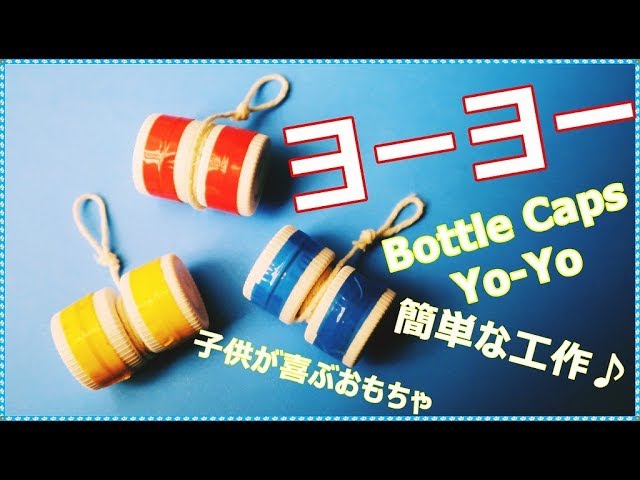
Making a yo-yo with plastic bottle caps is a craft that older adults can easily enjoy.
Use an awl to make holes in the centers of two caps, then insert a screw and fasten them together.
Thread a string through the center and tie it securely, and pack clay into the empty space inside the caps to add weight.
Finish by wrapping the whole thing with colored tape for reinforcement, and it’s done.
Activities that use the fingertips help improve concentration and stimulate brain function.
Another appeal is that you can customize the look to create your own unique piece.
Since you can actually play with it after it’s finished, it’s an idea that remains fun even after the making is complete.

Recommended for recreation! Tong catch

It’s a game where you skillfully use tongs to move ping-pong balls from a box in front of you to a basket at hand.
If you play it as a head-to-head match facing your opponent, it encourages not only precise tong control but also speed.
It might also be good to vary the shape and size of the tongs, creating a pattern where players think about how much force to apply as they move.
Because the task of moving the balls is so simple, it’s easy to tweak the tools you use.
Try coming up with variations that focus on the body parts you want to train and the way you apply force.
In conclusion
These were all ideas that seem enjoyable for older adults to try! Homemade rehabilitation tools are also recommended if you’re concerned about the cost of store-bought items. By making good use of 100-yen shops and recycled materials, you can create them without spending much on supplies. Please use this article as a reference to support rehabilitation and recreational activities.