

[For Seniors] Fun and Informative Trivia Quiz Collection

There may be older adults who are spending monotonous days.
So this time, we’ll introduce some useful trivia quizzes that will make you think, “I see!”
You can use them as brain training by asking the questions, and they’re also fun to bring up in casual conversations with seniors.
Because they spark interest easily, they’re likely to be a hit as a recreational activity, too!
With trivia quizzes, you can hear the answers and gain new knowledge.
People often feel like sharing the trivia they’ve learned with others, which can naturally encourage communication.
- [For Seniors] Fun and Informative! Health Trivia Quiz
- [For Seniors] Laugh-Out-Loud, Crowd-Pleasing! Fun Quiz
- [For Seniors] Fun and Informative! Trivia and Quizzes Introduced
- [For Seniors] Trivia Multiple-Choice Quiz
- [For Seniors] Boost Your Knowledge! Fun Trivia Quiz
- [For Seniors] Today’s recommended quiz. Daily brain-training quiz!
- [For Seniors] Brain Training! Recall Quiz Collection!
- [For Seniors] Fun! Let’s Get Excited with Japan’s Number One Quiz
- [For Seniors] January Trivia Quiz & Fun Facts. Brain training with quizzes about New Year and winter.
- [For Seniors] Liven Things Up! 3-Choice Ranking Quiz
- [Brain Training] Lively Word Quiz for Seniors
- [For Seniors] Surprising Facts! Multiple-Choice Trivia Quiz (4 Options)
- [For Seniors] Fun and Educational True-or-False Quiz
[For Seniors] Fun and Useful Trivia Quiz Collection (131–140)
In addition to sourness, sweetness, and saltiness, the tongue can detect one more taste. What is the other one?
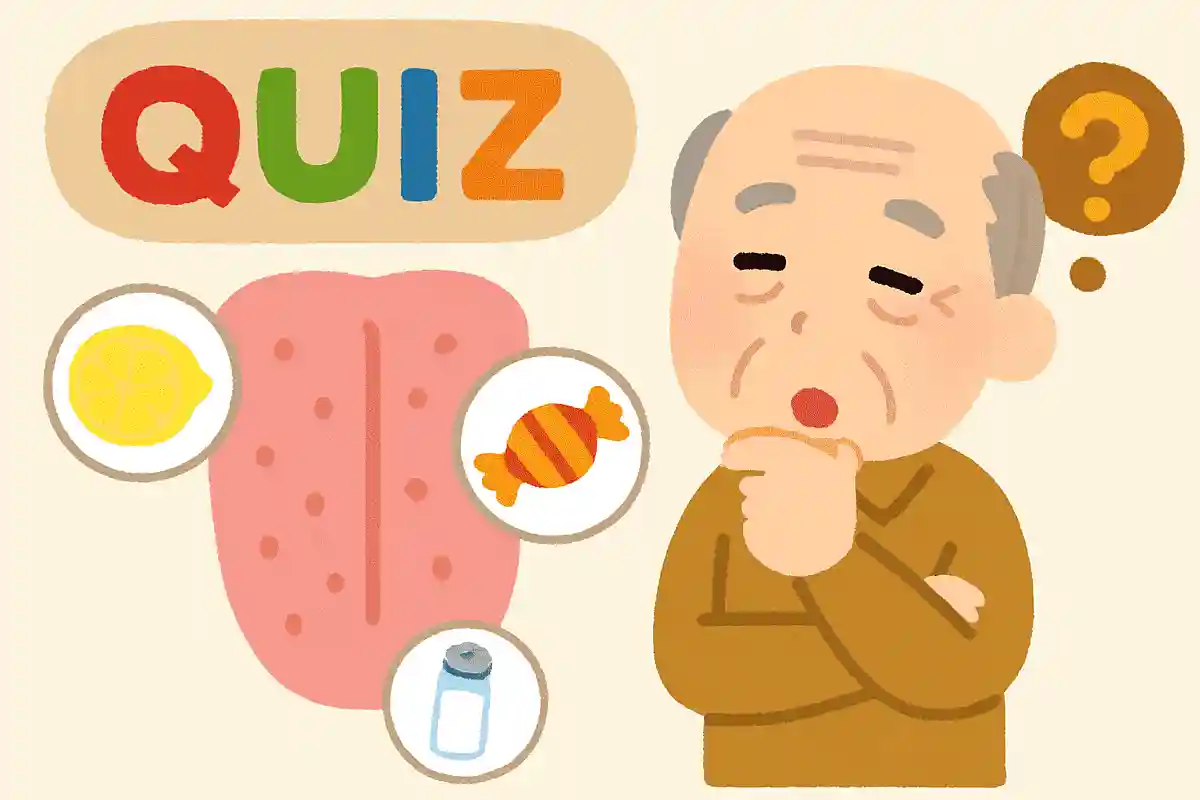
When we eat food, we sense various tastes with our tongues.
So, alongside sourness, sweetness, and saltiness, what is the other taste we actually perceive? Here’s a hint: many children tend to dislike it a bit, and many people come to appreciate its deliciousness more as they grow older.
The answer is bitterness.
The tongue has taste buds—organ-like sensors that detect tastes—that perceive each of these flavors.
Eat plenty and enjoy a wide variety of tastes!

When does “between meals” mean in terms of how to take medicine?
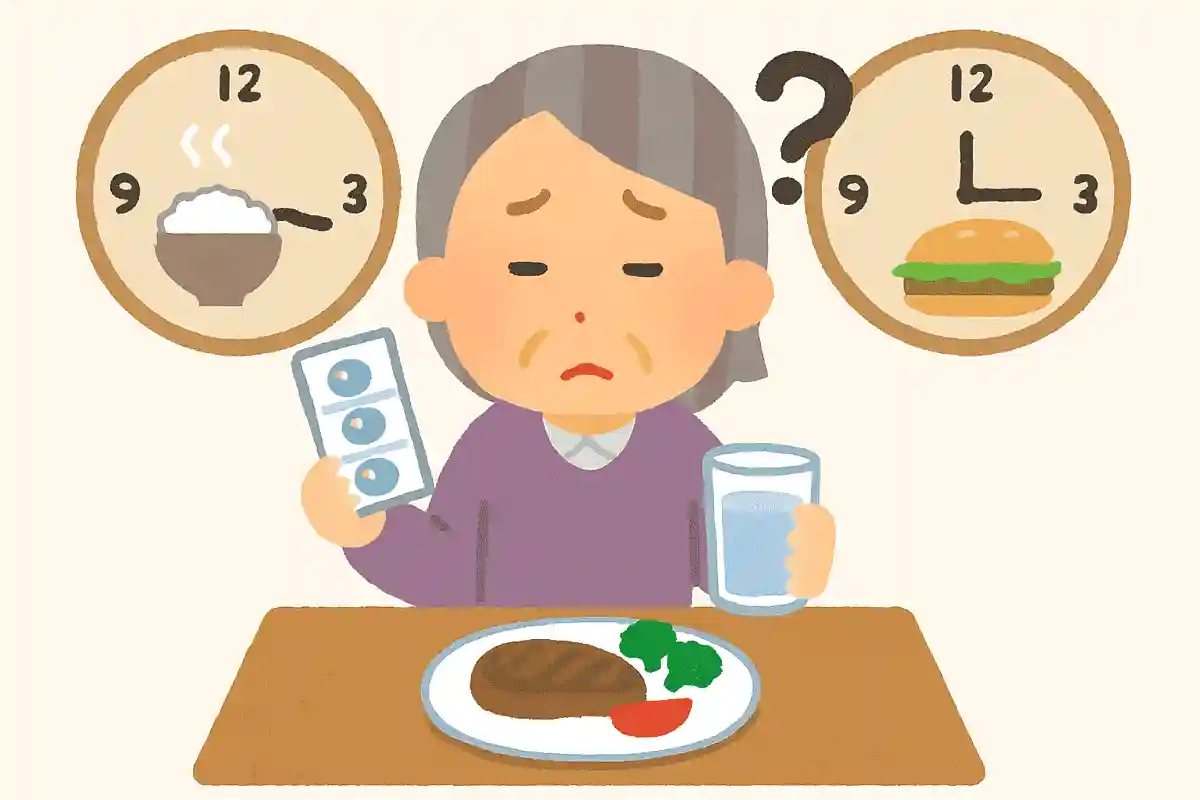
Among older adults, many probably receive medications from the hospital.
Some of you might also have been instructed to take your medicine “between meals.” So, when exactly does “between meals” mean you should take your medicine? Many people think it means during a meal, but that’s incorrect.
The answer is: between one meal and the next—for example, between breakfast and lunch, or between lunch and dinner.
Strictly speaking, the guideline is about 2 to 3 hours after eating.
If you’re an older adult and you’re given medicine with the instruction to take it “between meals,” please be careful to follow this timing.
The black rotary phone has strengths not found in modern landlines or mobile phones. What kind of features does it have?
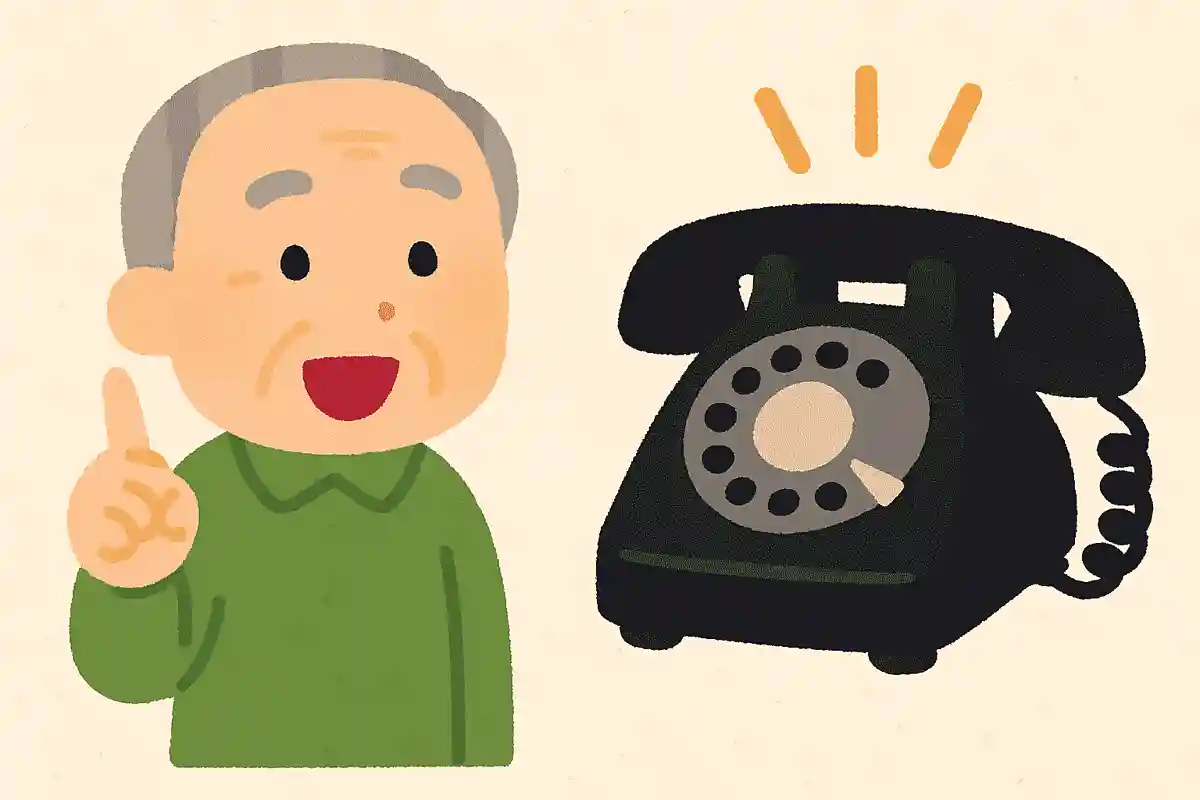
The old black rotary phone that you dial by turning the wheel—many older people probably used one at home.
Those black phones had a certain feature that today’s landlines, cell phones, and smartphones don’t.
Here’s a hint: it’s something essential for landlines and cell phones—without it, they can’t even be used.
The answer is: they don’t need a power source or an outlet! Landline phones won’t work unless they get electricity from a wall outlet, and cell phones and smartphones have to be charged with a charger.
But black rotary phones run solely on power from the telephone line, so you can still use them even during a blackout!
Hypertension, which can easily lead to serious illnesses. Which of the following are symptoms of high blood pressure?
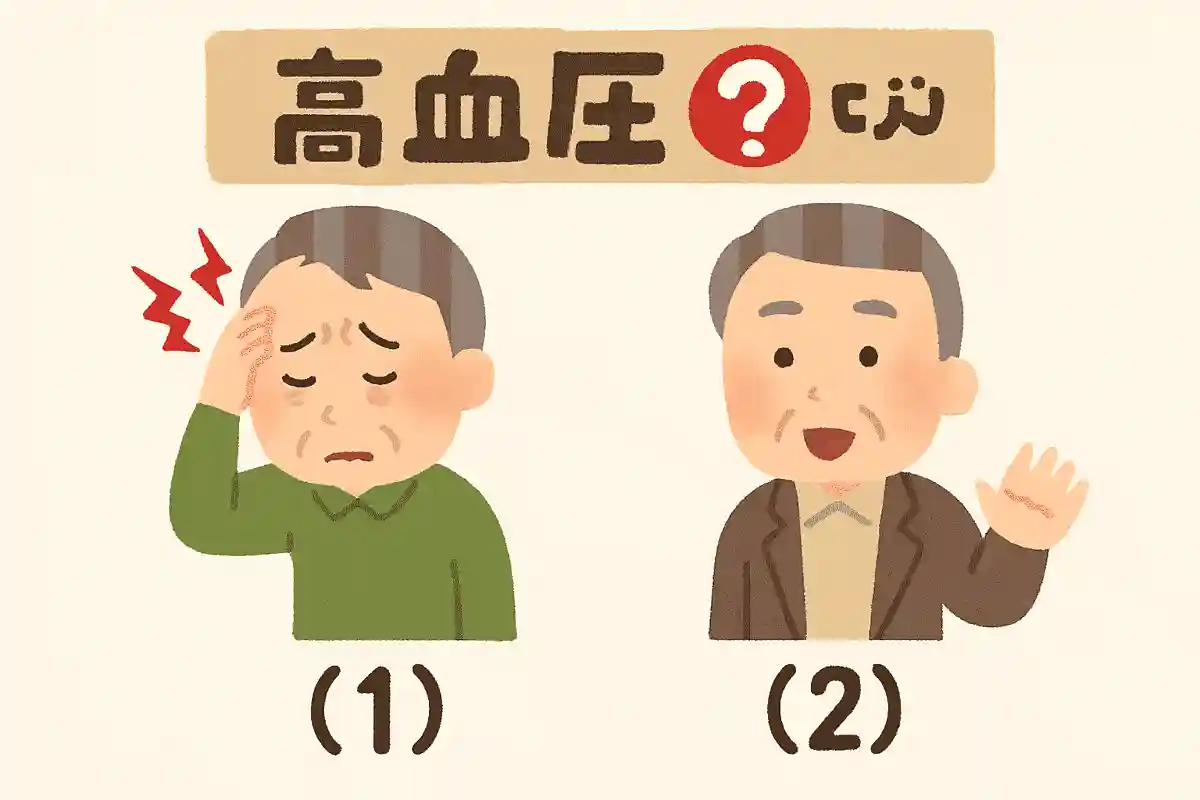
- I have almost no subjective symptoms.
- There are subjective symptoms such as headaches and dizziness.
See the answer
I have almost no subjective symptoms.
If you develop high blood pressure, it can lead to various conditions such as subarachnoid hemorrhage and myocardial infarction. If hypertension persists over the long term, it can also damage the kidneys. Despite these risks, high blood pressure typically has no noticeable symptoms. Be sure to check your blood pressure regularly and aim for a diet low in salt!

In the late 1980s, it became popular to wear flashy outfits outdoors and dance “step dance” to disco sounds. What were these people called as a ‘tribe’?
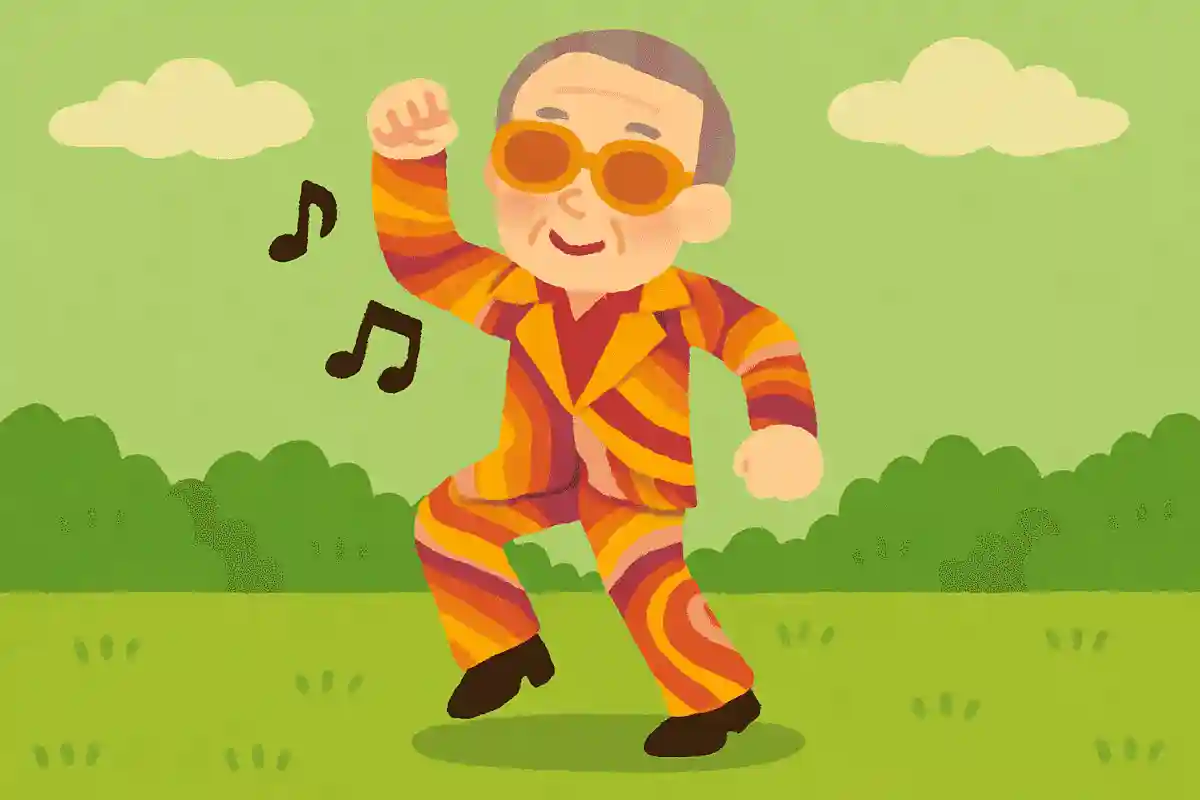
Since the Heisei era, many dance-vocal groups have emerged, but even before that, there was a large dance collective! They were reportedly seen near Yoyogi Park in Tokyo, as well as in Kichijoji, Ikebukuro, and even Nagoya.
What were these people called? Here’s a hint: they share their name with a vegetable.
The answer is the Takenoko-zoku! There were many groups among those known as the Takenoko-zoku, and some members were even scouted and made their entertainment industry debut.
Why are houseplants displayed in banks?
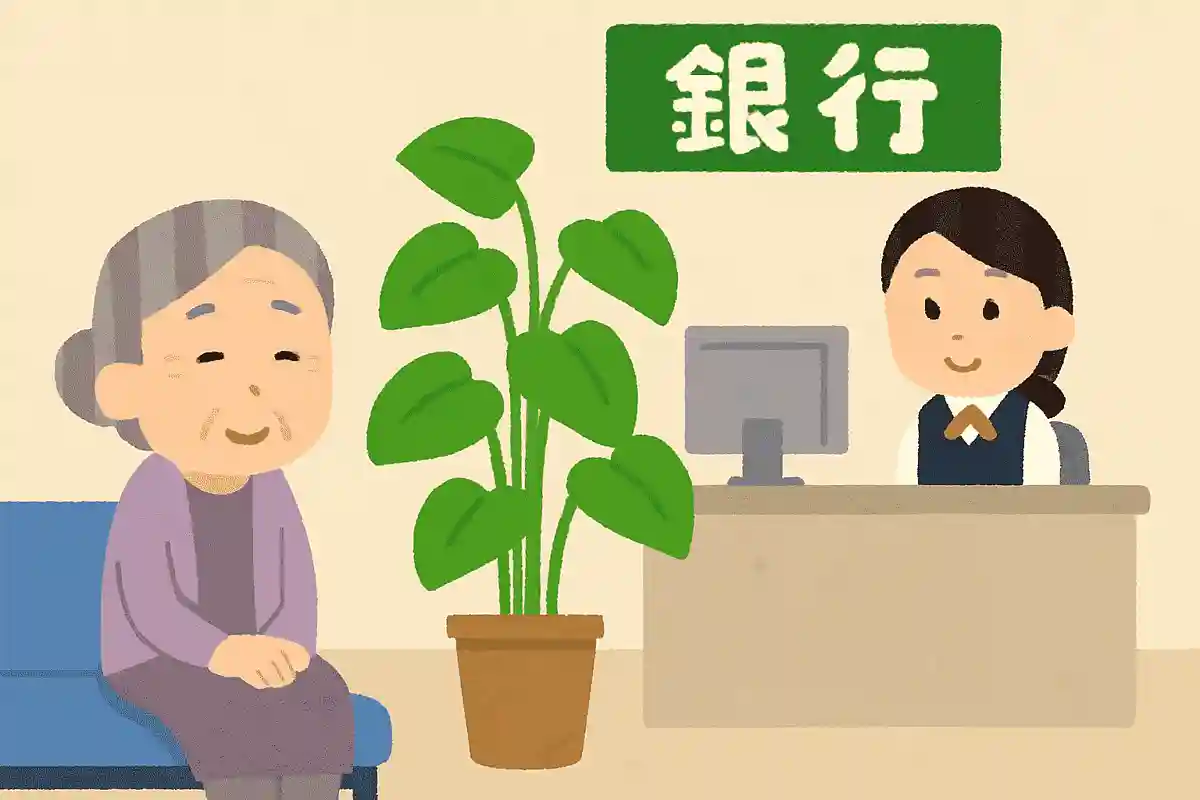
Banks are essential facilities, and for some reason we have a strong image of them being decorated with potted plants.
In fact, the plants placed in banks have a deeper purpose beyond simply creating a fresh, pleasant impression.
Here’s a hint: they help resolve a type of trouble that can occur in banks—though you might rarely encounter it.
The answer is: “to roughly gauge a bank robber’s height.” It’s the kind of reason that makes you hope it’s never actually needed.

What is ‘moshi moshi’ on the phone short for?
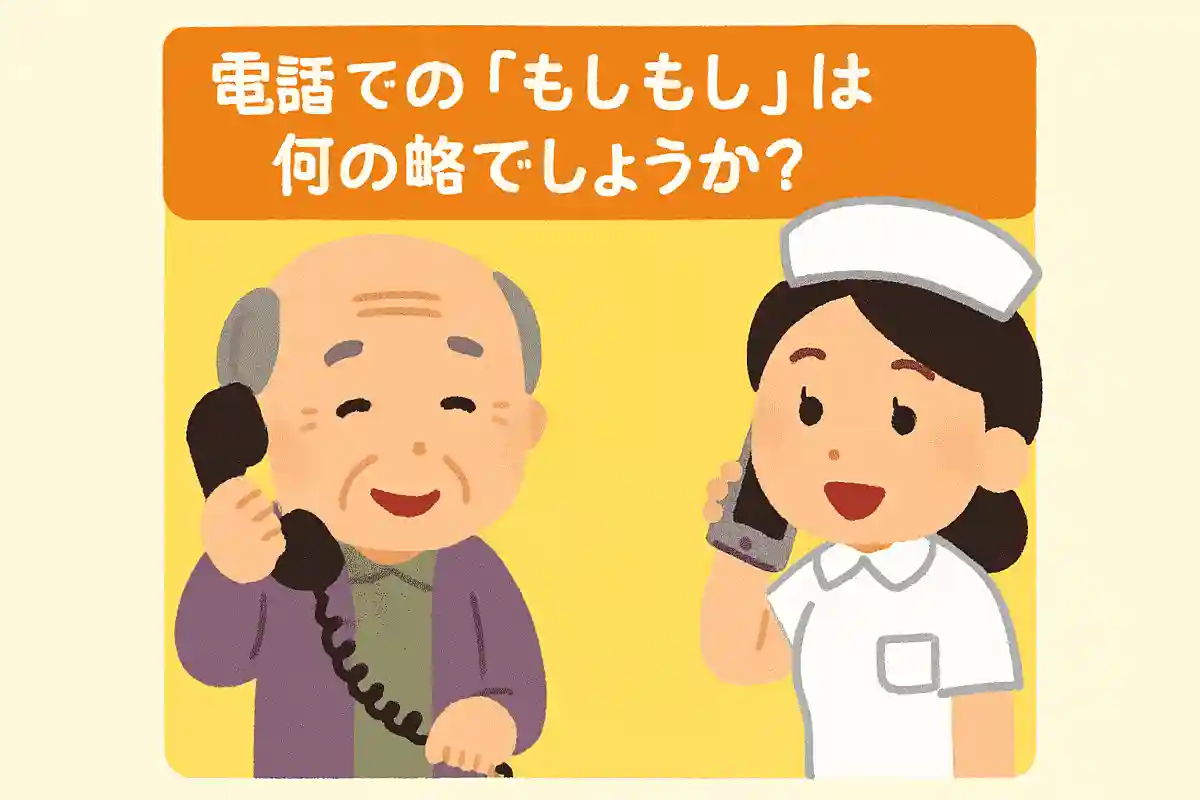
When answering the phone, we casually say “moshi moshi,” but what is it short for? The answer is “moushimasu, moushimasu” (“I speak, I speak”).
When telephones were introduced in Japan in 1890 (Meiji 23), calls were connected by telephone operators.
Many operators were women at the time, and they would say “moushimasu, moushimasu,” meaning “I’m about to speak,” which was shortened to “moshi moshi.” Incidentally, men would call out “oi, oi,” and the conversation would begin with responses like “hai, you gozansu” (“yes, very well”).
