

[For Seniors] Introducing March Trivia!

March gradually ushers in spring, and while the sunshine grows warmer, mornings and evenings can still be quite chilly.
It’s a season to look after your health while eagerly awaiting the full arrival of spring.
You might still feel like staying indoors.
However, if you stay inside all the time, some of you may feel like you’ve got nothing to talk about with others.
This time, we’ll introduce some trivia about March.
It’s full of seasonal topics and practical knowledge for daily life—perfect conversation starters.
By all means, feel free to make use of them at day-service centers and long-term care facilities as well.
- [For Seniors] Introducing March Trivia!
- How much do you know? Trivia quiz for seniors that’s full of surprisingly unknown facts
- [For Seniors] Haiku for March: Enjoying a Spring Moment with Famous Verses
- Spring Event Quiz for Seniors to Enjoy in March
- [For Seniors] Never Run Out of Conversation Starters! A Collection of Fun Facts About April and Spring
- [For Seniors] Making a March Calendar: Introducing Spring-Themed Motifs and Arrangements
- [For Seniors] Hina Matsuri (Girls’ Day) Trivia Quiz & Fun Facts. Recommended for Dementia Prevention Activities
- [For Seniors] Fun Food Trivia Quizzes You'll Want to Share
- [March Health Topic] Introducing Recreational Activities for Seniors!
- [For Seniors] Trivia Multiple-Choice Quiz
- [For Seniors] Spring-themed quizzes: Fun trivia questions that help prevent dementia while you solve them
- [For Seniors] Activities to Enjoy March: Games, Crafts, Music, and Snack Recreation
- [For Seniors] Quizzes related to April. Perfect for brain training.
[For Seniors] Introducing March Trivia! (21–30)
Saitama Prefecture has the largest hina display in Japan.
Have you heard of the “Bikkuri Hina Matsuri” in Kōnosu City, Saitama Prefecture? Believe it or not, it features the tallest hina-doll tiered display in Japan.
It stands 7 meters high with 31 tiers—amazing, right? Kōnosu is a production center for hina dolls with a 400-year history.
The sight of countless hina dolls showcasing the artisans’ skills is truly breathtaking.
There are also events throughout the city where hina dolls are displayed, and many people enjoy them.
The Hina Festival in Kōnosu, where tradition and craftsmanship live on, is a wonderful celebration that lets you feel the arrival of spring.
Hinamatsuri in Japan began in the Heian period.
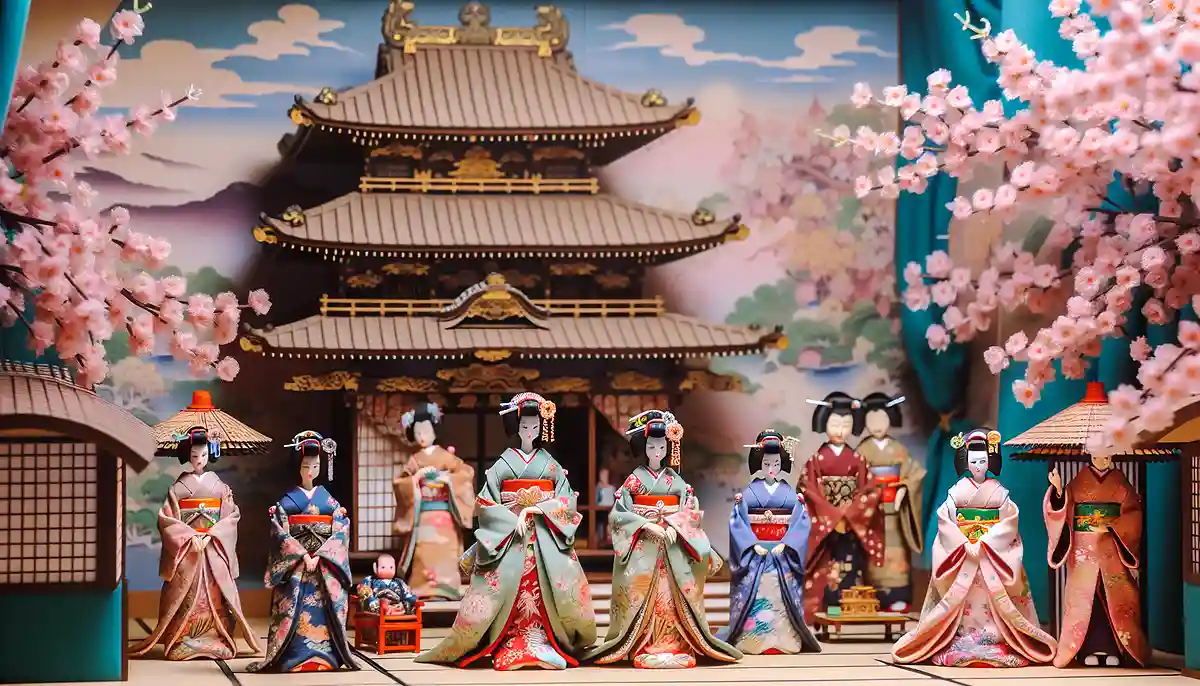
Some elderly people may feel their hearts lift at the facility’s decorations, such as the soft pinks of the Peach Festival, don’t you think? The Hinamatsuri, a traditional Japanese event—do you know when it began? It is said to have started in the Heian period, around 1,000 years ago.
Originally, it was a purification ritual held on the Day of the Snake in March to pray for health and safety.
From there, it merged with “hiina-asobi,” a paper-doll play popular among court ladies and children, and became what we now call Hinamatsuri.
Later, during the Edo period, it came to be celebrated as a “festival for girls.” Sharing these tidbits about Hinamatsuri may help elderly people feel the arrival of spring.

The Vernal Equinox Day is the day when the length of day and night are the same.
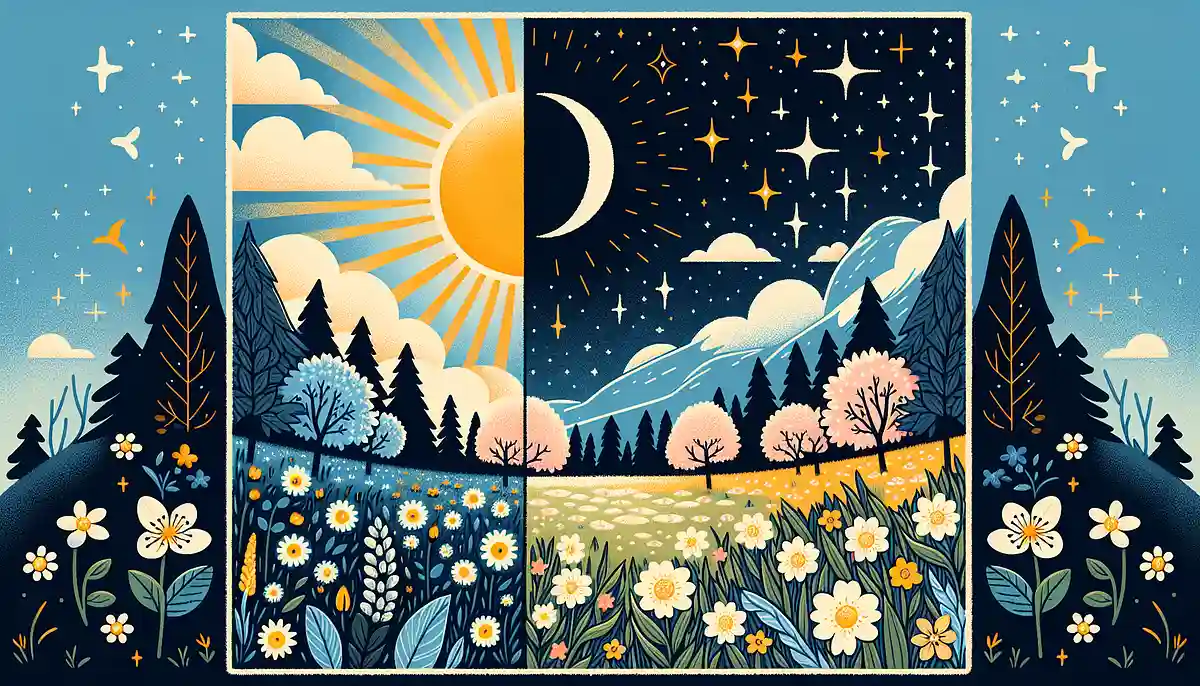
The Vernal Equinox Day is a special day when the lengths of day and night are equal.
On this day, when the sun’s light falls evenly on the Earth, it’s perfect for appreciating the wonders of nature.
It might also feel nice to step outside and breathe the fresh air while sensing the budding of new life.
Talking about the Vernal Equinox Day at a day-care service, for example, might spark lively conversations about memories from the past.
It seems like a great chance to feel the changing of the seasons.
Cherry Blossom Hotspot Quiz

Cherry blossoms are a symbol of spring and can even be called a Japanese tradition, and when this season arrives, locations across the country known as cherry blossom viewing spots draw attention.
This is a quiz that presents various famous cherry blossom spots in photos and asks you to guess which prefecture they’re in and what the place is called.
If it’s a familiar place you’ve visited, it can be a chance to look back on memories, and even if it’s not, it helps deepen your knowledge.
Looking at a variety of photos and thinking about which scenery you prefer also seems like a fun way to get everyone excited.

The ingredients in chirashi sushi eaten on Hinamatsuri have meanings.
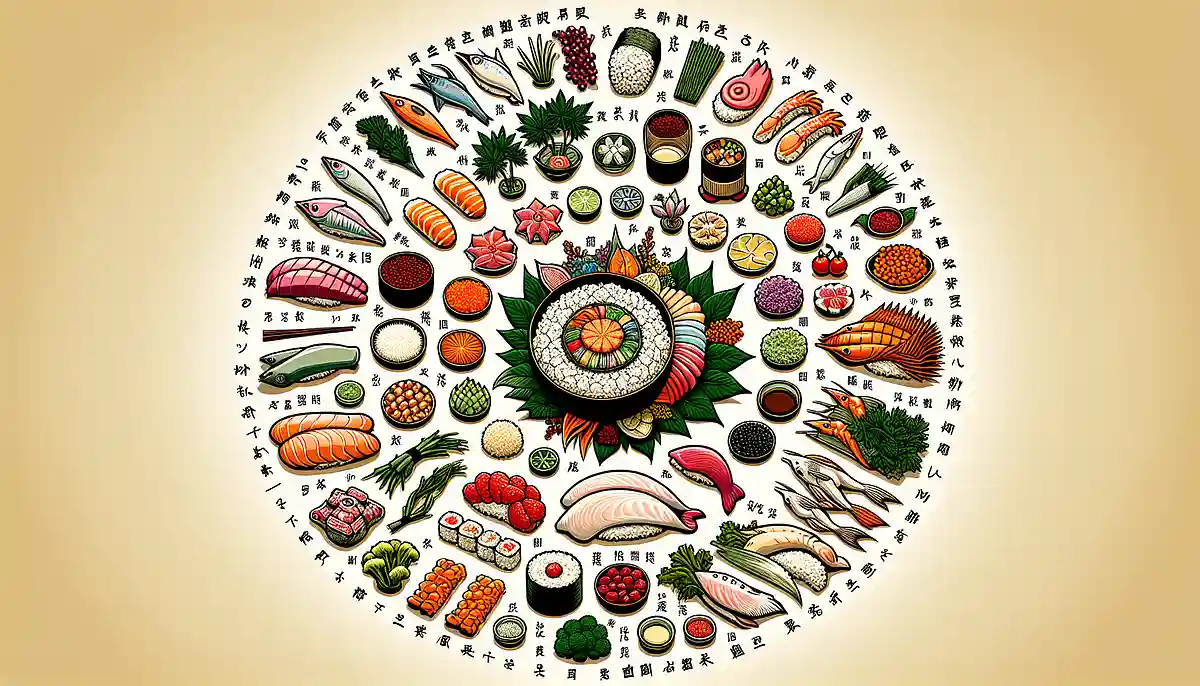
Many facilities for the elderly also hold Hinamatsuri (Girls’ Day) events in March, don’t they? During Hinamatsuri meals, seniors often have the chance to enjoy chirashi sushi.
Chirashi sushi uses many foods considered to bring good luck, which is why it’s traditionally eaten on Hinamatsuri.
For example, shrimp symbolizes the wish to live long enough for one’s back to bend; beans express the hope for good health and diligent work; and lotus root represents the ability to see far into the future.
It’s similar to the osechi dishes eaten at New Year’s.
It could be fun to make chirashi sushi together with seniors as a Hinamatsuri recreation activity.