

[For Seniors] Recommended for Brain Training! Nostalgic Showa-Era Quiz


From essential home appliances to warm family gatherings around the dinner table—and even everyday scenes that now feel nostalgic—the Showa era holds many memories that linger in our hearts.
Quizzes that awaken the memories of seniors who lived through that time not only stimulate the brain but also spark lively conversations with those around them, making for an enjoyable time.
In this article, we present memorable quizzes related to Showa-era culture, trends, and daily life.
Why not revisit Showa memories together with the seniors in your life?
- [For Seniors] Nostalgic quizzes that bring back memories! Showa-era entertainment and sports questions
- [For Seniors] Nostalgic! Showa-Era Quizzes Recommended for Reminiscence Therapy
- [For Seniors] Laugh-Out-Loud, Crowd-Pleasing! Fun Quiz
- [For Seniors] Brain Training! Recall Quiz Collection!
- [For Seniors] Trivia Multiple-Choice Quiz
- [For Seniors] Who Am I? Quiz: A Fun Set of Questions with Exciting Hints
- [For Seniors] Fun and Informative! Health Trivia Quiz
- [For Seniors] Lively two-choice trivia quiz. Handy to know and tidbits you'll want to share with others
- [For Seniors] Today’s recommended quiz. Daily brain-training quiz!
- [Brain Training] Lively Word Quiz for Seniors
- [For Seniors] Fun and Lively! Recommended Quiz Questions
- [For Seniors] Fun! Let’s Get Excited with Japan’s Number One Quiz
- [For Seniors] Fun Brain Training! A Collection of Tricky Quizzes You’ll Definitely Get Stumped By
Showa Era Culture, Trends, and Lifestyle Quiz (11–20)
In the Showa era, a certain behavior was commonplace on trains. What is that behavior that is now prohibited?
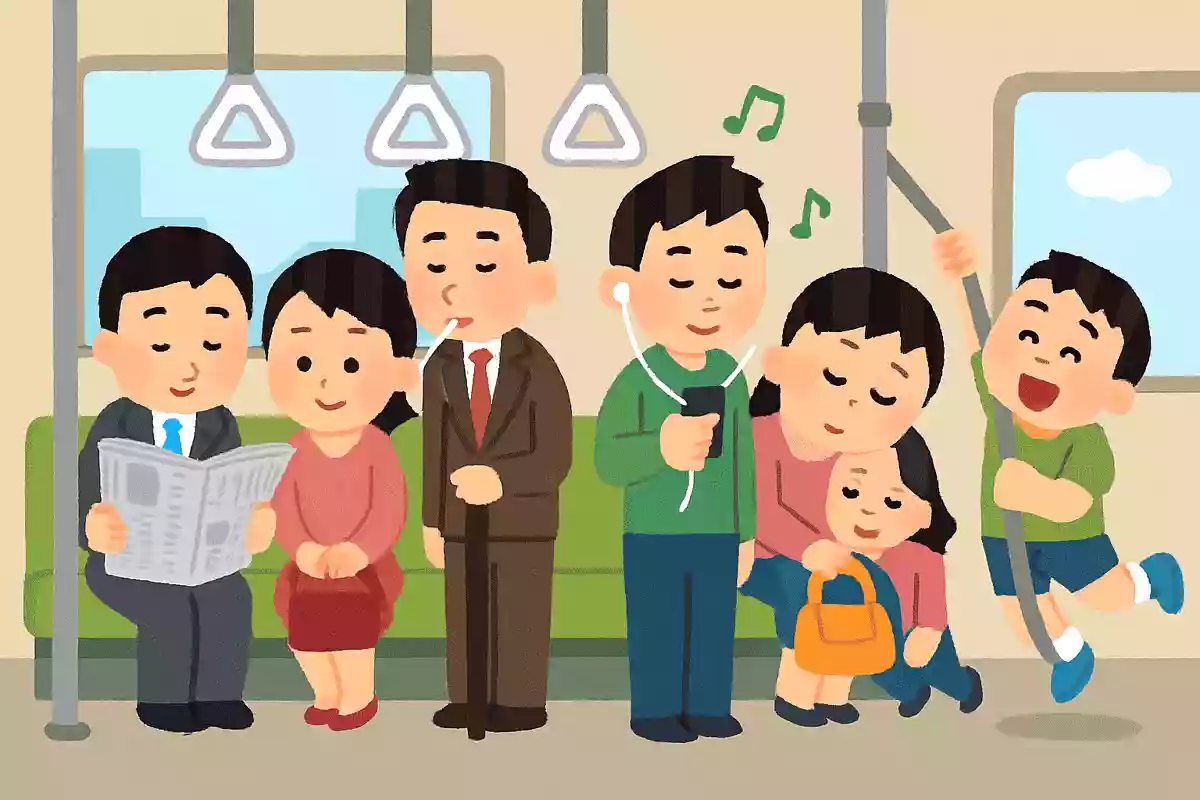
Everyday scenery changes as time goes by, and it’s common for sights we once took for granted to disappear.
Let’s think about how behavior on trains has changed, recalling what things looked like back then.
If you imagine what became more strictly regulated over time—something almost everyone used to do—you might figure out the answer.
The answer is smoking.
There was a time when people could smoke not only on platforms and inside train cars, but practically anywhere.

The Showa-era phrase “Atama ga 〇〇 ni naru” means “I have so much to think about that my brain won’t work.” What sea creature goes in the 〇〇?
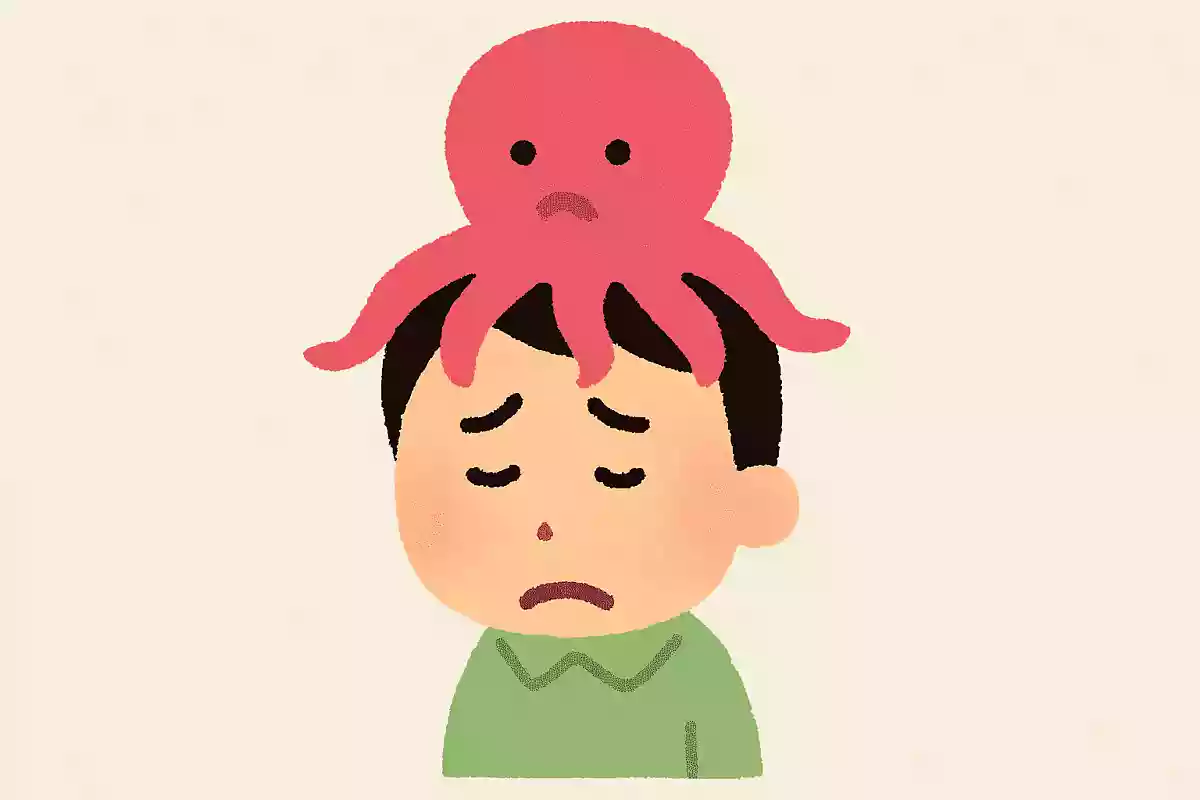
The word that meant “a state where you have so much to think about that your brain won’t work,” which was popular around 1983 (Showa 58), is “Atama ga uni ni naru” (my head turns into sea urchin)! It’s a metaphor comparing a confused, jumbled mental state to soft sea urchin that collapses easily when pressure is applied.
You hardly hear it nowadays, and on the internet it’s called something like “a really nostalgic expression.” Indeed, cracking open a sea urchin does somehow evoke the inside of a human brain… There are plenty of other Showa-era buzzwords that aren’t used anymore, too! Just those alone could make for a solid Showa quiz.

What is the name of the character, which appeared in the late Showa era (1985–1989) and became popular among children, that looks like a white ghost?

One major characteristic of the long Showa era was the development of culture, and from the advent of television and animation, a variety of characters were created.
Among the many characters born in Japan, which popular character from the 1960s, resembling a white ghost, comes to mind? It’s one of Fujiko Fujio’s representative works, and its popularity grew further thanks to its anime broadcast.
The answer is Obake no Q-Taro.
Beyond Q-Taro himself, the appearance of many other characters helped make the entire work beloved.
What is a method of instruction that teachers once used for guidance but would be absolutely unacceptable today?
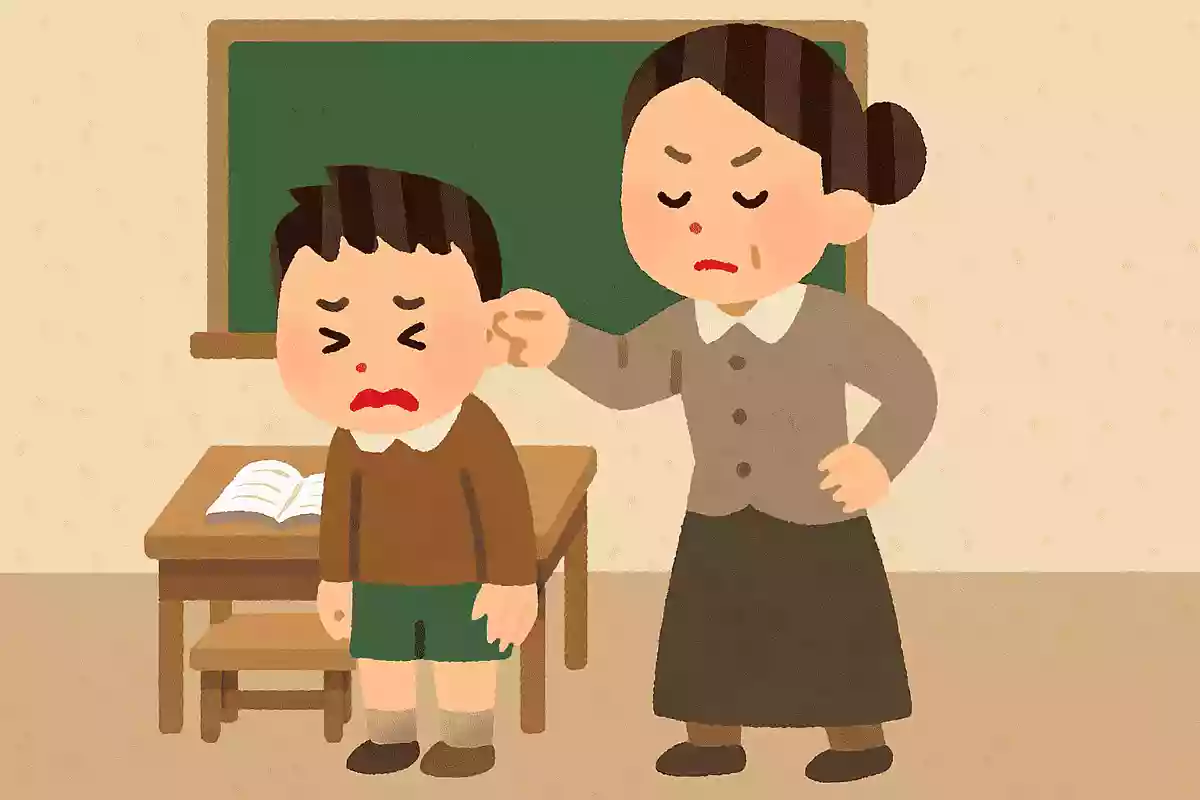
Cultures change little by little over time, and things that used to be taken for granted can now seem unbelievable.
Among these evolving customs and practices, let’s focus on education: what was it that teachers used to do as part of their instruction? If you think about how schools and children differed in the past versus today, and about the kinds of issues that often arise around schools, you might arrive at the answer.
The answer is corporal punishment—whether you see it as violence or as “tough love,” it’s not good, as it imposes strong negative emotions on children.
What is the name of the square puzzle, which became a worldwide craze around 1980, where each face is made a single color?

As time gradually moved on, items from overseas started to become common in Japan.
Among those imports, let’s focus on toys: what was the square puzzle that involved matching colors and became a global craze in the late Showa 50s (around 1980)? It was hugely popular at the time and everyone played with it, and since then it has remained a classic puzzle beloved by people of all ages.
The answer is the Rubik’s Cube.
It’s said that if you learn the patterns, you can solve it, making it a great way to train memory and thinking skills.
The current alarm clock runs on batteries, but what do you think powered them in the Showa era?
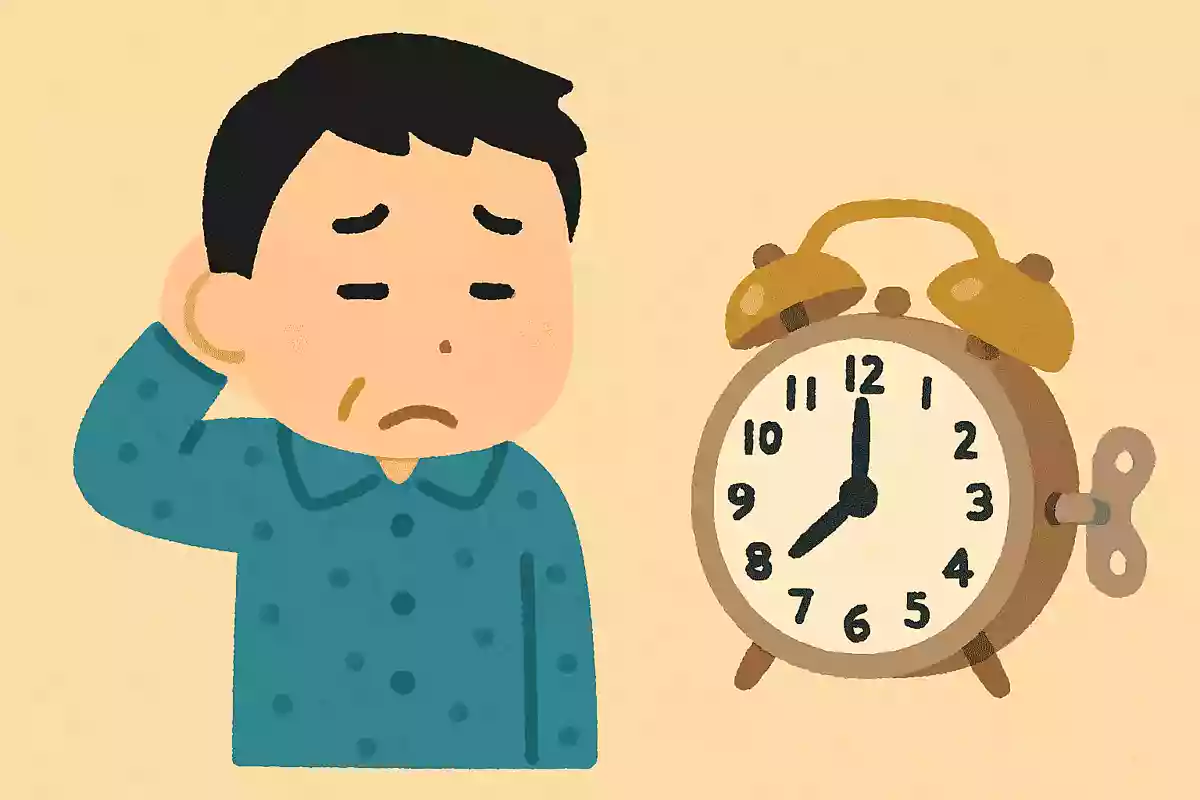
We tend to think that everyday furniture and appliances have simply become more stylish over time, but the functions they offer have actually undergone all kinds of changes as well.
Focusing on one essential item—alarm clocks—how did they work back in the Showa era? Not just alarms, but what kinds of power sources did clocks have? If you imagine how old machines worked, some of you might already guess the answer.
The answer is: spring-wound.
While such models have become less common, the technology hasn’t disappeared.
This might be a good chance to go looking for one.
Showa Era Culture, Trends, and Life Quiz (21–30)
What is the notebook, widely loved by elementary school students since the late 1970s (Showa 45 era), that features nature photos on its cover?

While some things disappear with changing times, others remain beloved for many years.
Focusing on something passed down from the Showa era, what comes to mind when you think of a notebook—mainly used by elementary school students—with nature on the cover? The biggest hint is that the cover features a photograph; if you’ve used it before, that alone gives it away.
The answer is the Japonica Study Notebook.
Even if the cover design changes with the times, it’s nice that the core concept stays the same.